
Running a small business means juggling a dozen things at once, and privacy law probably isn’t how you want to spend your afternoon. But between stricter global rules and search engines that expect clear data policies, a consent banner is now a real necessity. If you run WordPress, picking the right tool can feel overwhelming. It’s simpler than it looks, and we’ve tested the top options for your business this year.
Key Takeaways
- Modern privacy rules like GDPR and CCPA require active consent before tracking cookies run.
- Google Consent Mode v2 is now mandatory for targeted ads or analytics tracking in Europe.
- WordPress native tools keep compliance central and skip messy external platforms.
- The right tool depends on your business size, budget, and desired visitor experience.
What is a Consent Management Platform and Why Does Your Business Need One?
A Consent Management Platform, or CMP, is a tool that helps your site legally gather and manage visitor consent for tracking technologies. Cookies can track behavior, save logins, or gather marketing data, and privacy law says you can’t collect any of that without asking first. A CMP blocks those scripts until visitors give explicit approval. This used to mean juggling code snippets and external dashboards, but if your site runs on Elementor, you now have native compliance options right inside your WordPress dashboard.
A dedicated compliance tool also builds real trust: a clean banner that explains how data is handled makes visitors feel safer doing business with you.
The 10 Best Consent Management Platforms for Small Businesses
Here’s a quick comparison, followed by a closer look at each tool.
| Platform Name | WordPress Native Dashboard? | Google Consent Mode v2? | Setup Difficulty | Primary Focus |
|---|---|---|---|---|
| Cookie Consent | Yes | Yes | Very Low (Under 5 minutes) | WordPress native site owners who want simplicity |
| Cookiebot | No (External Cloud Dashboard) | Yes | Medium | Cross-platform automated compliance scans |
| CookieYes | No (External Dashboard) | Yes | Medium | Multi-lingual consent banner customization |
| Complianz | Yes | Yes | Medium | Dedicated WordPress cookie legal wizards |
| iubenda | No (External Suite) | Yes | High | Complete legal policy generators |
| Termly | No (External Dashboard) | Yes | Low | Simple legal documents and basic banners |
| OneTrust | No (Enterprise Portal) | Yes | High | Large enterprise privacy and data governance |
| Osano | No (External Dashboard) | Yes | Medium | Data privacy with legal protection guarantees |
| Usercentrics | No (External Dashboard) | Yes | High | Highly customizable enterprise compliance API |
| Didomi | No (External Dashboard) | Yes | High | Multi-channel preference management for big brands |
1. Cookie Consent
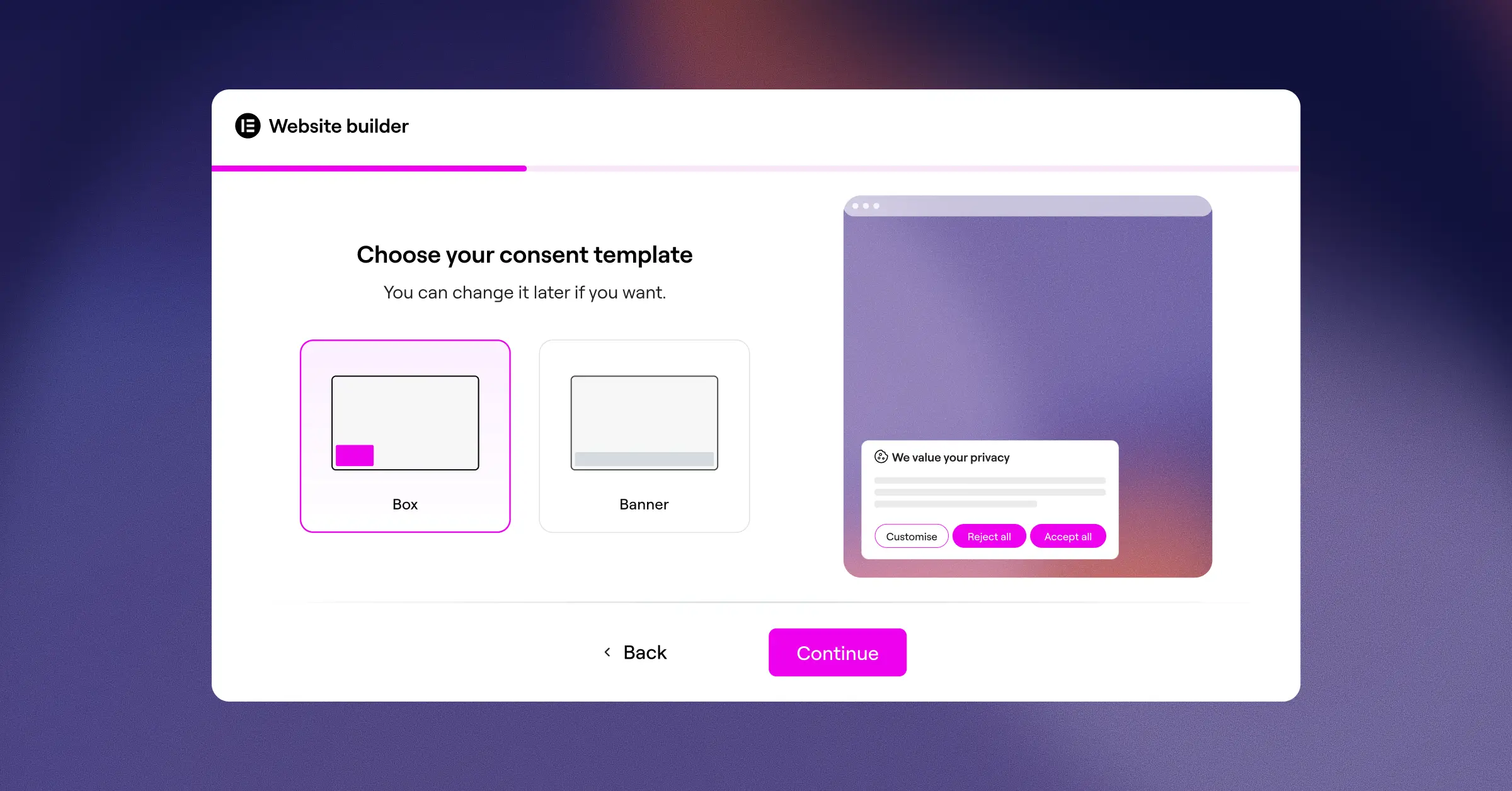
First up is Cookie Consent, Elementor’s native compliance capability. It runs entirely inside your WordPress dashboard: set up your banner, scan your cookies, and manage scripts without leaving your editor, running in under five minutes. It handles Google Consent Mode v2, Global Privacy Control, and geographic targeting, showing the right banner to EU, UK, or California visitors. As part of the Elementor ecosystem, it matches your site design without custom CSS.
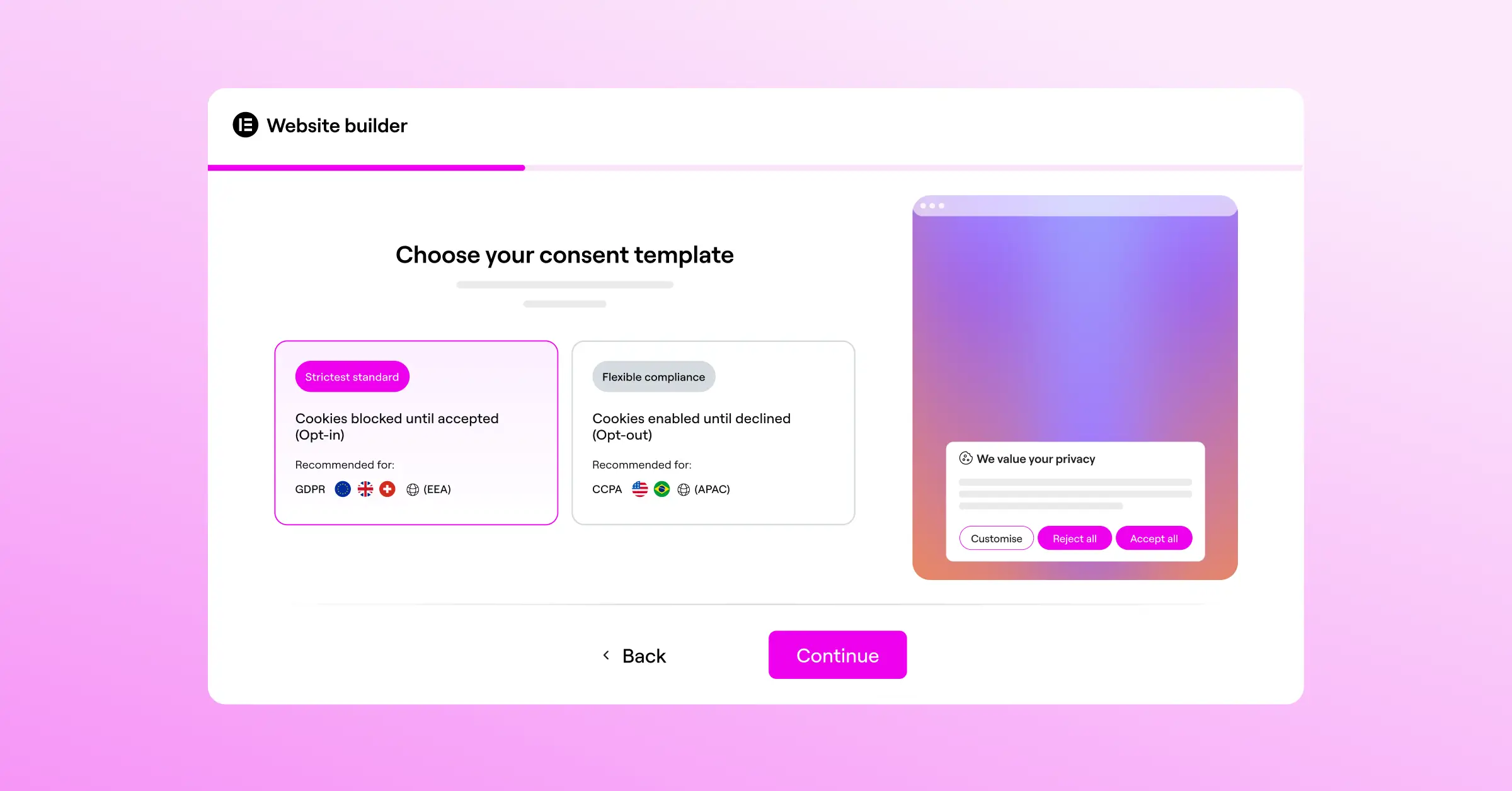
- Scans your site scripts to sort cookies into accurate categories.
- Saves historical consent logs for a complete audit trail.
- Pulls pre-designed templates into the editor to save design time.
- Launches a built-in policy generator for privacy documents.
- Connects to your site settings to manage compliance in one click.
Pros & Cons
- Pro – Runs completely inside WordPress, no external accounts.
- Pro – Design tools match your brand fonts and colors.
- Pro – Built-in support for Google Consent Mode v2 and Global Privacy Control.
- Con – Built specifically for WordPress sites.
Our Verdict
For small businesses on WordPress, Cookie Consent is the easiest way to handle compliance. (No more tab-switching to tweak a banner.) It’s fast, simple, and saves you money on separate subscriptions.
“The shift toward privacy-first web design means small businesses can no longer afford to treat compliance as an afterthought. Integrated tools make meeting these global standards a natural part of site development.”
– Itamar Haim, Web Compliance Specialist
2. Cookiebot
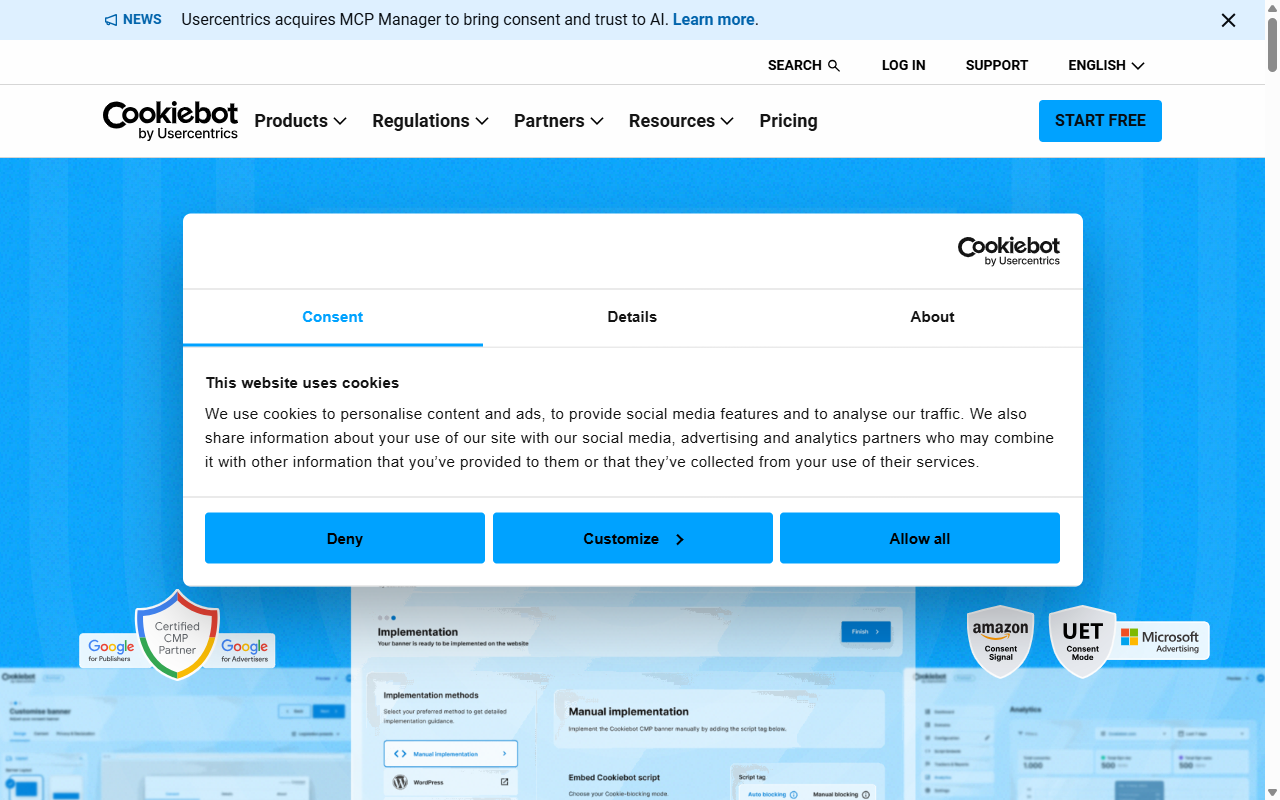
Cookiebot is a widely recognized cloud-based compliance platform. It scans your site to detect tracking technologies and generates a customizable banner, but since it runs outside WordPress, you manage policies and logs on its external platform. It’s known for an accurate database that categorizes thousands of third-party scripts automatically.
- Detects tracking scripts with a deep-scanning crawler.
- Generates monthly reports on active trackers.
- Saves consent states in secure cloud centers.
- Controls script blocking before consent, via an automated tagger.
- Translates banners into multiple languages automatically.
Pros & Cons
- Pro – Auto-categorization makes tracker management straightforward.
- Pro – Monthly scan reports keep you updated on new cookies.
- Con – Entry-level plan is restrictive, and costs rise as you grow.
- Con – Settings live on an external platform.
Our Verdict
Cookiebot suits sites that don’t change often. Check pricing tiers first if your page count is set to grow.
3. CookieYes
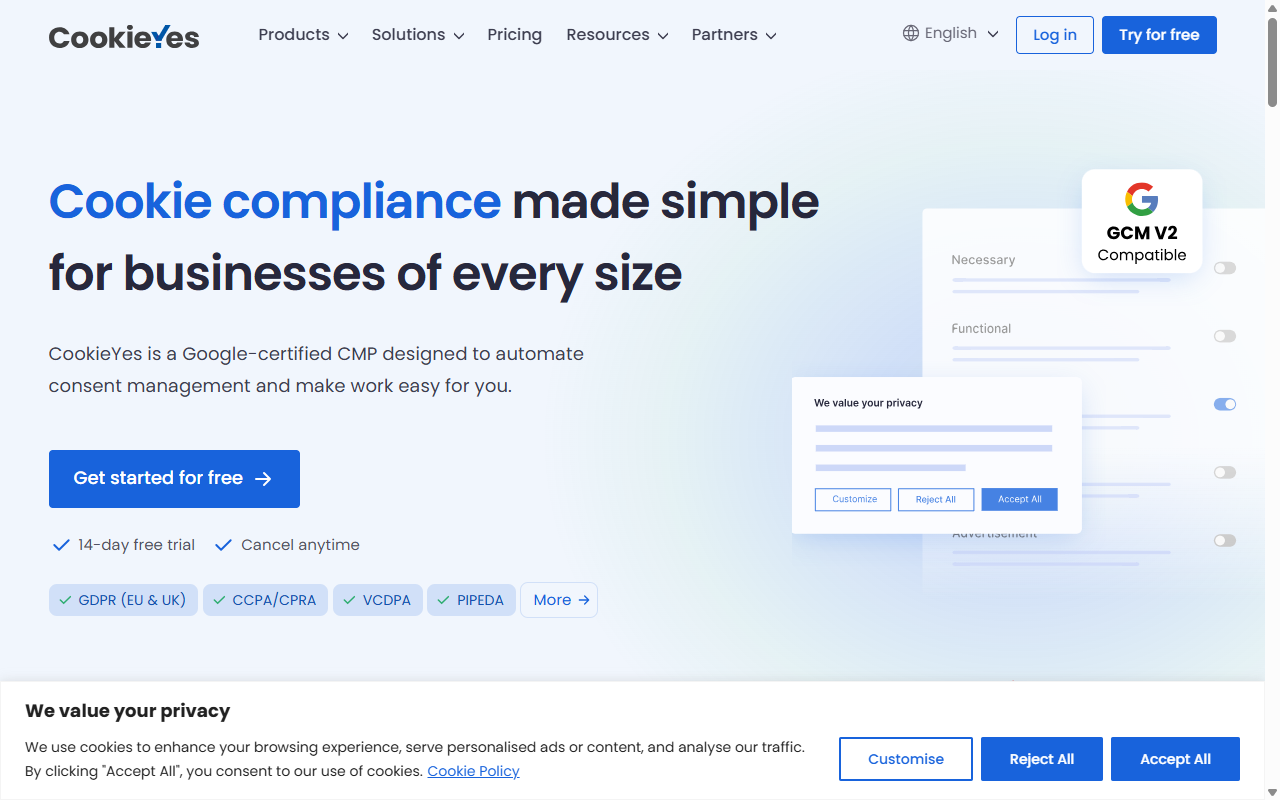
CookieYes is another well-known name in consent management, with multi-language support and visual customization for your banners. Like Cookiebot, it runs from a centralized web app linked to your site with a code script. Its entry-level plan is fairly generous, and the interface is clean: log in and adjust layouts, colors, and buttons easily. It also supports GDPR, CCPA, and LGPD.
- Tracks consent actions through a cloud analytics panel.
- Builds custom banners with a simple visual editor.
- Adjusts banner settings automatically by visitor location.
- Maintains a secure consent log for audit trails.
- Integrates with tag managers to control script firing.
Pros & Cons
- Pro – The visual banner editor is easy to pick up.
- Pro – Covers a wide range of international privacy regulations.
- Con – Advanced tracking features need some manual code.
- Con – Consent logs live in their external dashboard.
Our Verdict
CookieYes suits running several sites on different platforms from one cloud portal.
4. Complianz
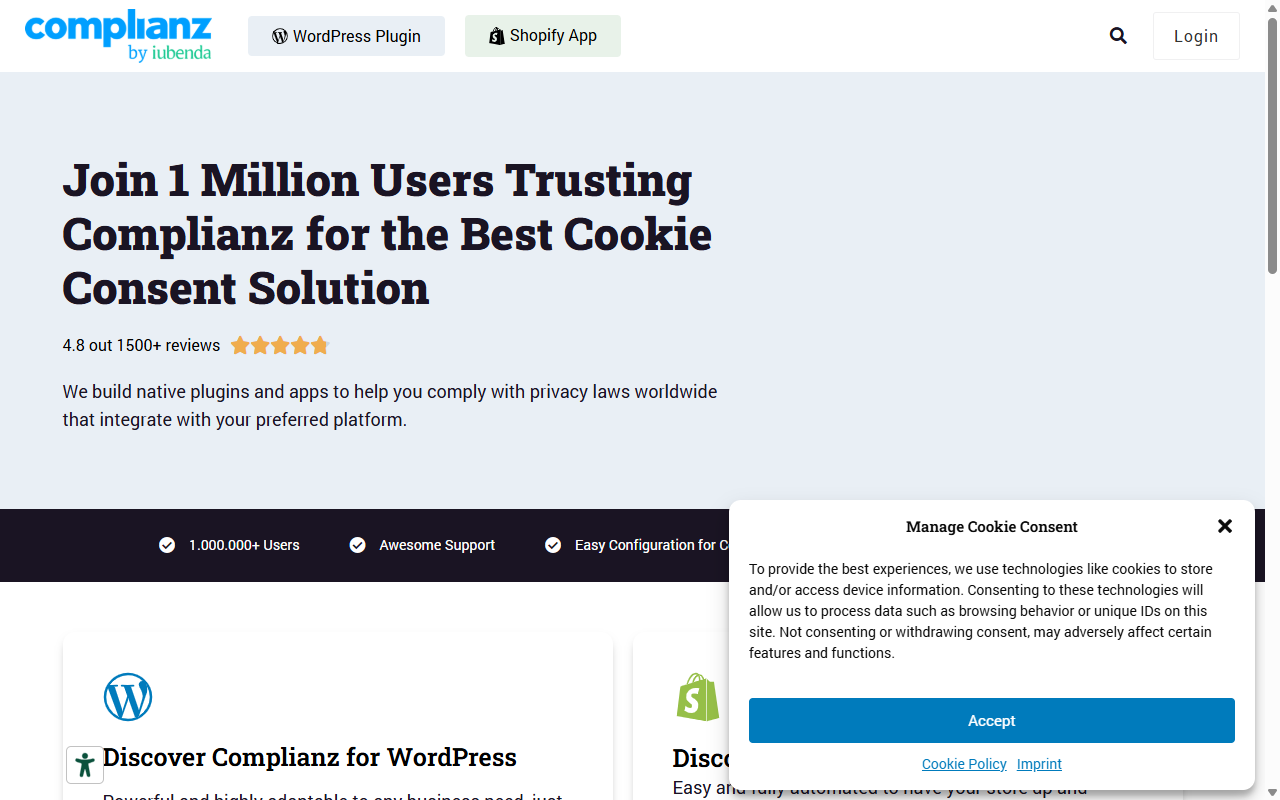
Complianz is built for WordPress, with a detailed setup wizard that figures out which privacy laws apply to your business, like working with a digital legal assistant. It detects your location and configures settings to match regional laws.
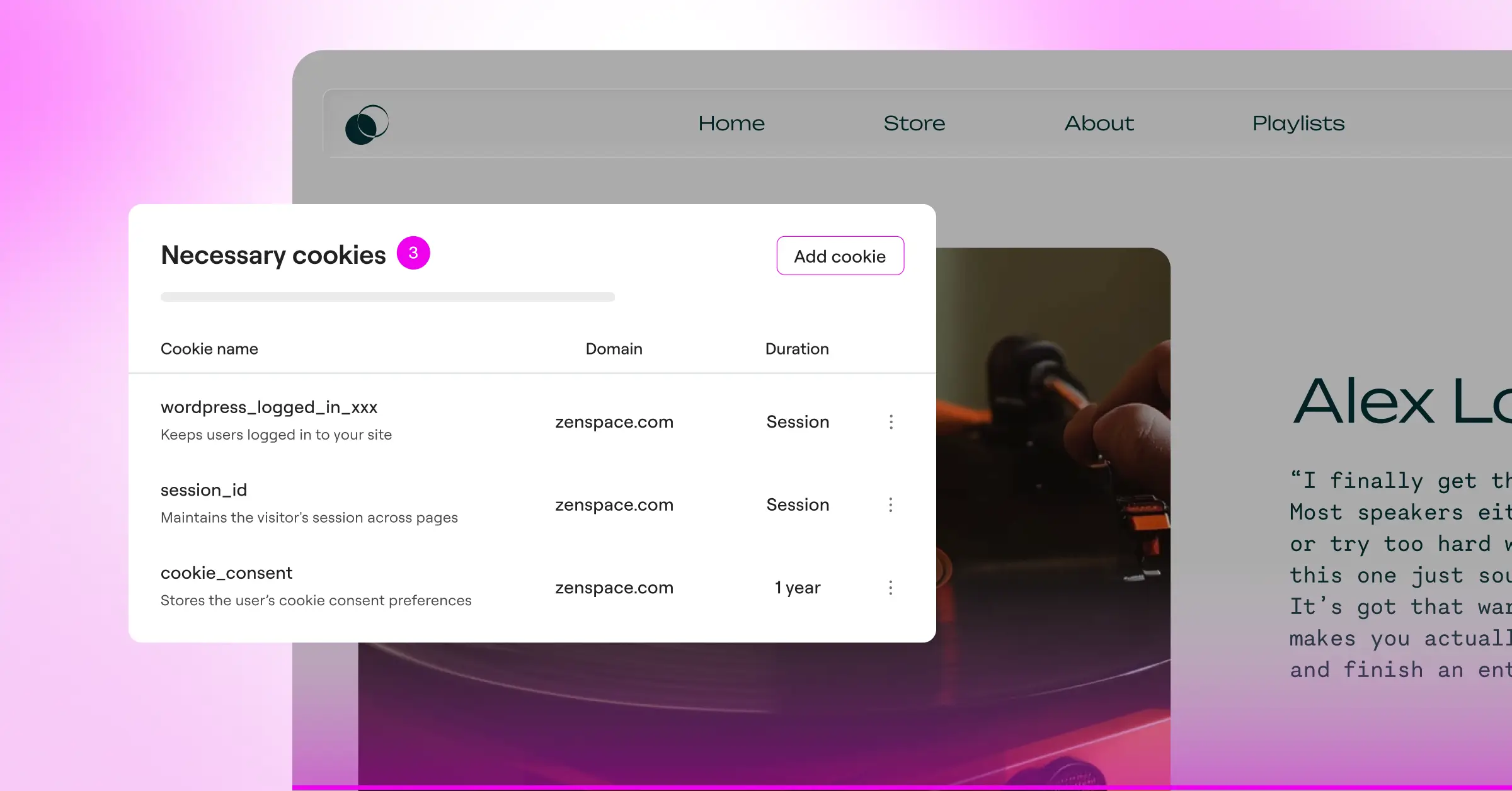
- Guides you through a multi-step setup questionnaire.
- Generates customized legal documents from your answers.
- Blocks tracking scripts until users opt in.
- Detects cookie changes with regular background scans.
- Integrates directly with WordPress management.
Pros & Cons
- Pro – Keeps everything in WordPress, no external accounts.
- Pro – The wizard explains the legal reasoning behind each setting.
- Con – The interface can feel technical at times.
- Con – Custom banner styling may need basic CSS.
Our Verdict
Complianz suits WordPress site owners who like step-by-step legal guidance.
5. iubenda
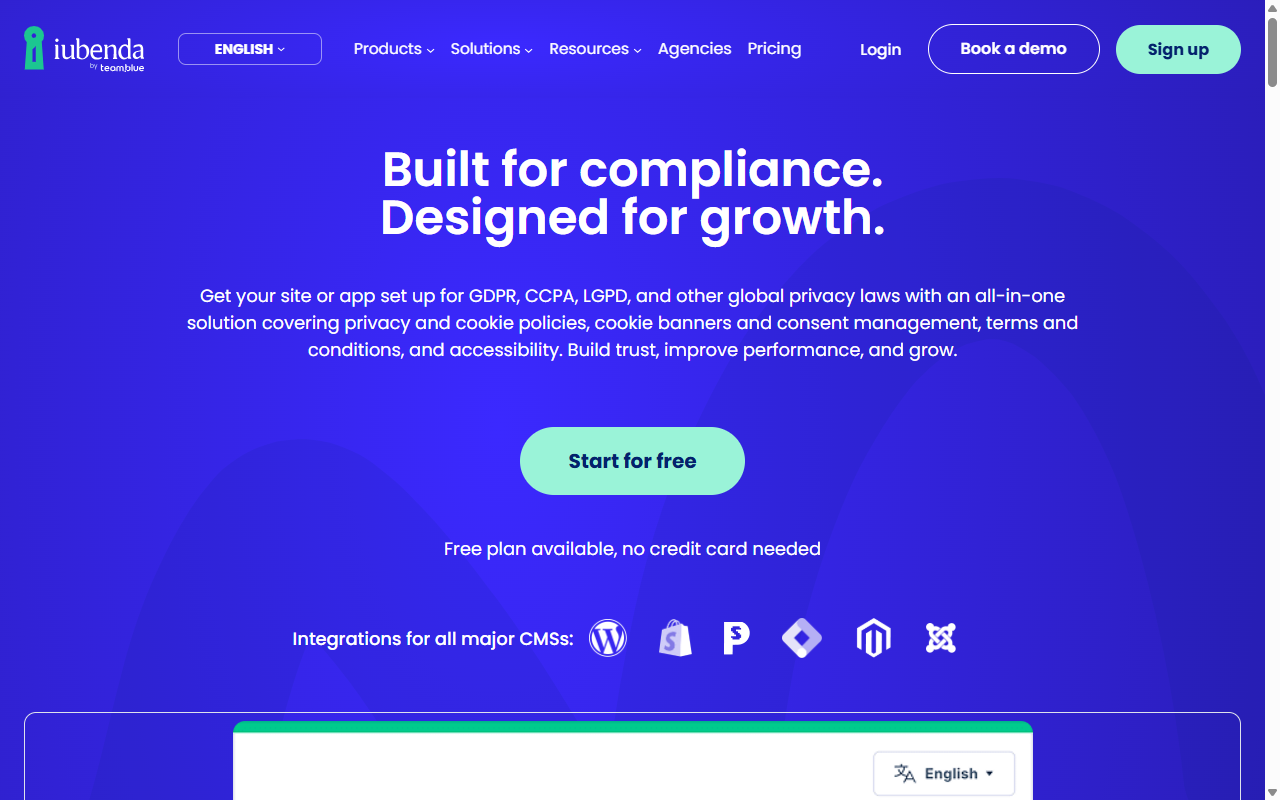
iubenda looks at the full legal picture, offering a complete suite of legal documents, including privacy policies, terms, and consent logs, built for businesses needing complex legal documentation. Setup takes some technical confidence, and developers and agencies often favor its broad toolset.
- Builds auto-updating policies designed by legal experts.
- Generates banners matching complex legal specs globally.
- Stores consent records in a secure, remote database.
- Monitors legal changes to update policy text.
- Supports deep customization for apps and web platforms.
Pros & Cons
- Pro – Covers complete legal document generation, not just banners.
- Pro – Automatic legal updates keep your policies current.
- Con – Credit-based pricing is tricky to predict for growing sites.
- Con – Steeper learning curve than most tools here.
Our Verdict
iubenda suits full legal documentation alongside a banner. For a simple banner alone, it’s more than you need.
6. Termly
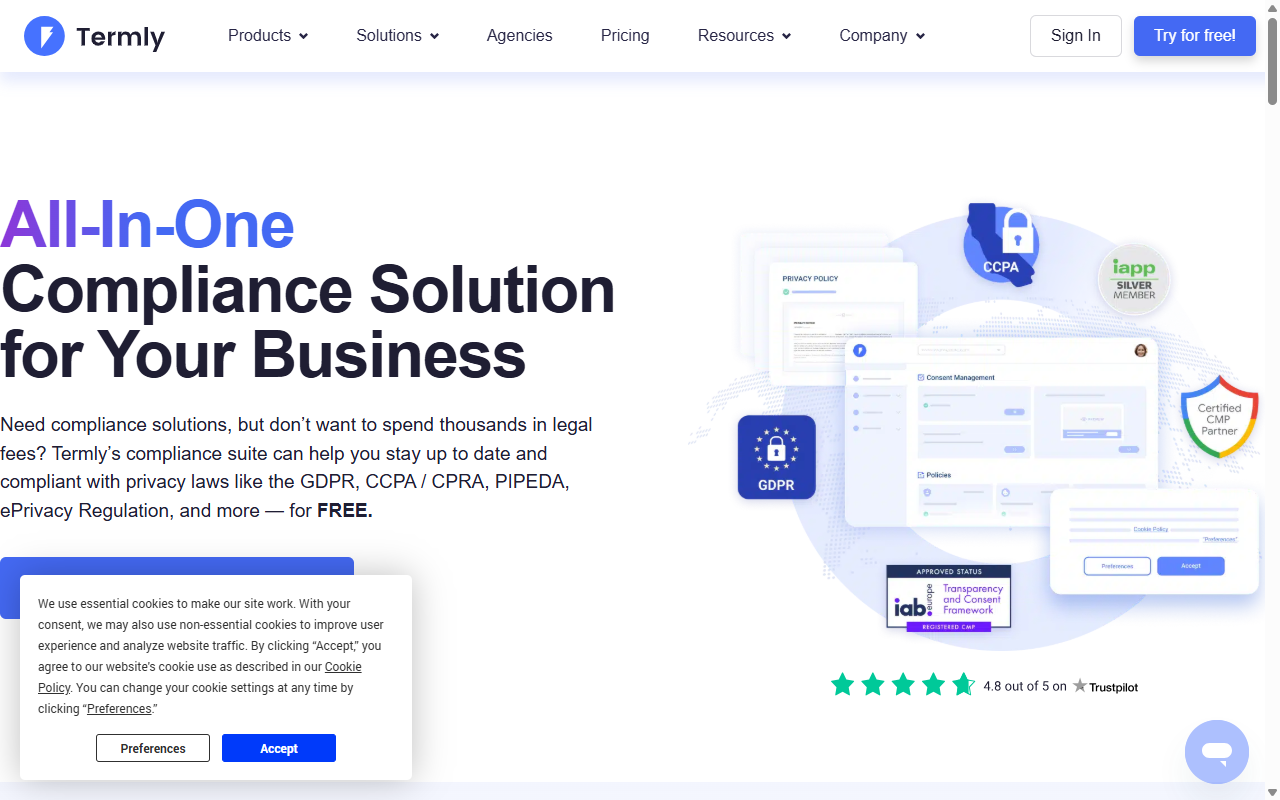
Termly is built with small businesses and startups in mind, focused on making compliance accessible and affordable. One dashboard lets you build cookie banners, generate privacy policies, and create terms of service with an intuitive visual editor.
- Creates easy-to-read legal agreements with template builders.
- Scans your site to automatically categorize cookies.
- Generates responsive banners for mobile screens.
- Supports rapid deployment with copy-and-paste scripts.
- Translates settings into basic language options.
Pros & Cons
- Pro – Clean, beginner-friendly interface.
- Pro – Affordable packages for bootstrapped startups.
- Con – Lacks deeper controls larger dev teams need.
- Con – Settings live in a separate cloud portal.
Our Verdict
Termly suits new owners who want a simple interface and basic templates, no developer needed.
7. OneTrust
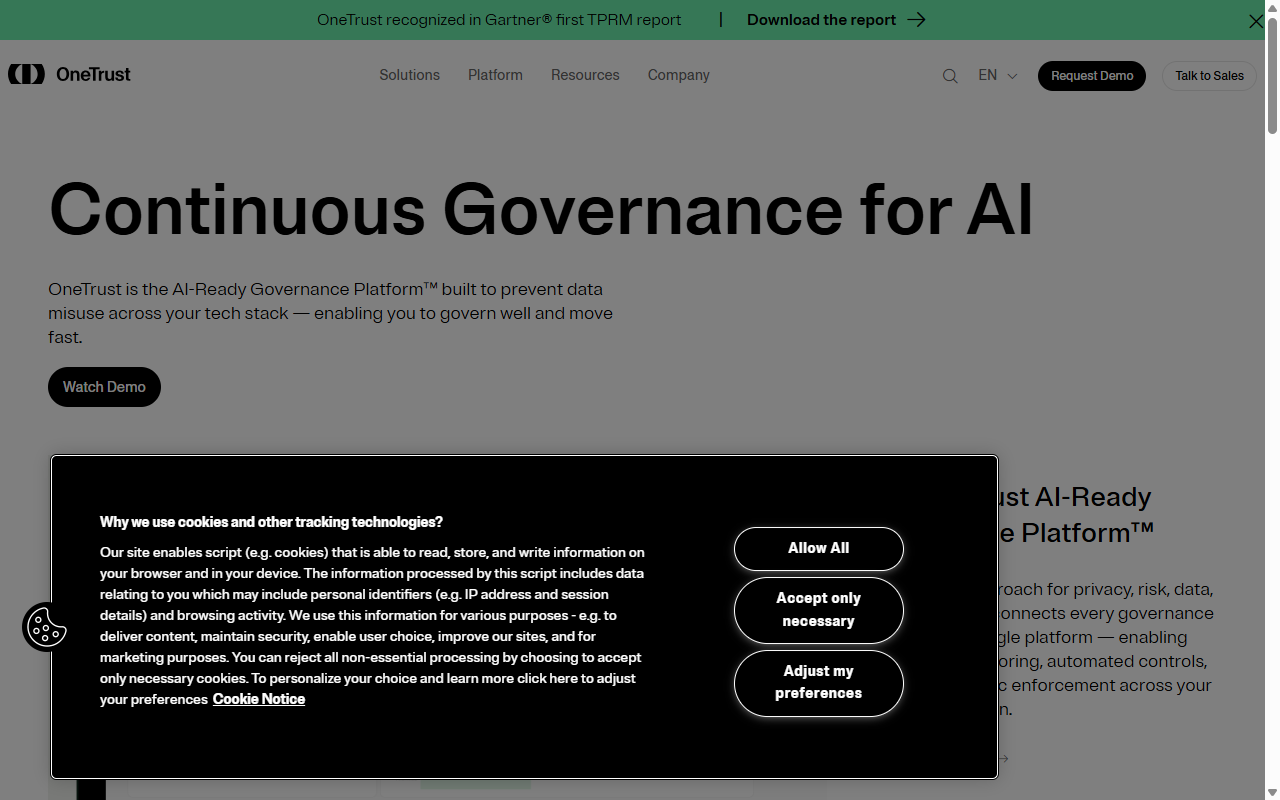
OneTrust is a large, feature-rich platform for complex privacy regulations across big organizations, with data mapping, risk assessment, and consent management across hundreds of sites. For most small businesses it’s far more than needed, though regulated industries like healthcare or finance may find it credible.
- Coordinates enterprise-wide privacy settings across platforms.
- Compiles compliance audits and downloadable CSV logs.
- Controls preference centers for granular data management.
- Scans thousands of pages automatically to track cookies.
- Integrates with CRM systems to manage consent records.
Pros & Cons
- Pro – Thorough for complex enterprise requirements.
- Pro – Detailed reports and consent audit logs.
- Con – Pricing is typically out of range for small businesses.
- Con – Setup usually needs professional help.
Our Verdict
OneTrust suits large organizations with heavy compliance needs. A simpler tool serves most small business sites better.
8. Osano
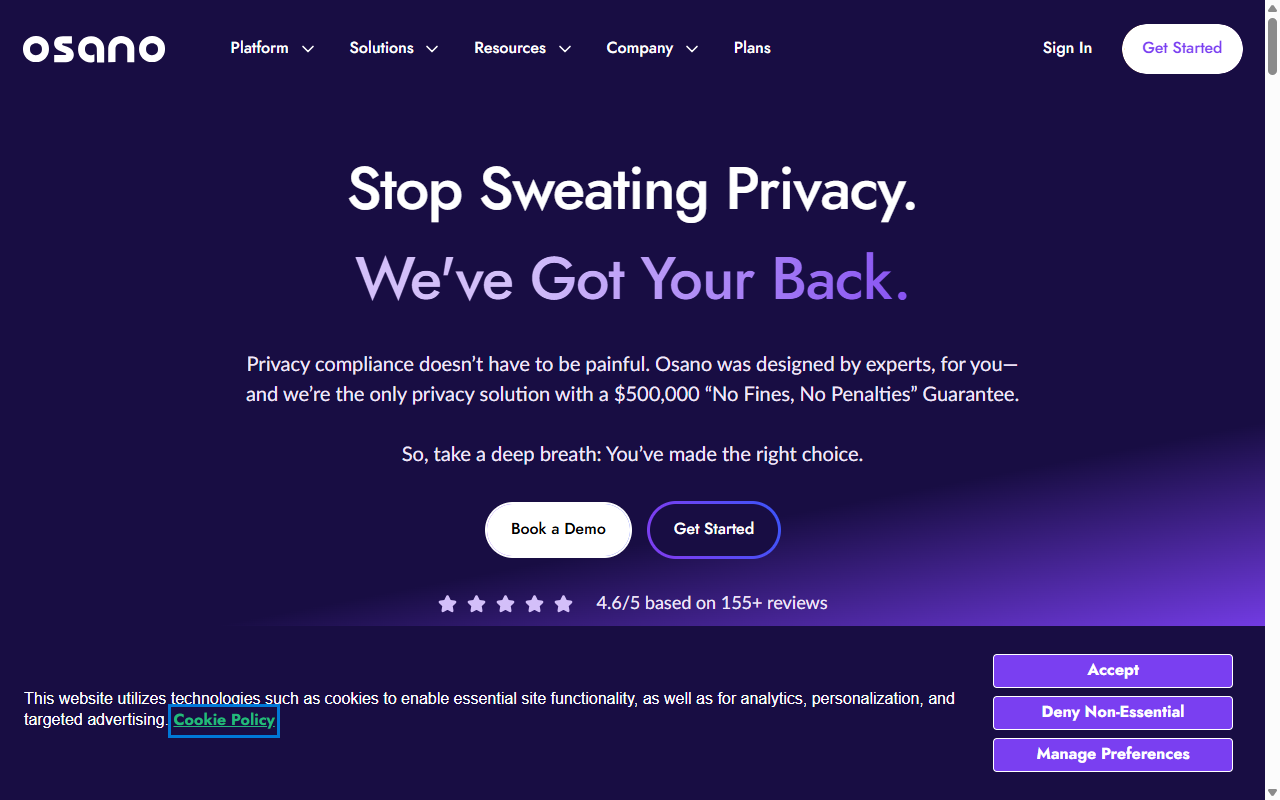
Osano is an easy-to-use compliance platform focused on safety and reliability. Its compliance guarantee offers financial support if you get a privacy fine while using it correctly, and it’s cloud-based: install one code snippet, and Osano handles script blocking.
- Blocks unapproved cookies automatically with strict control.
- Applies geographic targeting to show the right rules worldwide.
- Backs its service with a financial guarantee.
- Manages consent logs securely in the cloud.
- Translates banners into dozens of languages.
Pros & Cons
- Pro – Automatic script blocking prevents accidental tracking.
- Pro – The guarantee gives real reassurance for owners.
- Con – Paid plans run high for smaller businesses.
- Con – Requires external scripts in your codebase.
Our Verdict
Osano suits owners who want peace of mind and don’t mind paying more for the guarantee.
9. Usercentrics
Usercentrics is popular with web developers and agency teams, offering an advanced setup to build custom consent experiences through its API, alongside standard templates. That makes it easy to integrate consent tracking into custom apps and complex web systems.
- Delivers flexible custom integrations through a developer API.
- Integrates with marketing platforms like Google Tag Manager.
- Supports cross-device consent across mobile and desktop.
- Builds diagnostic reports on cookie blocking status.
- Supports GDPR, CCPA, and other global privacy rules.
Pros & Cons
- Pro – Excellent flexibility for custom-coded sites.
- Pro – Solid tools for managing consent across mobile apps.
- Con – Setup is technical and daunting for non-developers.
- Con – Custom adjustments often need JavaScript knowledge.
Our Verdict
Usercentrics suits tech-savvy owners and agencies managing complex sites, more than a simple WordPress install needs.
10. Didomi
Didomi is a complete customer preference platform, helping businesses collect consent across websites, apps, connected TVs, and retail kiosks, creating one privacy profile per customer. It suits businesses working across multiple channels and integrates well with marketing automation stacks.
- Collects customer preferences across websites, apps, and offline channels.
- Saves user profiles with custom preference histories.
- Integrates with marketing automation tools and CRMs.
- Customizes the interface to match your corporate brand.
- Manages background audits to keep tracking lists accurate.
Pros & Cons
- Pro – Strong multi-channel management for diverse touchpoints.
- Pro – Good integration with sales and marketing software.
- Con – Enterprise pricing is a big investment for smaller teams.
- Con – Setup needs dedicated technical time.
Our Verdict
Didomi suits growing brands managing preferences across apps and platforms. A single company site likely needs a simpler tool.
How to Choose the Right CMP for Your Small Business
Choosing the right tool doesn’t have to be stressful. Focus on your platform, your goals, and your team’s technical comfort, and the choice gets clear fast. Here are the main factors worth weighing.
- Your Website Platform – Running WordPress with modern design tools? A native option like Cookie Consent keeps your dashboard clean and skips extra accounts.
- Your Target Audience Location – Local-only businesses face simpler rules. Visitors from the UK, Europe, or California mean you need geo-targeting and Google Consent Mode v2.
- Budget and Future Growth – Cloud plans often start cheap, but pricing can climb fast as your site grows, so check how costs scale first.
- Design and Branding Control – Your cookie banner is often the first thing visitors notice, so look for design control that skips custom code. The Elementor blog covers matching your setup to your site’s design.
How to Set Up Native Compliance on WordPress
If you’ve chosen a native dashboard option, getting your banner live is genuinely fast. Here’s a simple walkthrough with no coding headaches.
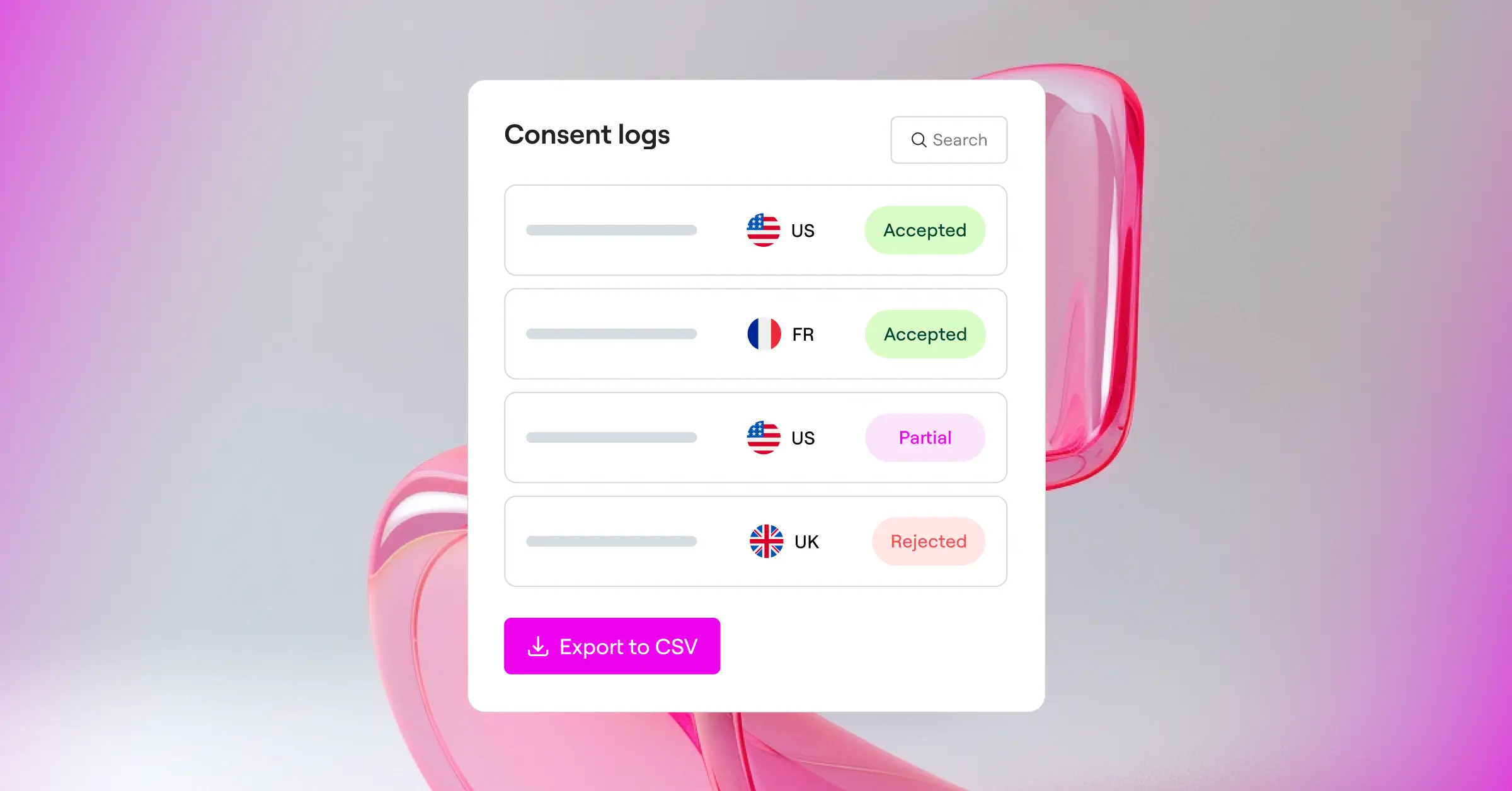
- Open Your Dashboard – Log into WordPress and head to your compliance settings.
- Launch the Cookie Scanner – Run the automated scan to find every cookie on your site.
- Configure Consent Mode – Toggle on Google Consent Mode v2 and Global Privacy Control.
- Customize Your Banner – Pick a template, then adjust colors, buttons, and fonts to match your brand.
- Publish and Test – Click publish, then check an incognito window to confirm the banner blocks cookies until accepted.
Frequently Asked Questions
Do small businesses really need a cookie consent banner?
Yes. GDPR and CCPA apply to any site collecting visitor data from Europe or California, regardless of where you’re based. Using analytics tools means you need consent first.
What is Google Consent Mode v2 and is it mandatory?
It passes visitors’ consent choices to Google services like Analytics and Ads, and it’s required for tracking or targeted ads in the European Economic Area.
Can I just write my own cookie banner code?
You could build your own HTML banner, but managing compliance by hand is harder than it looks. A real tool also blocks cookies, logs decisions for audits, and adapts to location.
Does a cookie banner slow down my website?
Some cloud services add a small delay fetching outside scripts. A native capability like Cookie Consent runs on your own server and loads fast without hurting performance.
What happens if I don’t use a consent management platform?
Going without one leaves you open to regulator fines, and ad networks and search engines are starting to restrict accounts that skip verified consent frameworks.
How do I know if my website cookies are being blocked correctly?
Open your site in an incognito window with developer tools open and check the “Storage” tab to confirm no cookies get stored before you accept.
What is the difference between GDPR and CCPA consent rules?
GDPR is “opt-in”: no cookies run until a visitor clicks accept. CCPA is “opt-out”: you can load trackers but must give a clear way to opt out, often via a “Do Not Sell My Personal Information” link.
Are free cookie consent tools safe to use for my business?
Many good free tools are safe, but watch for page limits, since some misbehave during traffic spikes. A native capability in your existing site builder plan is often the more reliable long-term pick.

