Keeping a WordPress site compliant with privacy laws can feel like chasing a moving target. Between GDPR, CCPA, and Google Consent Mode v2, a proper consent banner isn’t optional anymore. The good news? Finding the right tool is easier than it looks.
We’ll compare the leading privacy tools, from the popular Complianz tool to the native Cookie Consent capability built by Elementor, plus eight more solid alternatives worth a look.
Key Takeaways
- Native integrations keep everything in one dashboard, skipping extra third-party logins.
- Google Consent Mode v2 support is now mandatory for WordPress sites running Google ads or analytics in Europe.
- Cookie Consent by Elementor gives you an easy, five-minute setup inside your WordPress dashboard.
- Complianz offers a detailed privacy wizard, but needs configuring across multiple screens.
- Your choice comes down to a deeply specialized legal tool versus a clean, unified platform experience.
Understanding Cookie Consent on WordPress in 2026
The privacy landscape has shifted fast. Regulators keep tightening the rules, and browsers keep phasing out third-party tracking. So your site needs to be proactive about how it collects, manages, and stores user data.
Your cookie banner needs to do more than show a simple “we use cookies” message these days. It has to block scripts before consent is given, sort different types of trackers, and keep an audit log in case a regulator ever asks for proof. That’s a lot, but good modern tools handle it quietly in the background while you focus on your brand.
Direct Comparison: Complianz vs Cookie Consent
Two philosophies stand out here. Complianz takes the dedicated, highly technical privacy-suite route. Cookie Consent takes the simpler path: a dashboard-native capability built into the Elementor ecosystem.
Complianz is known for its detailed setup wizard, which asks dozens of questions about your business to generate custom legal documents. It’s thorough, though the interface can feel like a lot if you just want your site running fast.
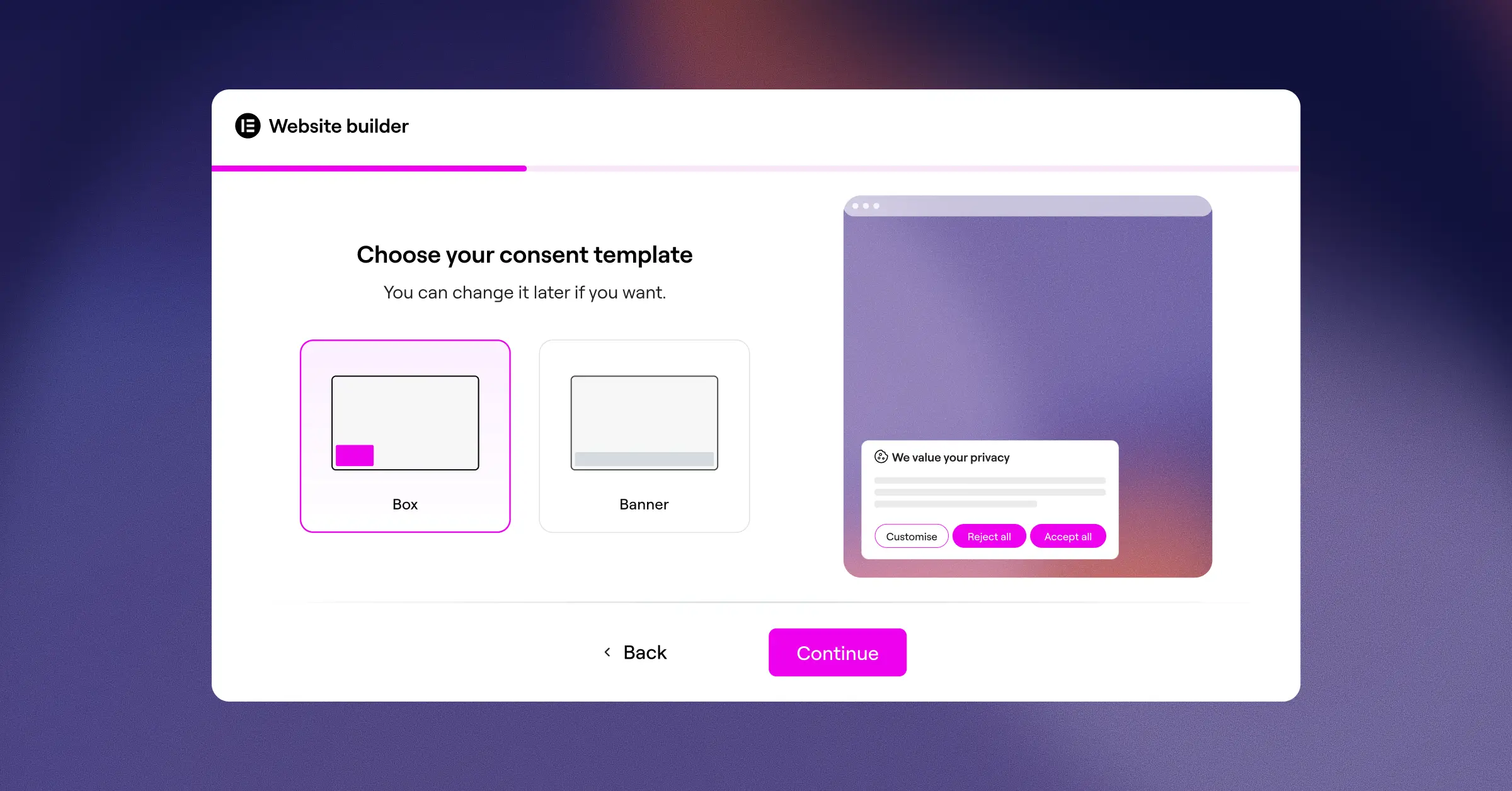
Cookie Consent is built for ease of use and visual harmony instead. It lives fully inside your WordPress dashboard, so there’s no external account or mismatched design settings to juggle. Set up your banner, run an automated cookie scan, and match the styling to your brand in under five minutes, with Google Consent Mode v2 and Global Privacy Control covered out of the box.
“Data privacy isn’t just a legal chore anymore; it’s a fundamental part of building trust with your audience. Having a tool that works directly within your existing dashboard makes compliance much easier to maintain over time.”– Itamar Haim, Web Compliance Specialist
Detailed Comparison Table
Here’s how these solutions stack up at a glance, from core features to setup environment.
| Feature / Metric | Cookie Consent (Elementor) | Complianz | Traditional SaaS Tools |
|---|---|---|---|
| Dashboard Location | 100% Native WordPress | Native WordPress | External Cloud Platform |
| Setup Time | Under 5 minutes | 15 to 30 minutes | 10 to 20 minutes |
| Google Consent Mode v2 | Fully Supported | Fully Supported | Often requires premium plan |
| Design Interface | Visual and intuitive | Form-based settings | Cloud-based editor |
| Consent Logging | Built-in database logs | Local database logs | Cloud-based logs |
10 Best Cookie Consent Tools for WordPress in 2026
Let’s walk through the best options this year, a mix of native WordPress capabilities, specialized tools, and cloud platforms.
1. Cookie Consent
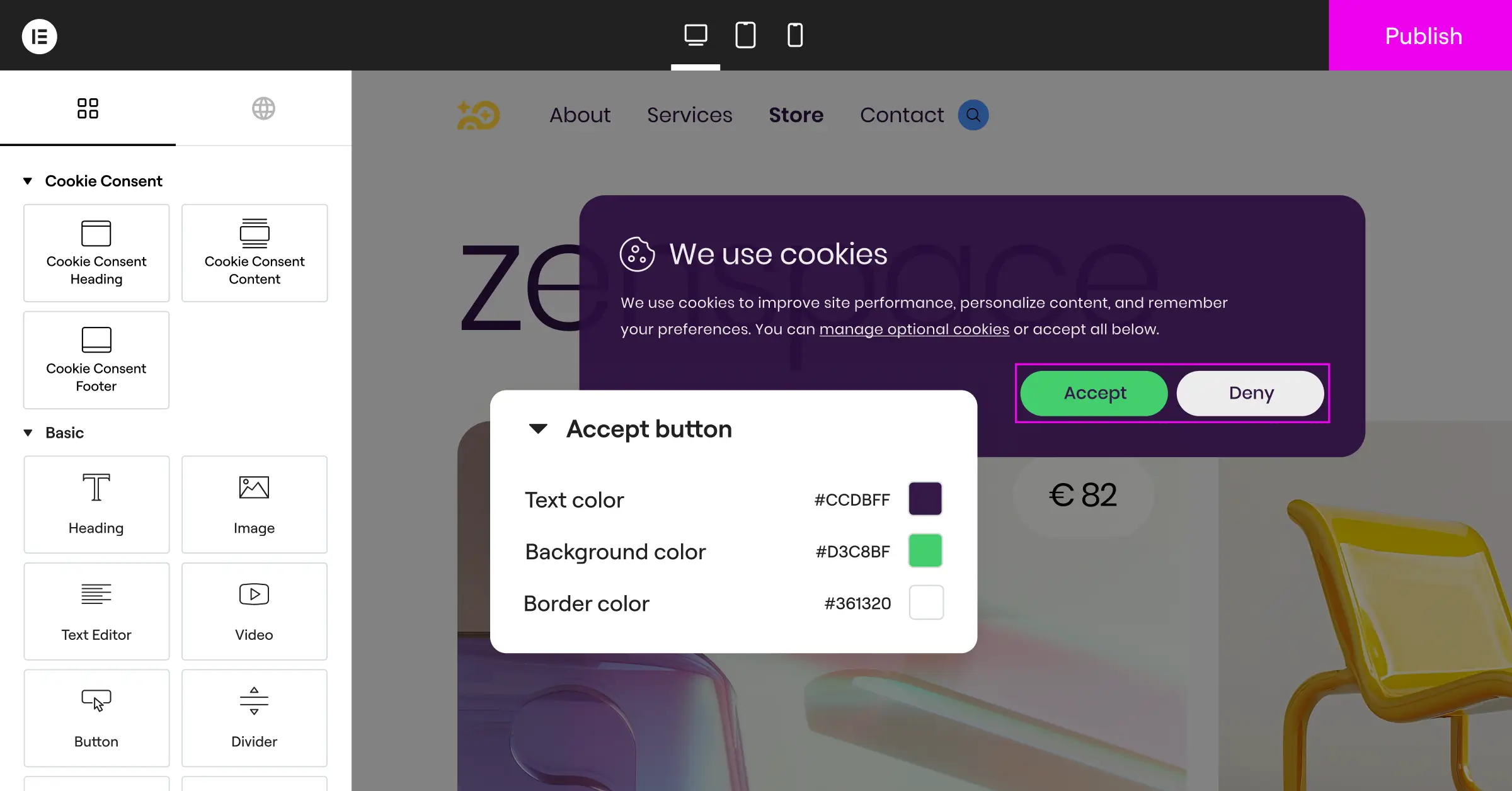
The Cookie Consent capability is Elementor’s native answer to WordPress privacy management. Built right into your dashboard, it skips the external accounts and complicated code you’d otherwise need to block tracking scripts. If you’re already building with Elementor, you’ll feel right at home, with setup taking about five minutes.
- Scans your website automatically to discover and categorize tracking cookies.
- Customizes your banner’s layout, colors, typography, and buttons to match your brand.
- Supports Google Consent Mode v2 to keep your analytics and ads compliant.
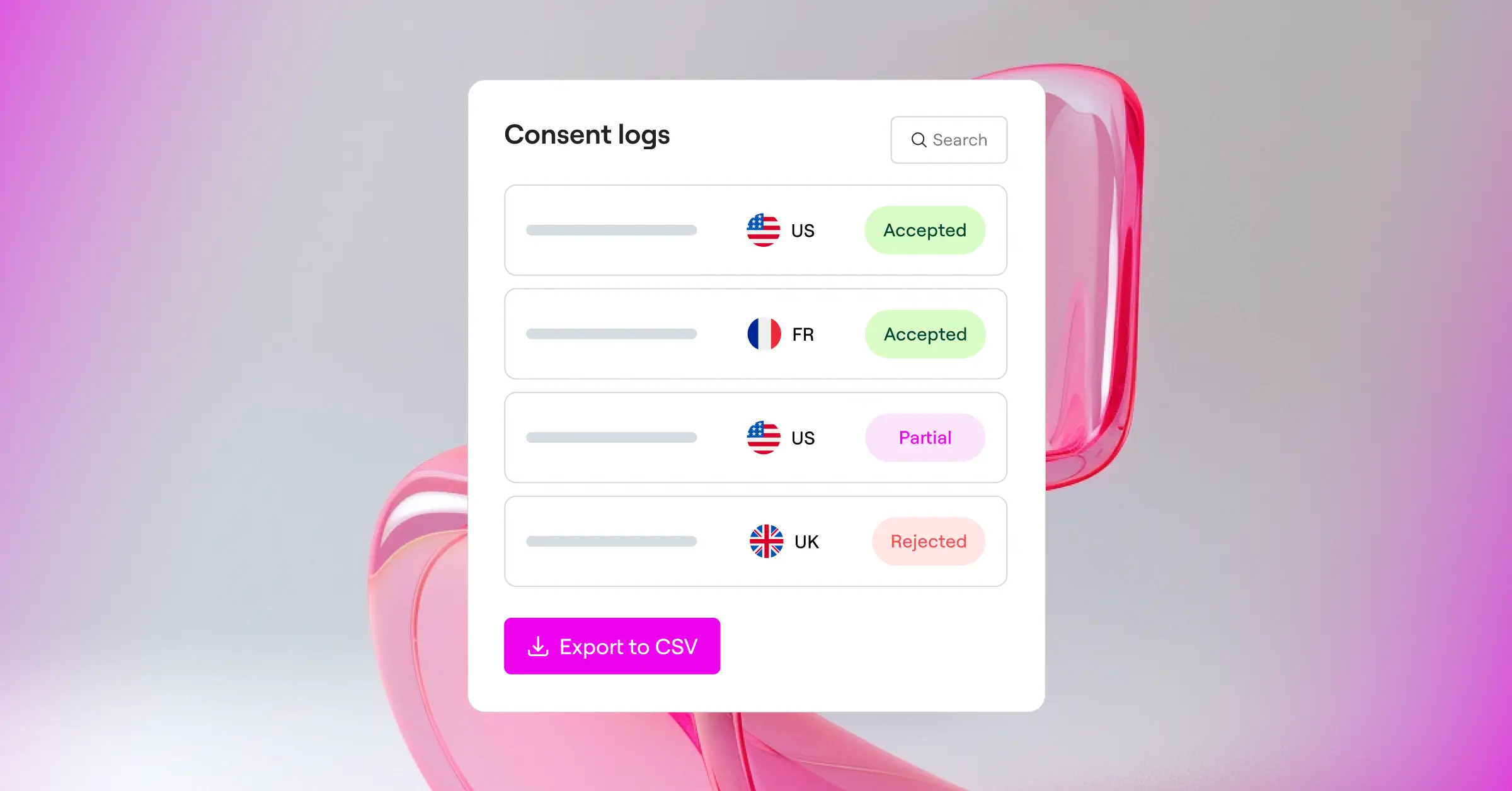
- Saves detailed consent logs directly in your WordPress database for audit readiness.
- Targets specific regions like the EU, UK, or California using smart geo-targeting.
- Generates automatic legal policies to keep your legal pages updated.
Cookie Consent is part of Elementor’s wider compliance toolkit. There’s a free tier for growing sites, and full capabilities come with Elementor One.
Pros: No external accounts to juggle; a genuinely nice visual editor; a fast setup; works cleanly with your existing design.
Cons: Best suited to those who like a unified dashboard workflow, rather than an isolated, single-purpose tool.
Verdict: The best pick for WordPress creators who value their time, want cohesive design, and would rather handle compliance without leaving the dashboard.
2. Complianz
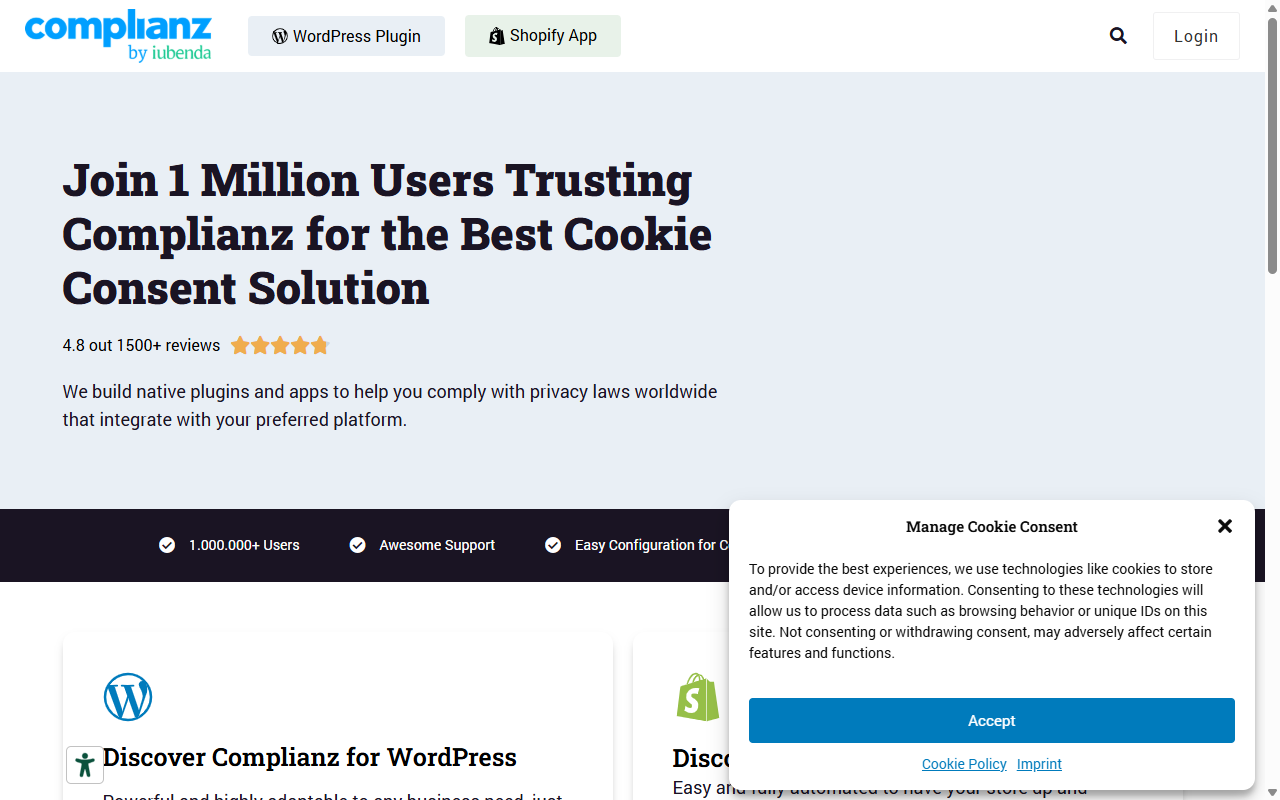
Complianz is an established WordPress privacy suite that takes a legal-first approach, asking about your business to build tailored privacy policies. If your site has complex legal requirements across multiple regions, that depth of configuration can be genuinely useful.
- Guides users through a multi-step privacy wizard to determine regional legal requirements.
- Blocks third-party scripts automatically before user consent is officially granted.
- Integrates with major translation tools to display banners in multiple languages.
- Generates customized legal documents like Cookie Policies and Terms of Service.
Pros: Thorough legal questionnaire; solid integration with popular translation tools; reliable cookie blocking.
Cons: The setup wizard is long and detailed; styling options can require CSS knowledge to customize; can feel heavy for simpler websites.
Verdict: A solid option for site owners who need region-specific legal documents and don’t mind a detailed setup process.
3. Cookiebot
Cookiebot is a major cloud-based consent platform that works across many content management systems, including WordPress. It’s well-regarded for its automated scanning technology and popular among organizations managing multiple sites.
- Scans your entire website once a month to find and categorize new trackers automatically.
- Stores user consent data in a secure, cloud-based repository for easy reporting.
- Distributes cookie banners globally using a high-speed content delivery network.
Pros: Excellent automated scanner; great for multi-site organizations; reliable cloud storage for consent logs.
Cons: Requires managing an external account; costs can rise as your site grows; limited visual customization on the entry-level plan.
Verdict: A good fit for larger business sites and enterprise teams managing multiple websites who prefer cloud-hosted data logs.
4. CookieYes
CookieYes is a widely used cloud-based consent tool that connects to WordPress through a simple integration. It’s known for its clean interface and approachable dashboard, a reasonable pick if you want a quick start without a lot of setup overhead.
- Supports major privacy laws including GDPR, CCPA, and Brazil’s LGPD.
- Displays clean, modern consent banners that load quickly on mobile devices.
- Manages cookie lists easily through an intuitive cloud-based dashboard.
Pros: User-friendly cloud interface; helpful customer support; fast setup process.
Cons: Requires leaving your WordPress dashboard to change settings; entry-level plan features are limited.
Verdict: A reliable alternative for mid-sized business owners who want a straightforward cloud-managed system with solid compliance tracking.
5. iubenda
iubenda is a professional compliance suite handling everything from cookie banners to privacy policies and terms of use, well-suited for international sites that need lawyer-drafted language covering multiple jurisdictions.
- Generates professional privacy and cookie policies written by actual legal experts.
- Detects the location of your visitors to show the correct local privacy banner.
- Saves consent preferences securely to comply with international standards.
Pros: Professional legal compliance coverage; addresses many international laws; dynamic policy updates.
Cons: Setup is technical and can take time to work through; the dashboard can feel busy.
Verdict: Best for international businesses and e-commerce stores that need complete, lawyer-crafted legal documents alongside their cookie banners.
6. Termly
Termly is a compliance platform built primarily for small businesses, pairing a simple cookie consent manager with an easy policy generator. It’s a reasonable starting point if your compliance needs are fairly straightforward.
- Builds custom privacy policies, terms of service, and return policies.
- Scans websites regularly to keep cookie declarations accurate and up to date.
- Adapts to the viewer’s location to serve the most relevant legal banner.
Pros: Simple and accessible interface; good collection of business legal templates; quick to get started.
Cons: Strictly limited page views on the entry-level plan; requires an external account; banner design options are fairly basic.
Verdict: A reasonable choice for small startups and service providers who need basic cookie banners and essential legal policies without a high upfront cost.
7. OneTrust
OneTrust is a large enterprise-level privacy and risk management platform built to handle compliance for global corporations. It’s worth knowing about, but for most WordPress site owners, it’s well beyond what you’ll need.
- Manages complex data subject access requests (DSAR) from a single system.
- Maps data flows across multiple digital properties and cloud services.
- Configures advanced, region-specific consent rules for global audiences.
Pros: Extensive feature depth; secure; well-suited for complex corporate compliance audits.
Cons: Setup is complex; too heavy and costly for standard WordPress users; steep learning curve.
Verdict: The standard for large enterprise teams, but far too complex and costly for standard WordPress site owners who just want a fast, simple solution.
8. Osano
Osano is a cloud-based data privacy platform focused on making compliance simple for growing businesses. One distinctive feature is a compliance warranty, a financial guarantee that the tool will keep you legally covered.
- Covers compliance with global privacy laws, backed by a financial warranty.
- Monitors third-party vendors on your site to make sure they don’t leak user data.
- Translates banners automatically into dozens of languages based on browser settings.
Pros: Reliable compliance tracking; unique compliance warranty for peace of mind; clean interface.
Cons: Requires managing code snippets outside of WordPress; higher entry price for paid tiers; entry-level plan has a limited monthly visitor count.
Verdict: A solid pick for fast-growing businesses that want a premium, high-security solution with vendor monitoring and legal safety guarantees.
9. GDPR Cookie Consent (by WebToffee)
This is a widely used, dedicated WordPress tool focused entirely on cookie compliance. It’s popular among developers who prefer a traditional, local setup, storing consent data on their own server rather than a third-party cloud (it’s simpler than it sounds).
- Classifies cookies into distinct categories like necessary, non-necessary, and analytical.
- Renders clean, responsive cookie banners that display well on mobile screens.
- Keeps local logs of user consent choices directly within the WordPress database.
Available on WordPress.org with a free version; premium single-site and multi-site licenses are also offered.
Pros: Popular with a large community; local data storage; straightforward functionality.
Cons: Visual styling controls are basic; requires manually sorting cookies if the automated scanner misses any; adds another separate menu to your dashboard.
Verdict: A solid, traditional choice for users who want a simple, dedicated cookie tool and are comfortable adjusting settings across classic WordPress menus.
10. Real Cookie Banner
Real Cookie Banner is a WordPress-native cookie tool built for European compliance, with particular attention to Germany’s strict data privacy standards. If your site mainly serves a Central European audience, it’s worth a close look.
- Blocks specific themes, styles, and scripts before consent is gathered.
- Explains what each cookie does in plain, easy-to-understand language for your visitors.
- Includes design templates that align with European court rulings.
Pros: Optimized for European regulations; excellent technical documentation; clean template designs.
Cons: Can feel overly technical for non-European sites; the premium version is recommended for full functionality; the interface can feel crowded.
Verdict: An excellent choice if your primary audience is in Germany or Central Europe and you need highly specific, localized legal compliance features.
Key Features to Look For in a Consent Tool
Choosing the right cookie banner is about more than picking a design. To keep your site safe and functional, look for a tool that handles these tasks reliably.
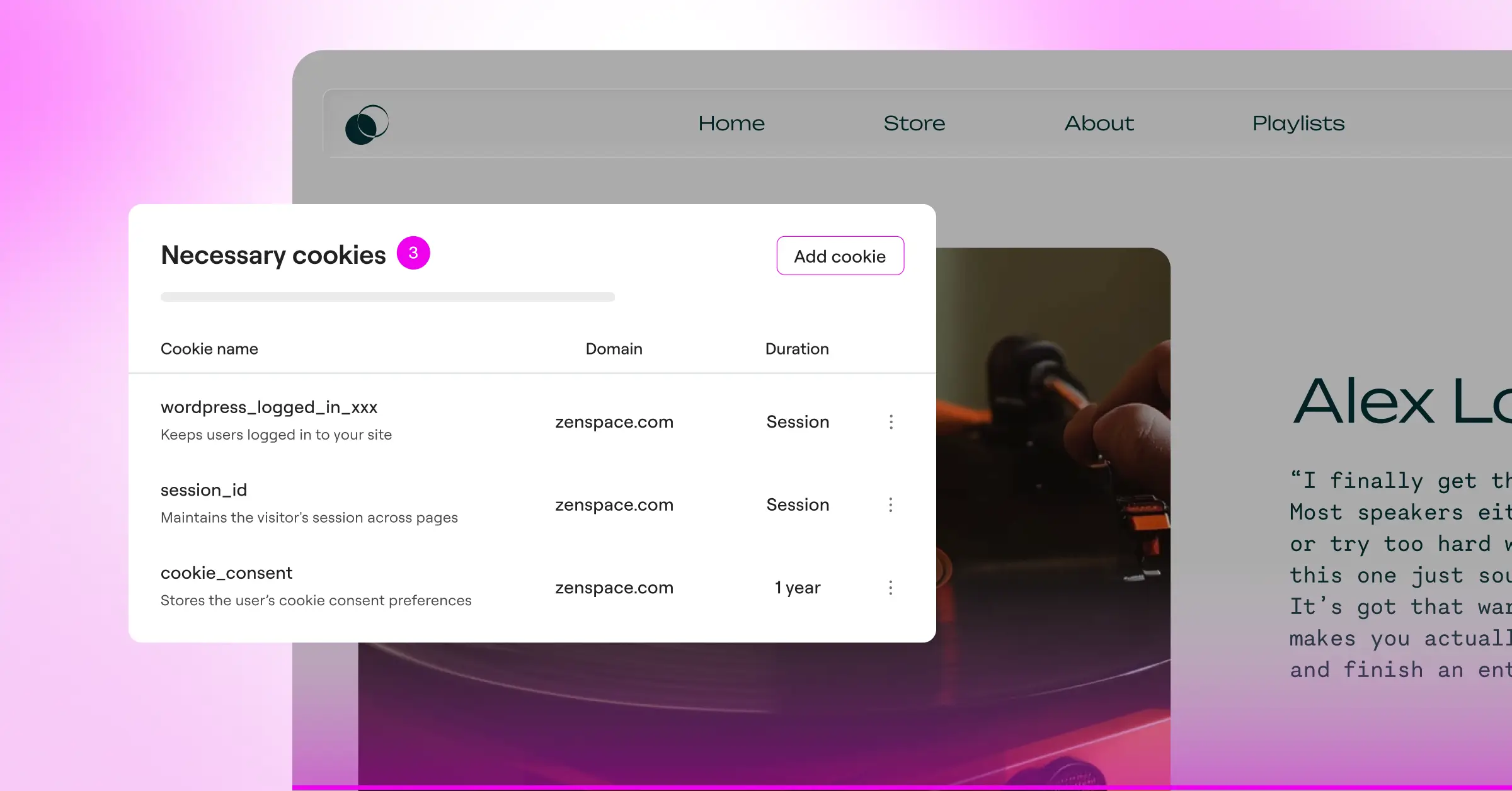
- Scans your site regularly to discover hidden trackers.
- Categorizes cookies automatically into functional, marketing, and analytical types.
- Blocks script execution before the visitor clicks “Accept”.
- Integrates with Google Consent Mode v2 to preserve your marketing data safely.
- Saves clear audit logs to prove compliance with privacy law.
- Customizes beautifully without slowing down your page load speeds.
Step-by-Step Guide to Choosing the Right Tool for Your Website
Here’s a straightforward process to help you narrow things down and pick the right compliance partner.
- Evaluate your target audience. Figure out where your visitors live. Serving people in Europe or California means you need strong geo-targeting and script blocking.
- Check your current setup. Already building with Elementor? Its native Cookie Consent capability saves configuration time and avoids tool bloat.
- Define your design requirements. Decide between a visual editor for your banner or working with form fields and custom CSS.
- Test the scanning features. Make sure your chosen tool can accurately find and catalog the trackers on your site.
- Assess your budget. Look at your monthly traffic and page count. Cloud services can get pricier as traffic grows, while native dashboard tools tend to offer more predictable pricing.
Frequently Asked Questions
Is cookie consent mandatory for all WordPress sites?
Yes, if your website has visitors from regions covered by privacy laws like the GDPR in Europe or the CCPA in California. Since almost all modern websites use basic analytics or marketing trackers, having a proper consent mechanism in place is essential for staying safe.
What happens if I don’t use a cookie consent banner?
Failing to collect proper consent can lead to financial penalties from international privacy regulators. And platforms like Google may restrict your ability to track conversions or run personalized campaigns if you don’t use compliant tools.
What is Google Consent Mode v2?
It’s a framework developed by Google that communicates your users’ privacy choices directly to services like Google Analytics and Google Ads. It adjusts how those services behave based on whether your visitor accepted or declined cookies, keeping your data accurate while respecting user choices.
How does the Cookie Consent capability keep my site fast?
Because it’s built directly into the WordPress dashboard and integrates with your existing tools, it doesn’t rely on heavy external scripts or slow third-party servers. That keeps your page load speeds high and your core web vitals healthy.
Can I customize the look of my cookie banner?
Absolutely. Most tools offer some level of customization, but the native Cookie Consent tool gives you complete visual control over fonts, colors, buttons, and layouts directly within your regular editing interface, so your banner looks like a natural part of your brand.
Do I need to hire a lawyer to write my cookie policies?
For standard blogs and small business websites, using an automated policy generator built into tools like Cookie Consent or Complianz is usually more than enough to meet standard legal requirements. That said, large enterprise sites should always have their final terms reviewed by a legal professional.
Where are consent logs stored?
It depends on the tool you choose. Some systems store logs on their own cloud servers, while native WordPress solutions like Cookie Consent keep those logs securely inside your own site’s database, giving you complete ownership and control over your compliance records.

