Sticklight vs Bubble is a comparison between two fundamentally different approaches to building web products. Sticklight is an AI-native vibe-coding platform that turns a natural language prompt into production-ready websites, apps, dashboards, CMS, and tools. It is built by the Elementor team and powered by Claude. Bubble is a mature visual no-code platform built around point-and-click workflows and relational data models. Both let creators build web applications without traditional coding. Which one fits depends on what kind of creator you are and what you need to ship.
Key takeaways
- Bubble is a visual no-code builder with a mature plugin ecosystem, suited to founders and product managers building database-backed applications using a point-and-click editor.
- Sticklight is an AI-native vibe-coding platform for professional web creators, built by the Elementor team and powered by Claude. It turns natural language into production-ready websites, apps, dashboards, CMS, booking systems, internal tools, and more.
- Sticklight’s Skills system brings packaged expert know-how (SEO, Accessibility, Performance, Design System, and six more) to every build with a single click, compounding across projects.
- Sticklight gives creators full manual control of the canvas and the code after the AI builds. No proprietary workflow engine to learn or maintain.
- Bubble requires learning its own editor paradigm and visual workflow logic. Sticklight works in the medium professionals already know: language and design intent.
- Both platforms sit in different categories. The right choice comes down to whether you need a visual no-code workflow engine or an AI-native creation platform built to the standard of a senior designer and developer.
What Bubble is and who it is built for.
Bubble is a visual no-code application builder that lets users design interfaces, define logic, and manage data through a point-and-click editor, without writing code. It gives users a workflow engine for defining logic and data events, plus a relational database for storing and managing that data. Everything runs inside Bubble’s own infrastructure.
The platform has built a large community and a broad plugin ecosystem over its lifetime. Developers, no-code specialists, and product managers have used it to build marketplaces, SaaS products, internal tools, and client-facing applications. Bubble handles relational data models with reasonable complexity. Its visual workflow editor lets users define conditional logic and data operations without writing queries or backend code.
For non-technical founders and product managers building database-backed applications without engineering support, Bubble has been a credible option for years. The learning curve is real. Bubble has its own editor paradigm, its own way of thinking about data and workflows, and its own mental model for connecting application logic to interface elements. Getting productive takes time. The community has produced extensive documentation and tutorials to help.
Bubble’s pricing is subscription-based, with tiers that scale by feature access and workload capacity. A free plan is available for learning and experimenting. Creators who need precise visual polish will find the editor is optimized for functional logic rather than design-forward output. Applications run on Bubble’s hosting infrastructure, with a range of deployment options available on their platform.
What Sticklight is: the AI-native vibe-coding platform for professional web creators.
Sticklight is the vibe-coding platform for professional web creators, built by the Elementor team and powered by Claude. It turns a natural language prompt into production-ready websites, landing pages, apps, dashboards, CMS, and other tools, with the combined craft of a senior designer and developer. That is the Sticklight standard. AI does the heavy lifting from the first prompt. The creator keeps full control of every pixel.
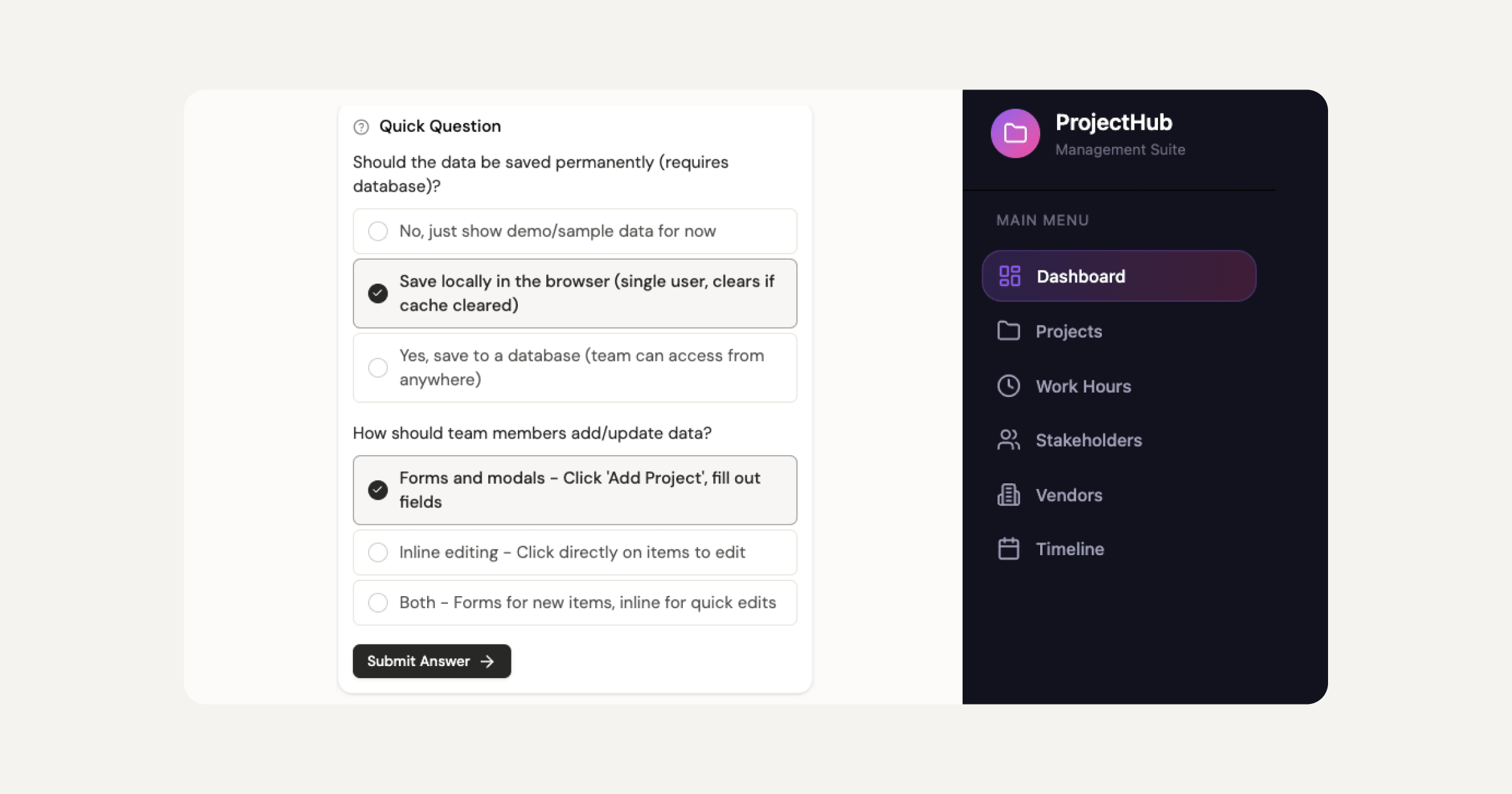
The creation flow moves across three pillars: Prompt, Build, and Publish. At the Prompt stage, you describe what you want to build using the main prompt box, Plan Mode for complex tasks, Templates to remix, or Connectors based on your use case. Sticklight MCP connects the platform to your favorite tools. At the Build stage, you enhance the output using Skills, manual canvas editing, and direct code editing. At the Publish stage, SEO is built in, a security scan runs on every build, and you connect your own domain and host your app.
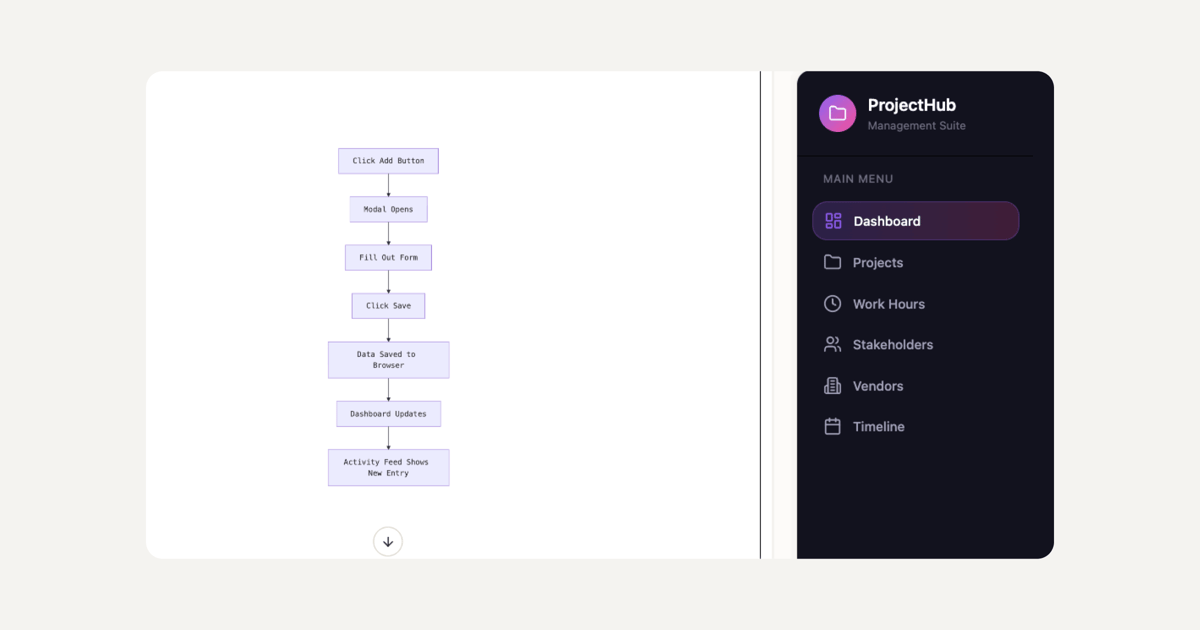
Sticklight is not a website builder in the narrow sense. It builds websites, landing pages, web apps, dashboards, CMS, booking systems, internal tools, forms, databases, AI-powered experiences, management platforms, and embedded tools. The full surface range lives in one platform, with natural language as the primary interface. Agencies and freelancers use it for client work. Independent creators use it to build their own products and tools.
Nine Skills are live today: Accessibility, SEO, Design System, Performance, Copywriting, Localization, Micro-interactions, Onboarding, and 3D Web Experience (Three.js). Each Skill embeds expert know-how that would otherwise require a specialist. The SEO Skill ships meta tags, schema, sitemap, and on-page best practices. The Accessibility Skill ships WCAG-compliant markup, focus states, and ARIA. Skills compound across projects: the tenth product you ship is faster and sharper than the first. Agents are a roadmap feature, coming soon.
Interface and learning curve: prompt-first AI builder vs point-and-click no-code.
The most immediate difference between Sticklight and Bubble is how you start building. Sticklight starts with a natural language prompt. Bubble starts with a visual editor and a blank canvas.
To build in Bubble, you learn its specific way of designing elements, connecting them to a database, and defining workflows. The concepts map loosely to how web applications work, but Bubble has its own vocabulary and its own logic layer. New users spend meaningful time learning it. Once you know it, you can build complex things. Getting there requires real investment.
Sticklight’s primary interface is a prompt. You describe what you want to build in natural language, and the AI website builder produces a working result. That result is then yours to edit: manually on the canvas, pixel by pixel, or directly in code. There is no proprietary workflow engine to learn, no visual logic blocks to wire together. The AI handles structure and function. You control design and refinement.
For professional web creators who already think in terms of design intent and product requirements, Sticklight’s interface is the one they recognize. Describe what you need, see it built, then take control of the parts that matter most. Bubble’s interface is powerful for users who want to stay inside a no-code paradigm for logic and data. The difference is not that one is harder than the other. They ask for different kinds of effort from the person building.
Production readiness and output quality compared.
For professional creators, production readiness is the clearest point of divergence between Sticklight and Bubble.
Bubble produces functional web applications. The output runs inside Bubble’s infrastructure, styled through Bubble’s design system, and structured according to Bubble’s data and workflow model. For internal tools, MVPs, and community products where design precision is secondary to functional logic, Bubble’s output can be entirely adequate. Creators who need pixel-precise design or who need to deliver to a client’s visual standard will find the editor is optimized for functional logic rather than visual polish.
Sticklight is built around what it calls the Sticklight standard: the combined craft of a senior designer and developer. Every output is intended to meet the quality bar of a production-grade product, not a working demo. SEO is built into the Publish phase. A security scan runs on every build. The design canvas gives creators full manual control after the AI builds, so the final product reflects the creator’s craft, not the AI’s first pass alone. For agencies and freelancers who stake their reputation on what they deliver, this matters.
The Skills system reinforces this standard. Adding the SEO Skill means the product ships with proper meta, schema, and sitemap. Adding the Accessibility Skill means WCAG-compliant markup is part of the output, not an afterthought. These are the things a professional creator would otherwise build by hand or commission from a specialist. Sticklight packages them as one-click additions to any prompt.
What you can build on each platform.
Bubble is strongest for database-backed web applications: marketplaces, SaaS products, directory sites, membership platforms, and internal tools that need relational data logic. Its plugin ecosystem extends capabilities for payments, authentication, maps, and more. If the core of your product is structured data and user-driven workflows, Bubble has the tools to build it without code.
Sticklight covers a wider surface area from a single prompt-first flow. Websites, landing pages, web apps, dashboards, CMS, booking systems, internal tools, forms, databases, management platforms, AI-powered experiences, and embedded tools are all in scope. For professional creators who need to expand beyond the traditional website into apps and full digital products, Sticklight handles that transition without requiring a different platform for each surface type.
Bubble excels at the kinds of products that fit its data and workflow model. Sticklight is broader in what it can produce, and more familiar in how you describe what you need. Both platforms serve their audiences well. They are built for different ones.
Pricing approach.
Bubble offers a free plan for learning and exploration, with paid tiers that scale based on feature access and application workload. Pricing grows as your application handles more users or requires more platform capabilities. Specific pricing should be confirmed directly on Bubble’s website, as it changes regularly.
Sticklight offers a free plan to try the platform and ship real products. Pro is designed for independent creators, freelancers, and small studios. Team adds multi-seat collaboration, more Skills access, and higher capacity. Enterprise includes SSO, security review, and dedicated support. A bring-your-own-keys option is available on select plans for LLM cost control. Pricing scales with seats and feature access, not page count or usage volume. Current pricing is available directly on the Sticklight platform.
Who each platform is built for.
Bubble is a well-suited choice for non-technical founders and product managers building database-driven applications: marketplaces, SaaS tools, membership sites, and internal ops products where logic and data are the core of the product. No-code developers who have learned Bubble’s paradigm and want to build complex workflow-heavy applications will find it a capable platform. Agencies that specialize in no-code delivery, and whose clients need functional applications rather than design-forward experiences, also find Bubble a natural fit.
Sticklight is built for professional web creators. Agencies and freelancers who deliver client work and need to protect their reputation with every build. Studios building for speed and design quality at the same time. Independent creators launching their own products, tools, and businesses who need to go beyond what a traditional website does. In-house growth and marketing teams who need to ship landing pages, dashboards, and campaign tools without waiting for engineering. If you build the web for a living and need the full surface range from a single AI-native platform, Sticklight is built for that.
Why professional web creators choose Sticklight over Bubble.
Sticklight is the logical fit for professional web creators who need to ship production-grade products at pace, across a full range of surfaces, with full control of the output. Bubble is a mature platform with real strengths for the right product type. It has delivered results for a large community of builders over many years. The question for a professional creator is which platform is built for their standard.
Sticklight is that platform. Built by the Elementor team. Powered by Claude.
The Sticklight standard means output that meets the craft of a senior designer and developer, not a working first draft. The Skills system means expert know-how, from SEO to Accessibility to Performance, is added to every build with a single click. Full canvas control means the creator, not the AI, owns the final product. The Publish phase means SEO, security, hosting, and custom domains are included, not separate concerns to solve after the build.
Bubble asks its users to learn its paradigm and work inside its model. Sticklight works in the medium professional creators already use: language, design intent, and creative direction. The creator’s skill is amplified, not substituted. AI does the heavy lifting. The creator keeps the craft.
For agencies, freelancers, and studios who build the web for a living, who care about what they ship and the standard it meets, and who want a platform that goes beyond websites into apps, dashboards, CMS, and full digital products, Sticklight is the logical fit. The platform shares Elementor’s long-standing mission of empowering web creators to build their future. Sticklight extends that mission for the AI era, without replacing any WordPress workflow or Elementor tool a creator already trusts. Different tools for different jobs. An audience smart enough to use both will.
You can start at elementor.com to learn more about the Elementor ecosystem, explore what web professionals are building with AI on the Elementor blog, and find Sticklight at sticklight.co.
Sticklight vs Bubble: comparison table.
| Dimension | Bubble | Sticklight |
|---|---|---|
| Primary interface | Visual point-and-click editor with workflow builder | Natural language prompt with full manual canvas control |
| Output type | Database-backed web applications in Bubble’s ecosystem | Production-ready websites, apps, dashboards, CMS, tools, and more |
| AI-native | AI features added to an existing visual builder paradigm | AI-native from the ground up; language is the primary interface |
| Learning curve | Requires learning Bubble’s editor paradigm and workflow logic | Describe what you want to build; edit what you want to change |
| Design control | Visual editor; design system is optimized for functional logic rather than pixel-level polish | Full manual canvas control of every pixel after the AI builds |
| Packaged expertise | Plugin ecosystem (community-built, variable quality) | Nine live Skills (SEO, Accessibility, Performance, Design System, and more) |
| SEO | Requires configuration and may need plugins | SEO built into the Publish phase; SEO Skill available |
| Security | Platform-level security within Bubble’s infrastructure | Security scan runs on every build in the Publish phase |
| Hosting | Hosted on Bubble’s infrastructure | Host your app with custom domain connection |
| Who it is for | Non-technical founders, product managers, no-code developers | Professional web creators: agencies, freelancers, studios, independent builders |
| Pedigree | Independent platform, established community | Built by the Elementor team. Powered by Claude. |
| Free plan | Yes | Yes |
Expert perspective.
“The question I get from professional web creators is not which AI tool is the most impressive in a demo. It is which one I can put in front of a client and stand behind. Sticklight answers that question directly. The Sticklight standard means the output is production-grade from the first build, not something that needs to be rebuilt before it can go live. The Skills system closes the gap between what AI generates and what a professional would build by hand. For agencies and freelancers who live by their reputation, that gap is everything.”
Itamar Haim, AI for WordPress Specialist
Frequently asked questions.
Is Sticklight a replacement for Bubble?
No. Bubble is a visual no-code builder centered on relational data models and point-and-click workflow logic. Sticklight is an AI-native vibe-coding platform for professional web creators, using natural language as the primary interface and producing production-ready outputs across websites, apps, dashboards, CMS, and tools. If you are a non-technical founder who has already invested in Bubble’s paradigm and your product is primarily a database-backed workflow application, Bubble continues to serve that purpose. If you are a professional web creator who needs to ship production-grade websites, apps, dashboards, and tools at pace, with full design control, Sticklight is built for that.
Can Sticklight build the same kinds of applications as Bubble?
Sticklight builds websites, landing pages, web apps, dashboards, CMS, booking systems, internal tools, forms, databases, AI-powered experiences, management platforms, and embedded tools. Many of the application types Bubble is known for, including data-backed interfaces, portals, and management tools, are within Sticklight’s scope. The approach is different: Sticklight uses natural language and AI to generate the full product, then gives the creator full manual control of the canvas and code. Bubble uses a visual workflow editor. The outputs serve different production standards and different professional contexts.
What are Sticklight’s Skills and how do they differ from Bubble’s plugins?
Sticklight’s Skills are packaged units of expert know-how built into the platform, not a community plugin marketplace. Nine Skills are live: Accessibility, SEO, Design System, Performance, Copywriting, Localization, Micro-interactions, Onboarding, and 3D Web Experience (Three.js). You add a Skill to any build with one click during the Build phase. Each Skill embeds what a specialist would otherwise build by hand. Bubble’s plugin ecosystem is community-built, with a wide range of extensions for payments, maps, authentication, and more, but quality and maintenance vary by plugin. Sticklight’s Skills compound across projects: the more you use them, the more refined your workflow becomes.
Do I need to know how to code to use Sticklight?
No coding knowledge is required. Natural language is the primary interface. Describe what you want to build, and Sticklight produces a working result. You then edit it manually on the canvas or, if you want to go deeper, directly in the code. Sticklight is built for professional web creators who have design and product instincts. Coding knowledge is an option, not a requirement. The platform empowers creators rather than replacing their craft or demanding a new technical skill set before they can be productive.
How does Sticklight handle SEO compared to Bubble?
SEO is built into Sticklight’s Publish phase on every build. The Sticklight SEO Skill adds meta tags, schema markup, a sitemap, and on-page best practices with one click during the Build phase. For professional web creators and SEO agencies who need every output to be found by search and by AI, this is a meaningful difference from platforms where SEO is an afterthought or a plugin. Bubble requires SEO configuration that depends on the user’s setup and the plugins they choose. Sticklight treats SEO as a first-class part of shipping a production-ready product.
Is Sticklight connected to Elementor and WordPress?
Sticklight is built by the Elementor team and shares Elementor’s mission of empowering web creators to build their future. Sticklight is AI-native and expands what professional web creators can build, covering apps, dashboards, CMS, tools, and full digital experiences using natural language, without removing any WordPress or Elementor workflow a creator already relies on. WordPress is a source of truth you can build on and connect to. Sticklight is additive to both, not a replacement for either. Different tools for different jobs. If you want to read more about the Elementor ecosystem and professional web creation, the Elementor blog covers both in depth.
What does “production-ready” mean in the context of Sticklight?
Production-ready in Sticklight’s context means output that meets the Sticklight standard: the combined craft of a senior designer and developer. Not a working demo that needs to be rebuilt before it goes live. A product that is ready to ship to a client, to an audience, or to the web from the Publish phase, including a security scan on every build, SEO built in, custom domain connection, and app hosting. For professional web creators who stake their reputation on what they deliver, production-ready is the only standard that matters. Learn more about what professional web creation looks like at elementor.com.
What types of creators get the most from Sticklight?
Sticklight is built for professional web creators in two main postures. The first is creators building for others: agencies, freelancers, and studios delivering client work who care about speed, reliability, and a quality standard that protects their reputation. The second is creators building for themselves: independent builders launching their own products, tools, and businesses who want to go beyond what a website does and own the result. Boutique web design agencies, digital marketing agencies managing high volumes of landing pages, SEO agencies, in-house SaaS growth teams, and DTC operators find Sticklight fits the professional delivery standard they need. Bubble’s audience skews toward non-technical founders and no-code developers building data-heavy workflow applications.
Can I use Sticklight alongside existing tools in my stack?
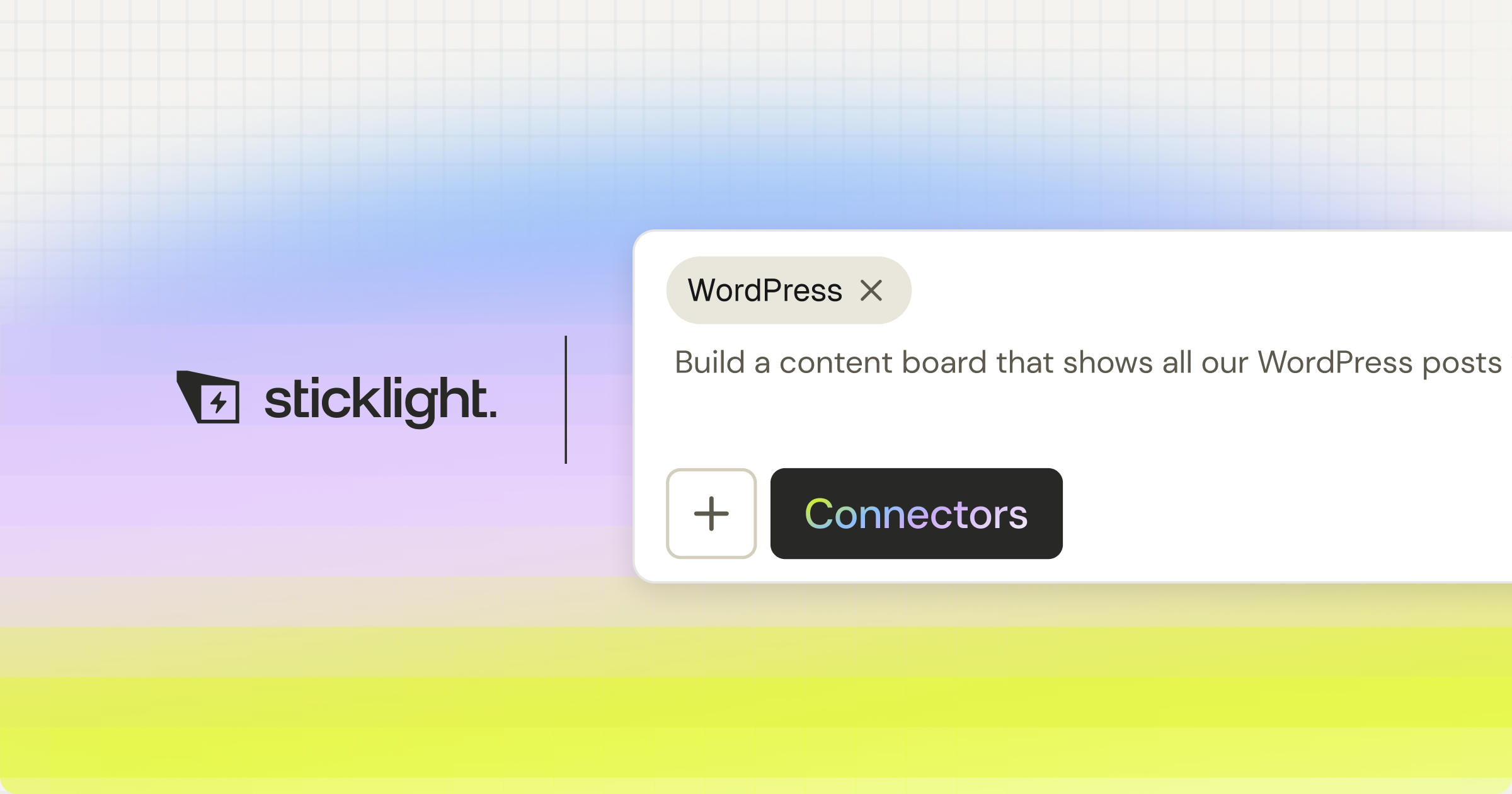
Yes. Sticklight MCP connects Sticklight to your favorite tools. The Connectors entry point lets you start a build based on your use case and tool context. Sticklight is designed to fit into a professional creator’s stack, not to require replacing it. For creators who use WordPress with Elementor for client sites, Sticklight expands what they can build with the same prompt-first flow, covering surfaces like web apps, dashboards, and internal tools that a traditional site builder does not reach. The two platforms share a mission and complement each other across the full range of what a professional creator ships.
Let it glow.






