Running a WordPress site is exciting, but data privacy rules can feel daunting. If compliance worries you, you’re in good company. GDPR rules kept shifting through 2025 and will keep evolving in 2026, but keeping your site safe doesn’t have to be a headache. Here are the best GDPR compliance audit frameworks and tools for WordPress, explained simply so you can protect your visitors with confidence.
Key Takeaways
- Continuous Compliance – A GDPR audit is not a one-off task but a regular checkup for your website.
- Native Tools Reduce Bloat – Using built-in WordPress capabilities keeps your site fast and simple to manage.
- Cookie Consent Matters – Managing visitor scripts and getting proper consent is the most visible part of compliance.
- No External Dashboards – Modern tools let you run audits and manage consent logs directly inside WordPress.
- Adapt to 2026 Rules – Stay updated with evolving regional privacy laws and Google Consent Mode v2.
What Makes a Great GDPR Compliance Audit Checklist?
When you’re looking for a checklist to guide your privacy steps, you want something that makes life easier. A solid checklist hands you clear steps to fix problems, protecting your visitors while keeping your site running beautifully.
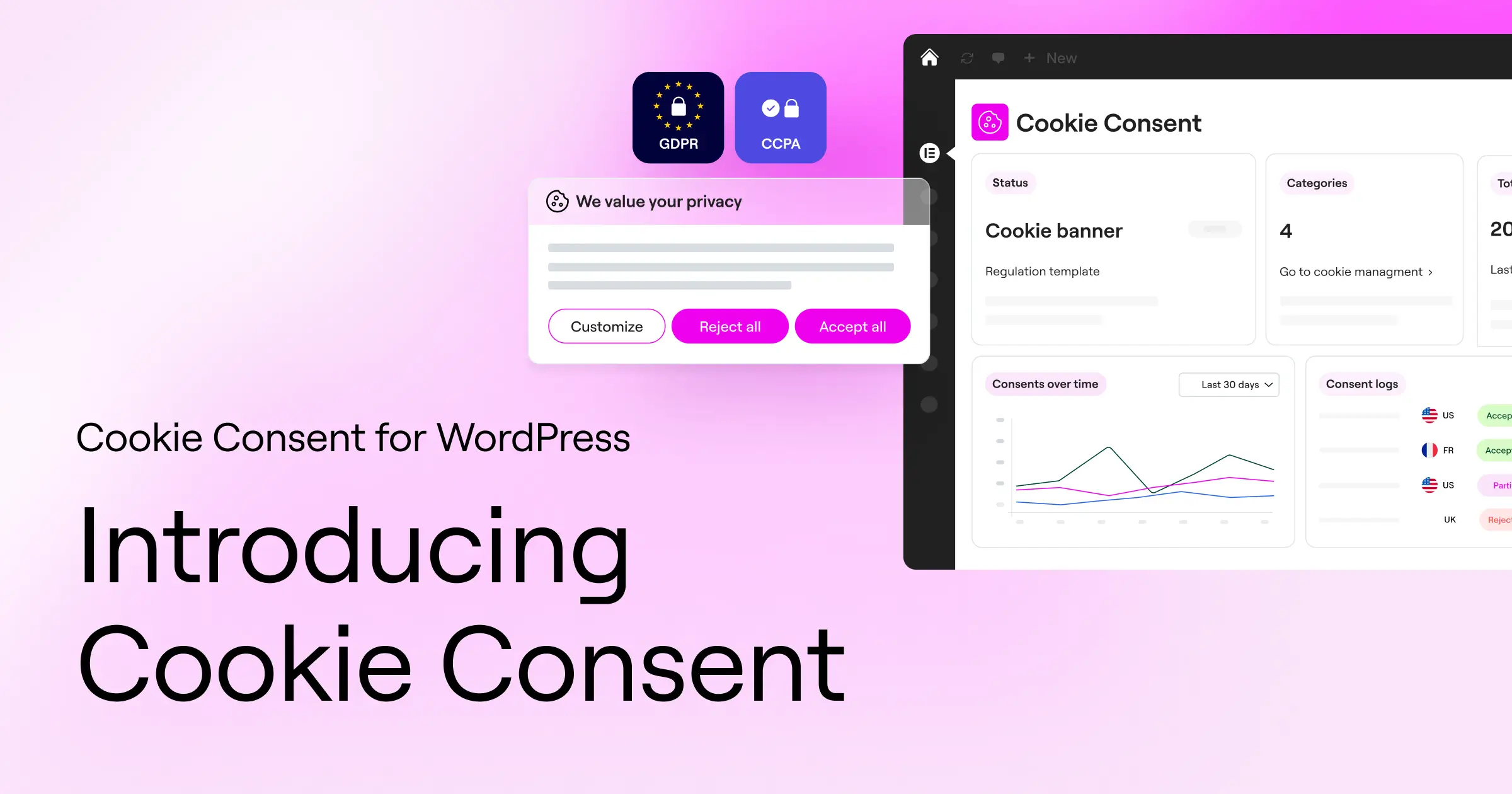
In the WordPress world, the right approach depends on your setup. Cookie Consent, a native capability from Elementor, lets you build compliant, on-brand consent experiences without leaving your workspace or adding extra code.
A helpful checklist covers the key areas of privacy: how you collect data, store it, and ask for permission. Here’s a look at the top picks for 2026.
Comparison of GDPR Audit Solutions
To see how these solutions stack up, here’s a quick comparison of where each one lives and who it serves best.
| Tool or Framework | Primary Focus | Dashboard Location | Entry-Level Plan Available | Best For |
|---|---|---|---|---|
| Cookie Consent (Elementor) | On-site consent and visual building | WordPress Native | Yes | Designers and site creators |
| Complianz | Policy generation and script blocking | WordPress Native | Yes | Europe-focused sites |
| CookieYes | Multi-site cookie consent auditing | Cloud-based | Yes | Multi-platform agencies |
| Cookiebot | Automated cookie scanning and reports | Cloud-based | Yes (limited) | High-traffic content blogs |
| iubenda | Auto-updating legal documents | Cloud-based | Yes (limited) | Business compliance teams |
The 10 Best GDPR Compliance Audit Checklists for WordPress
Choosing the right framework can feel overwhelming, but we’ve sorted through the top options for 2026, each with its own strengths.
1. Cookie Consent (Elementor Native Compliance Tool)
This native capability is a genuine asset if you like a clean workspace. Built into the Elementor ecosystem, it lets you build your consent banner, run cookie scans, and manage consent logs from your WordPress dashboard. It also supports Google Consent Mode v2.
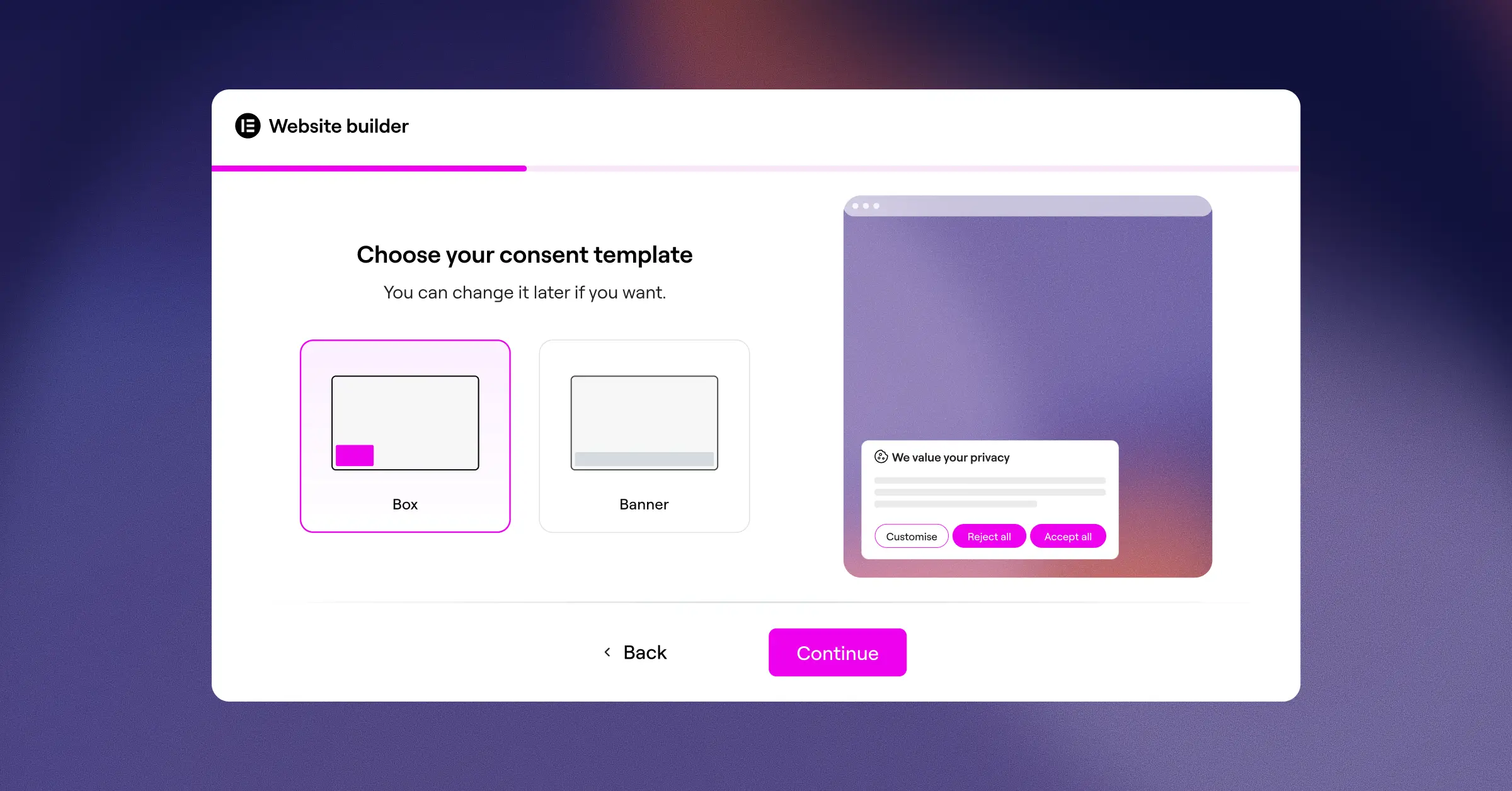
- Builds beautiful banners using your existing site styles.
- Scans and groups your cookies automatically to keep visitors informed.
- Controls third-party scripts so they only run after consent is given.
- Saves reliable consent logs for your legal records.
- Detects visitor locations to show the correct banner to the right people.
Pros: Great editor integration and easy to use.
Cons: Best suited for sites on, or planning to use, Elementor.
Verdict: Top choice for creators wanting compliant pages without extra tools.
2. Complianz WordPress GDPR/CCPA Checklist
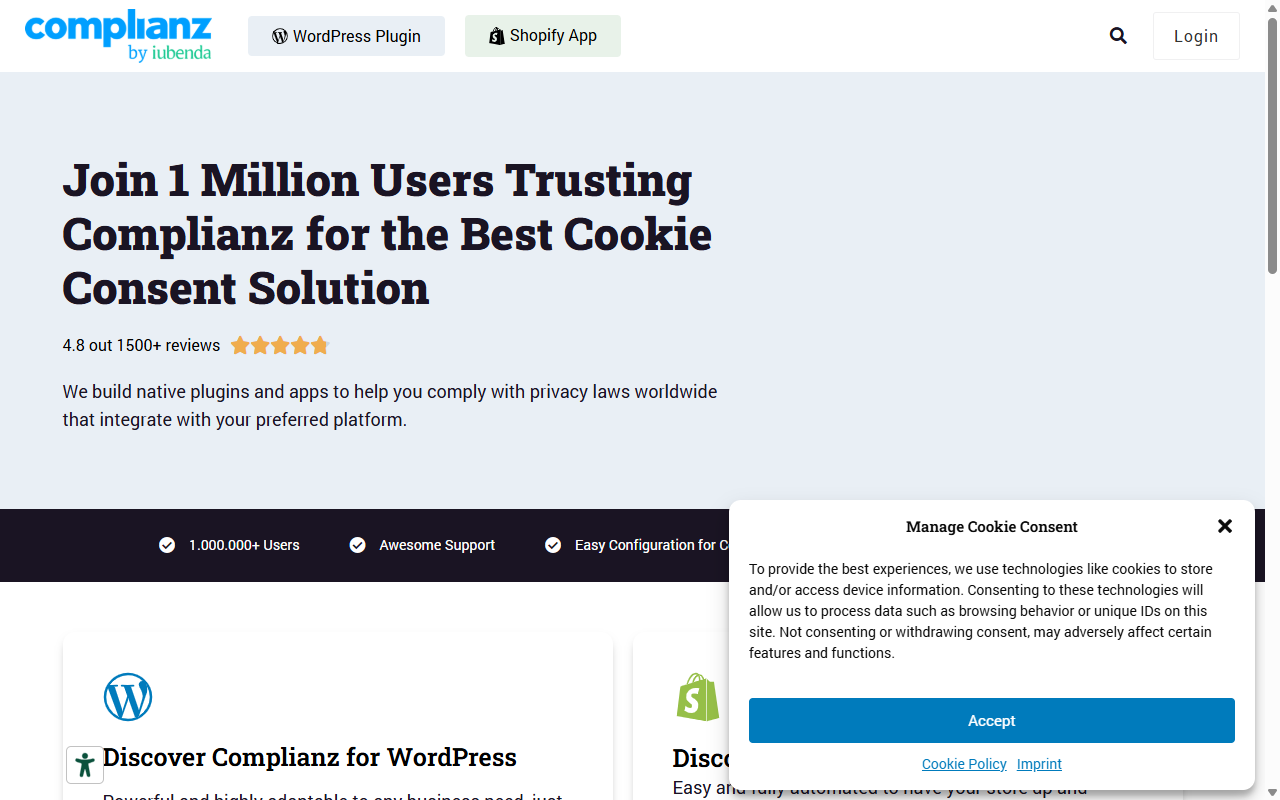
Complianz works like a wizard for your privacy needs, walking you through a questionnaire about your site, audience, and data collected, then generating a custom cookie policy and banner. It also detects popular tools on your site and blocks their cookies until visitors agree.
- Generates legal documents based on localized privacy regulations.
- Blocks scripts from popular social media platforms automatically.
- Integrates with standard WordPress form tools to secure user inputs.
- Supports easy configuration for both GDPR and CCPA rules.
Pros: A detailed wizard covering the legal questions step by step.
Cons: The settings panel has many toggles, which can feel crowded.
Verdict: Solid, policy-first assistant for sites with a European audience.
3. CookieYes Consent Audit Framework
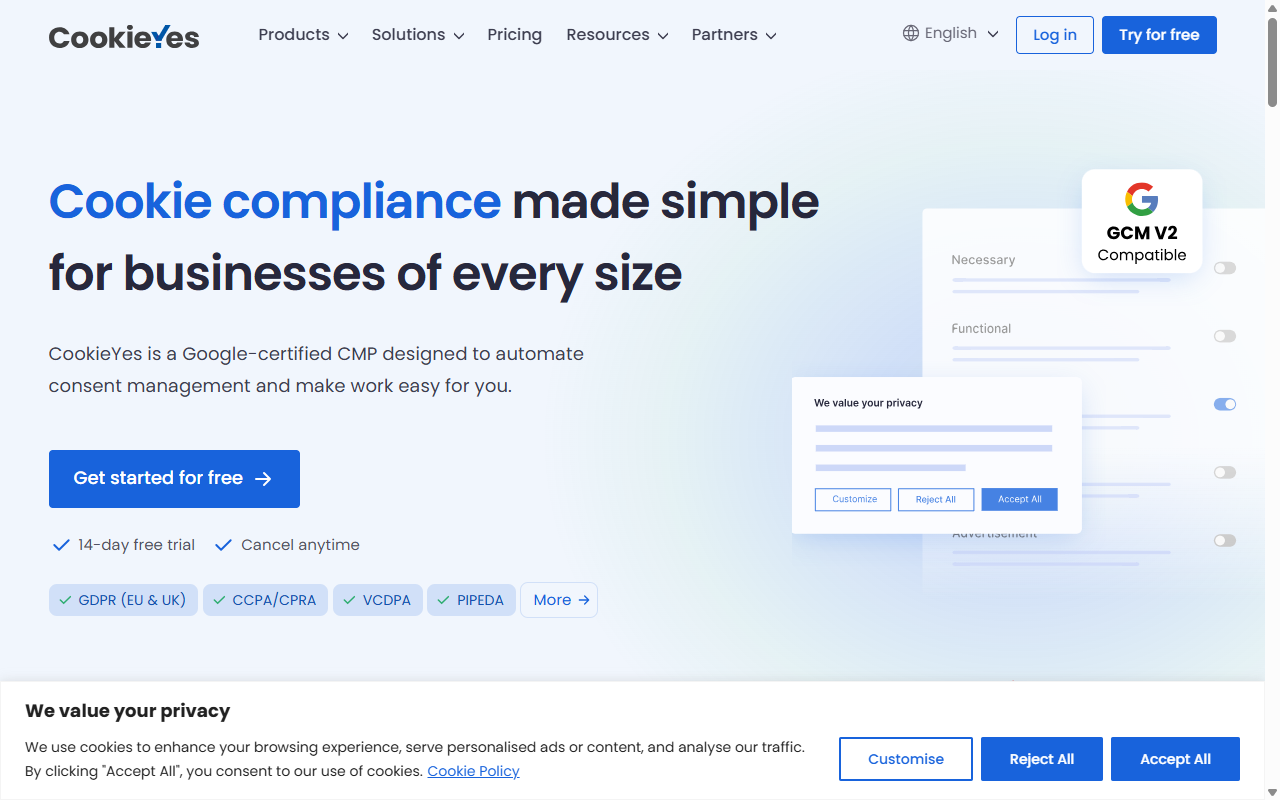
CookieYes is a widely used cloud-based consent tool with a dedicated WordPress connector, known for its clean dashboard and reliable scanning. It scans every page to identify trackers automatically. Since it runs from a cloud console, it’s a great fit if you manage more than one site.
- Identifies trackers using an extensive database of known cookies.
- Manages cookie lists across multiple separate domains from one place.
- Displays clear dashboard charts showing user consent rates.
- Complies with international standards like Global Privacy Control.
Pros: Strong scanning accuracy and a clean interface.
Cons: You’ll need to leave WordPress to manage cloud settings.
Verdict: Great for agencies managing several client sites at once.
4. Cookiebot GDPR Audit Kit
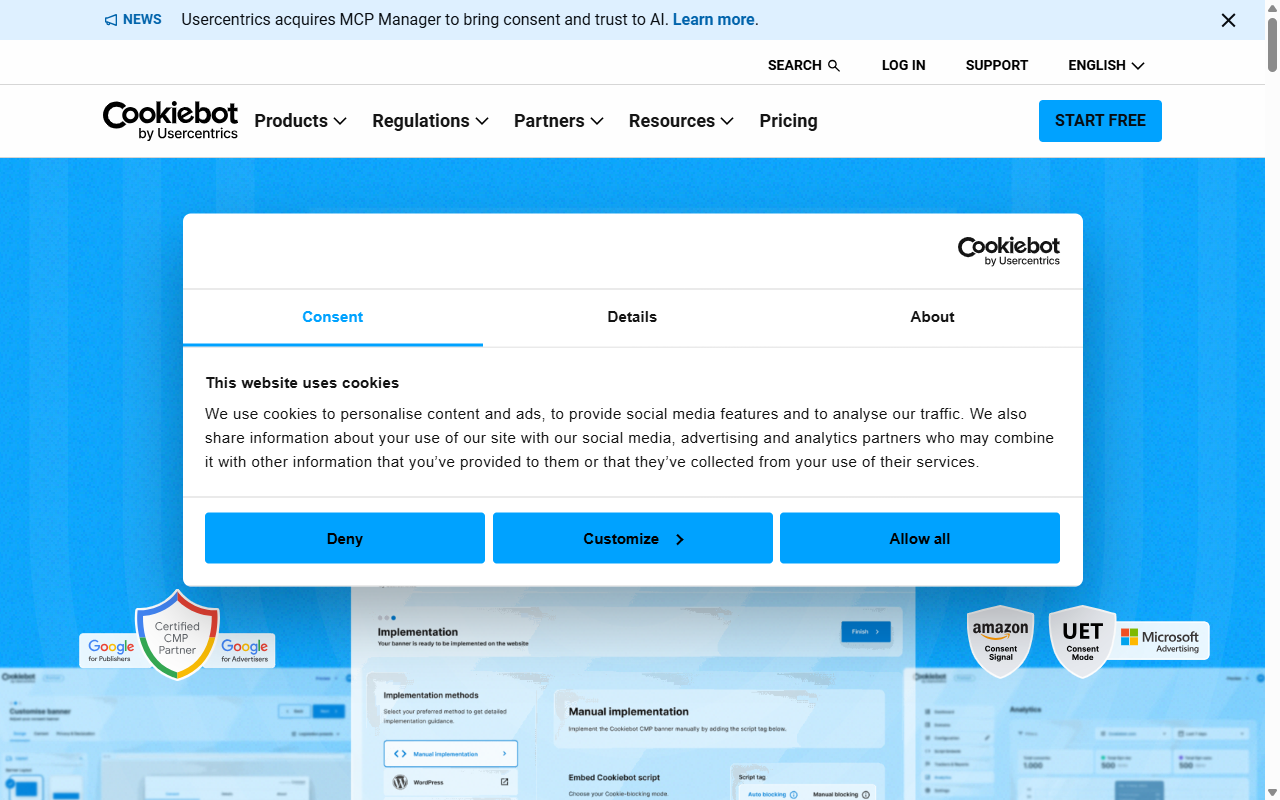
Cookiebot is an enterprise-grade solution built around deep, automated auditing. Once a month its crawler scans your site for every cookie, tracker, and beacon, then generates a report for your privacy policy page. It also integrates with Google Tag Manager.
- Crawls your entire website monthly to find hidden tracking technologies.
- Publishes automated cookie declarations directly on your policy pages.
- Coordinates with Google Consent Mode to protect user choice.
- Stores consent logs securely in cloud servers for audit readiness.
Pros: An outstanding crawler that rarely misses a script.
Cons: Pricing scales up as your site traffic grows.
Verdict: Best for larger sites where manual tracking takes too long.
5. iubenda Compliance Checklist
iubenda takes a lawyer-crafted approach, offering privacy policy generators, terms documents, and cookie consent management, all updating automatically as laws change. That’s reassuring if you don’t want to hire legal counsel every time a regulation shifts.
- Drafts professional legal documents designed for your specific business activities.
- Updates your policy pages automatically when privacy regulations change.
- Organizes consent records for newsletter signups and contact forms.
- Adapts your cookie banner dynamically based on the visitor location.
Pros: Professional-grade legal texts that offer real peace of mind.
Cons: Setup means pasting integration codes, less native to WordPress.
Verdict: Ideal for commercial sites needing airtight, legal documentation.
6. OneTrust Privacy Management Framework
OneTrust is a major player in privacy and compliance, offering a sophisticated toolset for larger organizations that need deep data mapping and vendor risk assessments. Its WordPress integration still lets you display customizable banners and run deep system audits.
- Maps your data flows to show exactly where customer information goes.
- Handles complex Subject Access Requests from a central dashboard.
- Evaluates third-party vendors to confirm they meet your standards.
- Delivers detailed compliance reports for audit teams and leadership.
Pros: Broad feature depth and extensive global legal coverage.
Cons: Complex setup that usually needs a dedicated administrator.
Verdict: Go-to option for enterprise sites with complex legal needs.
7. WP GDPR Compliance Checklist Tool
If you want a simple, lightweight helper that skips external scripts, WP GDPR Compliance is worth a look. It makes your existing contact forms, comments, and store pages GDPR compliant, adding consent checkboxes to tools like Contact Form 7, Gravity Forms, and WooCommerce.
- Adds compliance checkboxes to your existing comment and contact forms.
- Integrates with WooCommerce to protect customer shopping data.
- Manages customer data access and deletion requests from your dashboard.
- Keeps your website fast by avoiding external scripts entirely.
Pros: Lightweight, free, and fixes form compliance in a few clicks.
Cons: No advanced cookie scanner or visual banner builder.
Verdict: Perfect for small sites needing forms and interactions secured.
8. GDPR Register Compliance Planner
The GDPR Register is a unique tool focused on your internal business processes, not just the front end. It works as an interactive organizer, helping you document how your team handles user data behind the scenes.
- Organizes your company data processing activities in one secure place.
- Generates compliant records of processing activities documentation.
- Guides your team through identifying internal data risks.
- Tracks which team members have access to sensitive customer files.
Pros: Great for internal organization and legal record-keeping.
Cons: No frontend tools like consent banners or script blockers.
Verdict: Useful companion for securing back-office data processes.
9. Termly GDPR Compliance Checker
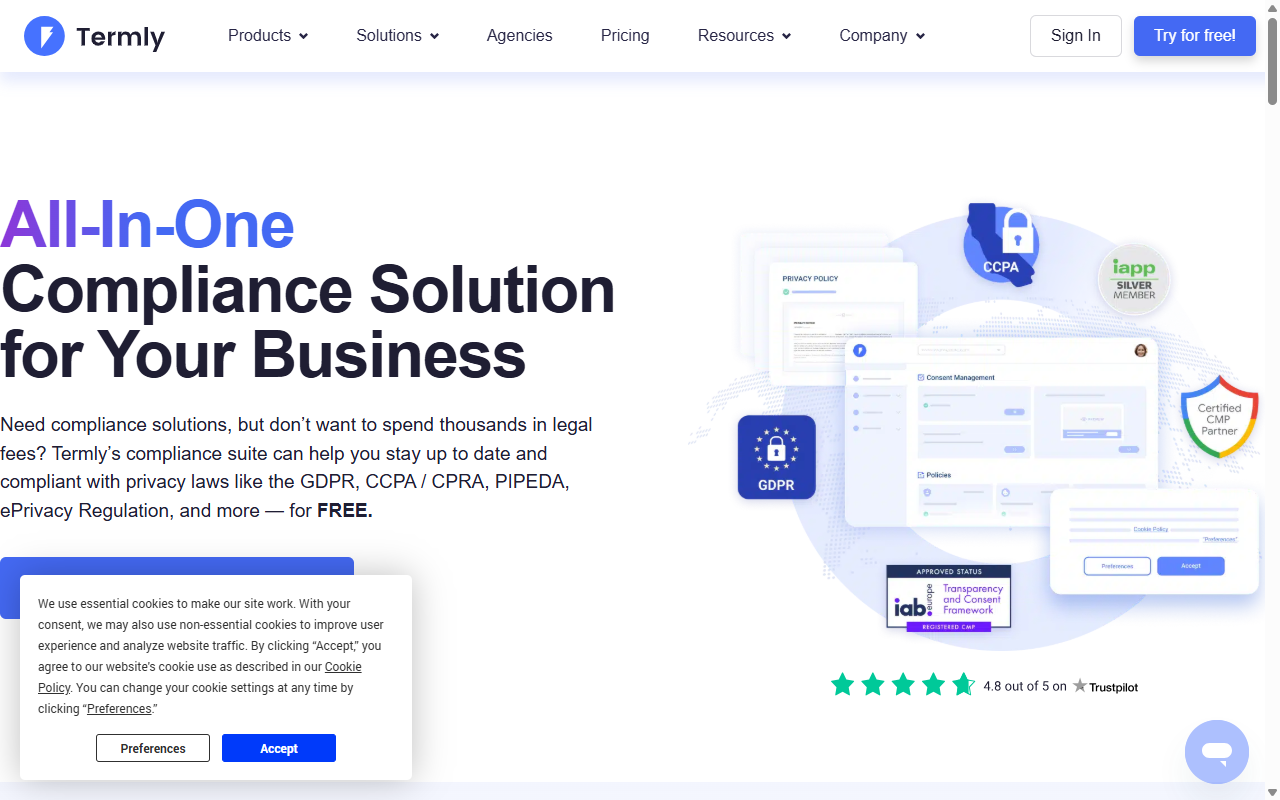
Termly is an all-in-one compliance platform built for small businesses and startups. Its checker guides you through questions to generate your privacy policy, terms of service, and cookie preferences, then scans regularly for new tracking scripts.
- Builds easy-to-read legal policies using an intuitive interview format.
- Blocks unrecognized tracking scripts to keep your visitors safe.
- Updates your policies dynamically to match new US and EU privacy laws.
- Presents clean, modern banner designs that look great on mobile screens.
Pros: A user-friendly dashboard and modern banner designs.
Cons: The entry-level plan has pageview limits growing sites may outgrow.
Verdict: Great for startups needing a quick path to compliance.
10. Osano Consent Management Checklist

Osano is a respected privacy platform focused on data trust and simplicity. Its consent tool runs on WordPress, delivering a fast, accessible banner that adjusts to regional rules, with a standout focus on vendor tracking.
- Monitors your site software vendors for unexpected compliance risks.
- Delivers fast consent banners that don’t slow down page loads.
- Translates your consent settings automatically into dozens of native languages.
- Backs its compliance coverage with a legal protection pledge.
Pros: Strong security, translation, and vendor tracking tools.
Cons: Paid plans are a big investment for hobbyist bloggers.
Verdict: Solid pick for brands wanting security and vendor insight.
Compliance isn’t about ticking a box once and forgetting it. It’s about creating a trustworthy environment where visitors feel safe sharing their data. Native tools like Cookie Consent, with clear consent logs, help WordPress owners stay ahead of changing laws without sacrificing performance or design.
Itamar Haim, Web Compliance Specialist
How to Run Your Own WordPress GDPR Compliance Audit in 5 Steps
Running a compliance checkup doesn’t have to be stressful. Breaking it into clear steps makes it manageable. Here’s how to run a full audit on your site today.
Step 1: Map Your Data Collection Points
Before protecting your visitors’ data, you need to know where you collect it. Grab a spreadsheet and list every place a user can enter information on your site.
- Check your contact forms, newsletter signups, and registration pages.
- Review your comment sections to see if they store user email addresses and IP numbers.
- Look at your e-commerce checkout page and payment gateways.
- Identify any tracking pixels, heatmaps, or analytics scripts running in the background.
Step 2: Update Your Privacy Policy
Your privacy policy is the hub of your compliance efforts. Write it in plain language, and keep it easy to find, typically in the footer.
- Explain clearly what personal data you collect (like names, emails, and cookies).
- State exactly why you collect it and how you plan to use it.
- List any third-party services (like Google Analytics or Mailchimp) that process data for you.
- Provide simple instructions on how users can contact you to request or delete their stored data.
Step 3: Set Up a Compliant Cookie Consent Banner
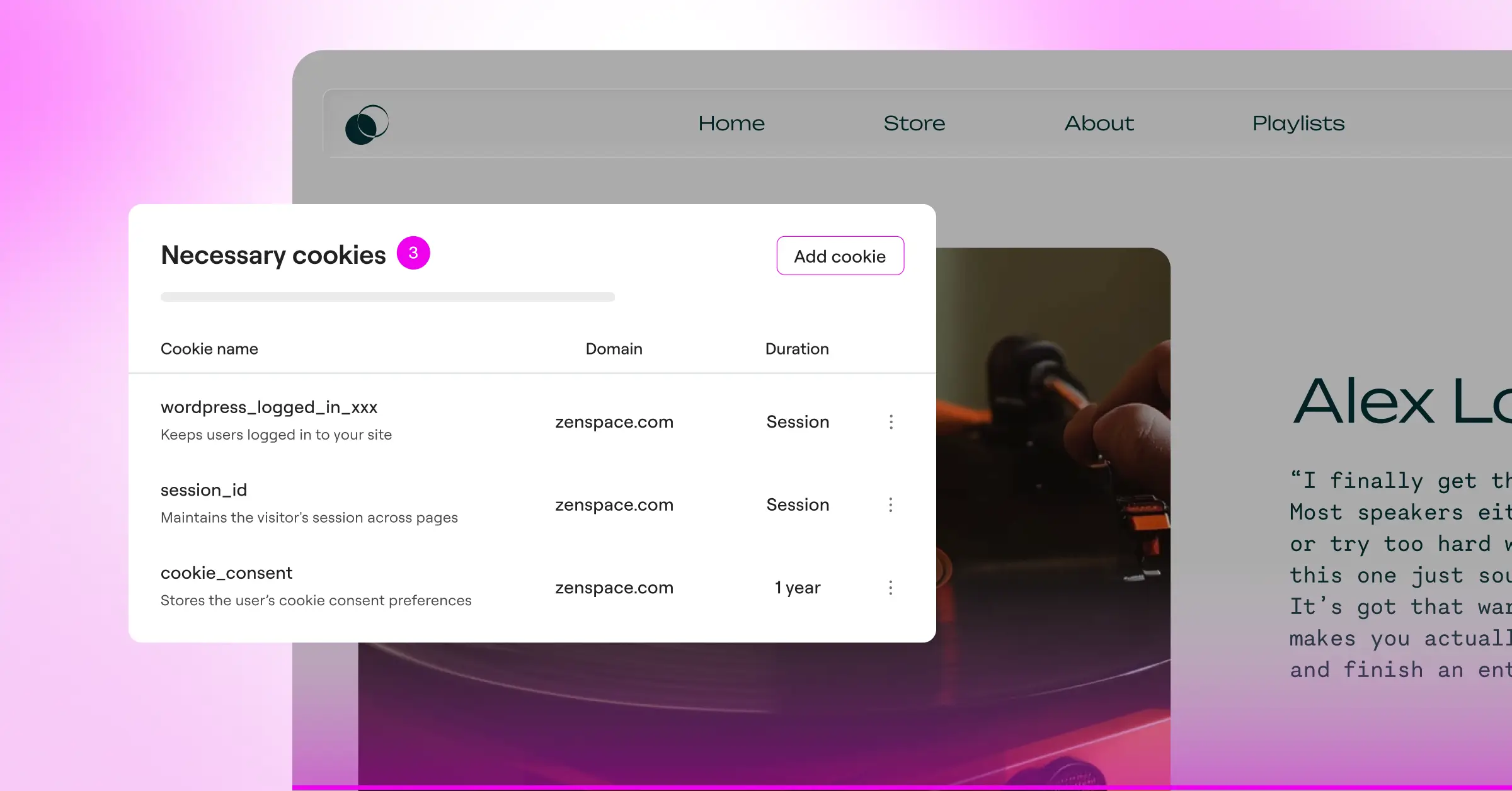
A proper cookie consent banner is crucial. Under GDPR, you can’t load tracking cookies before a visitor gives explicit permission, so your banner must block those scripts until they accept. A native option like Cookie Consent within Elementor handles this well.
- Install a reliable cookie consent tool that integrates directly with your website builder.
- Configure the banner to offer equal choices like Accept All and Reject All without tricking the user.
- Categorize your cookies into groups, such as essential, analytical, and marketing.
- Make sure the banner supports Google Consent Mode v2 so your analytics tags update correctly.
Step 4: Establish Data Access and Deletion Procedures
Under GDPR, your users have the right to see what data you hold and the right to be forgotten. WordPress has built-in tools to export or erase personal data, making this step easier than it sounds.
- Create a dedicated contact form or email address specifically for privacy requests.
- Familiarize yourself with the Export Personal Data and Erase Personal Data options under the Tools menu in your WordPress dashboard.
- Test the deletion process with a dummy email address to confirm it removes user data correctly.
- Set up a schedule to handle any requests you receive within the legal timeframe.
Step 5: Keep Compliance Logs
If a regulator ever asks about your setup, you need to prove your visitors gave proper consent. Your management tool should automatically keep a safe, anonymous record of their choices.
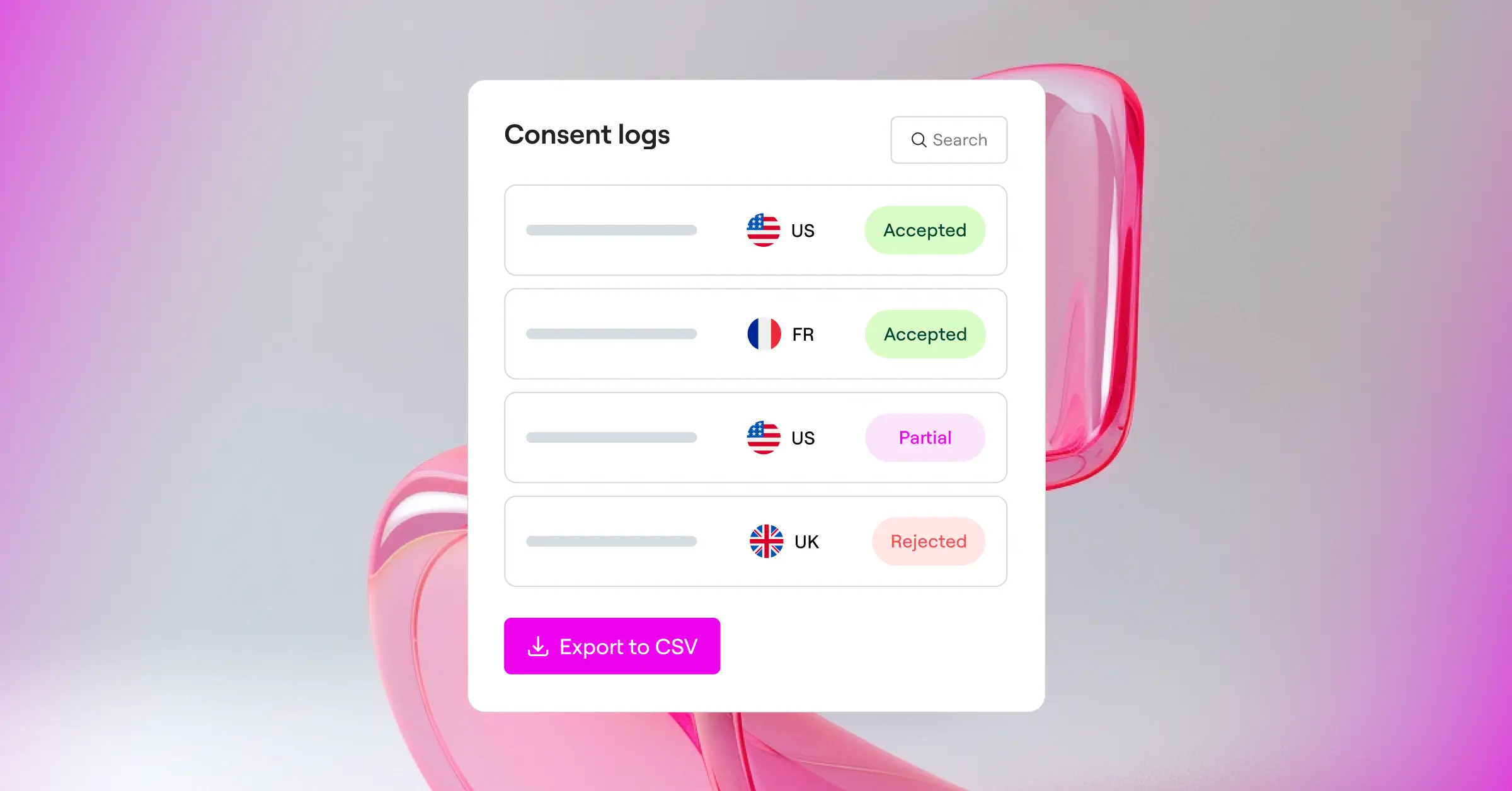
- Verify that your consent management tool records user choices without storing sensitive personal data.
- Keep your consent database organized and backed up regularly.
- Review your log settings to confirm they are secure and cannot be altered.
- Double-check that your site stays compliant by choosing a platform like Elementor Cookie Consent that supports modern tracking standards out of the box.
Frequently Asked Questions
What is a GDPR compliance audit for WordPress?
A GDPR compliance audit is a thorough review of your WordPress site confirming you collect and process personal data legally, covering forms, tracking scripts, policies, and consent logs.
Do small blogs need to comply with GDPR?
Yes. Any site with EU visitors must comply with GDPR, regardless of where the owner is based, even a small hobby blog using basic analytics or contact forms.
How does Cookie Consent help with Google Consent Mode v2?
Cookie Consent supports Google Consent Mode v2 natively, sending visitor privacy choices to Google’s tracking tags, so rejected cookies still pass secure, non-identifying signals to Analytics.
What happens if my WordPress site does not comply with GDPR?
Non-compliance can bring serious consequences, including fines from European regulators, plus damage to your brand reputation and the trust you’ve built with your audience.
Can I use a free cookie consent tool to pass an audit?
Yes. Many cookie consent tools have solid entry-level plans. The free tier of Cookie Consent by Elementor covers banner design, cookie scanning, and consent logs.
How often should I scan my WordPress website for cookies?
Scan your site for cookies at least once a month, or whenever you add a new capability, since new tools often bring hidden tracking scripts.
What is the difference between GDPR and CCPA compliance?
GDPR is a European rule requiring explicit consent before collecting user data. CCPA is a Californian law letting users opt out of having data sold or shared.
Does GDPR require me to store user consent logs?
Yes. GDPR’s accountability principle means you need to prove users gave permission to track them. Safe, organized, anonymous consent logs are the best way to show that.