Running a small business website and privacy law can feel like an odd pair, especially once CCPA enters the picture. Good news: it’s more manageable than it looks. We’ve rounded up the best CCPA compliance guides and checklists for 2026, so you can get your site sorted without a headache. Whether you’re starting from scratch or hunting for the right tool, you’re in the right place. Let’s get your site safer, build real trust with visitors, and keep regulators happy while you run your business.
Key Takeaways
- CCPA applies to plenty of small businesses that collect, share, or sell California residents’ personal data, even remotely.
- A clear privacy policy and an easy opt-out mechanism are the two pillars of a compliant site.
- Native tools in your website builder save hours of setup and skip extra external dashboards.
- Regular cookie scanning keeps your scripts and trackers in check, so you never share data without consent.
- Step-by-step checklists are the safest way to avoid missing a compliance deadline.
Why CCPA Compliance Matters for Your Small Business in 2026
You might run a cozy boutique or a local service business and figure big privacy laws don’t apply to you. But if your site draws California visitors, compliance is worth thinking about. The CCPA gives consumers more control over their personal information, covering everything from email addresses and IP numbers to browsing history and shopping preferences.
Regulators have stepped up enforcement, and getting this wrong can be stressful for a growing business. But it’s not only about avoiding trouble, it’s also a chance to build real trust, since visitors who see you respect their data feel safer buying from you. In 2026, privacy is less a chore and more part of good customer service.
What Makes a Great CCPA Guide or Tool?
When you’re shopping for advice or software, dry jargon that needs a law degree isn’t much help. What you want are practical steps you can knock out on a quiet afternoon. A genuinely useful guide or tool gives you:
- Clear, everyday language that spells out what to do on your pages.
- Practical checklists you can tick off as you go.
- Automated features, like cookie scanning, that do the heavy lifting.
- Customizable templates so your privacy notices match your brand.
- Smooth integration with your platform, so you avoid messy code.
With that in mind, here are ten of the best CCPA compliance guides, checklists, and tools for small businesses right now.
The 10 Best CCPA Compliance Guides & Checklists
1. Elementor Cookie Consent
If you build your site with Elementor, you’re already in good shape. The native Cookie Consent capability sits right inside your WordPress dashboard, so there’s no jumping to outside sites or wrestling with third-party scripts. You can build cookie banners that match your site’s look while staying fully compliant with CCPA and GDPR.
The three-step setup takes under five minutes, so you get peace of mind almost right away, no developer required. And since it’s part of Elementor, you manage consent logs, design templates, and geo-targeting from the same dashboard you already use.
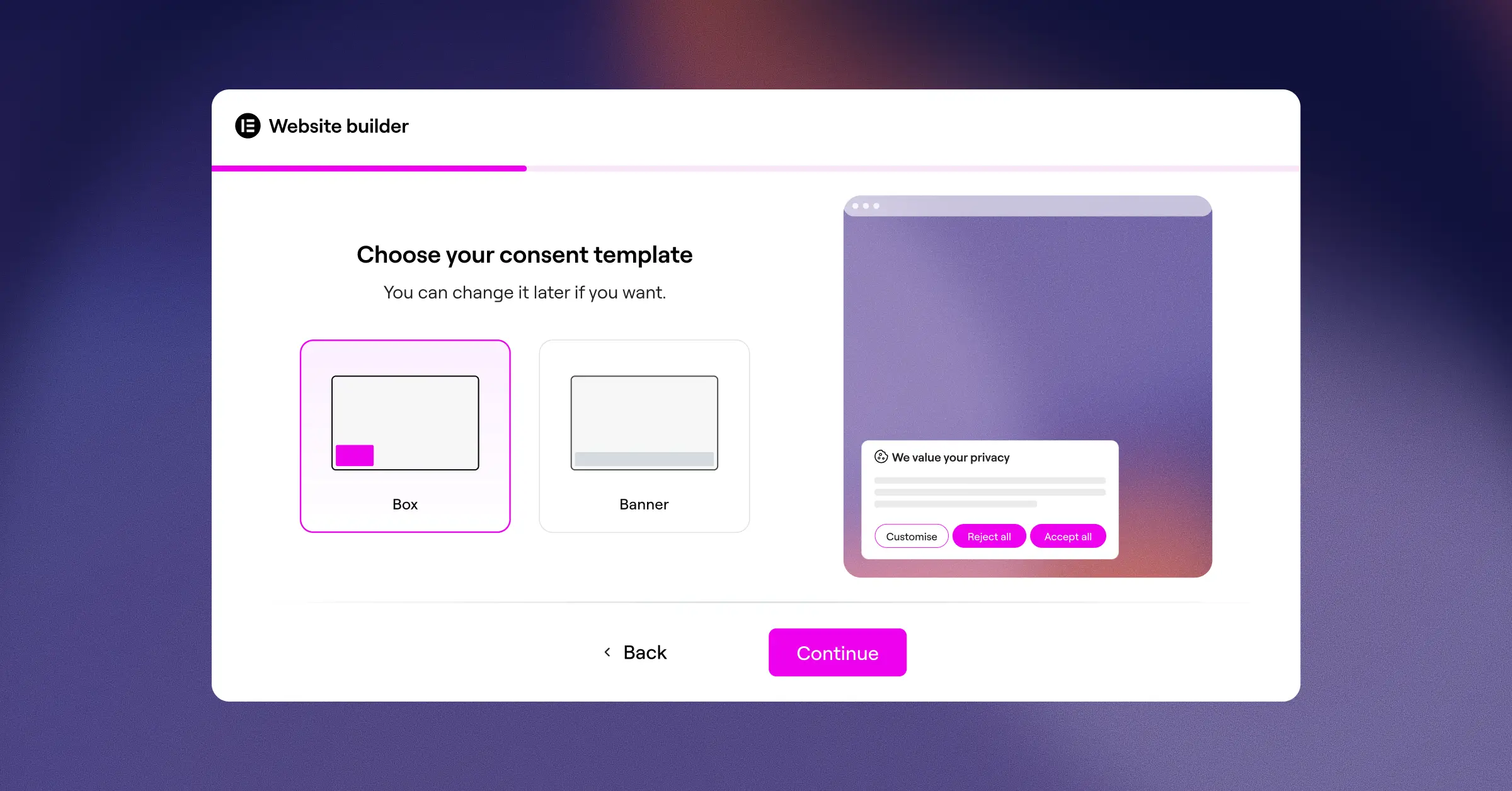
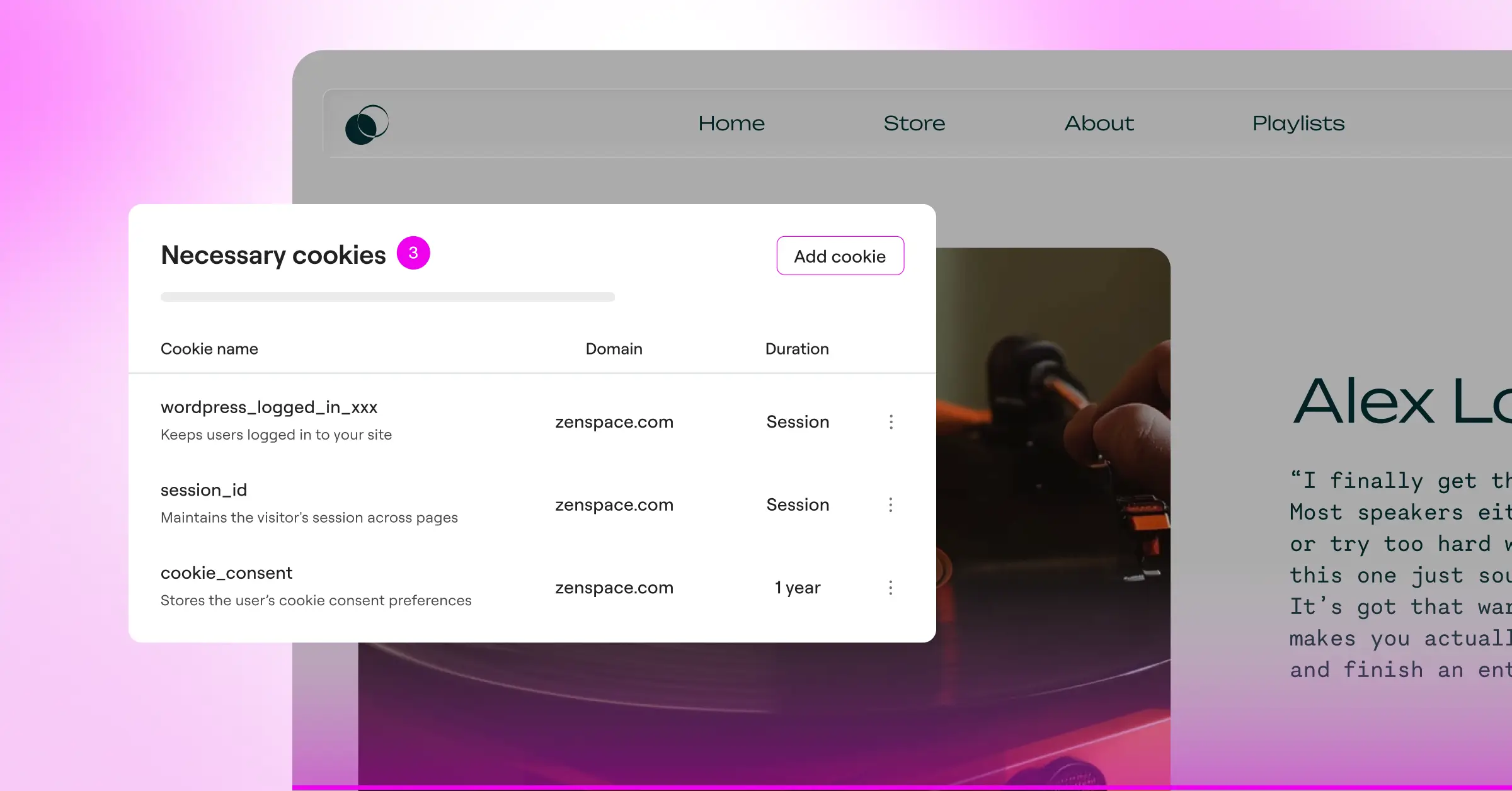
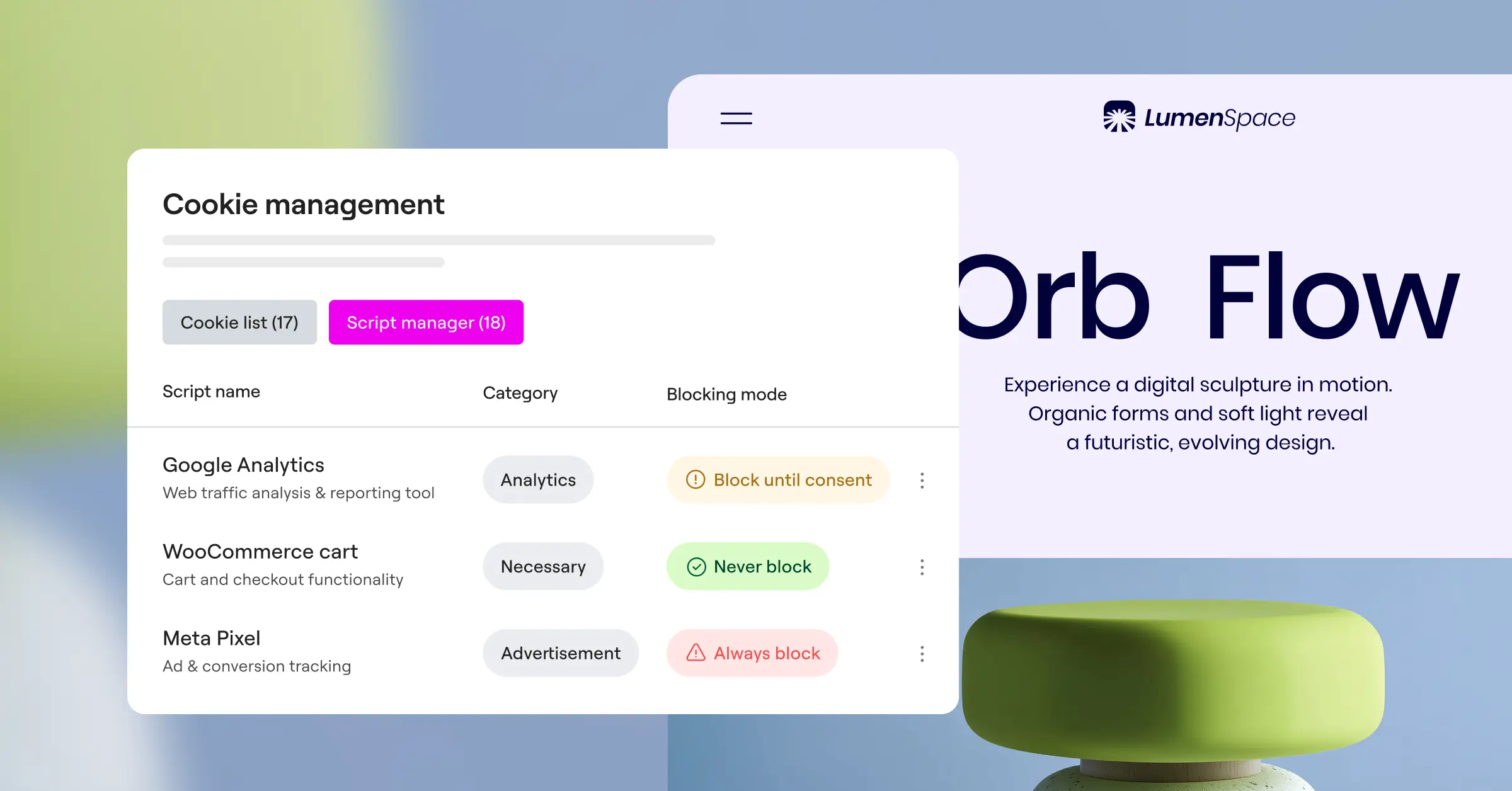
- Scans and sorts your site’s cookies automatically.
- Builds on-brand consent banners using your site styles.
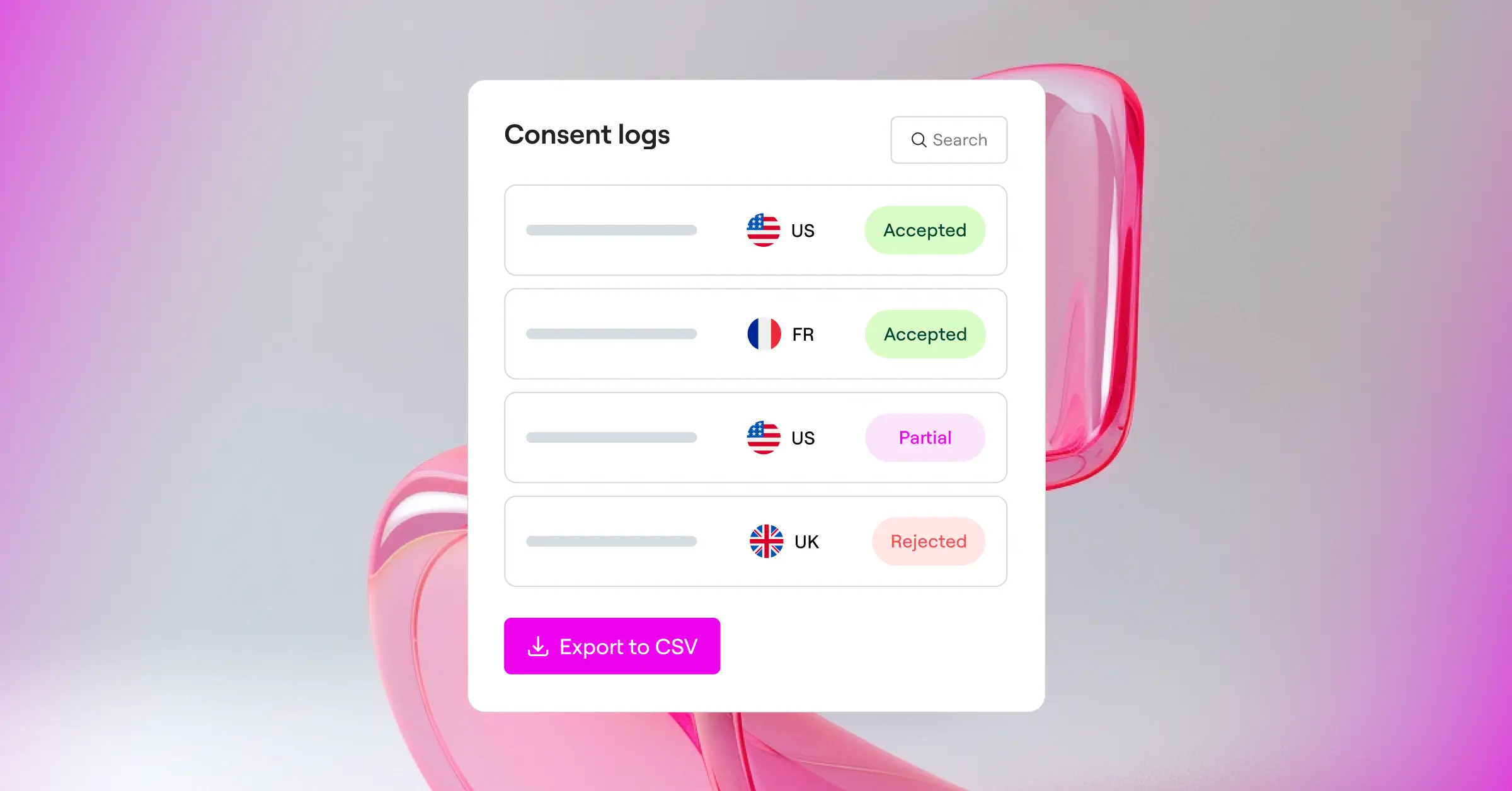
- Saves consent logs securely for an audit trail.
- Supports Google Consent Mode v2 and Global Privacy Control (GPC) out of the box.
- Targets specific regions so California visitors see the right notice.
Pros: No external dashboards, strong design flexibility, fast setup.
Cons: Built specifically for WordPress sites running Elementor.
Our Verdict: The best pick for WordPress users who want a native, stress-free way to manage compliance.
2. The California Attorney General’s Official CCPA Guide
When you want the law straight from the source, the California Department of Justice website is where to start. This official resource lays out consumer rights, business obligations, and enforcement procedures in plain, factual terms. It won’t hand you software, but it’s the authoritative word on what counts as personal information and who has to comply.
- Defines the legal thresholds for your business.
- Outlines consumers’ rights, including the right to delete and opt out.
- Shares official updates on amendments and enforcement cases.
- Explains how to address compliance issues if regulators reach out.
Pros: Fully authoritative, always current with state policy.
Cons: Formal legal tone, no direct technical tools.
Our Verdict: Required reading for owners who want the exact legal boundaries.
3. Cookiebot CCPA Compliance Guide
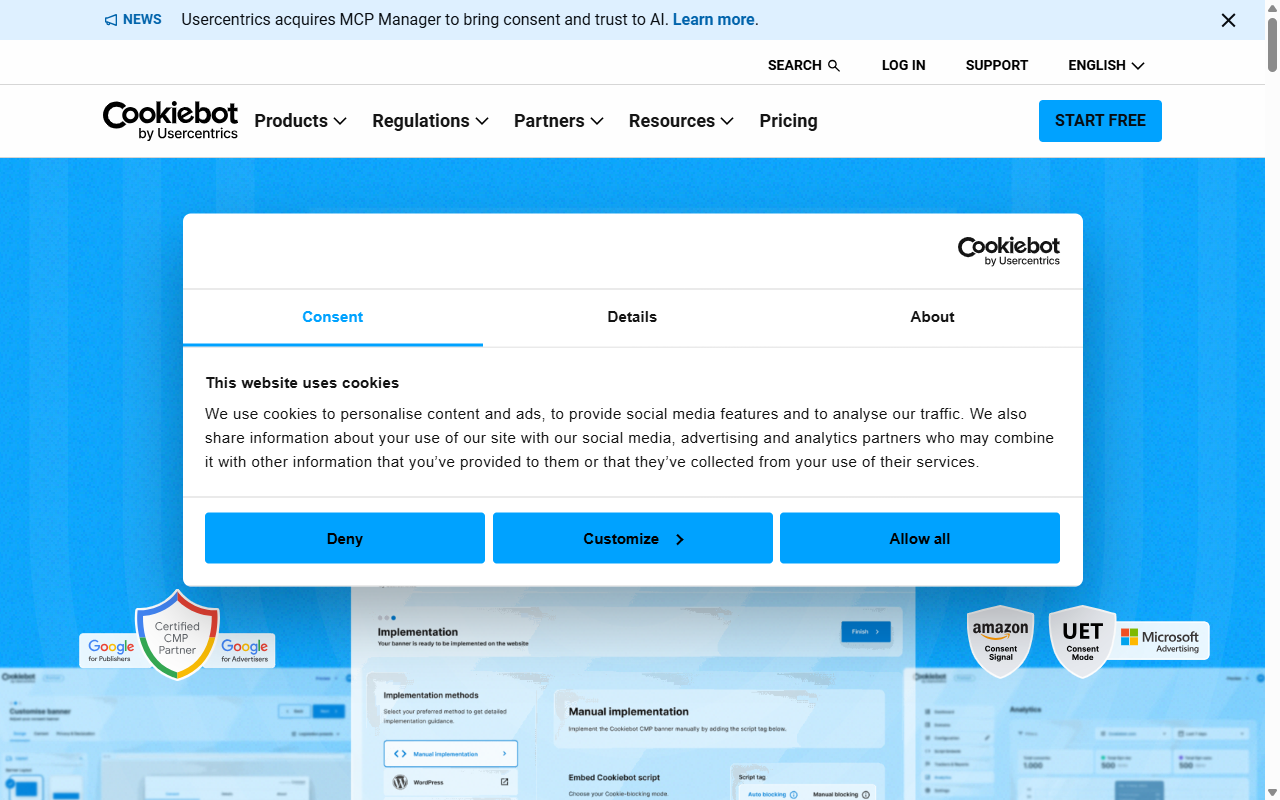
Cookiebot is a well-known cloud-based service offering an educational guide plus an automated consent tool, walking you through mapping cookies while the software handles the user-facing side across a range of platforms.
- Automates regular cookie scans to catch new tracking scripts.
- Generates a dynamic cookie declaration for your privacy policy.
- Supports multiple languages for global visitors.
- Integrates with major tag managers for easy script control.
Pros: Reliable cloud scanning, thorough documentation.
Cons: Settings live on an external dashboard, separate from your site.
Our Verdict: A solid cloud platform if you run several sites.
4. CookieYes CCPA Checklist
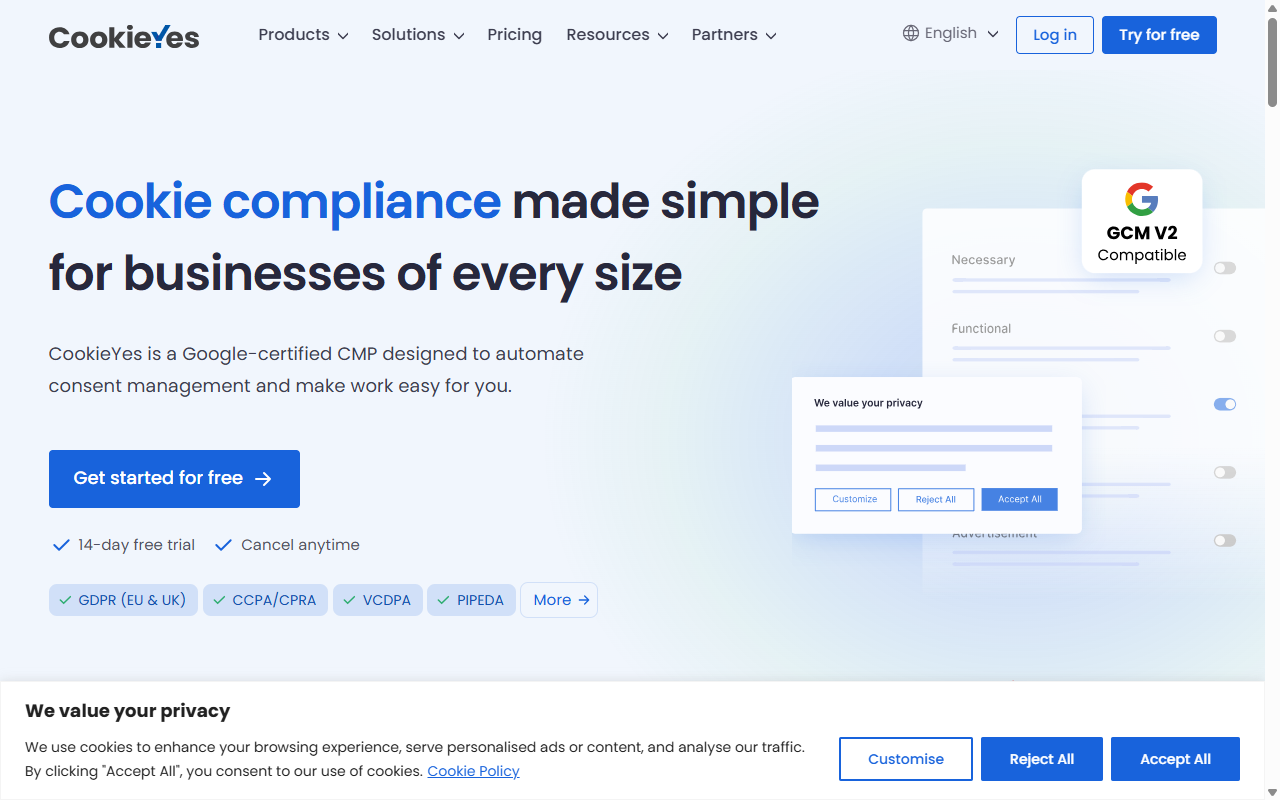
CookieYes pairs a step-by-step checklist with its popular cookie consent tool, built around helping small businesses add the “Do Not Sell or Share My Personal Information” link, a key CCPA requirement. The documentation is clear and easy to follow.
- Creates easy opt-out buttons for your site footer.
- Generates customizable privacy policy text for CCPA.
- Logs historical consent records for compliance audits.
- Works across almost any HTML-based platform.
Pros: Friendly interface, solid tutorials.
Cons: Design options on the entry-level plan are limited.
Our Verdict: Good for beginners who want a lightweight checklist and simple setup.
5. Complianz Privacy Suite
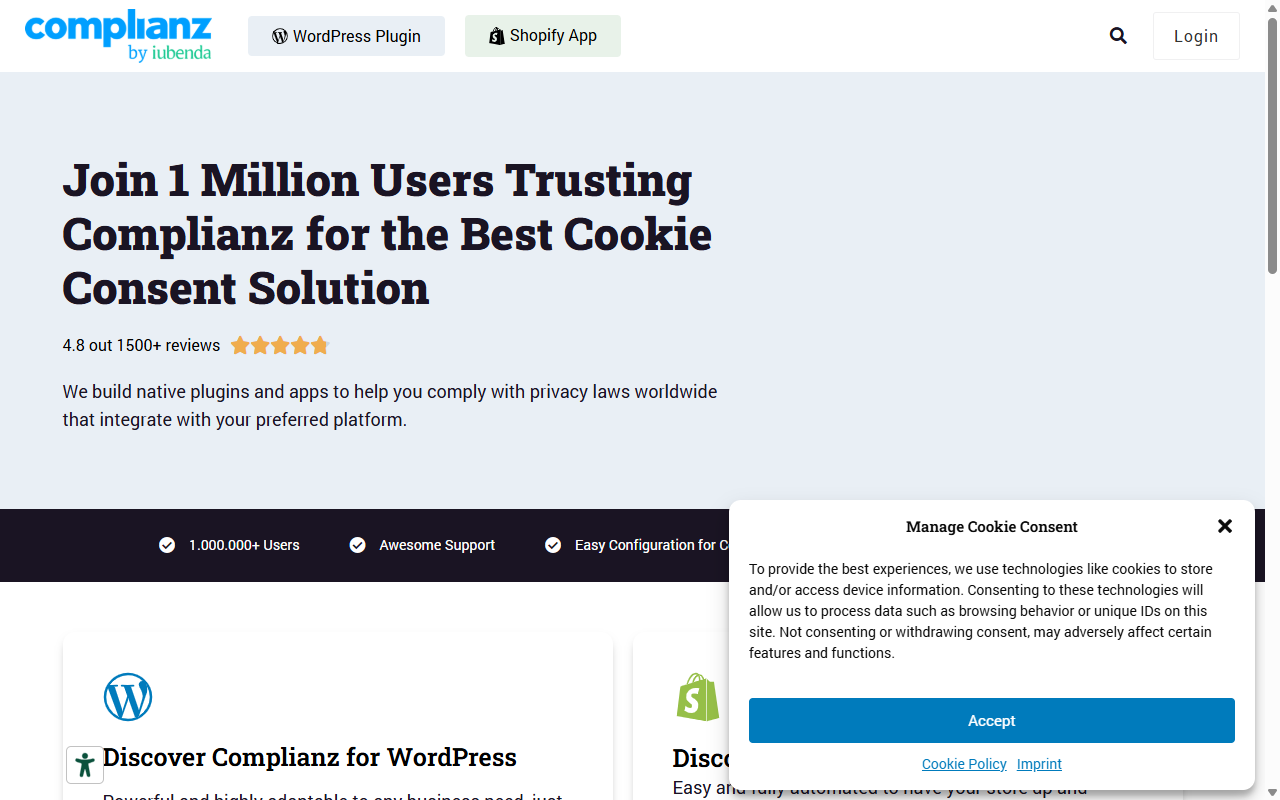
Complianz is a privacy plugin built for WordPress. A wizard-driven setup asks about your business, then generates the legal documents and cookie banners you need, thorough and well organized.
- Asks targeted questions to pin down regional obligations.
- Generates legal documents, like cookie policies and disclaimers.
- Blocks third-party scripts until a visitor grants consent.
- Integrates with popular site systems, layout intact.
Pros: A thorough wizard covering many global privacy laws.
Cons: Can feel long for a quick five-minute fix.
Our Verdict: Great for a structured, questionnaire-style approach.
6. iubenda Compliance Guide and Generator
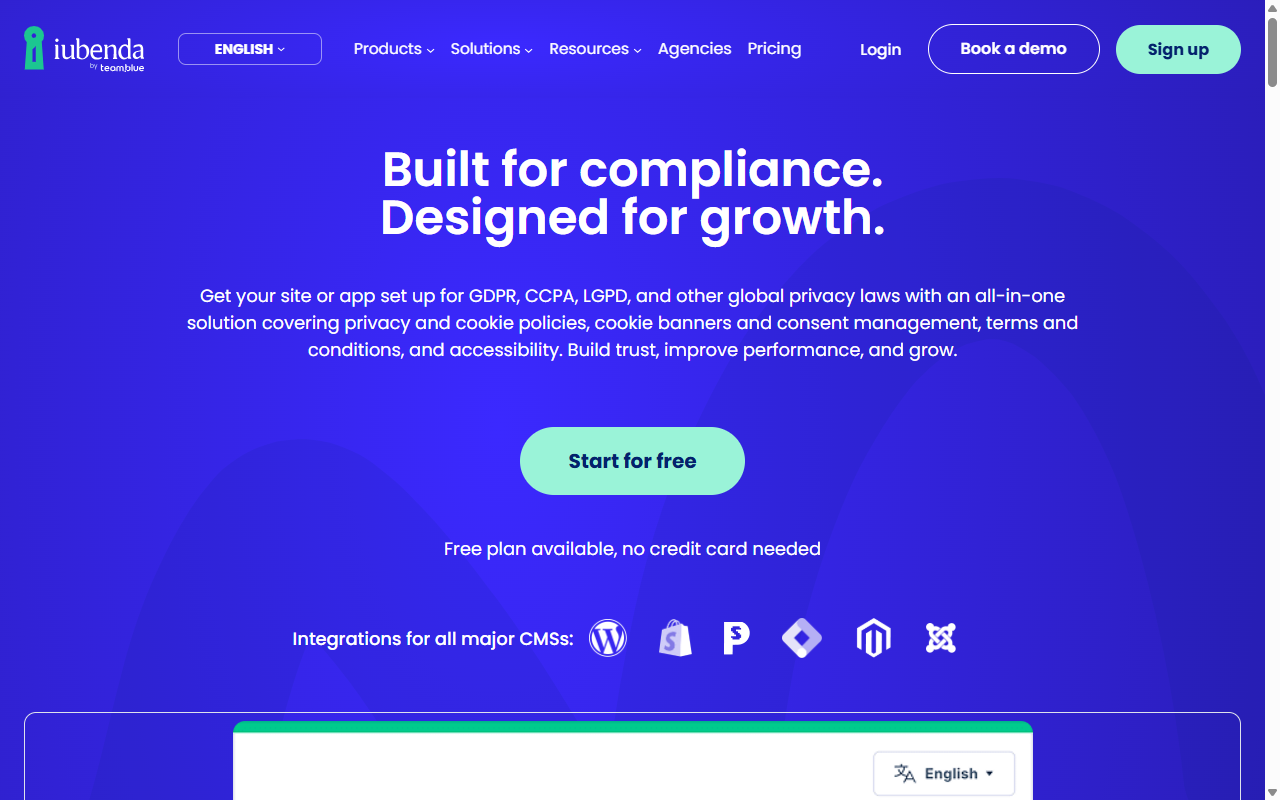
iubenda specializes in auto-updating privacy policies and cookie solutions. Its guides lean heavily on the legal side, useful if you want your policy current as state laws shift. Policies live on iubenda’s servers and update as rules evolve.
- Generates privacy policies from pre-written clauses.
- Updates site policies automatically when laws change.
- Pairs cookie banner tools with your legal documents.
- Monitors data collection and flags compliance gaps.
Pros: Legal text updates automatically, no action needed.
Cons: Costs can add up with many clauses or several sites.
Our Verdict: Worth it if you want hands-off legal updates.
7. Termly CCPA/CPRA Compliance Hub
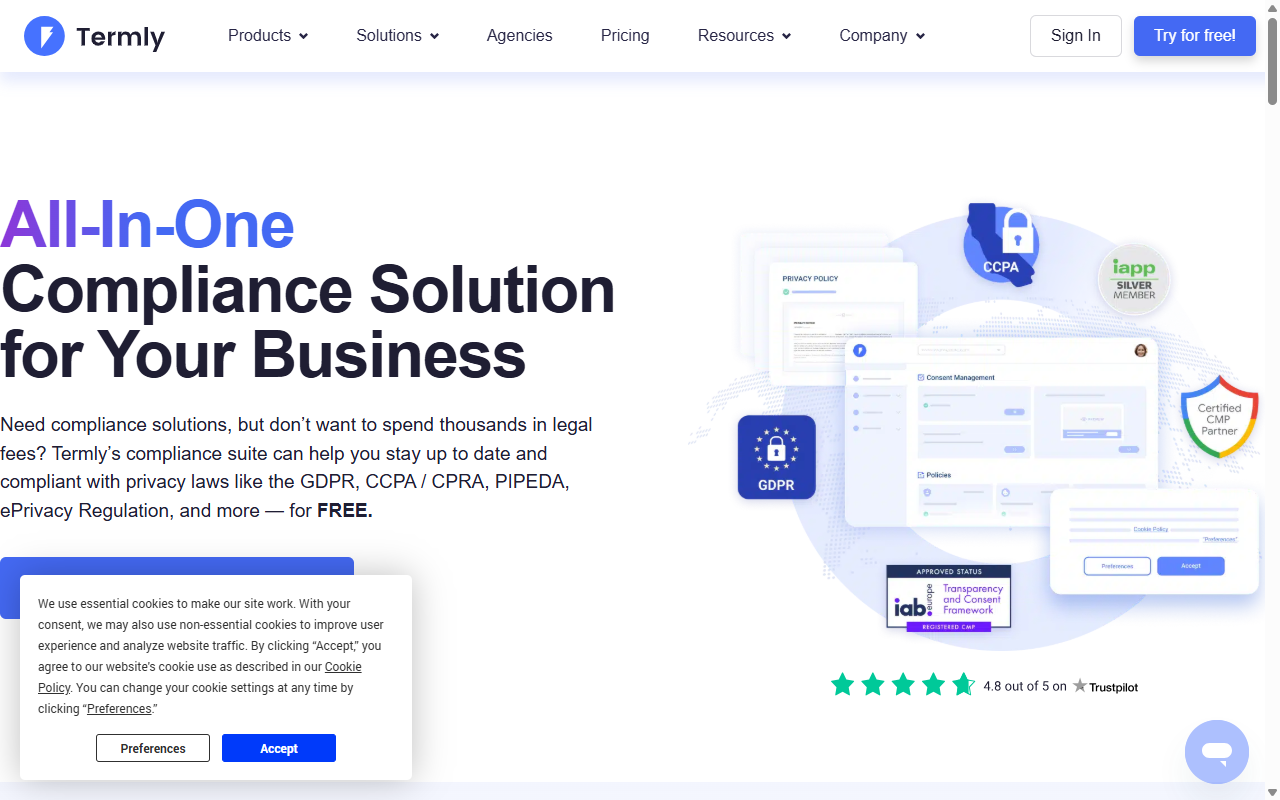
Termly offers a full compliance hub built with small businesses in mind: legal document generators, a cookie consent manager, and a resource center. The CCPA hub is written for non-lawyers, in plain language with interactive guides.
- Builds terms of service and privacy policy pages quickly.
- Scans your site for tracking cookies and pixel tags.
- Delivers ready-to-use “Do Not Sell My Info” links.
- Tracks compliance progress with visual checklists.
Pros: A well-designed dashboard, genuinely helpful resources.
Cons: The entry-level plan adds Termly branding to your documents.
Our Verdict: A good learning center if you’re starting from scratch.
8. OneTrust Small Business Privacy Guide
OneTrust is a well-known name in enterprise privacy, also offering guides and simplified tools for smaller operations. Its documentation covers topics like data inventory mapping in real depth, useful if you’re scaling into international markets.
- Maps where customer data is stored.
- Supplies templates for data access requests (DSARs).
- Delivers banners built on enterprise-grade security.
- Prepares you for international markets with varying privacy rules.
Pros: Real depth of features, solid data management.
Cons: Can feel like overkill for a simple informational site.
Our Verdict: A better fit for fast-growing businesses needing institutional-grade data mapping.
9. Osano CCPA Checklist & Platform
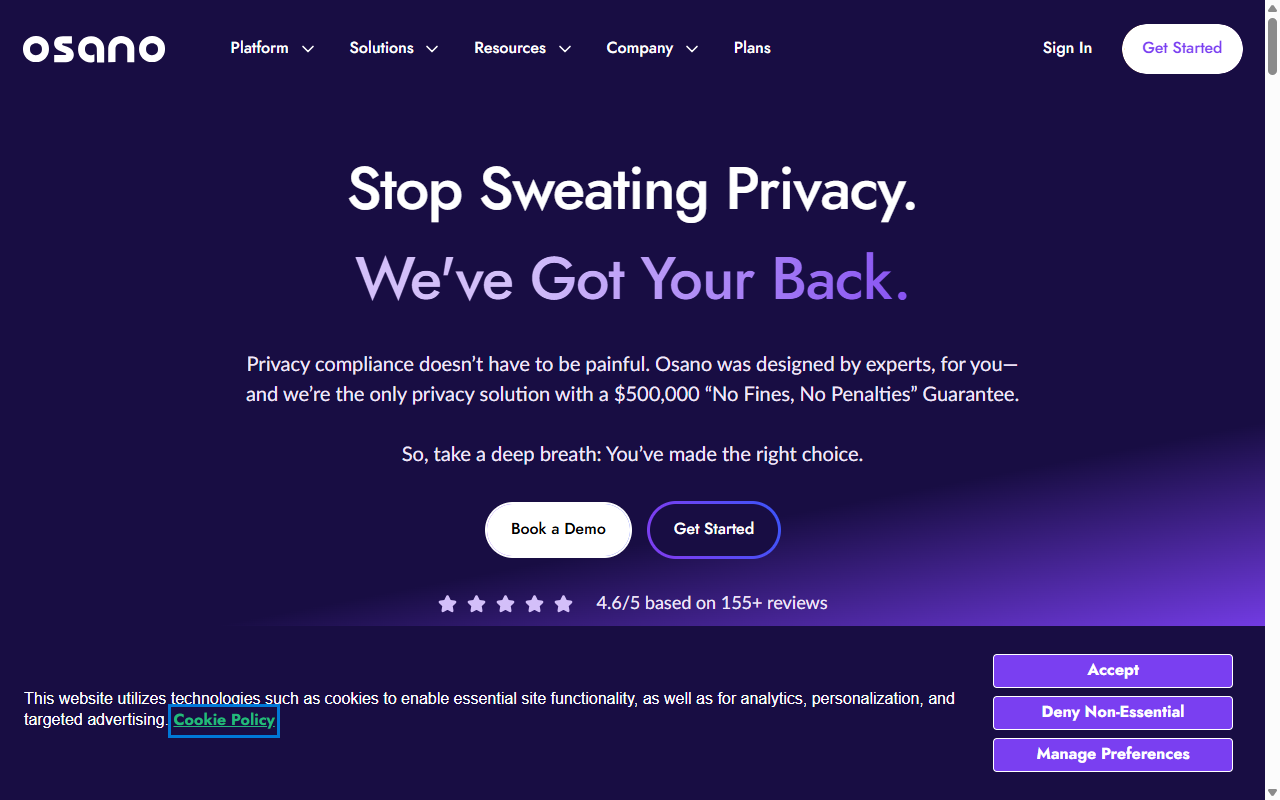
Osano is a B-Corp certified compliance platform focused on trust and clarity. Its CCPA checklist lays out the practical realities of data tracking in an accessible way, and the software is known for a clean, transparent approach to privacy management.
- Monitors vendors to check they’re CCPA compliant too.
- Blocks unauthorized trackers before they load.
- Simplifies consent management with a modern interface.
- Guides you through consumer data request steps.
Pros: Strong ethical standards, a clean interface, useful vendor tracking.
Cons: Advanced vendor monitoring sits behind higher-priced plans.
Our Verdict: A solid, trust-first option for tracking vendor data handling.
10. IAPP CCPA Resource Center
The International Association of Privacy Professionals (IAPP) is the largest global privacy community. Its CCPA Resource Center is a deep collection of articles, whitepapers, and implementation charts, suited to anyone who wants the thinking behind privacy rules, not just the checklist.
- Publishes analysis of new privacy rulings and court cases.
- Compares state privacy laws with detailed charts.
- Hosts webinars and podcasts for business owners.
- Stocks downloadable PDF checklists for legal teams.
Pros: Professionally curated, deeply researched, respected industry-wide.
Cons: Focused heavily on education rather than software or banner tools.
Our Verdict: The go-to reference library for staying informed on the shifting privacy landscape.
Comparison of the Top Compliance Tools
Here’s a quick look at how these popular tools stack up on what matters most to small businesses.
| Resource / Tool | Primary Focus | Setup Difficulty | Key Benefit |
|---|---|---|---|
| Elementor Cookie Consent | WordPress-Native Feature | Very Low (Under 5 mins) | No external dashboards, brand-matching designs |
| Cookiebot | Automated Cloud Tool | Medium | Automated scanning across multiple platforms |
| CookieYes | Lightweight Banner Tool | Low | Simple, quick setup with dedicated CCPA checklists |
| Complianz | WordPress Privacy Suite | Medium | Questionnaire-based legal document setup |
| iubenda | Auto-Updating Policy Tool | Medium | Legal text updates automatically as laws change |
| Termly | All-in-One Compliance Hub | Low | Easy-to-use policy generators for beginners |
“Achieving CCPA compliance isn’t just about avoiding regulatory scrutiny, it’s about establishing a foundation of digital trust with your visitors.”
– Itamar Haim, Web Compliance Specialist
Step-by-Step CCPA Checklist for Small Websites
Now that you’ve seen the best resources, let’s put them to work. It’s simpler than it sounds. Follow these three steps and your site will be in good shape.
Step 1: Map Your Data Collection
Before you protect customer data, you need to know what you’re collecting. List every place your site gathers information, which typically includes:
- Contact forms, where users submit names, phone numbers, and emails.
- Newsletter signups, which store emails in your marketing tool.
- Analytics software, which tracks behavior, IP addresses, and page views.
- E-commerce checkouts, which handle shipping and payment details.
Step 2: Update Your Privacy Policy
Your privacy policy needs to be clear, easy to read, and linked prominently, usually in the footer. Make sure it covers:
- A detailed list of what personal data you collect and why.
- An explanation of how users can access, change, or delete their info.
- A clear statement on whether you sell or share data with third parties.
- Instructions on how users can opt out of data sharing.
Step 3: Deploy a Compliant Cookie Consent Banner
Once your policy is ready, give visitors a way to manage cookie settings in real time with a reliable cookie consent tool. Check that your banner:
- Displays immediately when a California visitor lands on your homepage.
- Explains clearly that you use cookies and what they’re for.
- Lets users choose which cookie categories to accept, via a simple toggle.
- Honors Global Privacy Control (GPC) signals from modern browsers.
Ensuring Smooth Compliance Long Term
Compliance isn’t a one-and-done project. Sites grow, and you’re always adding contact forms, testing marketing pixels, and installing new tools. Set a recurring reminder once a quarter: run a quick scan, check your cookie banner still works, and confirm your privacy policy link is live.
A native tool like the Cookie Consent capability in Elementor automates most of this, so you stay focused on your business instead of chasing compliance tasks.
Frequently Asked Questions
Does CCPA apply to small businesses located outside of California?
Yes, it can. If your business is based in New York, Europe, or anywhere else, but you collect, share, or sell the personal data of California residents, the CCPA may apply depending on certain thresholds. It’s generally smart to offer these protections to all visitors anyway, since it builds trust and preps you for other regions’ rules.
What is the difference between CCPA and GDPR?
Both laws protect user privacy, with different approaches. GDPR is a European law generally requiring opt-in consent before you collect data. CCPA is a California law historically focused on the right to opt out of data sale or sharing. The California Privacy Rights Act (CPRA) later amended and expanded CCPA, adding data-sharing protections alongside the original opt-out rights.
Do I really need a “Do Not Sell My Personal Information” link?
If your business sells or shares consumer data with third parties, including social media ad networks for retargeting, a clear “Do Not Sell or Share My Personal Information” link is a core CCPA requirement, standard practice in your footer.
Can I write my own privacy policy using a free template?
You can start with a reputable template, but pick one regularly updated by legal professionals. Tools like iubenda or Termly help build a solid foundation. For complex business models, a quick legal review is smart, but good templates work fine for most standard small business sites.
How does Global Privacy Control (GPC) affect my website?
Global Privacy Control is a browser setting telling websites not to track or sell a user’s browsing data. Under CCPA, sites must honor these signals automatically. Modern cookie consent tools recognize GPC and adjust your tracking scripts, no extra click needed.
Will a cookie banner slow down my website’s loading speed?
Some heavier third-party scripts can add load time. But a native, well-optimized tool like the Cookie Consent capability built into Elementor keeps your code clean, with no real impact on page speed, a nice bonus.
What happens if a small business fails to comply with CCPA?
If a business is found in violation, regulators can issue warnings and formal notices. If issues aren’t fixed within the specified period, statutory fines can follow, and non-compliance can hurt your brand’s reputation too.
How often should I scan my website for new cookies?
At least once a month is a good rule of thumb, so any new tools, analytics packages, or scripts get detected, categorized, and added to your consent banner options right away, a small habit that saves trouble later.