Managing privacy compliance on your WordPress site can feel like a part-time job you never signed up for. Privacy laws keep shifting, and browsers keep tightening their grip on data tracking, so a basic “We use cookies” banner doesn’t cut it anymore. You need a system that keeps your site legal without slowing pages down or clashing with your design. If you’re searching for the best cookie consent tool for WordPress in 2026, you’re in the right place.
You’ve got plenty of good options, from WordPress-native capabilities to full cloud privacy suites. Some live inside your dashboard; others connect your site to a dedicated external platform. Let’s walk through the top ten so you can find the one that fits your workflow. Don’t worry, it’s more straightforward than it looks.
Key Takeaways
- Native capabilities win on speed: a WordPress-native tool stays fast by skipping heavy external scripts.
- Google Consent Mode v2 is essential: if you run Google Ads or Analytics, your tool needs to support it to keep tracking accurate.
- Geo-targeting saves conversions: showing banners only to visitors from regions with strict laws (like the EU or California) keeps things clean for everyone else.
- Data control is shifting: keeping consent logs in your own dashboard instead of relying on external servers simplifies your workflow and keeps you in full control of your audit trail.
Why Look for a Cookie Consent Alternative in 2026?
For a long time, site owners installed a lightweight banner tool and called it done. But the privacy landscape has grown complex. Regulators now expect precise cookie categorization, explicit opt-ins, and detailed consent logs that prove compliance during an audit. Many legacy tools have gotten heavier too, charging monthly subscriptions just to store basic consent data on external servers.
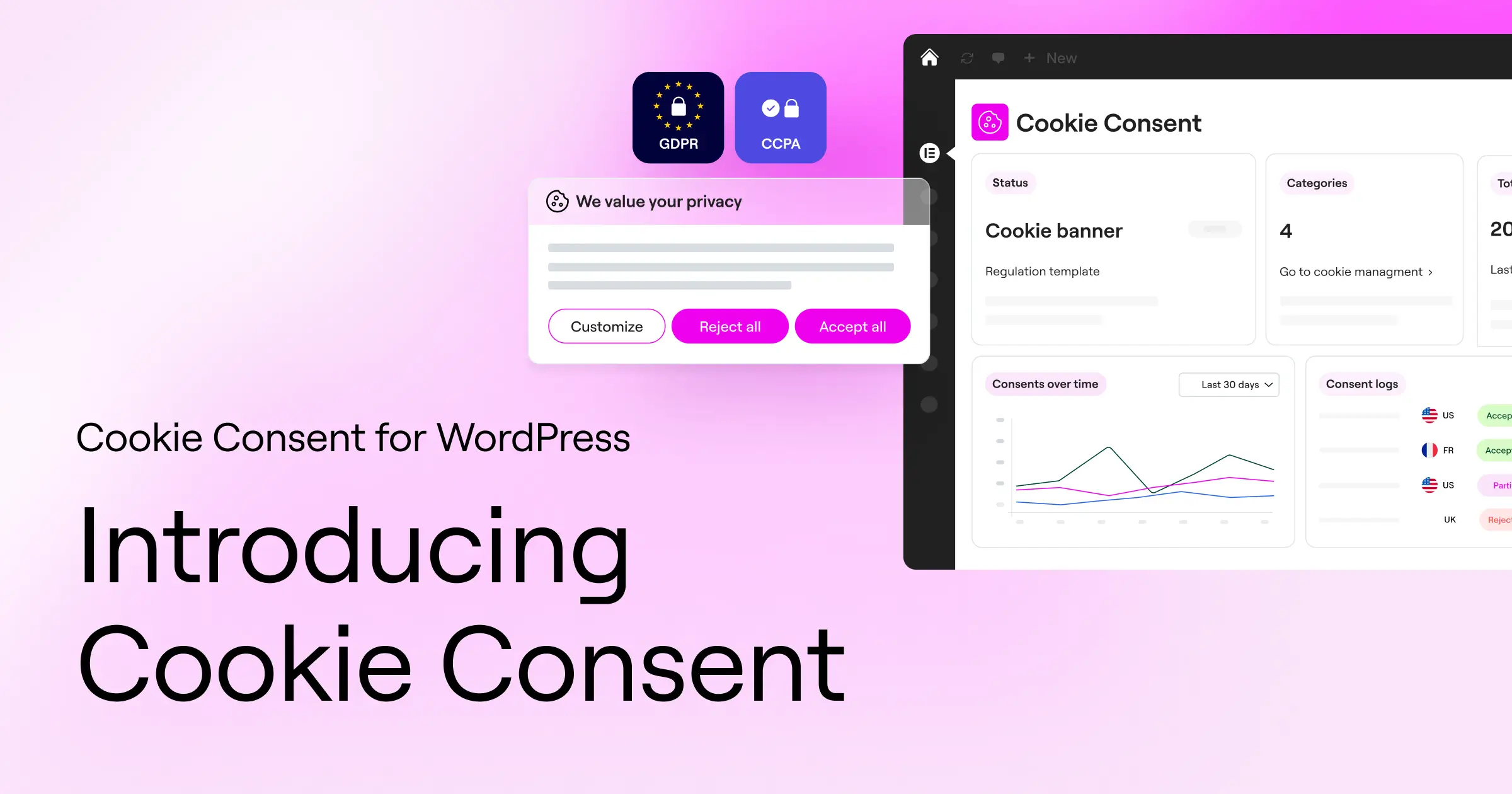
At the same time, plenty of site owners are moving away from juggling separate tools. Running dozens of single-purpose utilities often leads to code conflicts and slower pages. That’s pushed WordPress users toward native capabilities that bring everything into one place. Elementor, for instance, now includes a dedicated Cookie Consent capability built into its ecosystem, so you can handle cookie consent right from your WordPress dashboard, without an external platform or extra third-party tool.
If you use external advertising networks, you also have to think about consent signaling. Google Consent Mode v2 is now mandatory for anyone using Google services to serve ads in the European Economic Area, and without it, your marketing data goes inaccurate fast. Choosing a modern tool keeps your data clean, design intact, and business compliant.
Comparison of the Best Cookie Consent Alternatives
Here’s how the top solutions stack up on the privacy features that matter most.
| Tool Name | Setup Location | Consent Mode v2 Support | Geo-Targeting | Entry-Level Plan Available |
|---|---|---|---|---|
| Cookie Consent (by Elementor) | WordPress Dashboard | Yes | Yes | Yes |
| Cookiebot | External Cloud & WP | Yes | Yes | Yes (Limited) |
| CookieYes | External Cloud & WP | Yes | Yes | Yes (Limited) |
| Complianz | WordPress Dashboard | Yes | Yes | Yes |
| iubenda | External Cloud Suite | Yes | Yes | Yes (Limited) |
A Detailed Look: 10 Best Cookie Consent Alternatives for WordPress
Here’s a factual look at each option to find the best match.
1. Cookie Consent (by Elementor)
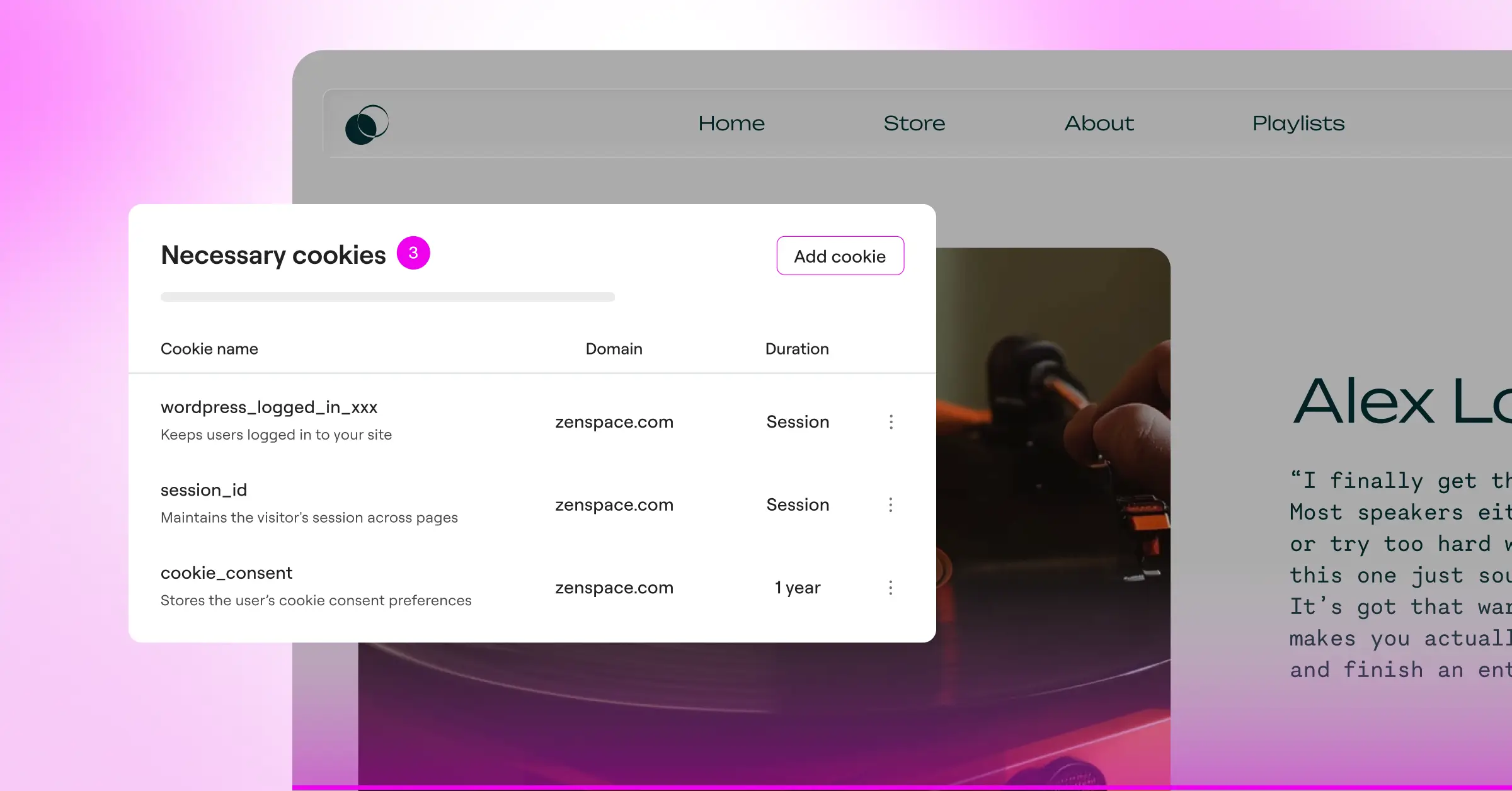
Cookie Consent is a native privacy capability built for WordPress site owners who want a smooth compliance process without leaving their editor. Built into the Elementor ecosystem, it handles consent management with no separate tracking scripts or complicated external setups. Setup takes under five minutes with a three-step wizard, and it pulls your brand colors and typography automatically, so your banner looks like it belongs on your site.
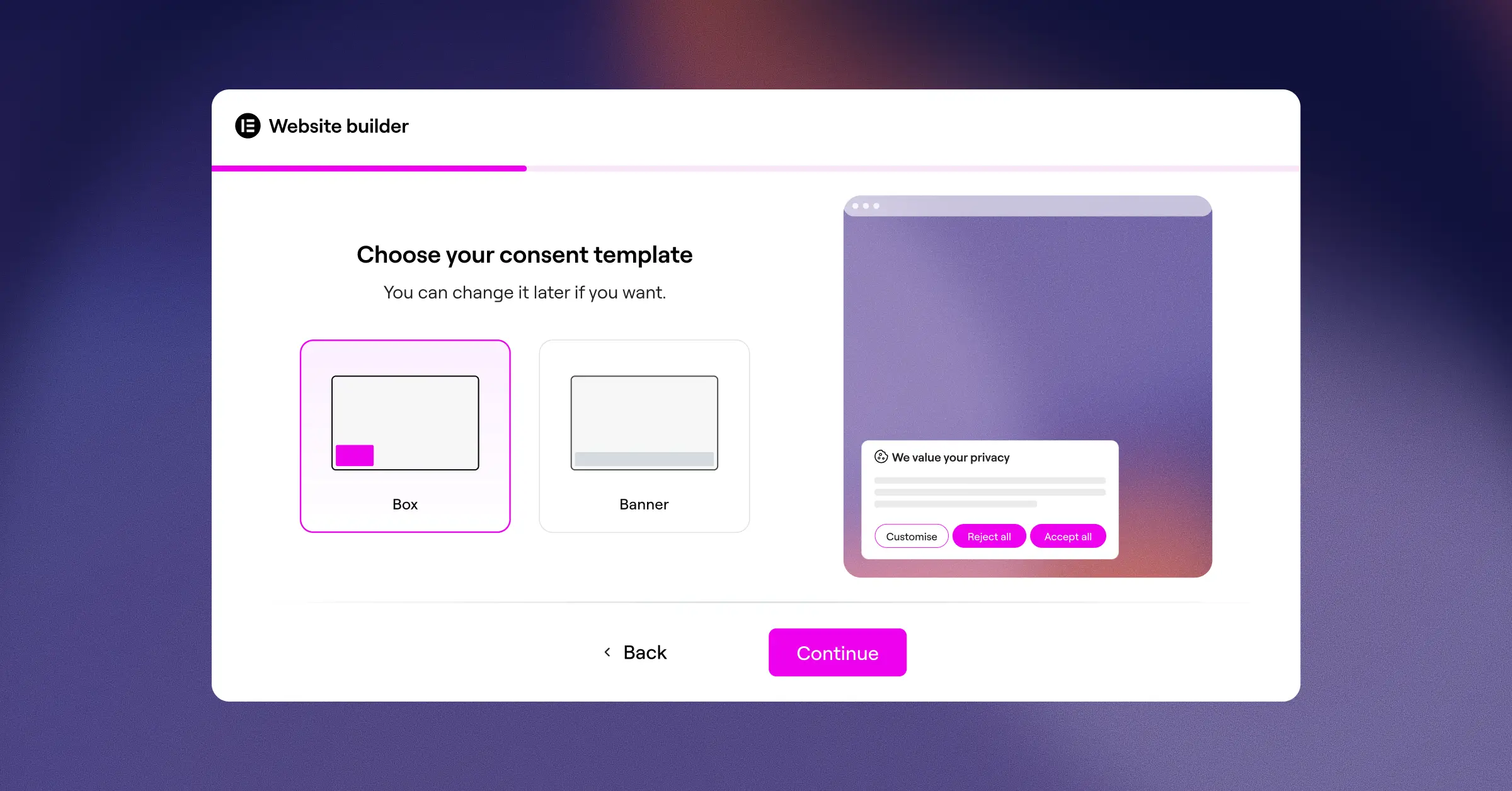
- Scans and categorizes site cookies automatically to keep your consent declaration accurate.
- Builds custom banners that match your global brand colors and typography settings.
- Connects with Google Consent Mode v2 to maintain accurate tracking for your marketing campaigns.
- Stores detailed consent logs inside your WordPress dashboard for easy audit access.
- Targets banners geographically so only visitors who legally require them see one.
- Simplifies legal page creation with a built-in policy generator.
Pros: No external dashboards, fast setup, automatic theme-matching design, and no extra code weight on your pages.
Cons: Works best for sites built within the Elementor ecosystem.
Verdict: The top choice for WordPress site owners who want a clean, unified workflow and want to skip third-party cloud fees. It’s included in Elementor One, so if you’re already in the ecosystem, it’s ready to go.
2. Cookiebot
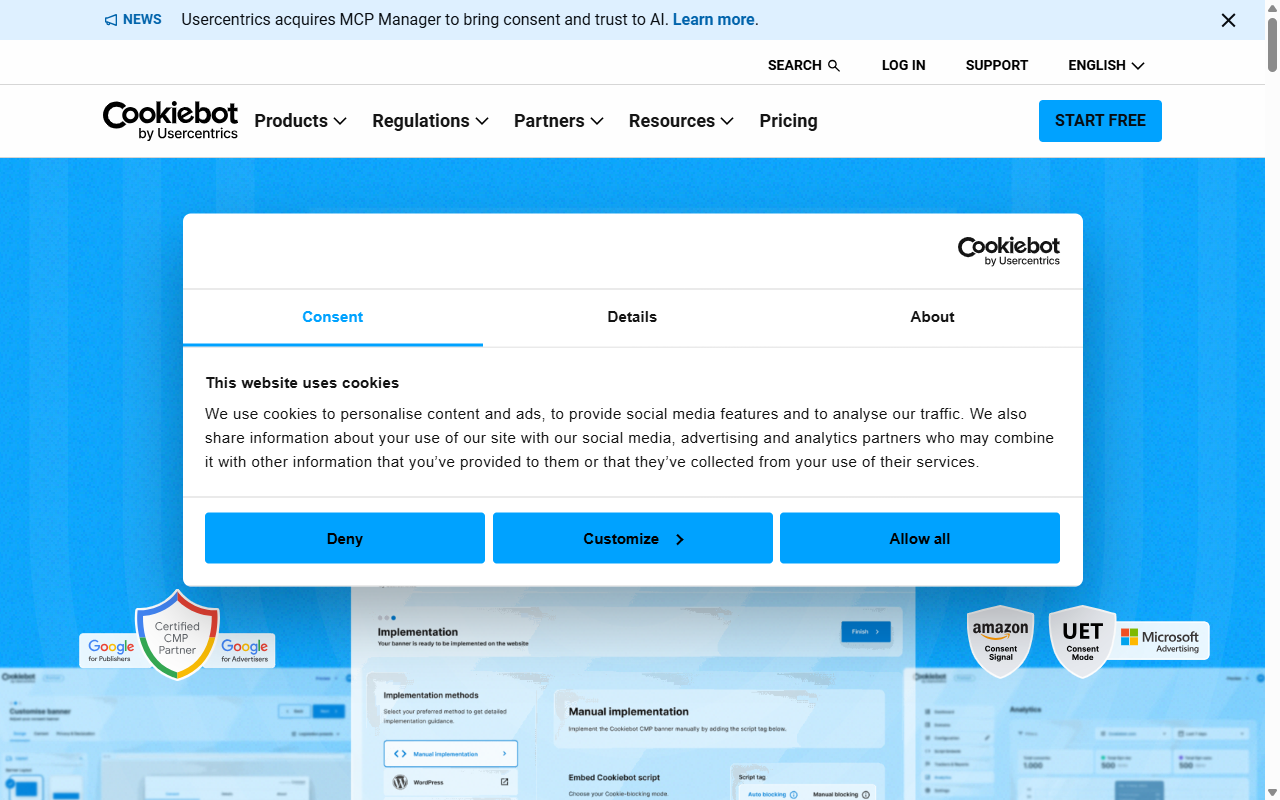
Cookiebot is an established cloud-based compliance platform managing privacy rules for thousands of sites. It works outside your WordPress dashboard, using an automated cloud scanner to find and block tracking scripts until visitors consent.
- Scans your website monthly to find new cookies and update your consent declaration.
- Automates the blocking of third-party scripts before consent is granted.
- Supports Google Consent Mode v2 out of the box for ad tracking continuity.
- Stores consent data securely in cloud-hosted databases for audit verification.
- Displays a tabbed banner interface for clear user choices.
- Translates consent banners into dozens of languages automatically based on visitor location.
Pros: Accurate cloud scanner and automatic script blocking with very little manual configuration.
Cons: Can get expensive for larger sites with high page counts, and requires loading an external script on every page.
Verdict: A solid option for large corporate sites that need hands-free compliance and budget for a premium cloud service.
3. CookieYes
CookieYes is a widely used consent management platform with both a cloud dashboard and a WordPress connector, built to help small to mid-sized businesses meet GDPR and CCPA guidelines with minimal setup. The interface is genuinely user-friendly, which counts for something on a topic this dry.
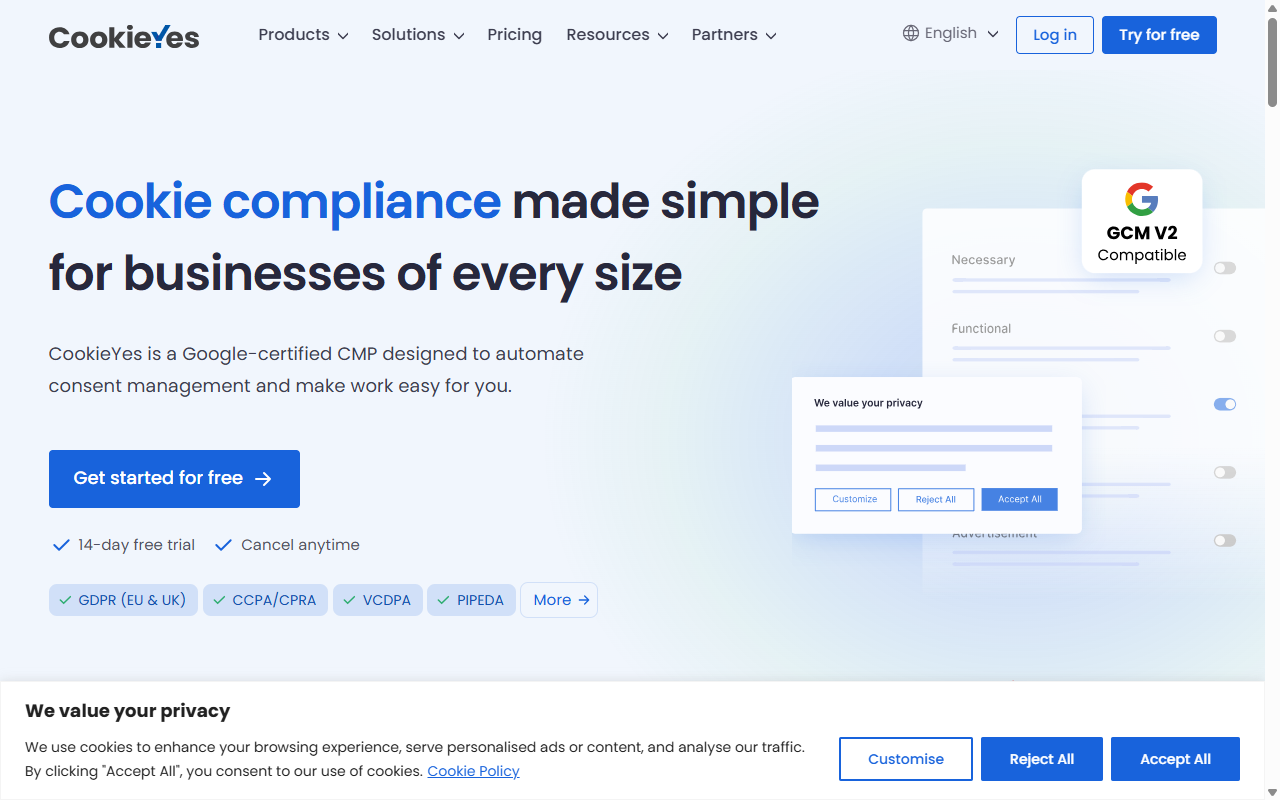
- Builds fully customizable banners that support custom CSS overrides.
- Maintains a record of user consents to help you stay audit-ready.
- Integrates with popular tag managers and analytics setups.
- Detects visitor locations to show the correct regional privacy notices automatically.
- Generates cookie policy pages that update whenever a scan finishes.
- Blocks script execution automatically until the user interacts with the banner.
Pros: User-friendly interface, a helpful entry-level plan, and solid documentation for beginners.
Cons: Tracking limits are tied to monthly page views, which can trigger unexpected upgrades during traffic spikes.
Verdict: A reliable alternative if you don’t mind managing banners through an external browser tab.
“Modern privacy compliance is no longer just about showing a banner. It’s about accurate, real-time script blocking and keeping clean records that prove you respect visitor choices.”
– Itamar Haim, Web Compliance Specialist
4. Complianz
Complianz is a privacy-first tool for WordPress. It runs entirely on your own server, so visitor consent data never reaches an external third-party cloud, a real advantage if you want full data control.
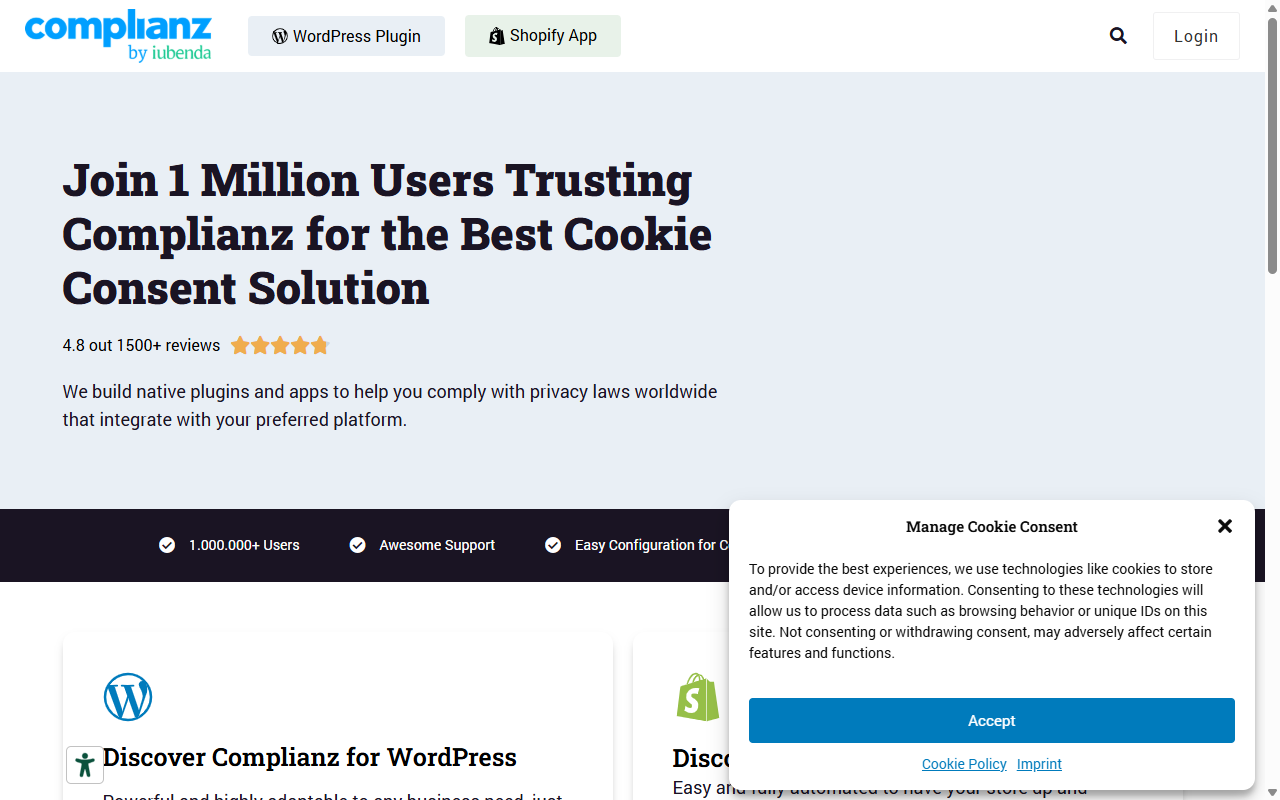
- Configures your privacy settings through a step-by-step wizard interface.
- Generates legally recognized documents like cookie policies and privacy policies.
- Integrates directly with major WordPress translation tools for multilingual setups.
- Blocks social media embeds and third-party scripts before consent is given.
- Supports privacy regulations for the EU, UK, US, Canada, and Australia.
- Connects with Google Consent Mode v2 to keep marketing campaigns running accurately.
Pros: Keeps all user data on your own server, and the wizard makes configuration logical and clear.
Cons: The setup wizard is detailed, which can feel like a lot if you just want a simple banner up quickly.
Verdict: A great fit for self-hosting advocates who want complete, multi-region legal documents on their own server.
5. iubenda
iubenda is a legal-compliance suite for web agencies and professional site owners, covering your entire legal footprint beyond cookies: terms of service, privacy policies, and consent records, all in one place.
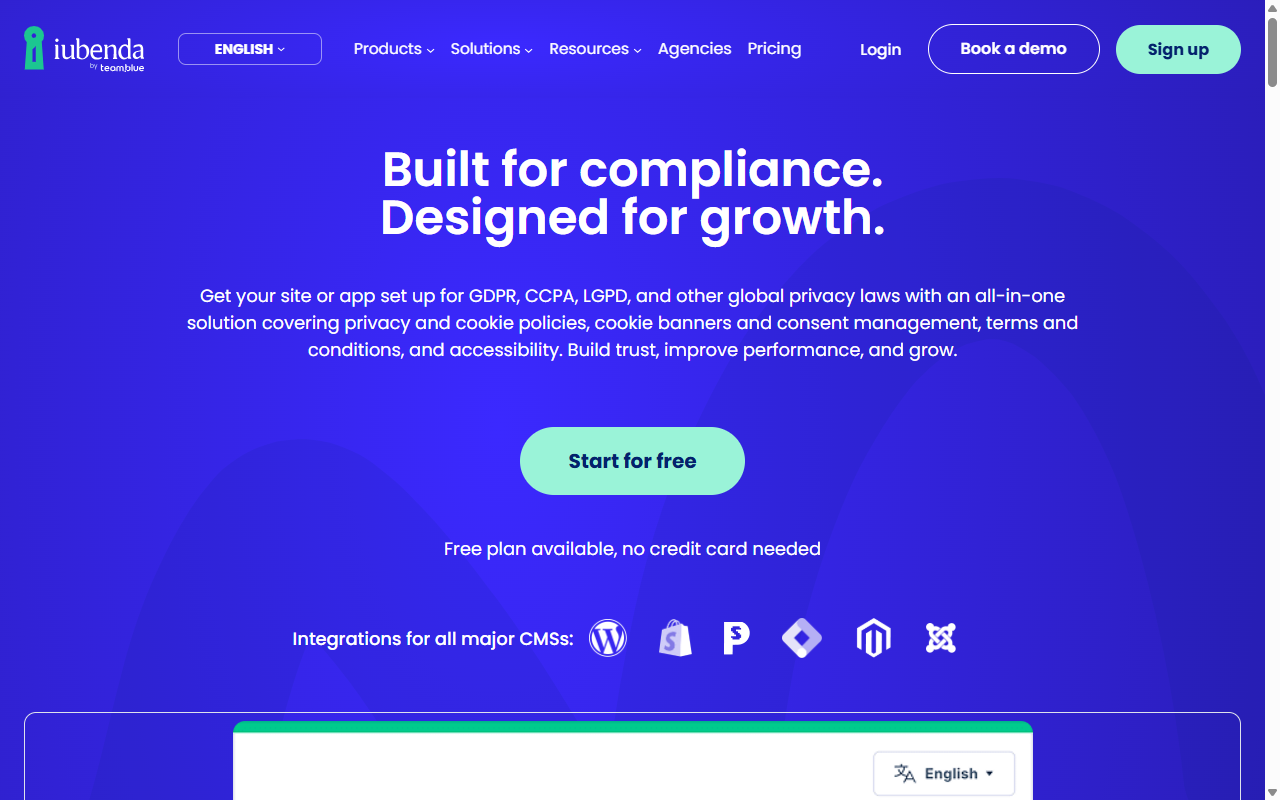
- Generates attorney-crafted legal documents that auto-update when laws change.
- Stores complete consent records in a secure, searchable cloud database.
- Configures highly detailed cookie banners with modular privacy options.
- Detects California Consumer Privacy Act requirements and adjusts notices accordingly.
- Monitors your privacy compliance through a central cloud dashboard.
- Integrates with major platforms, including e-commerce setups and mobile apps.
Pros: A complete legal solution that covers all your website policies, well beyond simple cookie management.
Cons: The modular pricing can add up depending on which legal documents you need.
Verdict: Well suited for agencies that want to handle client legal requirements through one dashboard.
6. OneTrust
OneTrust is an enterprise-grade privacy management platform built for large corporations, financial institutions, and large e-commerce networks that need complex data mapping and high-volume consent tracking.
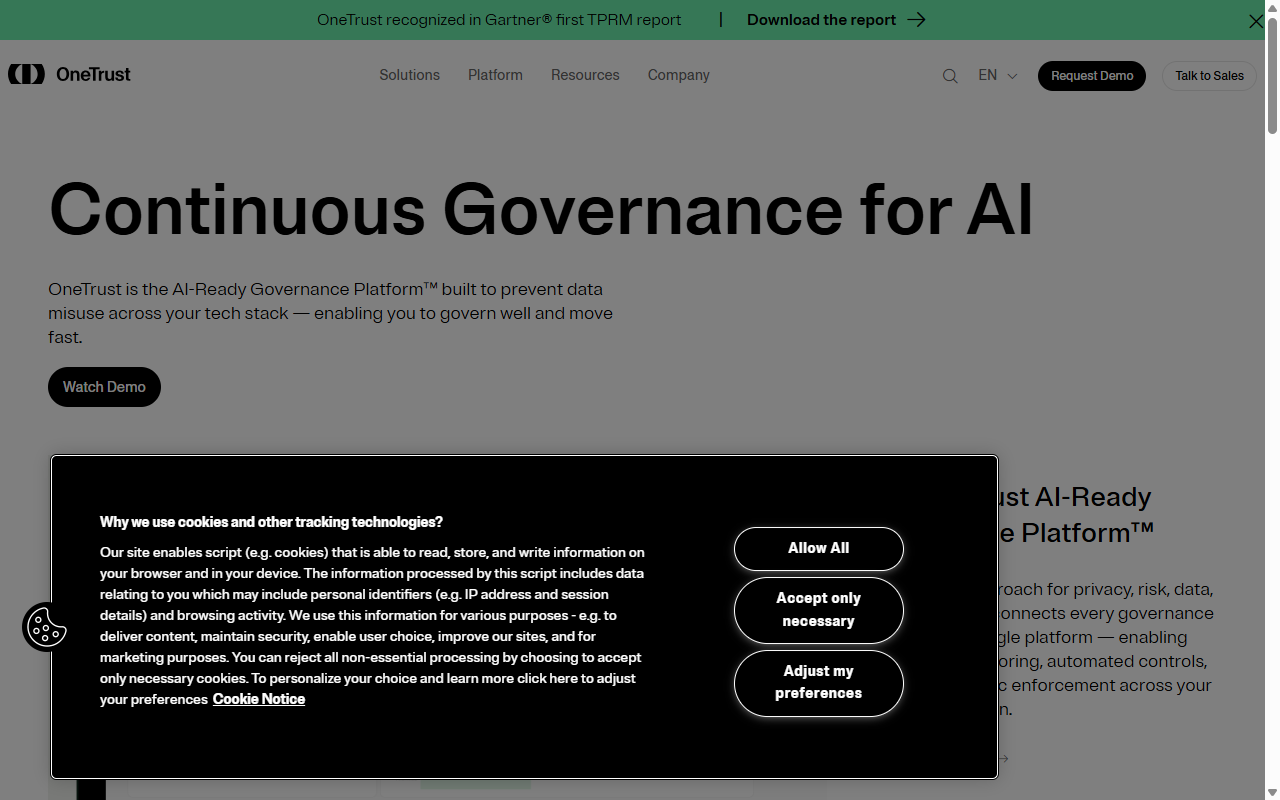
- Scales compliance across thousands of global domains from a single central console.
- Performs deep scans of complex web applications for thorough cookie discovery.
- Classifies cookies using an extensive, industry-verified global database.
- Manages vendor consent preferences to keep compliance consistent across your marketing chain.
- Supports advanced audit reporting for regulatory reviews.
- Integrates with enterprise tag managers and customer relationship systems.
Pros: Deep feature set, highly secure, and trusted by global legal and compliance teams.
Cons: Too much for small to medium businesses, with a steep learning curve and high setup cost.
Verdict: The go-to choice for enterprises that need deep data mapping and dedicated compliance teams to manage it.
7. Termly
Termly is an all-in-one compliance platform for small businesses, startups, and creators who need legal requirements made understandable and affordable.
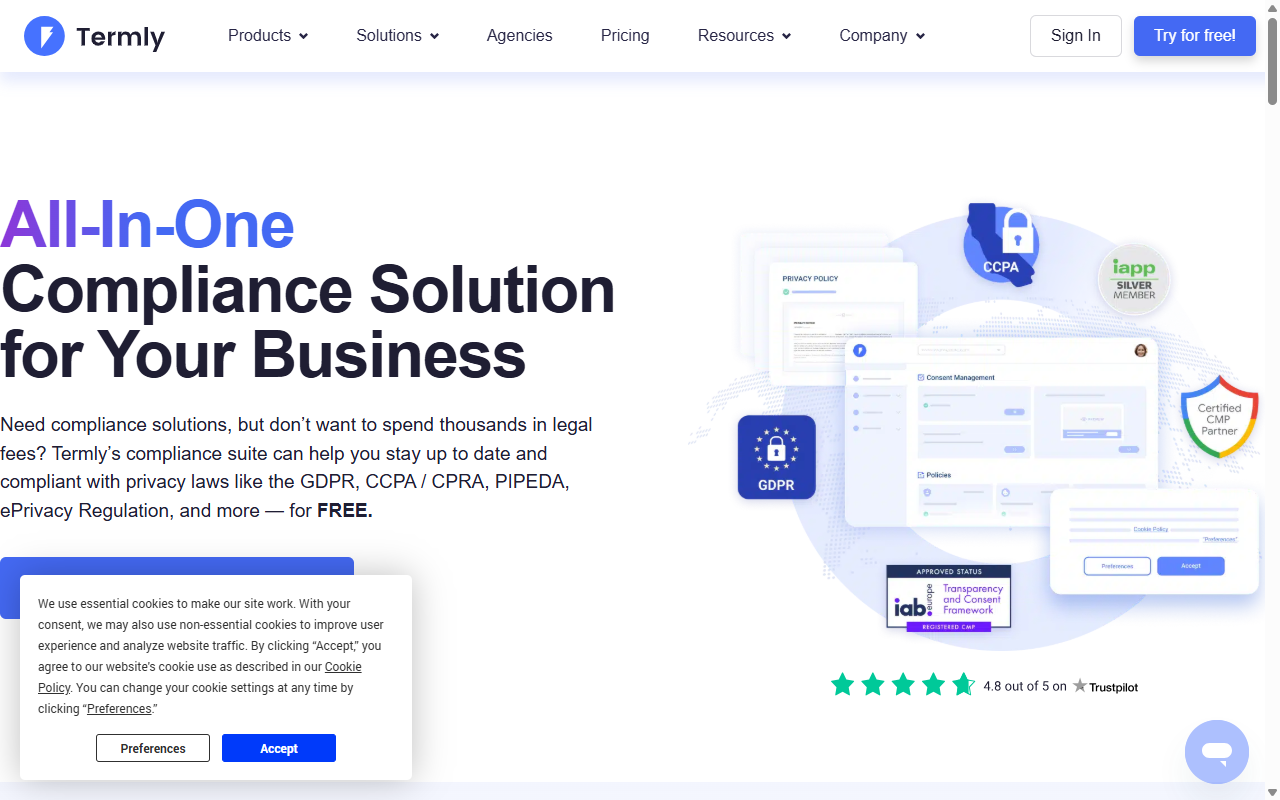
- Generates custom terms and conditions, privacy policies, and cookie consent notices.
- Categorizes tracking cookies automatically through weekly site scans.
- Designs simple banners that match common web interfaces.
- Translates banners automatically based on user language preferences.
- Ships easy code snippets for quick installation on any CMS.
- Maintains a basic audit trail for visitor privacy choices.
Pros: Easy to navigate, clear interface, and great templates for quick legal pages.
Cons: Customization is limited on the entry-level plan, and it’s less integrated with WordPress than native tools.
Verdict: A solid entry point for new businesses that need legal documents and a cookie banner set up in under an hour.
8. Osano
Osano is a B-Corp certified privacy platform focused on data transparency and ethical tracking, guaranteeing its compliance recommendations for qualified users.

- Monitors and blocks non-compliant scripts automatically based on vendor reputations.
- Translates your consent settings into over 40 languages instantly.
- Delivers fast banner load times by running on a highly optimized global content delivery network.
- Tracks vendor compliance scores so you can identify which trackers carry more risk.
- Simplifies data subject access requests (DSAR) for users who want to delete their data.
- Saves complete, encrypted consent records to support compliance verification.
Pros: Strong focus on security and ethics, fast banner performance, and a compliance guarantee worth knowing about.
Cons: Higher price than self-hosted alternatives, better suited to organizations with real privacy budgets.
Verdict: A good choice for companies that prioritize ethical data practices and want a secure compliance partner.
9. Borlabs Cookie
Borlabs Cookie is a premium, self-hosted WordPress consent tool popular in Europe, especially Germany, where data protection rules are strict. Everything stays on your server.
- Blocks all tracking codes, including Google Analytics and ad pixels, until the visitor explicitly opts in.
- Integrates with popular page builders to manage content overlays like YouTube video placeholders.
- Saves all consent settings locally inside the WordPress database.
- Lets visitors pick specific cookie categories to accept individually.
- Supports multi-domain setups using local configuration exports.
- Displays clean, modern consent boxes that load quickly without external API calls.
Pros: Compliant with European laws, no reliance on external cloud APIs, and keeps site speed high.
Cons: No entry-level plan, and configuring individual script blocks takes some technical comfort.
Verdict: A strong premium option for European businesses that want a secure, locally hosted compliance setup.
10. WebToffee GDPR Cookie Consent
WebToffee offers a straightforward cookie consent capability that gets your WordPress site up to speed with GDPR and CCPA rules, with a dashboard that suits teams wanting something reliable.
- Scans your site to find cookies and sort them into necessary and non-necessary categories.
- Renders clean, non-intrusive cookie bars that work well on mobile screens.
- Adds shortcodes to display cookie tables on your legal pages.
- Blocks specific script categories until the visitor accepts.
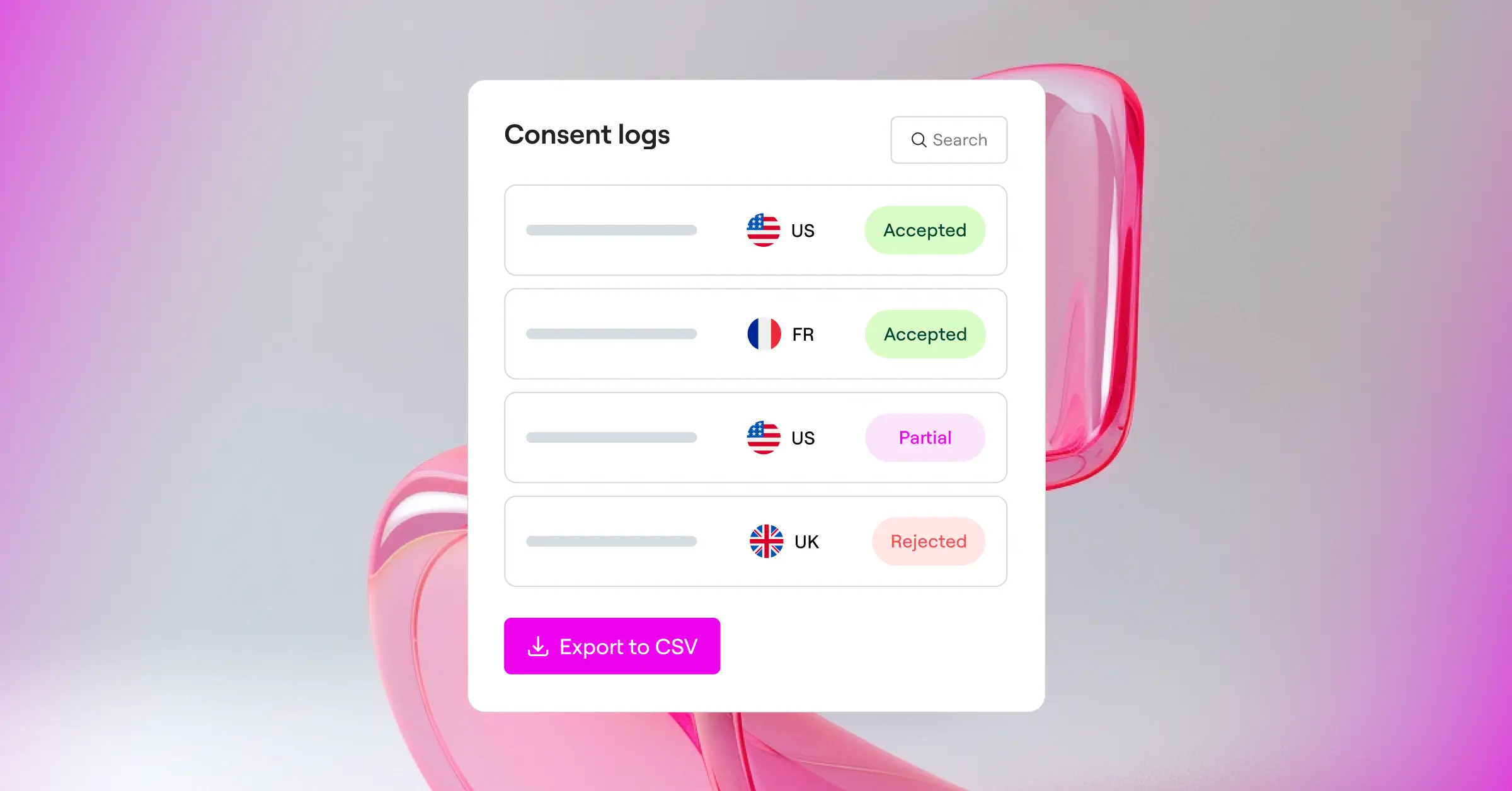
- Exports consent logs to CSV files for archiving and backup.
- Customizes buttons, fonts, and background colors to align with your site styling.
Pros: Familiar WordPress interface, reliable updates, and helpful support.
Cons: Advanced features like location detection require premium add-ons.
Verdict: A solid, traditional alternative if you prefer a classic, modular approach to compliance.
How to Choose the Right Tool for Your WordPress Site
With so many options, the right fit comes down to your technical setup, where your audience lives, and how you manage your site. Here’s a simple way to think it through.
- Evaluate your editing environment. If you’re building with Elementor, its built-in Cookie Consent capability is the natural choice: it matches your design system and avoids extra dashboards.
- Consider where your data is stored. To avoid third-party databases, look for tools that keep logs on your own server, like Complianz or Borlabs. For a cloud-managed audit trail, try CookieYes or Cookiebot.
- Check your marketing requirements. If you rely on Google Ads or analytics, make sure your tool supports Google Consent Mode v2, or your data accuracy will drop for EU traffic.
Picking something easy to maintain means you’re less likely to let compliance slip. Complex dashboards tend to get abandoned, so keep it simple.
Frequently Asked Questions
Is a cookie consent banner required for all WordPress sites?
Yes, if your site gets visitors from regions with strict privacy regulations like the EU (GDPR) or California (CCPA). Most sites use trackers, fonts, or embeds that collect data, so a compliance system is almost always necessary.
Will adding a cookie consent banner slow down my website?
It can, if you use heavy third-party scripts that load external assets before your main content. A native cookie consent capability avoids this since its code runs directly on your server alongside your theme.
What is Google Consent Mode v2 and why does it matter?
It’s a Google standard that communicates your visitors’ consent choices to Google services. Without it, ad tracking and analytics accuracy will suffer for EU visitors.
Can I customize the look of my consent banner to match my theme?
Yes. Most tools let you adjust colors, button shapes, and fonts. Native capabilities pull styles from your site settings, no manual CSS needed.
What happens if I don’t comply with cookie regulations?
Failing to comply can mean financial penalties from regulators. Major advertising platforms may also limit your tracking access, hurting your site’s visibility and ad performance.
Do free cookie consent tools offer full compliance?
Many entry-level plans work well for simple sites. But for geo-targeting, automated script blocking, or auto-generated legal documents, you’ll likely need a premium option or a capability like Cookie Consent from Elementor.
Can I host my consent logs on my own WordPress database?
Yes, several native tools store consent logs locally on your server, keeping data in your own system and avoiding third-party cloud storage fees.