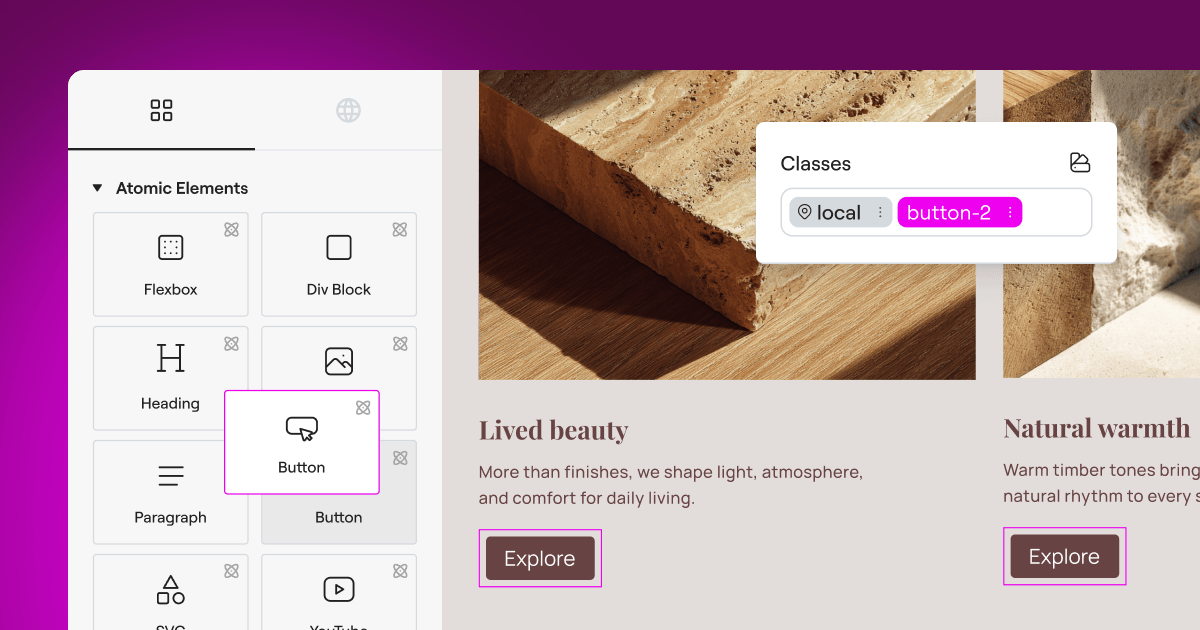
Running a website in 2026 means visitor privacy isn’t optional anymore, and if you’re on WordPress, you’ve probably run into the Termly vs Complianz debate. Both are well-established names in privacy compliance, but they work in totally different ways: one lives in the cloud, the other sits inside your dashboard. Pick wrong and you could slow your site down or risk a fine. We tested both, plus the top alternatives, to find the right fit.
Key Takeaways
- Termly is a cloud-based SaaS platform handling multiple sites and generating custom legal policies, though it means managing an external dashboard.
- Complianz offers a highly configurable, WordPress-focused setup wizard that keeps compliance settings right inside your site dashboard.
- For WordPress users, the native Cookie Consent capability by Elementor gives you a fast, zero-latency setup with no external platforms or complex scripts.
- Google Consent Mode v2 support is now non-negotiable for sites running Google Ads or Analytics, and both major contenders support it.
- Your choice comes down to a centralized cloud compliance suite versus a dedicated WordPress integration.
Understanding Cookie Consent in 2026
Getting compliant used to mean dropping a generic banner on your homepage and calling it done. Those days are gone. Regulators worldwide now enforce GDPR, CCPA, and a growing stack of regional rules, so visitors in Europe, the UK, or California need a smart cookie consent mechanism that blocks scripts before anyone clicks “Accept.” Google Consent Mode v2 is a hard requirement too: get the signals wrong and your marketing data stops flowing.
When you evaluate a tool, check how it scans your site, stores consent logs, and whether it slows page load. A sluggish banner hurts your visitors, rankings, and conversions.
Termly vs Complianz: 2026 Head-to-Head Comparison Table
Here’s a side-by-side look at how these tools compare on features, integrations, and setup style.
| Feature / Capability | Termly | Complianz | Cookie Consent (by Elementor) |
|---|---|---|---|
| Platform Type | Cloud-based SaaS portal | WordPress-specific tool | WordPress-native dashboard integration |
| Setup Complexity | Moderate (requires external portal setup) | High (detailed, multi-step wizard) | Low (quick 5-minute setup) |
| Google Consent Mode v2 | Supported on premium plans | Supported (free and premium) | Supported natively out-of-the-box |
| Consent Logging | Stored on cloud servers | Stored on your local database | Stored securely on your site dashboard |
| Design Customization | Visual editor in cloud portal | WordPress Customizer settings | Full theme style matching via editor |
| Legal Policy Generator | Includes Terms of Service & Privacy Policy | Generates cookie policies only | Includes built-in policy generator |
| Geo-Targeting | Available on paid tiers | Available on paid tiers | Included natively |
A Closer Look at Termly
Termly is a full compliance suite for businesses of any size, running as a cloud service: manage banners, run cookie scans, and generate legal policies from an external dashboard, then paste a small JavaScript snippet into your header.
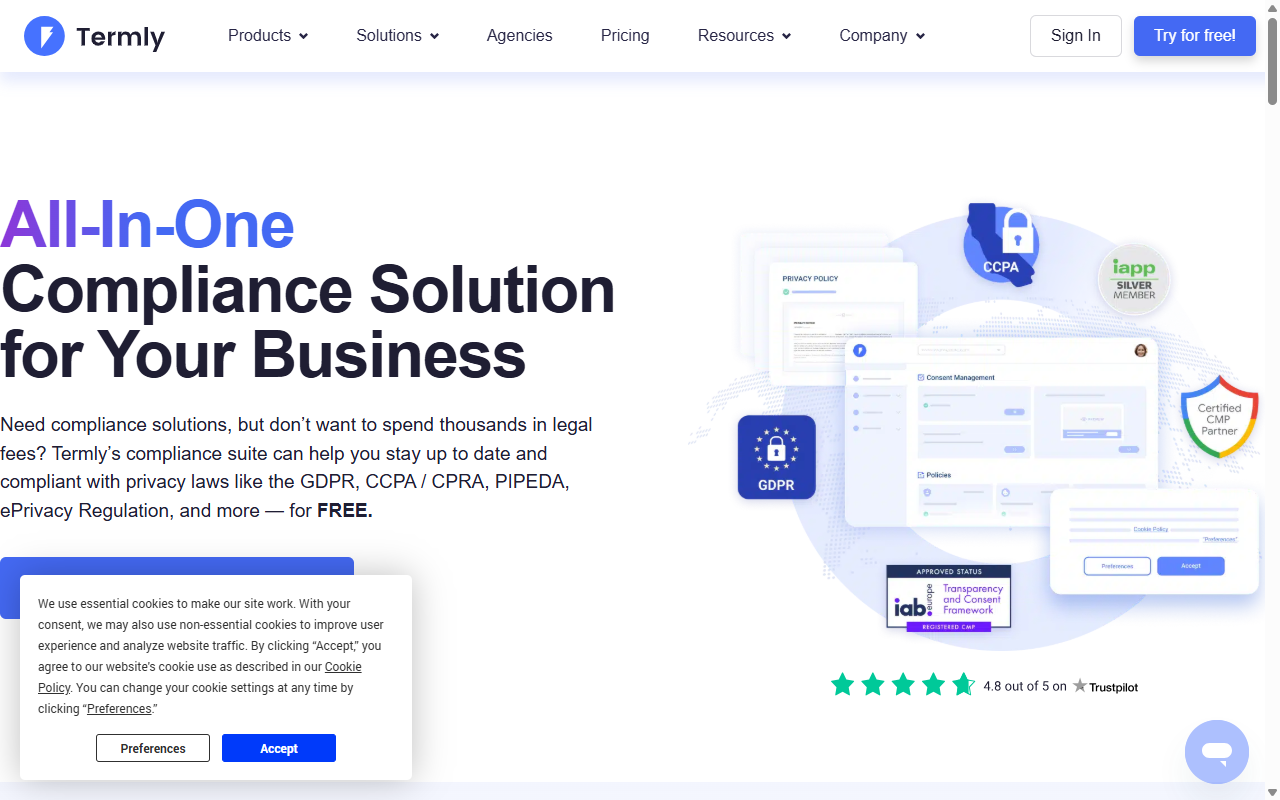
Its biggest strength is the legal policy generator, which drafts Privacy Policies, Terms and Conditions, and Disclaimer pages that update as laws change. Running several sites? Termly manages them from one dashboard, a real time-saver over separate logins. The tradeoff: your site depends on Termly’s servers for the banner, and the entry-level plan limits monthly consent logs and customization.
A Closer Look at Complianz
Complianz takes the opposite approach. It’s built specifically for WordPress, and everything happens inside your admin dashboard. A step-by-step wizard scans your site for active scripts, checks which ones are placing cookies, and configures your banner for the regions you target.
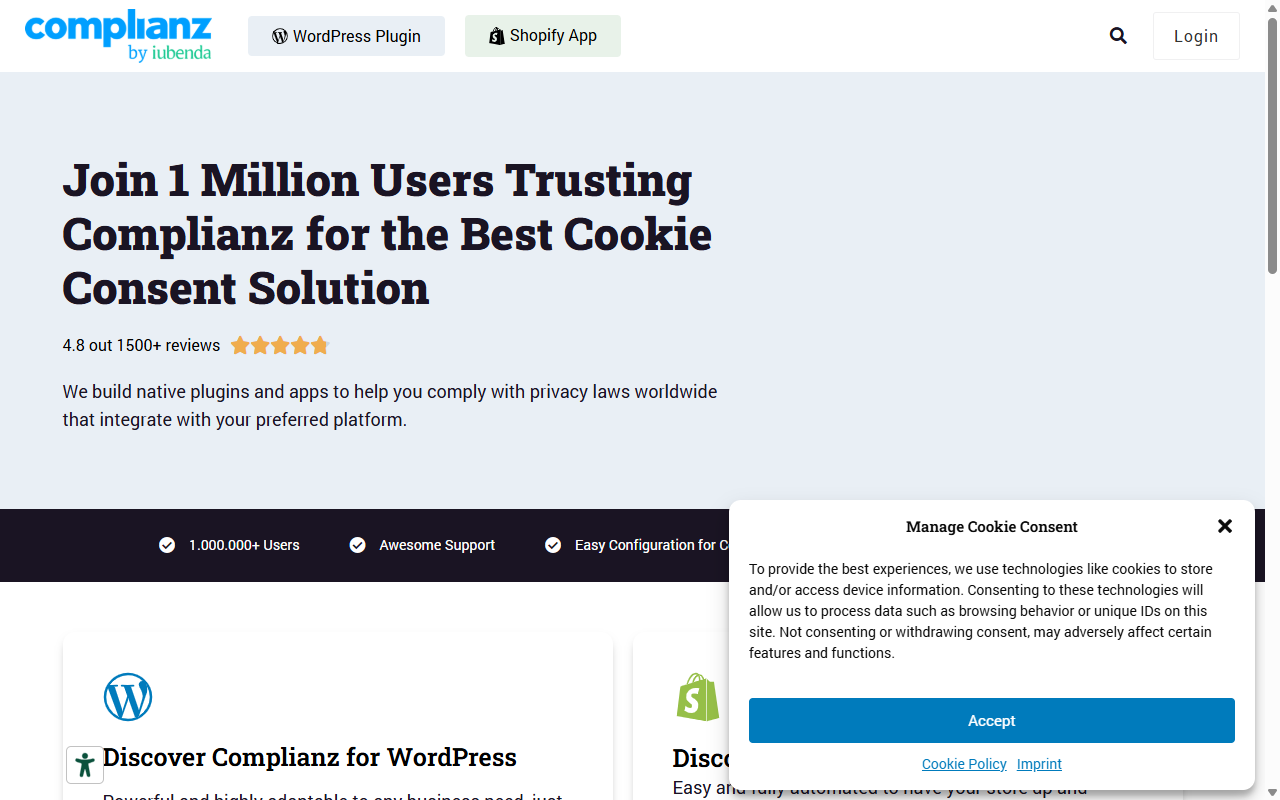
Customization runs deep: colors, fonts, and banner position all match your site, and it works well with popular translation tools for multilingual banners. Since everything runs locally, third-party downtime never slows your banner. The tradeoff is a wizard that feels like a lot at first, and it’s WordPress-specific, so switching means starting over.
“A native WordPress compliance tool reduces setup friction and keeps your site fast because it doesn’t rely on heavy external scripts loading from third-party servers. Keeping your consent logs local also makes audits far more straightforward.”
– Itamar Haim, Web Compliance Specialist
The Native Alternative: Elementor Cookie Consent
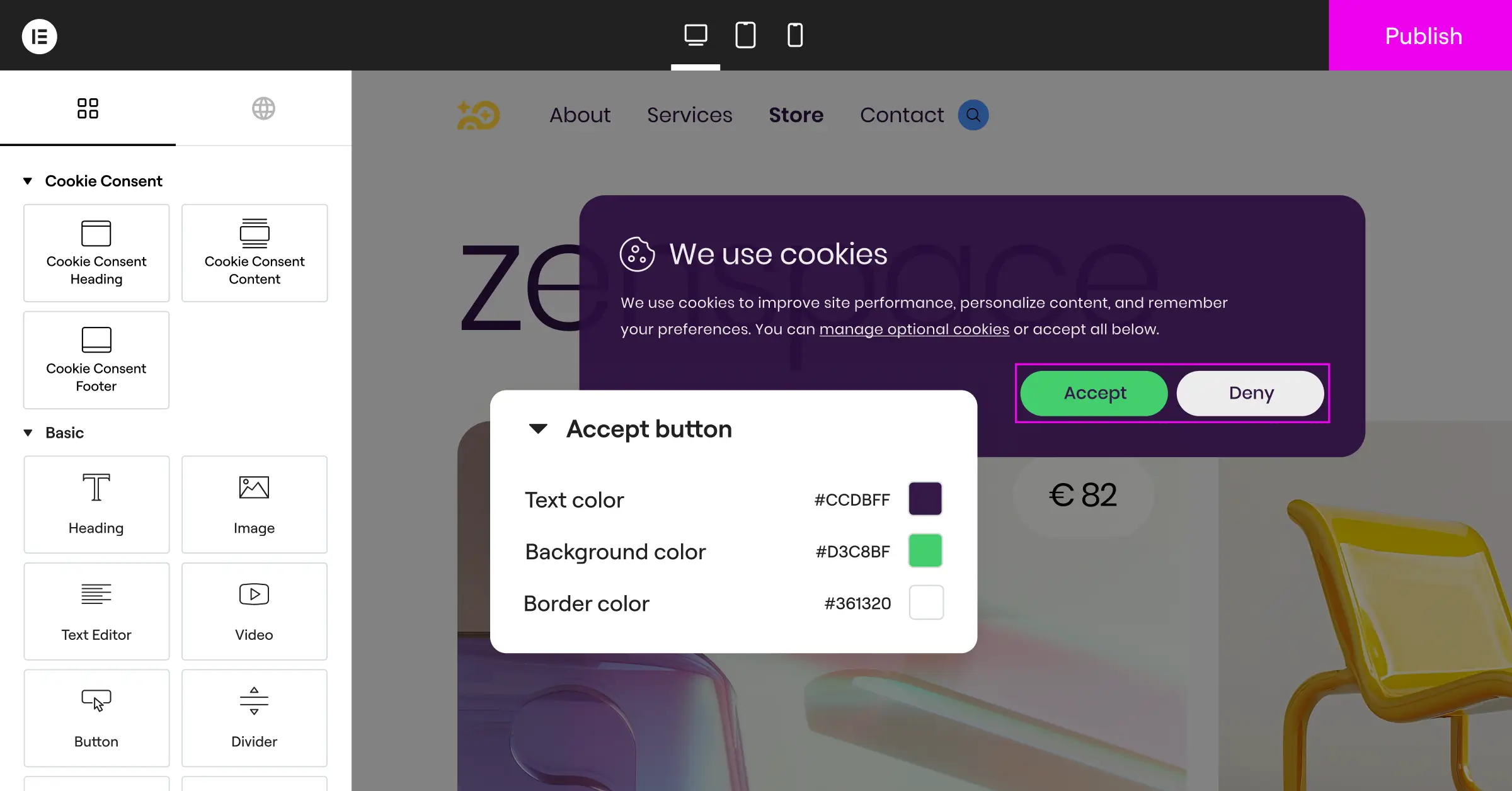
If you use Elementor, there’s a third option that sidesteps many friction points in both Termly and Complianz. The native Cookie Consent capability is built directly into WordPress, so you don’t need extra add-ons or external tracking scripts in your header.
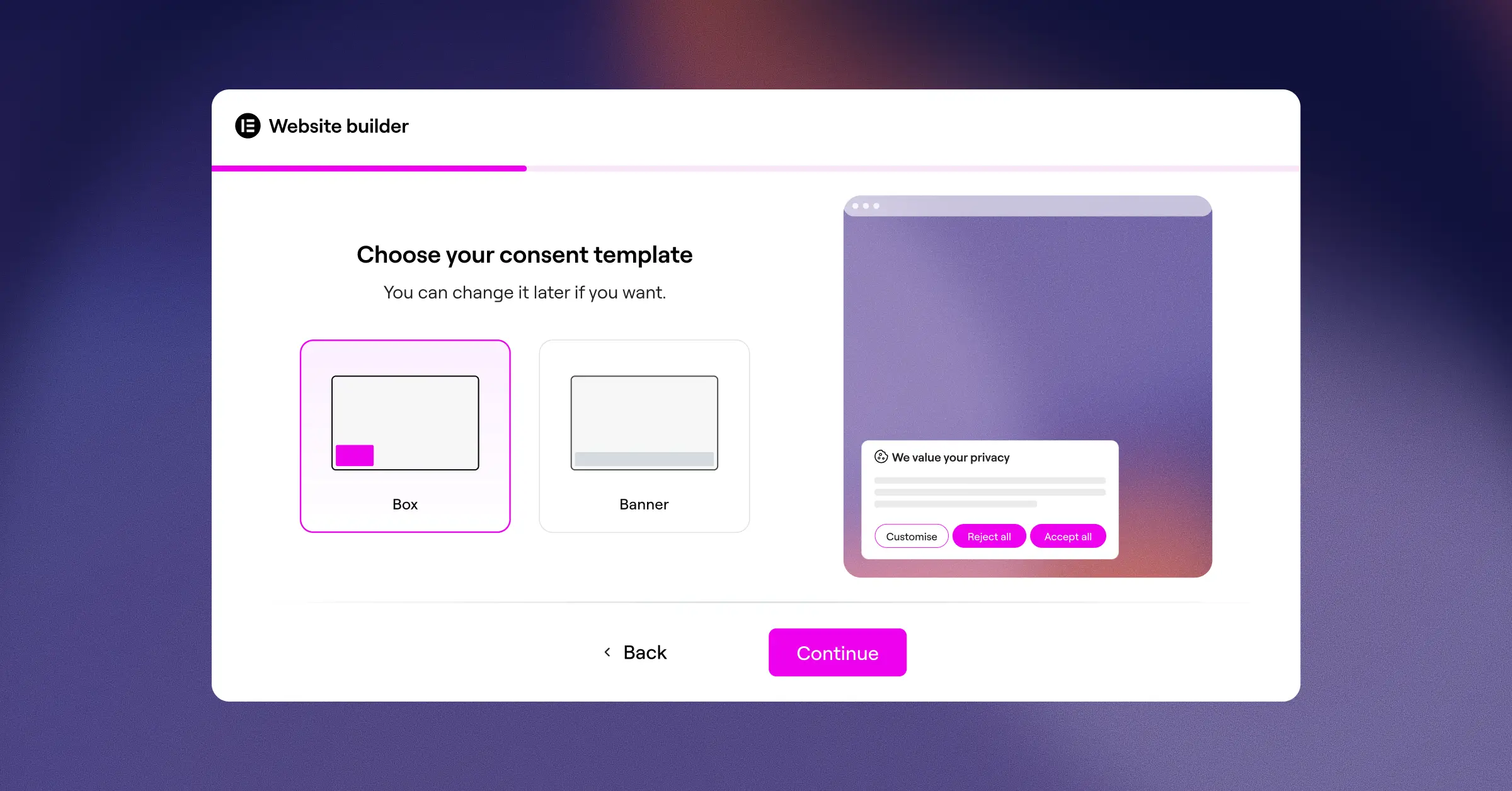
Setup is simple: a fast, three-step wizard gets you running in under five minutes, and since it’s built by the same team behind your site’s design, it picks up your brand styles automatically, no custom CSS needed.
It also supports Google Consent Mode v2 and Global Privacy Control (GPC). Target banners by location, generate clean consent logs for audits, and deploy banners with cloud-based templates, a tidy way to build visitor trust.
10 Best Termly vs Complianz Alternatives in 2026
Finding the right privacy tool means balancing legal coverage, ease of use, and performance. Here’s our list of ten consent management tools worth knowing.
1. Cookie Consent (by Elementor)
The WordPress-native consent capability for site owners who want speed and simplicity, delivering quick, on-brand compliance banners with no external dependencies.
- Builds responsive, on-brand consent banners directly inside your visual editor.
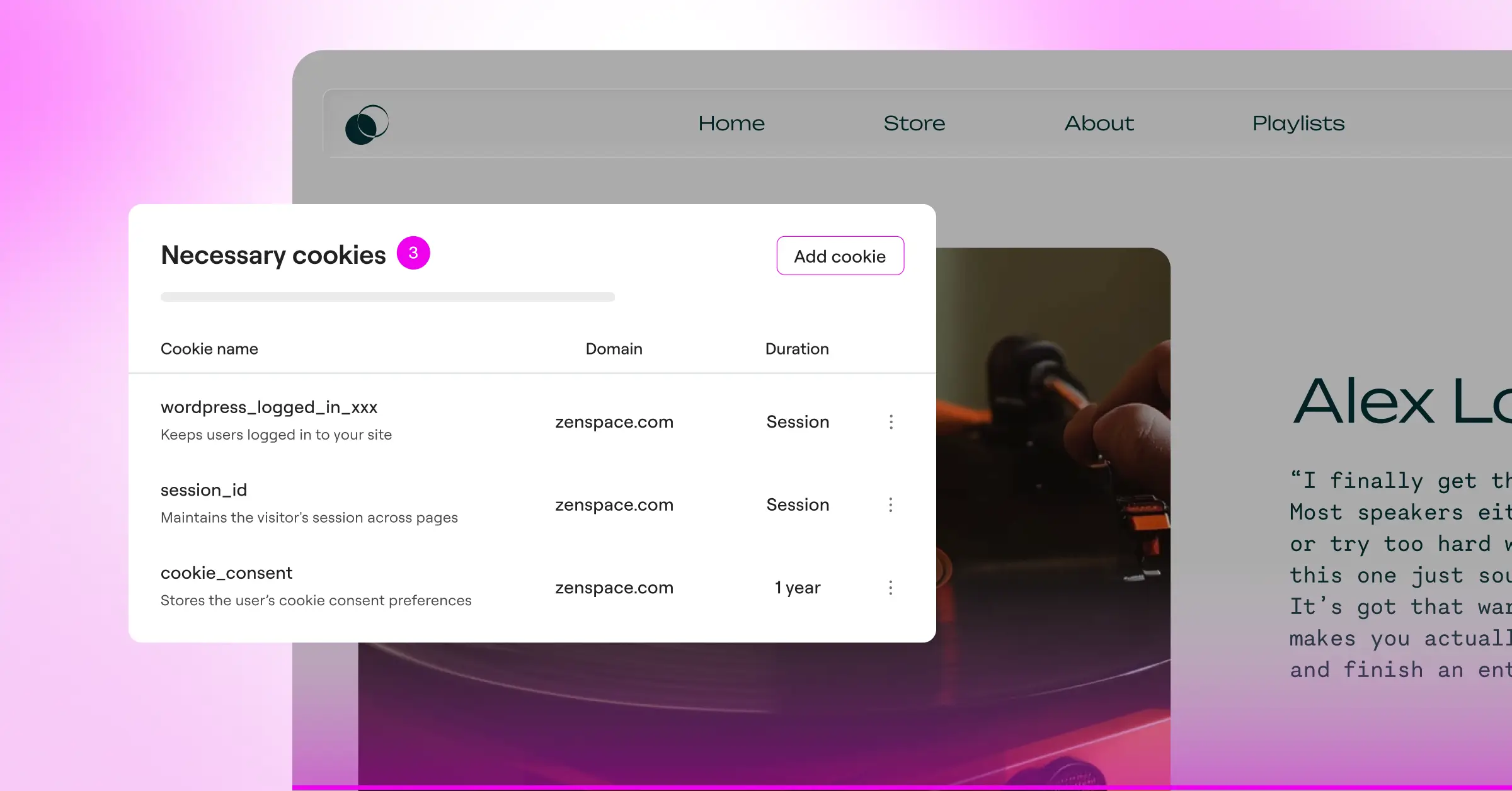
- Scans your site to identify and categorize tracking cookies automatically.
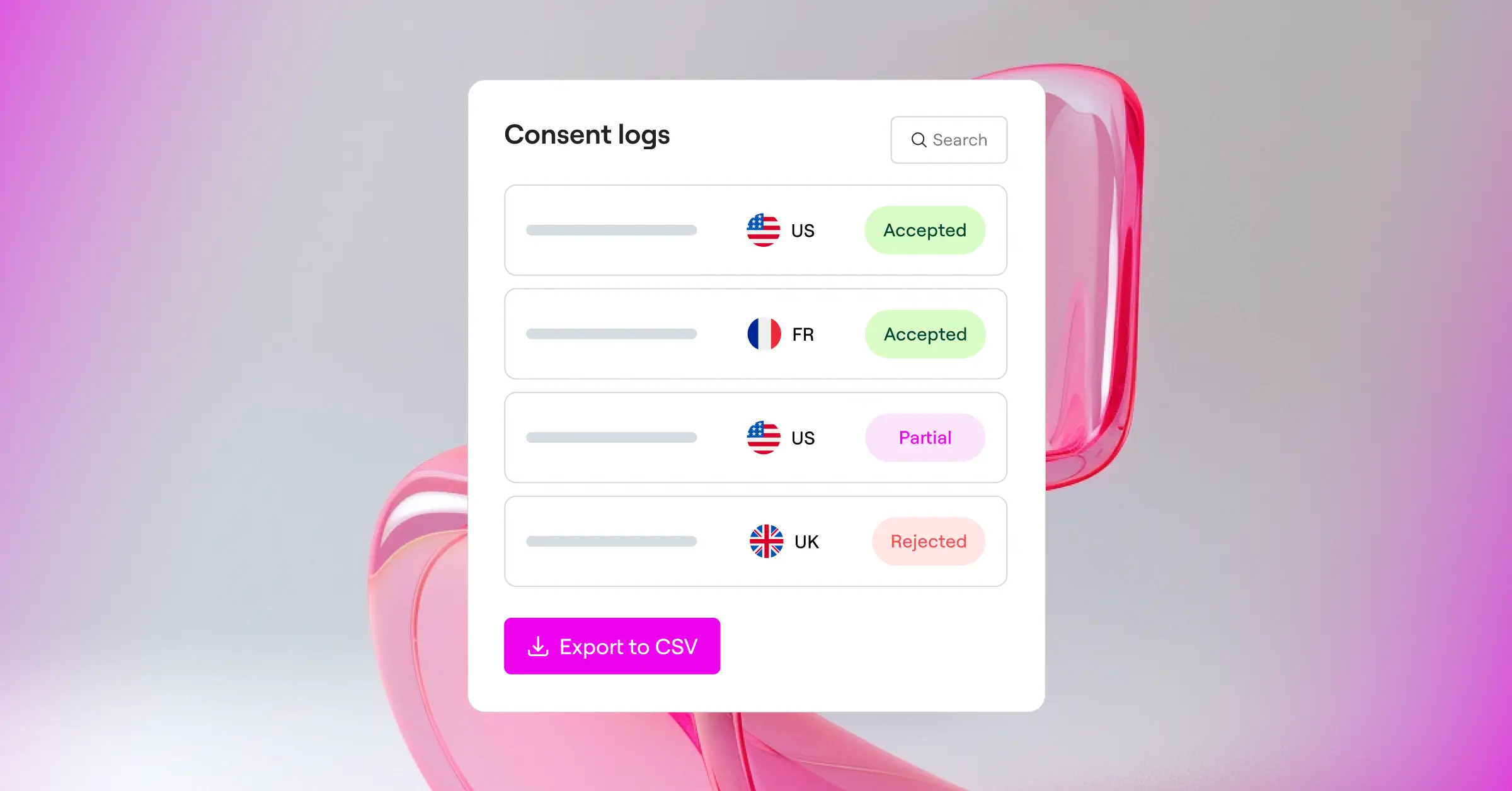
- Saves audit-ready consent logs directly to your WordPress database.
- Supports Google Consent Mode v2 natively for accurate marketing attribution.
- Targets visitors with geo-specific legal banners based on their country.
Pros & Cons: Fast setup, zero external dashboard clutter, matches your existing styles. Optimized mainly for WordPress, where most users are.
Verdict: The clear first choice for WordPress creators wanting a lightweight, modern setup.
2. Termly
A full cloud-based platform helping businesses manage legal policies and consent banners across multiple platforms from one login.
- Generates customized Privacy Policies and Terms of Service documents.
- Launches cookie banners that match your brand identity.
- Blocks tracking scripts automatically until the user grants consent.
- Monitors compliance updates across several global legal jurisdictions.
Pros & Cons: Solid legal document generator that works on any CMS. The dashboard is external, and the entry-level plan limits monthly pageviews.
Verdict: Best for businesses running multiple sites on different platforms who need full legal policies with their cookie banners.
3. Complianz
A highly detailed, WordPress-first tool with a thorough compliance scan and configuration wizard inside your admin panel.
- Configures your banner using an extensive, localized questionnaire.
- Detects which scripts are placing cookies on your visitors’ browsers.
- Integrates with popular translation systems for multilingual support.
- Saves all consent choices locally to protect user privacy.
Pros & Cons: Highly configurable and respects WordPress coding standards. The wizard can feel like a lot for users newer to compliance.
Verdict: A solid option for experienced WordPress users wanting granular, local control over their cookie setup.
4. Cookiebot
One of the longest-running cloud-based cookie tools out there, known for deep scanning and reliable compliance enforcement.
- Automates monthly cookie audits and generates clean reports for your records.
- Holds scripts back until visitors make their clear choice.
- Delivers a widget that’s straightforward to style with basic CSS.
- Supports universal consent sharing across multiple subdomains.
Pros & Cons: Industry-standard scanning accuracy and solid reliability. It can get pricey on sites with hundreds of pages.
Verdict: Best for established business sites and e-commerce stores needing accurate, automated cookie scanning.
5. CookieYes
A popular, lightweight cloud platform with a quick setup and clean dashboard for managing consent settings.
- Deploys a clean banner that doesn’t slow down your initial page load.
- Saves consent logs securely in an audit-ready cloud database.
- Categorizes cookies quickly using a large global database.
- Connects easily with Google Tag Manager for custom script handling.
Pros & Cons: User-friendly setup and clean design templates. Advanced styling needs custom code snippets.
Verdict: A solid middle-ground option for bloggers and small business owners wanting an easy cloud tool.
6. iubenda
An international compliance suite focused on legal document generation, auto-updating policies, and multi-language support.
- Translates your privacy policy and cookie banner into dozens of languages.
- Updates your legal text automatically whenever regional regulations change.
- Customizes banner layouts to fit your brand guidelines.
- Records consent actions in a secure, legal-grade storage system.
Pros & Cons: Strong legal document options, well-suited to global sites. Modular pricing can add up depending on the features you need.
Verdict: A good fit for international sites getting traffic from many countries, needing accurate multi-language legal policies.
7. OneTrust
An enterprise-grade privacy platform for large organizations managing complex compliance across thousands of web properties.
- Coordinates consent preferences across websites, mobile apps, and smart TVs.
- Maintains detailed audit records for strict regulatory checks.
- Secures user data with advanced access controls and encryption.
- Integrates with enterprise CRM systems to update marketing preferences.
Pros & Cons: Broad coverage across compliance laws. Far more complex and costly than most small-to-medium WordPress sites need.
Verdict: The industry standard for large enterprises, but well beyond what most WordPress site owners require.
8. Osano
A modern data privacy platform focused on compliance security, including a legal guarantee protecting your business from regulatory fines on premium plans.
- Guarantees compliance up to a specific financial limit on their premium plans.
- Blocks unauthorized trackers before they can run on your visitor’s browser.
- Maintains a curated database of vendor privacy ratings.
- Simplifies data subject access requests (DSAR) for your users.
Pros & Cons: The legal guarantee is a genuine differentiator, and the design options are appealing. Pricing puts it out of reach for smaller budgets.
Verdict: A good match for high-traffic sites and funded startups wanting to cut legal compliance exposure.
9. Termagedon
A unique policy generator built by actual lawyers, keeping legal documents current with changing federal and state privacy laws.
- Monitors legal changes across global and state governments automatically.
- Pushes policy updates directly to your site pages without your intervention.
- Drafts custom terms of service, privacy policies, and disclaimer pages.
- Keeps your business aligned with new US state privacy acts.
Pros & Cons: Lawyer-crafted legal policies that update automatically are genuinely useful. You’ll need a separate banner tool for script blocking.
Verdict: The best choice for auto-updating legal policies, but it needs a separate banner solution for cookie management.
10. Usercentrics
A developer-oriented consent system with good flexibility for building custom consent experiences on sites and apps.
- Consolidates consent data across all of your digital marketing touchpoints.
- Saves developer time with clear, thorough API documentation.
- Applies custom rules based on real-time user location data.
- Customizes your banner visual styles to look completely unique.
Pros & Cons: Strong technical API and good integration options. Non-technical users may find configuration tricky without developer support.
Verdict: A great pick for developers and product teams wanting a highly customized consent solution.
How to Configure Google Consent Mode v2 Correctly
Setting up a cookie banner is only part of the job. Run ads, and you also need Google Consent Mode v2 talking properly to your analytics tags, or you lose conversion tracking and retargeting audiences. Here’s the workflow.
- Enable Consent Mode in your tool. Go to your cookie consent dashboard (like the native Cookie Consent area in WordPress) and toggle on Google Consent Mode. This tells your site to send compliance pings to Google.
- Update your tag manager. With Google Tag Manager, make sure containers read the consent state before firing tags, and assign types like
ad_storageandanalytics_storageto your tracking scripts. - Set default consent to “denied” for regions with strict privacy laws, so nothing gets tracked until the visitor accepts your banner.
- Test it. Use Google Tag Assistant preview mode to confirm signals update from “denied” to “granted” once a visitor accepts the banner on your homepage.
Follow these steps and your ad accounts stay healthy, with marketing data you can trust. Modern tools like the native Cookie Consent capability build this logic right into the interface, so there’s no custom code to write.
Performance Comparison: Cloud Banners vs Native Scripts
One factor site owners often underestimate is performance. Every script takes time to download, parse, and run, so a banner depending on a slow external server means your page load takes a hit.
Cloud-based systems like Termly need your visitor’s browser to make an external connection just to load the banner. That round-trip adds milliseconds to your Largest Contentful Paint (LCP) score, and if the provider’s network is under load, your banner might flicker or load late. Native capabilities like Elementor’s Cookie Consent load straight from your own server, optimized with the rest of your page, so they load almost instantly and keep Core Web Vitals healthy. For more, check out the Elementor blog.
Frequently Asked Questions
Is Termly or Complianz better for a simple WordPress site?
Complianz usually fits WordPress-only sites best since everything runs inside your dashboard. For zero external clutter, the native Cookie Consent capability by Elementor gets you compliant in under five minutes.
Do I really need Google Consent Mode v2?
Yes. Running Google Ads, Analytics, or Floodlight tags for EU or UK visitors means Consent Mode v2 is required, skip it and you lose conversion tracking and campaign targeting.
Can a slow cookie consent banner affect my SEO?
It can. Heavy external cloud scripts can drag down Core Web Vitals, especially Cumulative Layout Shift (CLS) and Largest Contentful Paint (LCP). A fast, native tool avoids those issues entirely.
Where are the consent logs stored in Complianz?
Locally, in your WordPress database, keeping data private and independent of external servers, though it can add to database size over time on high-traffic sites.
Can I use Elementor’s Cookie Consent on non-Elementor pages?
Yes. It works across your whole WordPress site, so banners protect visitors no matter which page they land on first.
Is there a free or entry-level plan for Termly?
Yes, but with real limits: a low cap on monthly consent logs, one domain only, and no geo-targeting or Google Consent Mode v2 support.
What happens if a regulator audits my site’s cookie compliance?
You’ll need a clean consent log showing when and how visitors opted in. Complianz and Elementor’s Cookie Consent both keep local, structured logs that make audits easier.
Final Verdict: Which Compliance Tool Should You Choose?
The right tool comes down to how your site is built. Running multiple websites across systems like Shopify and custom HTML? Termly offers a cloud platform managing banners and legal documents from one location, good for teams fine with an external portal.
If you’re a dedicated WordPress user wanting everything inside your dashboard, Complianz is a detailed, local solution with real depth, though expect to spend time in its setup wizard.
And if you’re already using Elementor, the native Cookie Consent capability is the straightforward winner. It skips the extra extensions, heavy external scripts, and hours of complex settings, giving you quick, compliant banners that load fast and match your site’s style. Whichever option you choose, getting cookie consent sorted today protects your business and builds trust with visitors.

