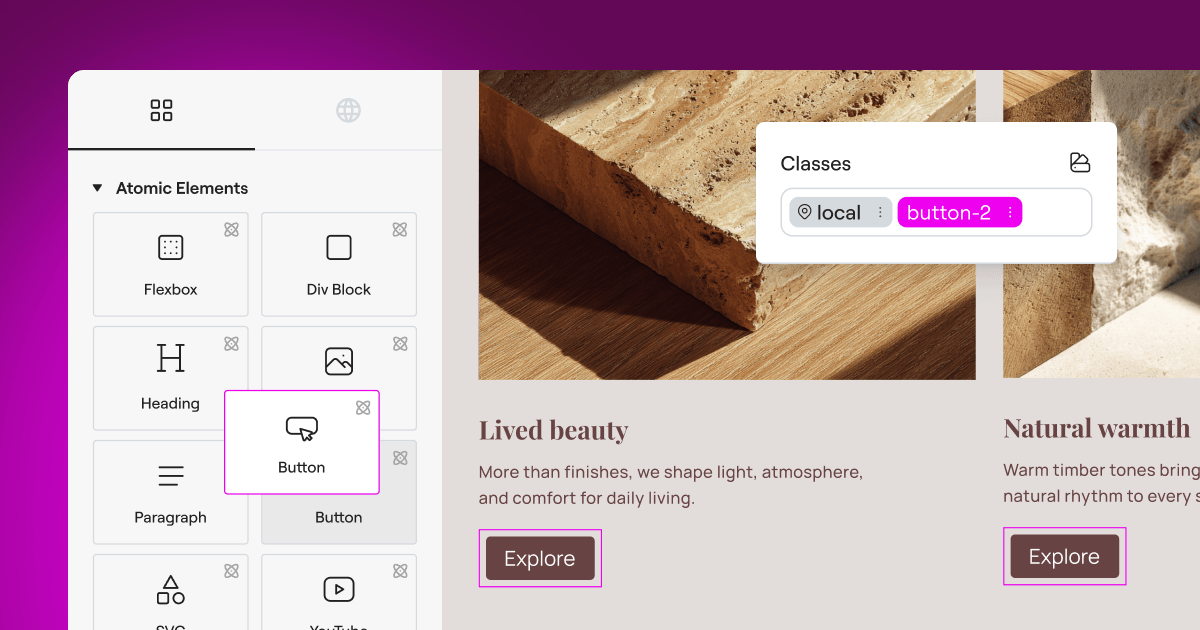
Keeping your WordPress site compliant with international privacy laws can feel like chasing a moving target. Between GDPR, CCPA, and the newer rules around Google Consent Mode v2, it’s easy to feel overwhelmed. The good news is that protecting your visitors’ data is more manageable than it looks, and you don’t need a law degree to get it right. Here, we’re comparing two popular privacy compliance solutions, iubenda and Complianz, plus the strongest alternatives for WordPress users in 2026.
Key Takeaways
- Complianz gives you a highly customized, WordPress-native experience right inside your site dashboard.
- Iubenda is an all-in-one, cloud-based compliance suite well-suited for multi-platform websites, though it has a steeper learning curve.
- Cookie Consent by Elementor is a dashboard-native alternative that simplifies compliance in just a few clicks.
- Google Consent Mode v2 support is now essential for any site using Google Analytics or advertising services in the EU.
- Choosing the right tool comes down to managing privacy inside WordPress or through an external cloud dashboard.
Managing WordPress Privacy in 2026
Privacy laws aren’t optional anymore. Search engines and advertising networks now require active, explicit consent before any non-essential tracking cookie loads. If your site serves visitors in the EU, UK, or California, you need a reliable way to let people choose which cookies they’ll accept. (This trips a lot of people up, since many assume a simple “OK” button is enough, but modern regulations call for category-level control.)
Fall short, and you risk losing valuable advertising data or running into compliance trouble. Fortunately, modern tools handle most of this automatically, so let’s see how the top contenders stack up.
Direct Comparison: Iubenda vs Complianz
Here’s a comparison table showing how these two services match up across the features that matter most.
| Feature | iubenda | Complianz |
|---|---|---|
| Platform Type | Cloud-based dashboard with integration scripts | WordPress-native dashboard |
| Setup Time | About 15 to 20 minutes | Under 10 minutes (wizard-guided) |
| Google Consent Mode v2 | Supported (requires manual setup or integration) | Supported (built-in toggle) |
| Consent Logging | Stored securely on cloud servers | Stored locally in your WordPress database |
| Policy Generator | Includes terms, conditions, and privacy policies | Includes cookie policy and privacy policy documents |
A Closer Look at Iubenda
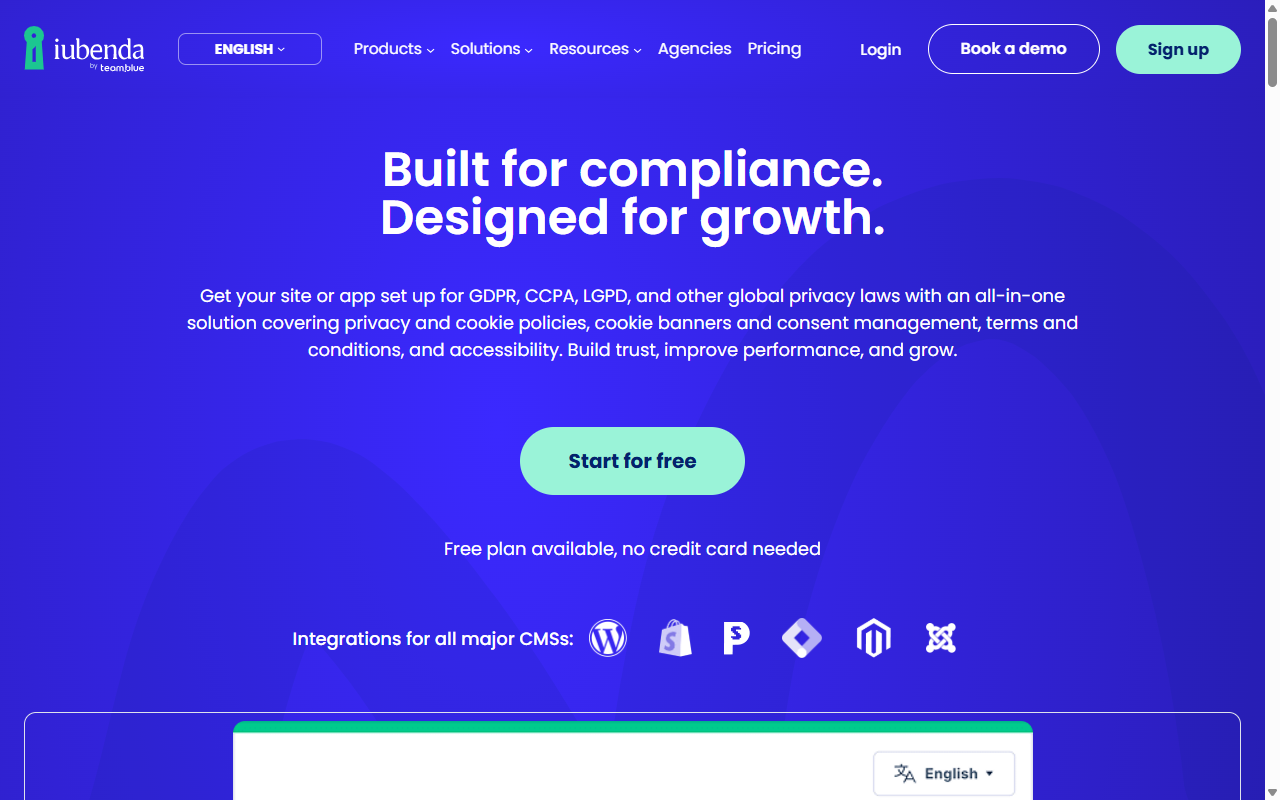
Iubenda is a complete, cloud-based compliance suite covering cookie consent banners, terms and conditions, and privacy policies. Since it runs on an external platform, you configure everything there, then paste a code snippet into your site to connect the two.
That setup makes iubenda flexible for agencies and multi-platform sites, whether that’s Shopify, Webflow, or custom HTML.
Key Features of Iubenda
- Scans your website automatically to identify active tracking scripts and cookies.
- Generates customized privacy policies, terms and conditions, and cookie policies.
- Stores user consent records securely on external, compliance-ready cloud servers.
- Translates your consent banners and policies into over thirty languages automatically.
- Blocks scripts dynamically before the user provides explicit consent.
- Applies geo-targeting to display different banners to visitors based on local laws.
Paid plans are billed monthly or annually. Check their website for current pricing.
Pros and Cons of Iubenda
Iubenda is a true all-in-one compliance system. It creates legal documents drafted by real lawyers and won’t add bulk to your WordPress database. The downside is that the external interface can feel like a lot at first, since you’ll be hopping between WordPress and the iubenda dashboard.
Our Verdict: Iubenda is a solid choice if you manage sites across platforms and want one centralized dashboard for legal compliance.
A Closer Look at Complianz
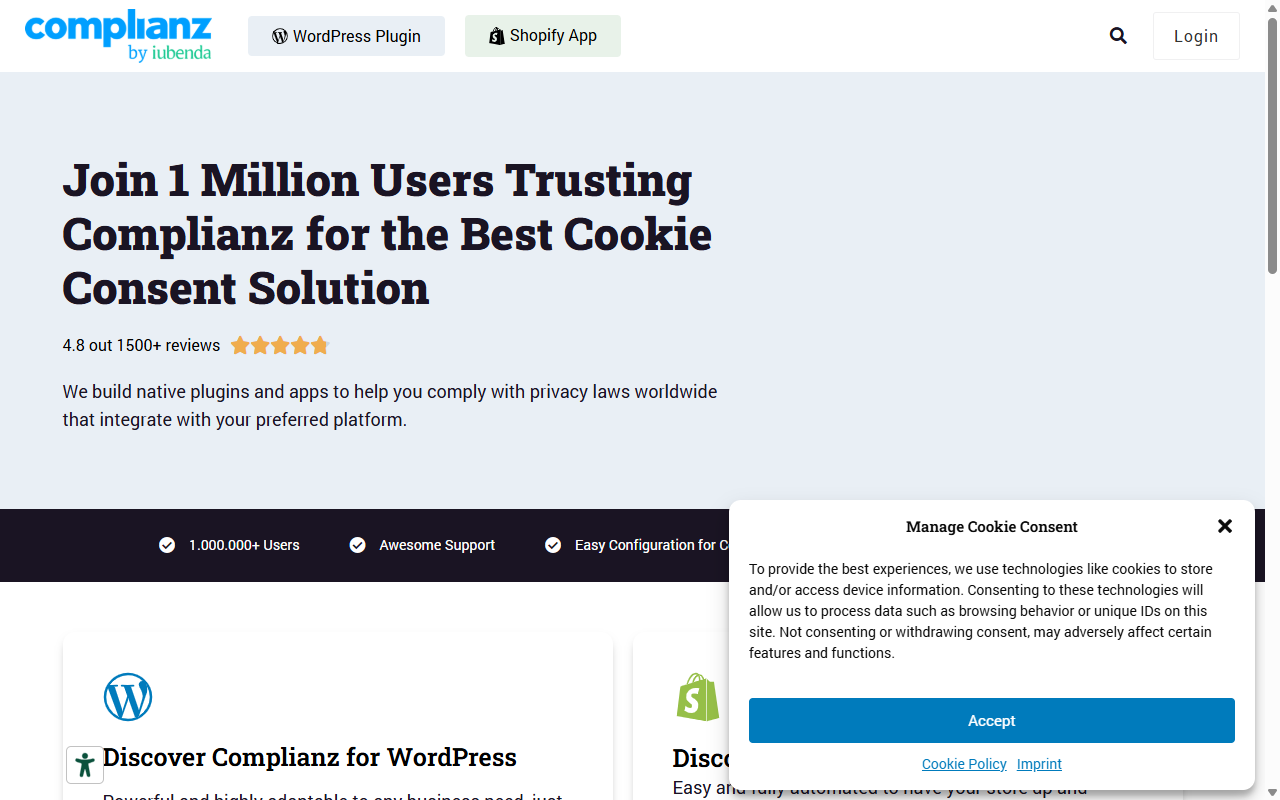
Complianz takes a different path. It’s built specifically for WordPress, so everything happens inside your dashboard, with no external portal and no code snippets to paste into your header.
From install, Complianz walks you through a setup wizard that checks your active plugins, detects your site’s configuration, and helps you build a banner that fits your theme. (It’s simpler than it sounds.)
Key Features of Complianz
- Integrates directly with your native WordPress dashboard for central management.
- Runs a thorough wizard that auto-detects active plugins and their associated cookies.
- Generates legally recognized cookie policies specifically designed for your site configuration.
- Supports Google Consent Mode v2 out of the box with a simple toggle.
- Blocks third-party scripts like Google Maps, YouTube, and Facebook automatically.
- Saves consent statistics locally on your database to keep visitor data on your own server.
Premium packages add geo-targeting, premium legal documents, and multi-site support. Check their official site for current plans.
Pros and Cons of Complianz
The biggest benefit of Complianz is its native WordPress integration, feeling like a natural extension of your site that works well alongside other WordPress tools. On the downside, storing data on your own server can gradually grow your database on very high-traffic sites, and it’s WordPress-only.
Our Verdict: Complianz is a strong pick for WordPress users who want a simple, native experience with no external accounts to manage.
“When choosing a compliance tool, WordPress owners should prioritize simplicity and reliability. A native solution that keeps users inside their dashboard while still supporting modern standards like Google Consent Mode v2 is always a smart choice.”
– Itamar Haim, Web Compliance Specialist
A Dashboard-Native Alternative Worth Knowing About
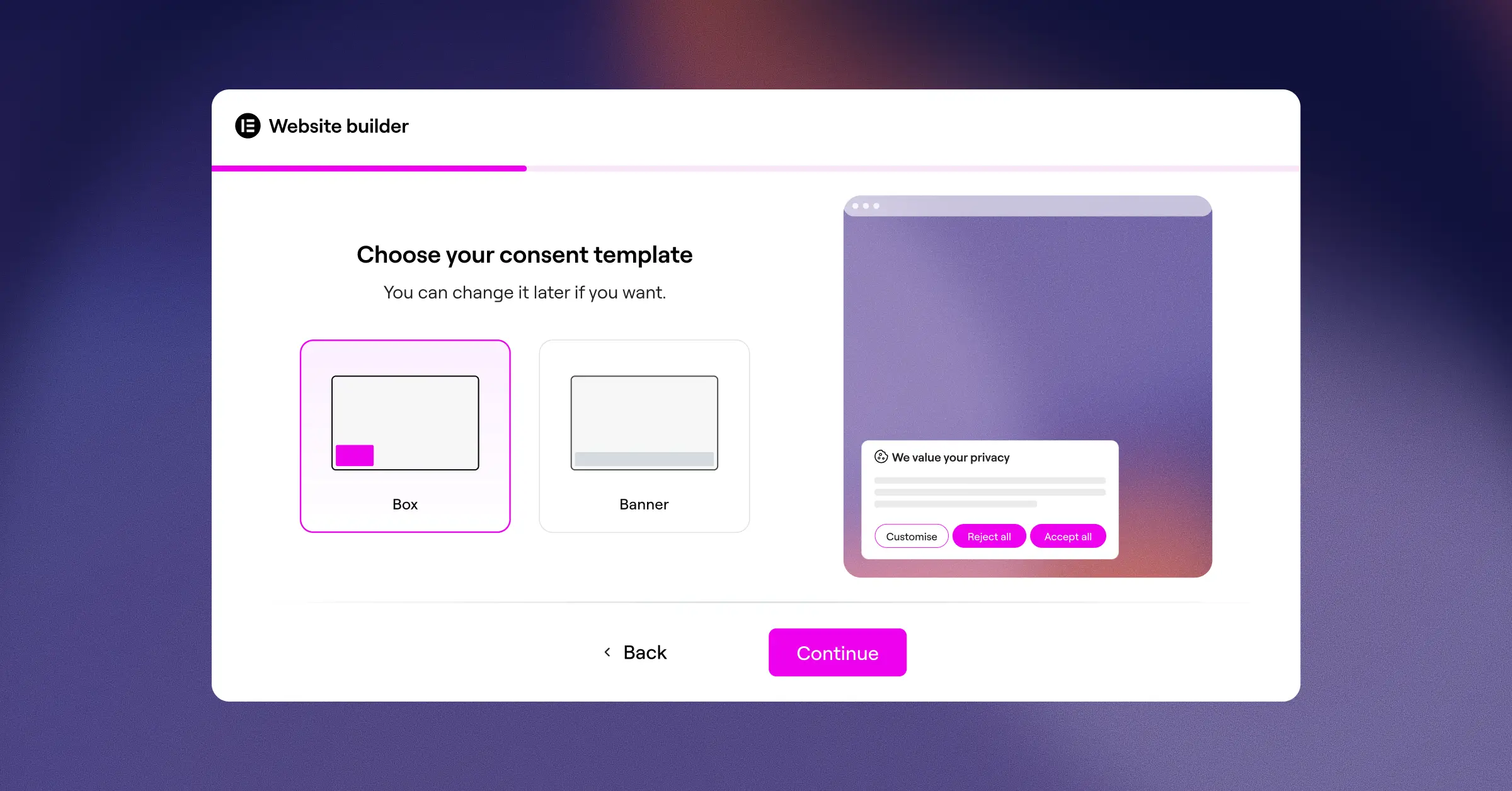
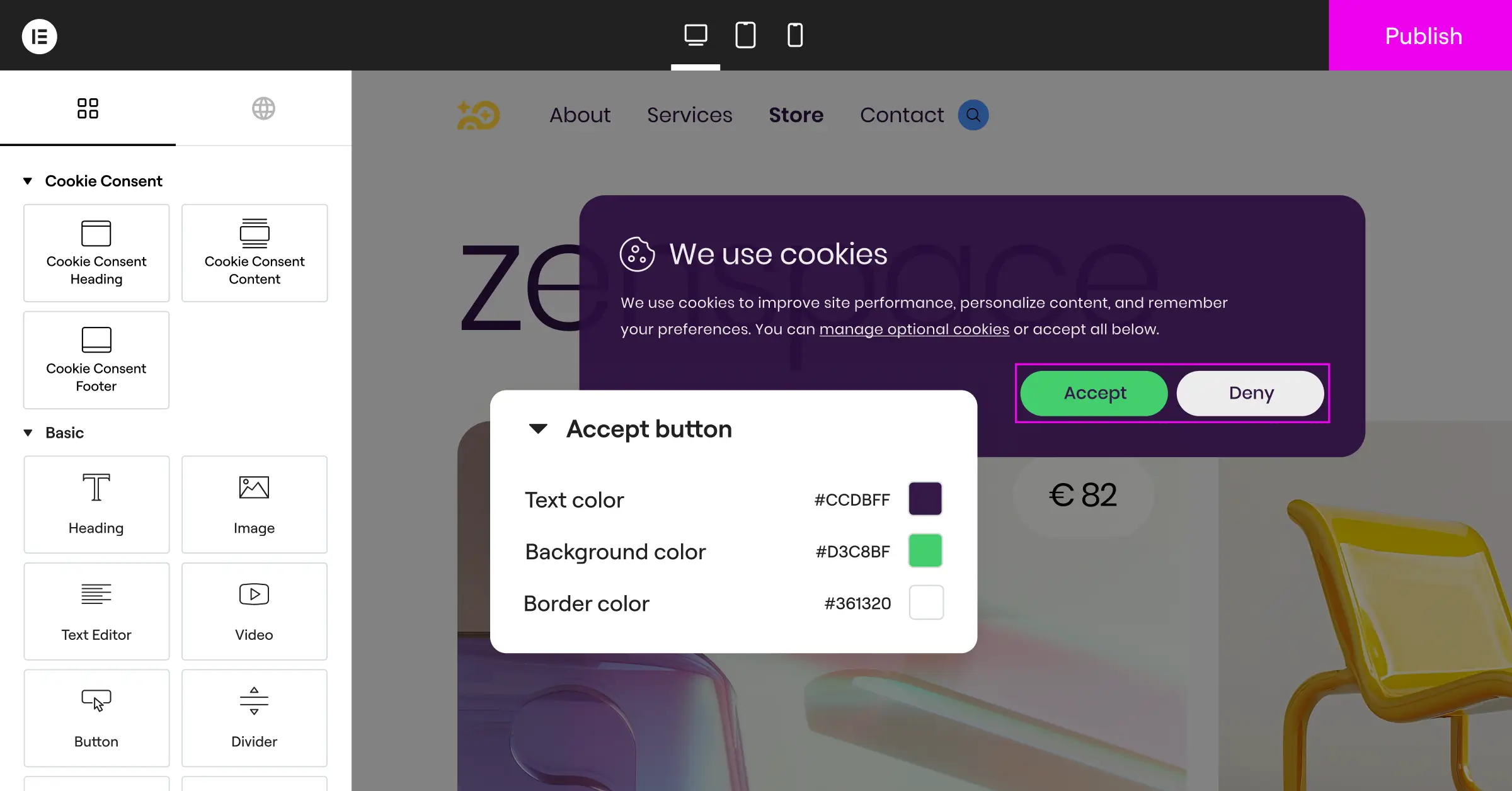
If you like keeping your site lean and managing everything from one place, there’s a modern option worth knowing about. The Elementor Cookie Consent capability is built natively for WordPress, handling GDPR and CCPA compliance right from your dashboard, no external services required.
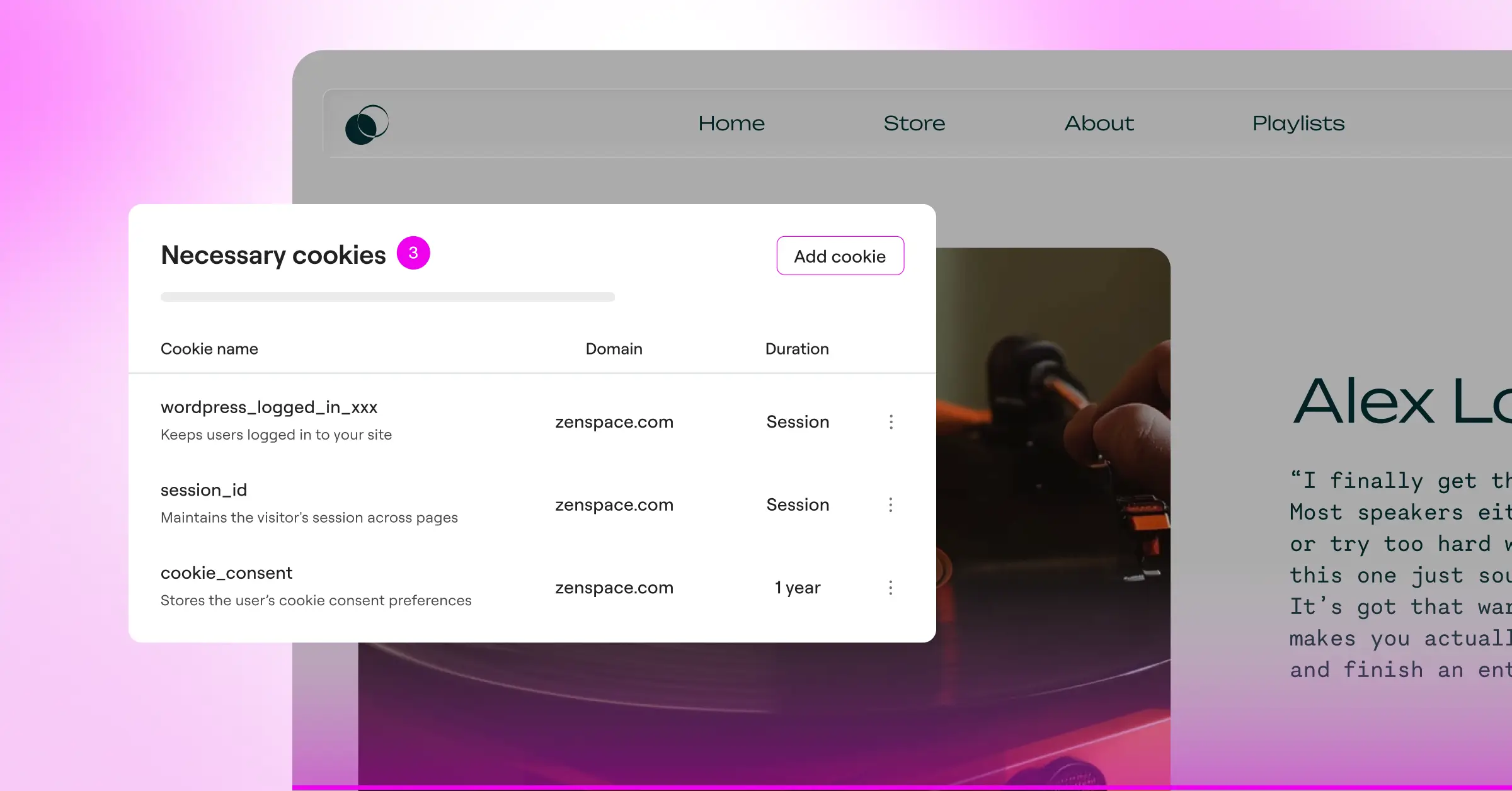
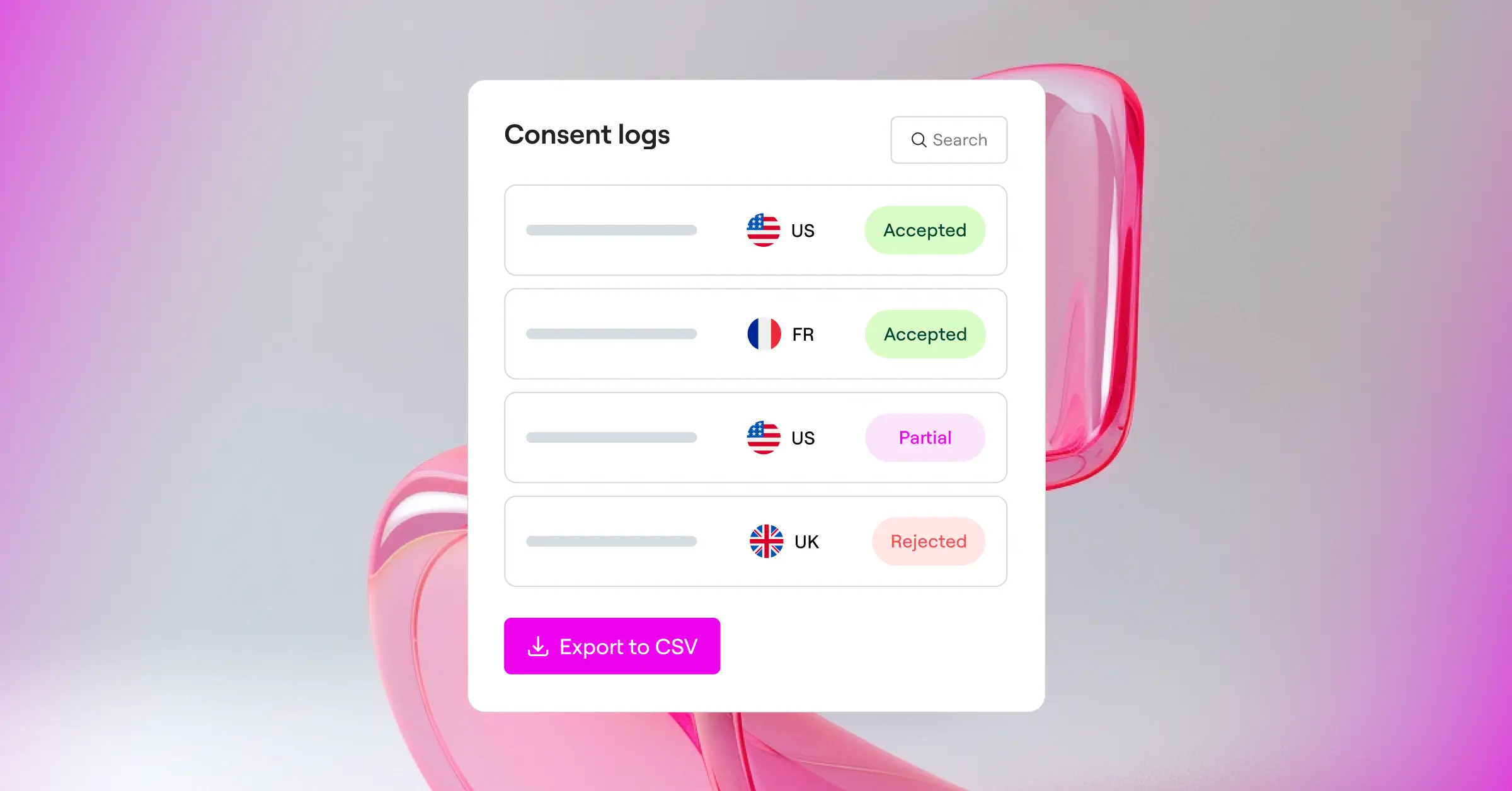
With this native cookie consent tool, you can run automatic cookie scans, categorize scripts, customize banner designs to match your branding, and keep solid consent logs for audit readiness. Built into the Elementor ecosystem, it sidesteps script conflicts that sometimes crop up with third-party tools, and it supports Google Consent Mode v2 and Global Privacy Control (GPC).
The 10 Best Cookie Consent Solutions for WordPress in 2026
To give you the full picture, here are the top ten tools you’ll find in 2026, whether you’re running a personal blog or managing client sites at an agency.
1. Cookie Consent (by Elementor)
A native dashboard capability that makes compliance simple, built to keep your workflow unified so you never have to leave WordPress.
- Builds fully branded consent banners using native styling options that match your site’s design.
- Scans your site automatically to categorize cookies and scripts without lag.
- Tracks user consent actions and compiles consent logs for audit protection.
- Supports Google Consent Mode v2 and Global Privacy Control out of the box.
- Saves setup time with a 3-step configuration that takes under five minutes.
- Comes included in the Elementor One suite at no extra cost.
Pros: Strong performance, native workflow, no external dashboard, smooth design integration.
Cons: Best suited for sites built within the Elementor ecosystem.
2. Complianz
This WordPress compliance tool is known for its wizard-driven approach and local data storage.
- Guides users through a simple legal questionnaire to determine exact compliance requirements.
- Blocks social media integrations and video embeds until consent is granted.
- Generates customized legal documents that update automatically when laws change.
- Connects with WordPress translation tools for localized visitor experiences.
Pros: Intuitive wizard interface, reliable performance, automatic script blocking works smoothly.
Cons: Storing consent logs locally can gradually grow your database size on high-traffic sites.
3. Iubenda
A complete cloud compliance platform for managing legal agreements and cookie banners across multiple sites from one account.
- Updates your privacy policies automatically whenever local or international laws change.
- Delivers a central cloud dashboard to manage multiple sites from one screen.
- Customizes banner designs through an intuitive online style builder.
- Manages terms and conditions documents alongside cookie consent preferences.
Pros: Professional-grade legal documents, well-suited for multi-platform agencies.
Cons: Requires managing an external account, and setup takes more technical comfort than native tools.
4. Cookiebot
A widely used, cloud-based consent management platform focused on thorough cookie scanning and categorization.
- Scans your website monthly to find and categorize every cookie automatically.
- Delivers clear, downloadable cookie reports for your visitors and stakeholders.
- Supports automated script blocking without requiring custom code adjustments.
- Stores user consent data in a secure, cloud-based repository.
Pros: Thorough scanning engine, trusted brand, solid cloud stability.
Cons: Can become expensive quickly if your website has thousands of automated archive pages.
5. CookieYes
A popular cloud tool with a straightforward dashboard and quick WordPress integration.
- Creates lightweight, fast-loading consent banners that don’t slow down your pages.
- Supports translation into more than thirty languages with a single click.
- Records complete consent registries to prove legal compliance during audits.
- Integrates easily with major tag management systems like Google Tag Manager.
Pros: Modern interface, quick setup, minimal impact on page loading speeds.
Cons: The entry-level plan displays a visible branded link on your banner.
6. Termly
An all-in-one compliance platform built for small businesses and startups, especially useful if you need policy generators too.
- Generates customized privacy policies, terms of service, and return policies.
- Scans your site on a scheduled basis to detect newly installed trackers.
- Displays a clean, modern preference center for granular cookie choices.
- Protects user data with proper handling of CCPA and GDPR rights requests.
Pros: Easy-to-read legal templates, clean interface, friendly setup guides.
Cons: Pageview limits on the entry-level plan can be reached quickly on growing sites.
7. Osano
An enterprise-grade data privacy platform focused on full compliance and risk management.
- Guarantees compliance through a financial pledge for premium users.
- Blocks hidden trackers and third-party scripts with advanced cloud algorithms.
- Displays localized banners to visitors in over forty countries instantly.
- Monitors vendor compliance to confirm your partners follow data privacy rules too.
Pros: Enterprise-grade reliability, legally backed guarantees, powerful tracker blocking.
Cons: Pricing puts it out of reach for most small business owners and independent bloggers.
8. OneTrust
One of the largest enterprise consent management platforms on the market, built for large organizations with multi-jurisdiction needs.
- Centralizes compliance operations across web, mobile apps, and internal company databases.
- Adapts dynamic banners to meet the legal requirements of hundreds of jurisdictions.
- Delivers deep reporting analytics for compliance officers and legal teams.
- Syncs user preferences across multiple devices and brand websites simultaneously.
Pros: A trusted standard for enterprise compliance, extensive customization options.
Cons: Complex to configure and requires significant onboarding time to master.
9. Usercentrics
A highly adaptable consent platform that stands out for design flexibility and custom API integrations.
- Builds custom consent interfaces using their developer-friendly SDK.
- Saves audit-ready consent records securely within cloud databases.
- Connects smoothly with advertising tools to run marketing campaigns compliantly.
- Updates cookie databases constantly to recognize new web trackers automatically.
Pros: Strong developer tools, clean default designs, highly customizable for advanced teams.
Cons: Setting up custom configurations requires moderate development experience.
10. Securiti
An AI-powered data privacy and governance suite for complex cloud environments and large-scale web applications.
- Discovers sensitive data across your entire web architecture automatically.
- Builds real-time data maps to show where visitor information travels across your systems.
- Automates the processing of user data deletion and access requests.
- Maintains fast consent banners that adapt to local visitor locations dynamically.
Pros: Impressive automation capabilities, excellent data discovery across complex setups.
Cons: Far too complex and expensive for most standard WordPress sites.
How to Choose the Best Solution for Your Site
To narrow down your options, think about how you want to manage your site day to day. A few questions can point you in the right direction:
- Do you want to manage everything inside WordPress? If keeping your workflow simple is the priority, native tools like Elementor’s cookie consent capability or Complianz are worth a look, since you won’t need another login or dashboard to juggle.
- Do you manage multiple sites on different platforms? If you’re running a WordPress blog, a Shopify store, and a custom landing page, a cloud-based tool like iubenda or Cookiebot lets you handle everything from one account instead of juggling separate setups for each.
- Are you on a tight budget? Look for options with strong entry-level plans and no hidden pageview limits. Plenty of solid free tiers cover everything a small blog needs.
The goal is to make your life easier while keeping your visitors protected. Try a couple of entry-level plans, see which interface feels most natural, then get back to building great content.
Frequently Asked Questions
Is a cookie consent banner required for a personal WordPress blog?
Yes, if your blog uses analytics tools, social sharing buttons, or display ads that place tracking cookies on visitors’ devices. Readers in the EU, UK, or California need a clear way to accept or decline those trackers.
What is Google Consent Mode v2 and why does it matter?
Google Consent Mode v2 is a standard Google requires for sites using Google Analytics or Google Ads in the European Economic Area. It tells Google’s servers how a visitor wants their data handled, and without a compliant tool, you may lose conversion tracking or custom advertising audiences.
Will using a cookie consent tool slow down my website?
Some external, cloud-based tools add a brief delay since they pull scripts from remote servers. Native solutions like Elementor’s cookie consent capability or Complianz run quickly and rarely dent your performance scores.
Do I need a lawyer to write my privacy and cookie policies?
Hiring a lawyer is safest for complex operations, but tools like Complianz and iubenda include built-in policy generators designed by legal specialists, saving real time and expense for most standard cases.
Where are consent logs stored?
It depends on the tool. Native WordPress capabilities save consent logs in your local database, while external cloud tools like iubenda or Cookiebot store records on their secure servers. Both approaches hold up for compliance audits.
Can I customize the look of my consent banner?
Yes, nearly all modern consent tools let you change colors, fonts, button styles, and positions. A native tool like Elementor’s Cookie Consent capability gives deeper design control, so the banner feels like part of your theme.
What is the difference between GDPR and CCPA?
GDPR requires visitors to actively opt in before you load tracking cookies. CCPA works on an opt-out basis, requiring a clear way for visitors to say “Do Not Sell My Personal Information.” Modern consent tools adjust banners dynamically based on visitor location.

