If you run a WordPress site, you already know privacy compliance can feel like its own part-time job. Regulations keep tightening across Europe, North America, and beyond, and you need a setup that respects your visitors, satisfies regulators, and fits the way you already work.
Today we’re comparing two ways to handle it: Cookie Consent, the WordPress-native compliance tool built into the Elementor ecosystem, and iubenda, a widely used multi-platform privacy suite. Both keep you on the right side of the law, just in very different ways. Here’s how to pick the one that fits your site in 2026.
Key Takeaways
- Workflow Integration – Cookie Consent lives entirely inside your WordPress dashboard, while iubenda runs from an external cloud platform.
- Setup Speed – You can get the native cookie consent capability live in under five minutes with a simple three-step process.
- Google Consent Mode v2 – Both tools fully support Google Consent Mode v2, essential if you run ads or analytics in Europe.
- All-in-One Value – Cookie Consent is included in Elementor One, making it a genuinely cost-effective choice for active builders.
- Legal Scope – iubenda covers broader legal document generation (like terms and conditions), while the native tool focuses on on-site cookie compliance and page performance.
The Changing World of Privacy Compliance
A few years ago, a banner that said “we use cookies” was enough. Those days are over. Regulators across Europe, North America, and elsewhere have handed out real fines to sites that don’t give users genuine control over their data, and enforcement keeps growing.
At the same time, browsers are phasing out third-party cookies, and Google now requires Google Consent Mode v2 for any site running ads or analytics in the European Economic Area. Get the signaling wrong and your marketing data stops flowing (this one trips people up more than almost anything else). Your compliance tool choice touches marketing, design, site speed, and legal safety at once, so let’s see how these two stack up.
Cookie Consent vs iubenda: Feature Comparison
Here’s a quick bird’s-eye view of how the two solutions compare across the features site owners care about most.
| Feature / Capability | Cookie Consent (Native) | iubenda (Cloud Suite) |
|---|---|---|
| Dashboard Location | 100% WordPress-Native | External Cloud Dashboard |
| Setup Time | Under 5 minutes | 15 to 30 minutes |
| Google Consent Mode v2 | Fully supported (out of the box) | Fully supported (requires configuration) |
| Consent Logging | Stored locally in your WordPress database | Stored on external cloud servers |
| Global Privacy Control (GPC) | Built-in support | Supported in premium plans |
| Geo-Targeting | Yes, shows banners based on user location | Yes, dynamic legal adjustment |
| Design Control | Deep integration with site style settings | Style editor within cloud dashboard |
| Policy Generation | Built-in policy generator | Complete legal document generator |
| Multilingual Banners | Supported natively | Supported via manual translation settings |
A Closer Look: What Is Cookie Consent?
The native Cookie Consent capability is Elementor’s dedicated privacy compliance tool, built specifically for WordPress. Instead of sending you to a separate SaaS platform every time you tweak a setting, it keeps everything inside your WordPress admin, with no tracking codes to copy, no API keys to manage, and no external accounts to juggle. Because it’s built into the system, you style your banner with the design controls you already use, so compliance feels like a natural part of your brand.
“When you’re building websites for clients, every external script you add introduces a point of failure and a potential drag on performance. A WordPress-native approach to compliance keeps the codebase clean, keeps performance high, and simplifies client handoffs enormously.”
– Itamar Haim, Web Compliance Specialist
Key Capabilities of Cookie Consent
- Manages your entire compliance workflow from the WordPress dashboard, with no external logins or third-party accounts to maintain.
- Sets up in exactly three steps, taking you from zero to a fully compliant banner in under five minutes (genuinely simpler than it sounds).
- Scans and categorizes cookies on your site automatically, keeping your cookie list accurate as your site evolves.
- Stores secure, searchable consent logs directly in your WordPress database, ready for an audit whenever you need one.
- Targets banners by visitor location, showing specific consent prompts only to people from regions that require them, like the EU or California.
- Connects directly with Google Consent Mode v2 to keep your analytics and advertising data flowing legally.
If you already use Elementor’s suite of tools, this capability is a natural extension of your kit, included in Elementor One so you get premium compliance features without another recurring monthly bill.
A Closer Look: What Is iubenda?
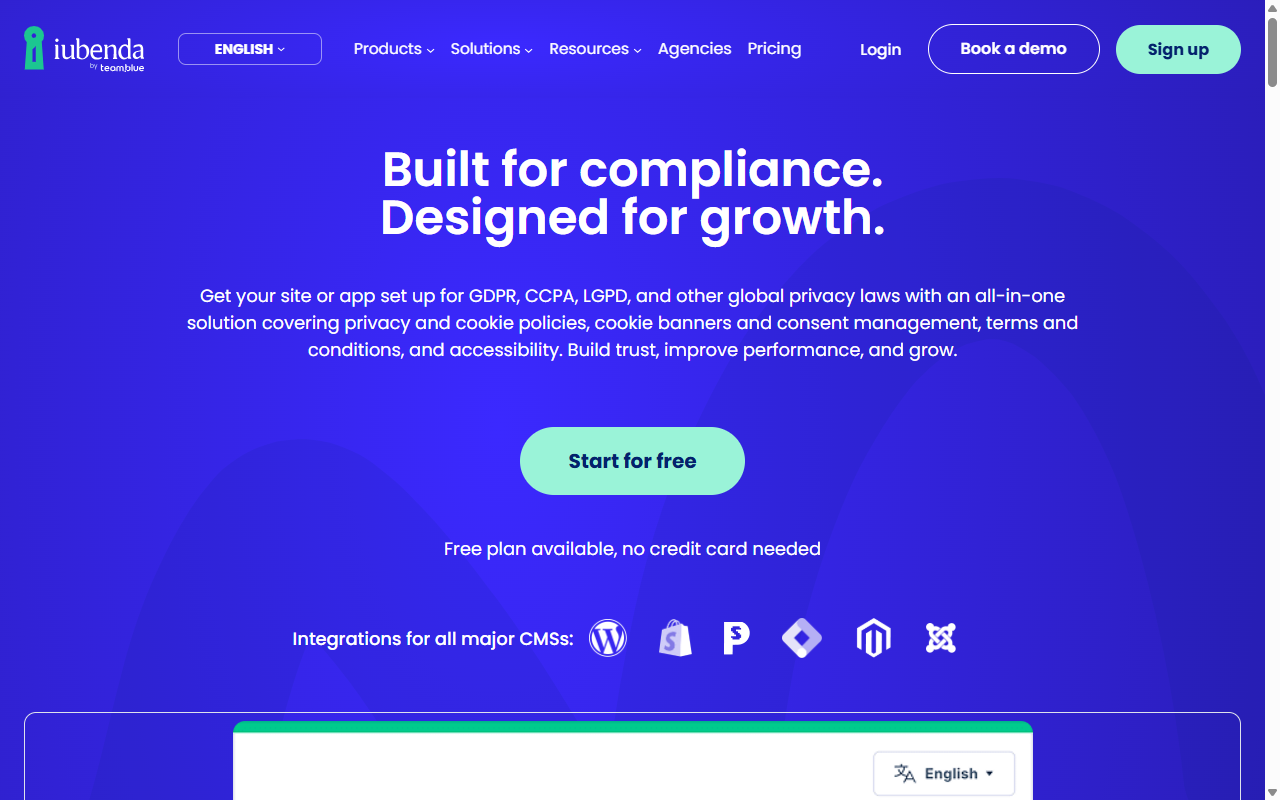
iubenda is a professional privacy compliance platform serving a wide range of content management systems, custom web applications, and mobile apps. It’s cloud-based, so your settings, document generation, and consent records all live on their external servers. Rather than focusing only on cookie banners, iubenda positions itself as a broader legal suite, helping generate privacy policies, terms and conditions, and internal data-processing records for larger businesses with complex, multi-platform needs.
Key Capabilities of iubenda
- Works across WordPress, Shopify, Magento, Webflow, and custom-coded applications.
- Generates detailed, legally reviewed terms of service and privacy policies from a guided interface.
- Updates your legal policies automatically when privacy laws change around the world.
- Records detailed consent data in a centralized cloud vault.
- Includes customizable banner templates for various regional legal frameworks.
- Gives you a single view of the compliance status across multiple digital properties at once.
The cloud-first approach does mean spending time in iubenda’s external dashboard configuring policies and pasting code back into WordPress, which can feel like unnecessary overhead for teams running only WordPress properties.
Feature-by-Feature Showdown
Here’s how the two tools perform in the areas that matter most to site builders and business owners.
1. Installation and Setup Experience
How fast you can get a compliant banner live is one of the first differences you’ll notice.
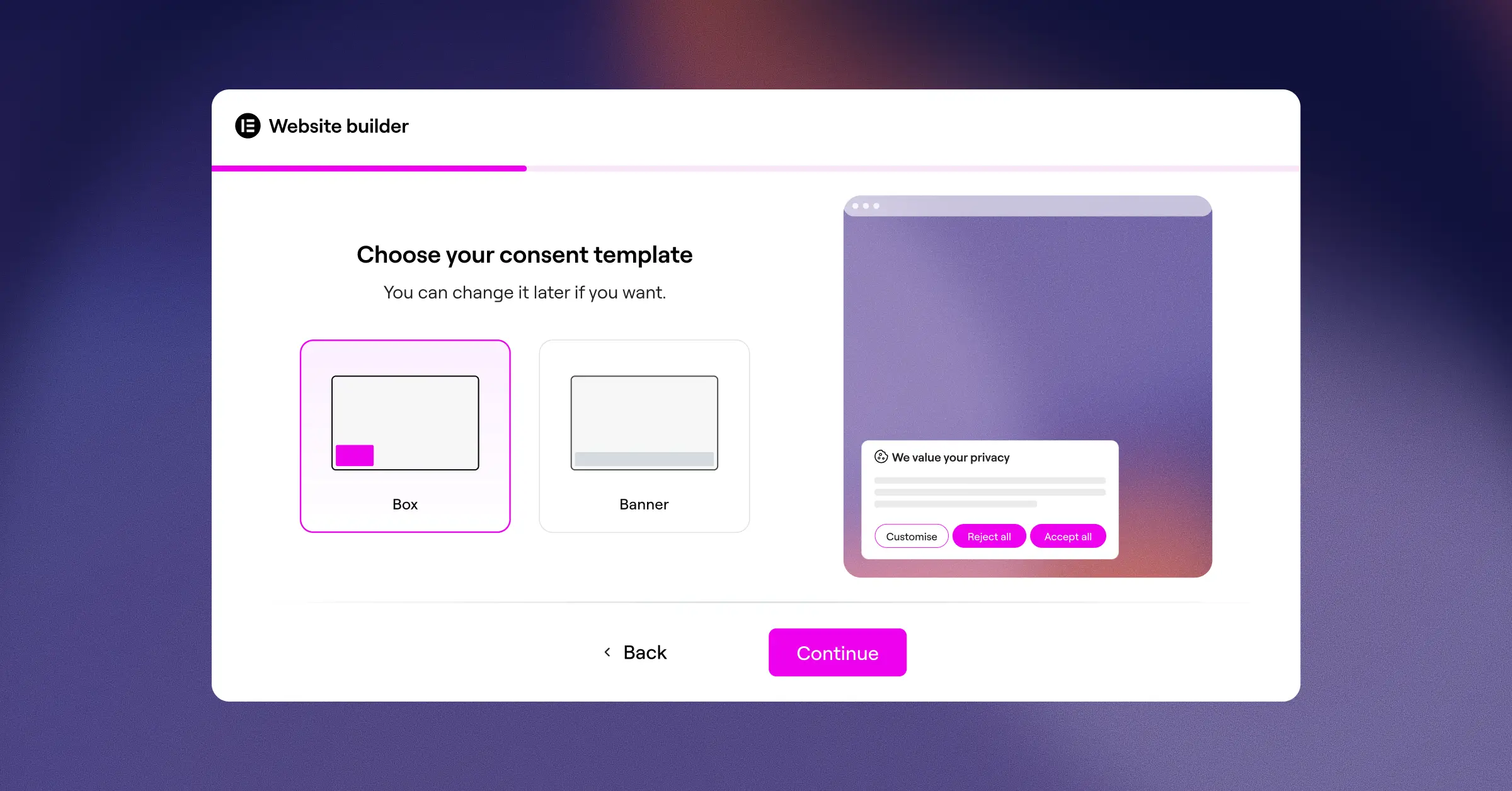
- Cookie Consent – Three steps, start to finish. First, you activate the capability in your WordPress dashboard. Second, you run a quick scan to detect active tracking scripts. Third, you customize your banner’s appearance and hit publish. The whole thing takes under five minutes, and you never leave your site.
- iubenda – A more involved process. You create an account on their external website, use their wizard to build your privacy policy and cookie solution, configure your settings, and generate integration code. You then install their integration on WordPress and link the two systems with the generated API keys or code blocks.
If a fast, self-contained workflow matters most, the native tool wins here. If you’d rather have a wizard walk you through legal details, you’ll appreciate iubenda’s thorough approach.
2. The Dashboard and Everyday Management
Once your banner is live, you’ll periodically check consent logs, update cookie categories, or adjust the layout, and how much friction that involves depends on which tool you chose. The native capability uses the WordPress interface you already know: no new layout to learn, no extra password, and no risk of an external API hiccup breaking your banner.
With iubenda, any real change to banner styling, cookie categorization, or policy wording means logging into their cloud dashboard, with changes pushed to your site. That works well managing a mix of WordPress and non-WordPress properties, but can feel like unnecessary overhead if everything you run lives on WordPress.
3. Google Consent Mode v2 and Tech Stack Integration
Supporting Google Consent Mode v2 isn’t optional if you want effective ad campaigns or reliable conversion tracking in the EU. Both tools handle it, but the experience feels different in practice.
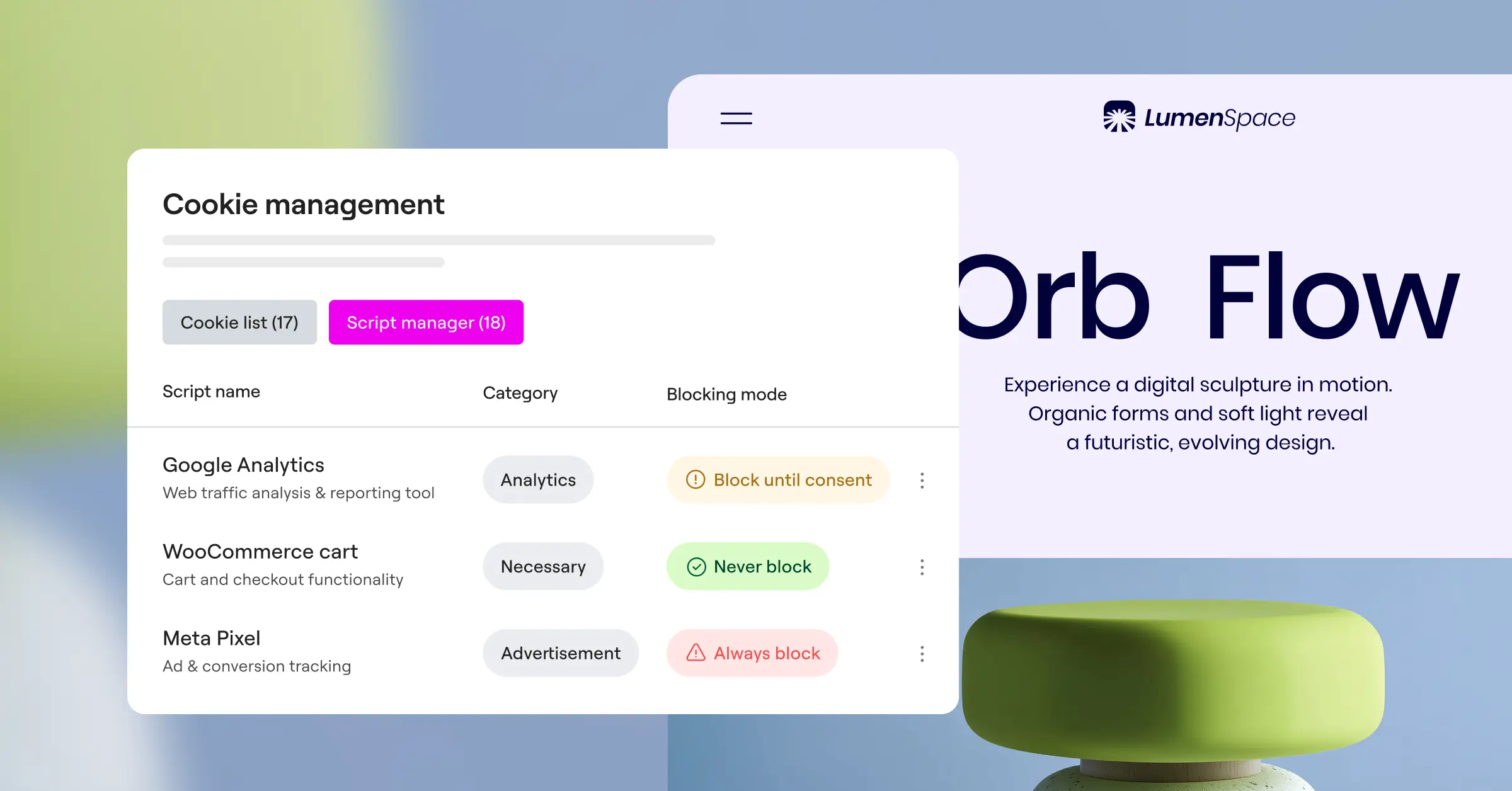
Cookie Consent includes direct, built-in support for Google Consent Mode v2, acting as a bridge between your visitors and your Google tags: it pauses data collection until someone clicks “Accept,” then signals Google’s tags to fire in the correct mode, no custom developer code needed.
iubenda also offers full Google Consent Mode v2 support, but getting it configured right often takes more technical work: you may need Google Tag Manager, custom attributes on script tags, or a trip through detailed technical docs to get the sequencing right.
4. Design Control and Brand Consistency
A cookie banner should look like it belongs on your site, not like a legal notice dropped in from somewhere else, and this is where the WordPress-native approach shines.
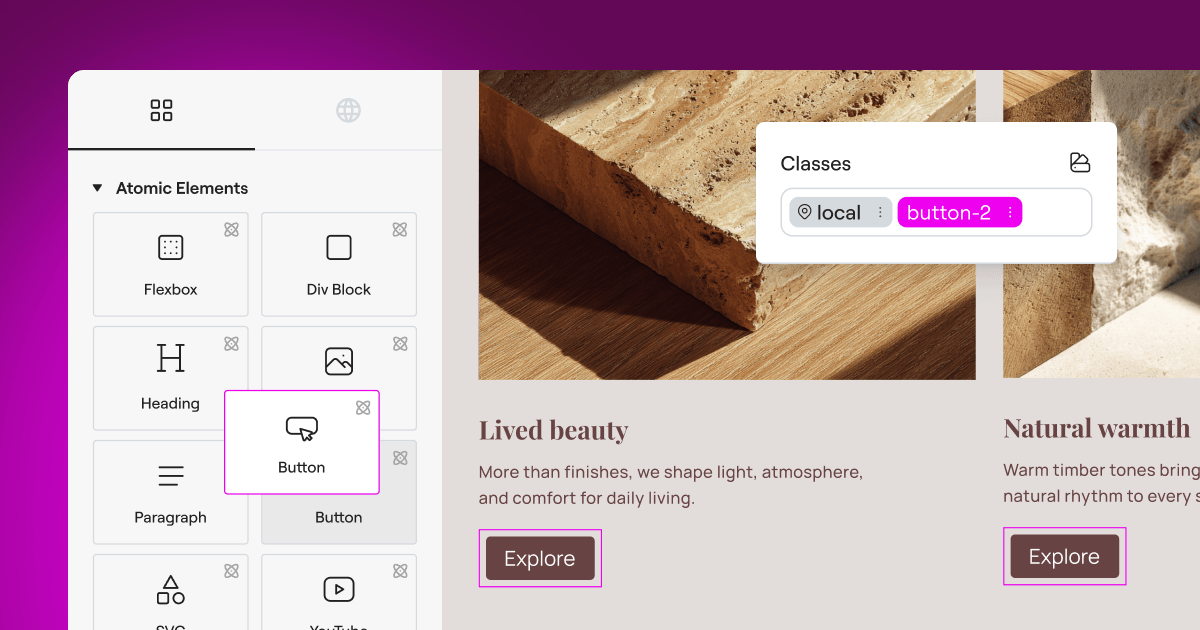
Because Cookie Consent integrates directly with your theme and Elementor editor settings, you control every visual detail: fonts, border radii, colors, spacing, and how everything scales on mobile. The banner reads like an organic part of your site, not an afterthought.
iubenda gives you visual customization tools inside its cloud dashboard, but you’re working within their styling wizard. Changing colors and picking from standard layout templates is easy; matching specific typography or advanced layouts may mean writing custom CSS on top of their defaults.
5. Consent Logging and Audit Readiness
If a regulator ever questions your compliance, you need to prove users gave active consent before tracking scripts fired, and the two tools handle that differently.
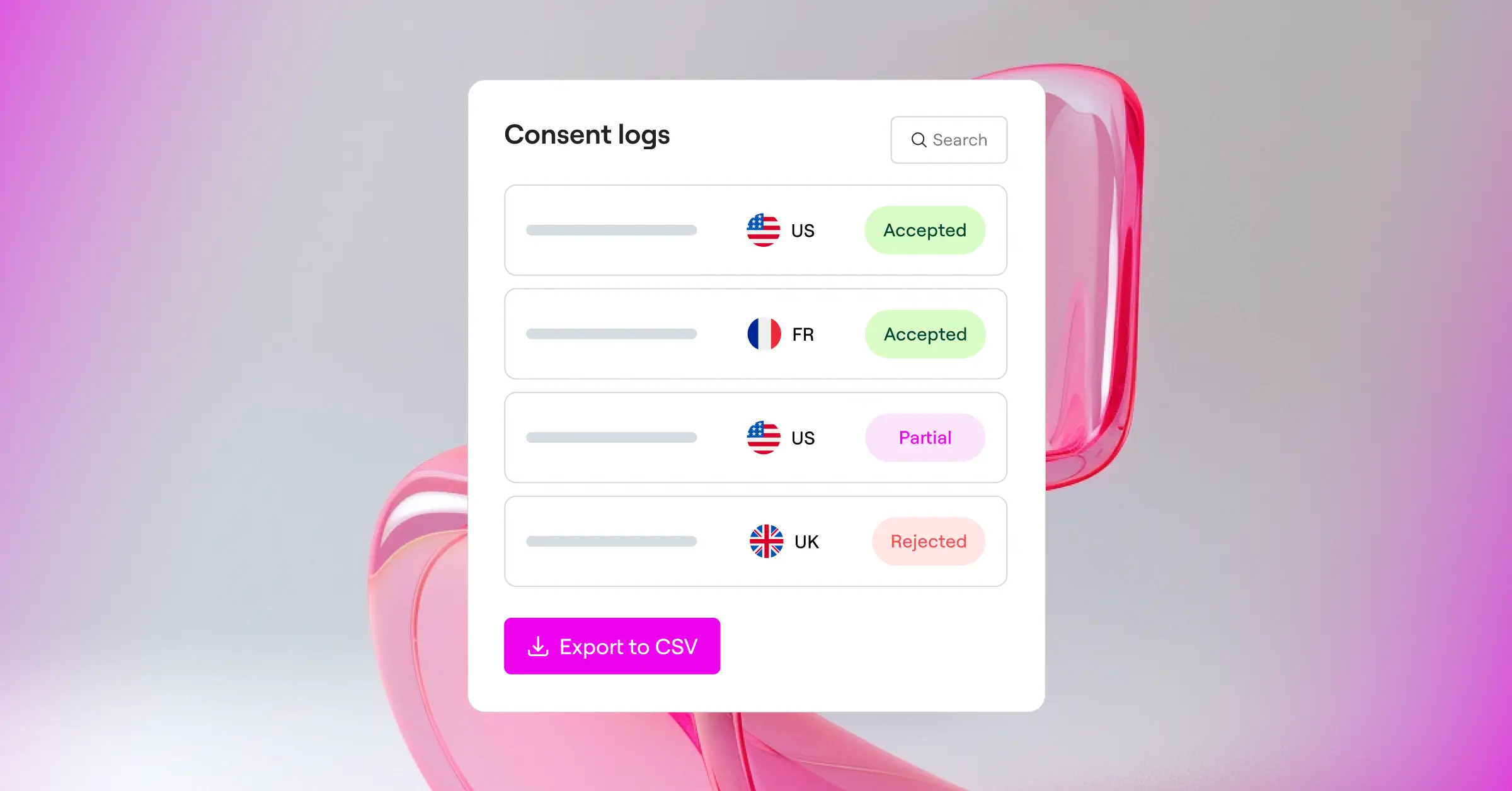
Cookie Consent stores clean, organized consent logs directly inside your WordPress database. Your data stays under your control, backs up alongside the rest of your site, and doesn’t require extra fees to access historical records.
iubenda records and stores consent logs on its secure cloud infrastructure. Some legal teams prefer keeping compliance records separate from the site’s main database, though that means depending on their servers, and access to advanced log data is often tied to higher-tier plans.
iubenda: The Cloud Compliance Approach
Since iubenda is the tool we’re comparing here, it deserves a fair summary. It’s a well-established privacy platform used across a broad range of industries, with real strengths: cross-platform support, a detailed legal document generator, and a professional cloud infrastructure for consent storage.
Where it differs most from a WordPress-native tool is workflow integration. Using iubenda alongside WordPress means working across two separate systems, a fair trade-off for businesses that genuinely need multi-platform coverage, though WordPress-only teams may not get proportional value from that extra layer.
The choice comes down to your situation: if your compliance needs go beyond WordPress, iubenda is worth serious consideration. If WordPress is your whole world, the native cookie consent capability is built for exactly that.
Other Alternatives in the WordPress Space
This comparison focuses on native versus cloud-based compliance, but a few other tools in the broader WordPress ecosystem are worth knowing about.
- Cookiebot – A widely used cloud-based compliance platform offering automated cookie scanning, consent widgets, and Google Consent Mode v2 support. It operates on a subscription model based on the number of pages on your site.
- CookieYes – A hybrid solution combining a WordPress integration with an external cloud app. It provides multilingual banners, consent logs, and geo-targeting.
- Complianz – A WordPress-focused compliance tool that guides users through a detailed questionnaire to configure regional consent banners based on their specific setup.
- OneTrust – An enterprise-grade privacy and data governance platform designed for large organizations managing extensive compliance requirements across many international properties.
The Expert Verdict
Choosing between these platforms comes down to how you prefer to build and manage your web projects. There’s no single right answer, but the decision gets clear fast once you know your situation.
If your daily work revolves around WordPress and you want something clean, fast, and deeply integrated, the native Cookie Consent capability is a genuinely elegant choice: it does exactly what you need, stays out of your way, and saves you from adding another external SaaS subscription. But if you’re a larger agency managing compliance across a mix of platforms and need a tool that also generates detailed legal documents like terms of service, iubenda is a strong, well-established platform built for that kind of work.
Decision Matrix: Which Compliance Tool Should You Choose?
Here’s a fast breakdown based on common scenarios.
Choose Cookie Consent if:
- You build websites using WordPress and want to manage everything from a single dashboard.
- You want a fully compliant consent banner live in under five minutes.
- You want complete design control so your banner matches your site’s visual style.
- You want to avoid paying for multiple external software subscriptions.
- You want your consent logs stored securely in your own database.
Choose iubenda if:
- You manage compliance across a variety of platforms beyond WordPress.
- You need to generate legally detailed documents like terms and conditions or privacy policies.
- Your legal team prefers cloud-hosted consent storage kept separate from your website.
- You’re managing a large, multi-platform portfolio with diverse compliance needs.
Frequently Asked Questions
Does Cookie Consent support Google Consent Mode v2?
Yes, right out of the box. It handles the signaling for Google tags automatically, keeping your analytics and advertising data flowing in full compliance with European privacy standards, no manual coding needed.
Can I customize the design of my cookie consent banner?
Absolutely. It works with your existing WordPress and editor design settings, so you can adjust fonts, colors, borders, buttons, and mobile layouts until the banner feels like a natural part of your brand.
Do I need an external account to use Cookie Consent?
No. The tool runs natively inside WordPress, with no external cloud sign-up or third-party API keys to manage, so your workflow stays unified and you avoid the site speed hit of extra external requests.
How does iubenda handle multilingual cookie banners?
iubenda lets you configure translated versions of your privacy policy and cookie solution inside their cloud dashboard, and the banner can auto-detect a visitor’s browser language to display the right translation.
Are consent logs kept locally when using the native capability?
Yes. Cookie Consent stores all visitor consent logs directly in your WordPress database, keeping you in full control of your compliance data, making backups simple, and removing the risk of losing log access to external downtime.
Can I target banners based on the visitor’s geographic location?
Yes, both tools support geo-targeting. You can show detailed consent banners only to visitors from regions with strict privacy laws, like the EU, UK, or California, and a simpler experience elsewhere.
Is there a free tier available for Cookie Consent?
Yes, a free tier covers basic compliance for any WordPress site owner. For advanced options like geo-targeting, cloud-based templates, and full design customization, the complete feature set comes with Elementor One.
Do these tools help with CCPA compliance as well as GDPR?
Yes, both handle multiple international privacy frameworks, including GDPR in Europe and CCPA in the United States, letting you tailor your banner’s wording and opt-out mechanics to each region’s legal standards.

