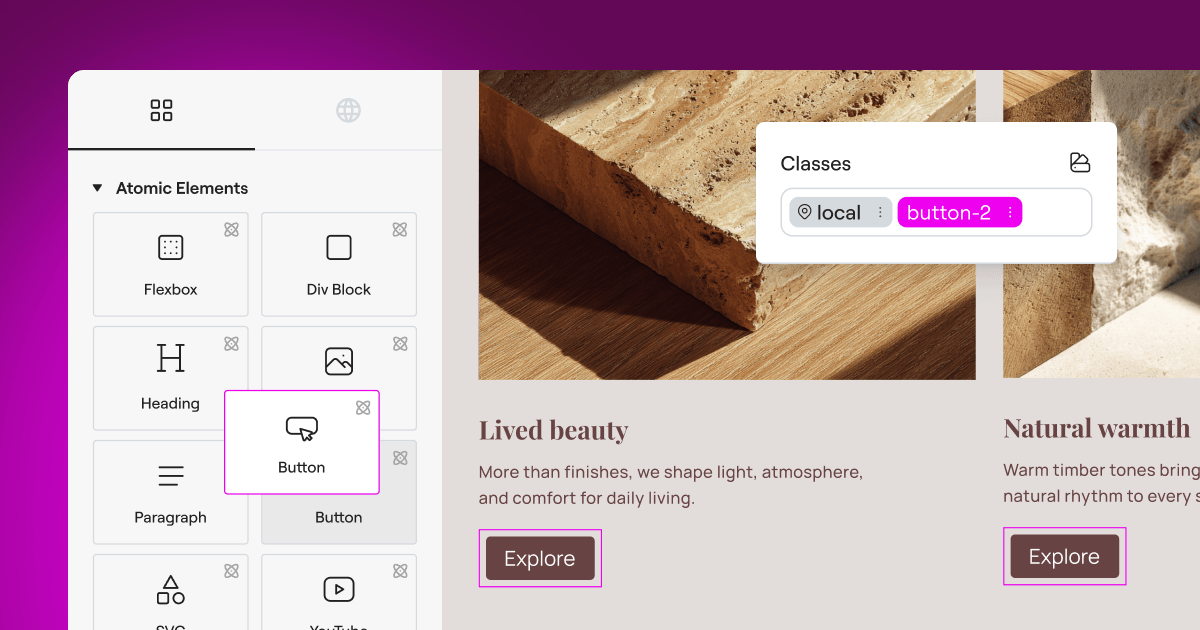
If you run a WordPress site, keeping up with privacy laws can feel like a full-time job. You need a way to manage user choices without slowing your site or cluttering your design. Two names come up again and again: Cookie Consent from Elementor and Complianz. Which one fits your workflow? Let’s walk through the leading options.
Key Takeaways
- Native integration matters – a tool built into your page builder keeps your workflow simple and your database clean.
- Compliance is global – modern rules call for features like Google Consent Mode v2 and geographical targeting.
- Design should stay flexible – your banner needs to match your brand without custom CSS.
- Automation saves time – automatic cookie scanning and categorizing keep you compliant without daily manual checks.
The Reality of Privacy Laws and WordPress in 2026
Privacy rules are not just a concern for large corporations anymore. If your site reaches visitors in Europe, California, or any region with active privacy laws, you need a way to let people choose how their data gets tracked, and regulators have fined sites for oversights.
The technical side keeps moving too. Major browsers are phasing out third-party cookies, and Google Consent Mode v2 is now required for any site using Google Ads or Analytics to reach EU visitors. Miss it, and your ad campaigns and tracking numbers suffer. The good news? You do not need a law degree or a dev team. Modern tools handle the heavy lifting, and the right pick comes down to your setup and workflow.
How to Choose the Best Compliance Tool for Your WordPress Site in 2026
Before you look at individual tools, set a few clear criteria. What works for a global e-commerce brand might be overkill for a local bakery blog, so think about your actual needs first.
- Assess your traffic locations – Local readers mean simpler needs, while visitors in Europe or California call for geo-targeting.
- Review your page builder and theme setup – Building with Elementor? A native capability keeps your dashboard clean.
- Evaluate your technical comfort level – Some tools set up in under five minutes, others use a longer wizard.
- Check your marketing tool stack – Paid Google ads mean you need full Google Consent Mode v2 support.
Detailed Head-to-Head: Cookie Consent vs Complianz in 2026
Cookie Consent and Complianz are both capable, they just approach consent management from opposite directions.
Cookie Consent is built natively for WordPress as part of Elementor, for creators who want to build banners inside the design environment they already use, no external dashboard or shortcodes.
Complianz is a dedicated privacy suite that functions as a standalone WordPress solution, using a wizard-style setup that asks detailed questions about your business, data practices, and legal policies. It is thorough, though it can feel clinical if you just want a clean banner live fast.
| Feature / Tool | Cookie Consent (Elementor) | Complianz | CookieYes | Cookiebot |
|---|---|---|---|---|
| Integration Type | WordPress Native (No external dashboard) | WordPress Native (Dashboard settings) | Cloud-Based Dashboard | Cloud-Based Dashboard |
| Google Consent Mode v2 | Fully Supported | Fully Supported | Fully Supported | Fully Supported |
| Setup Time | Under 5 minutes | 15-20 minutes (Wizard-based) | 10-15 minutes | 15-20 minutes |
| Design Customization | Visual drag-and-drop / Native theme matching | Standard settings panel | Cloud editor settings | Cloud editor or custom CSS |
| Consent Logs | Stored locally / WordPress native | Stored locally / Premium cloud options | Stored in cloud dashboard | Stored in cloud dashboard |
“Native cookie consent solutions are fundamentally changing how WordPress users approach compliance. By keeping all settings inside your site dashboard, you reduce third-party script bloat, which directly improves site speed and data accuracy.” – Itamar Haim, Web Compliance Specialist
The 10 Best Cookie Consent Tools for WordPress in 2026
Here’s a factual look at the top options, what makes each unique, and where it fits best.
1. Cookie Consent
Built as a dashboard-native capability, Cookie Consent keeps everything inside your WordPress editor, no external accounts needed. It handles geo-targeting and script blocking too, so nothing runs until a visitor grants permission.
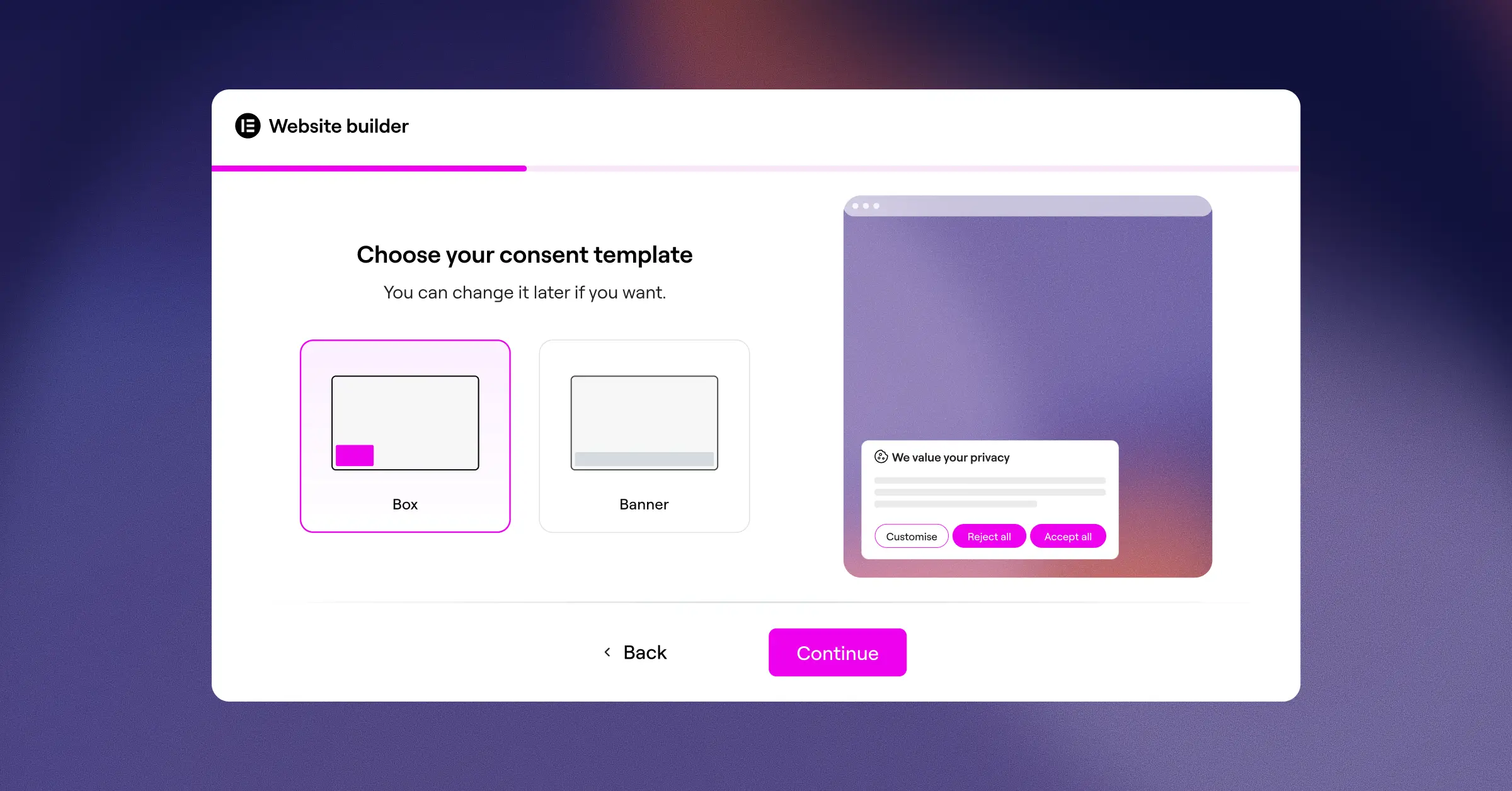
- Builds consent banners that match your site style directly inside the editor.
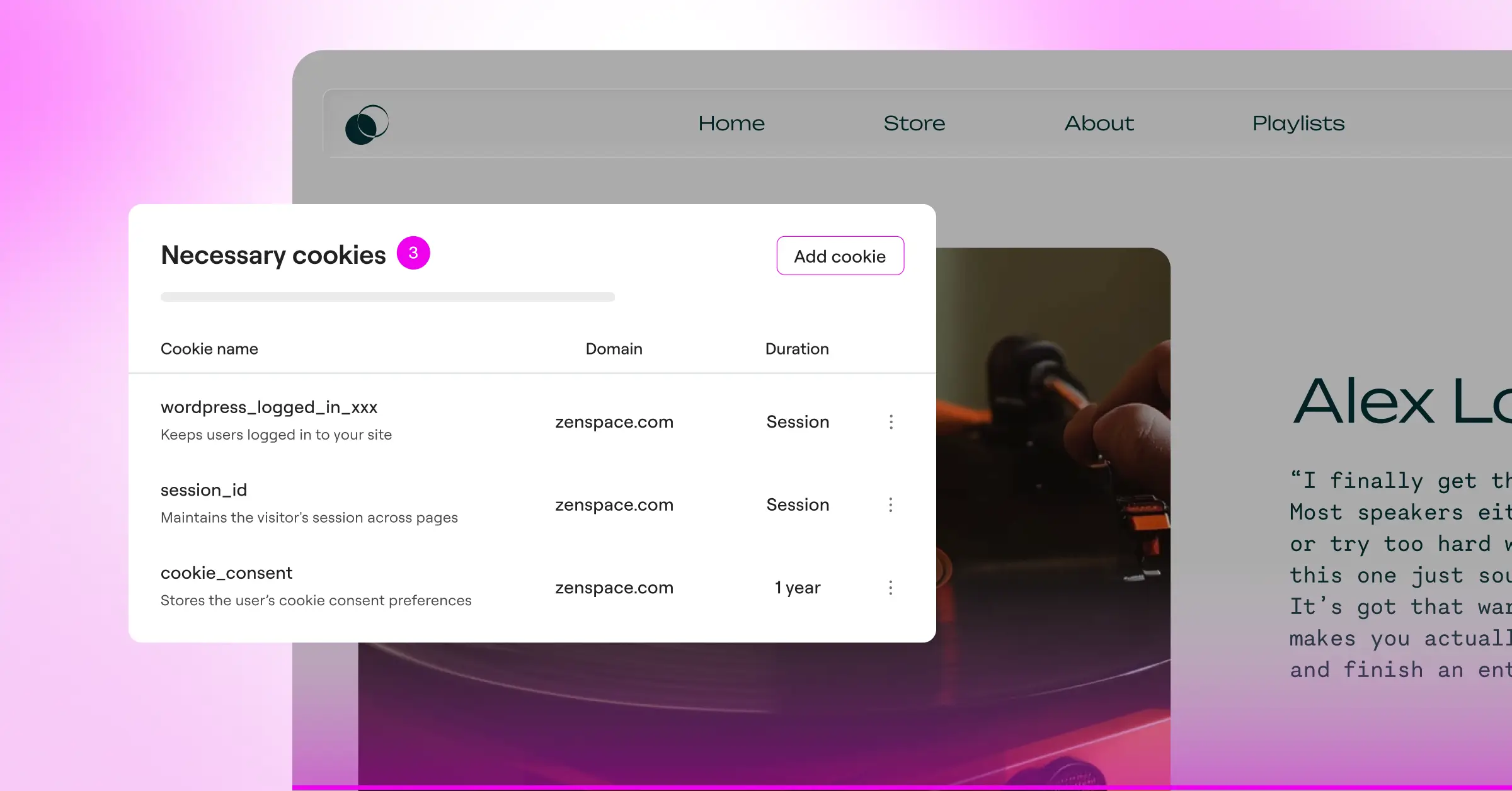
- Scans your website automatically to find and categorize active cookies and scripts.
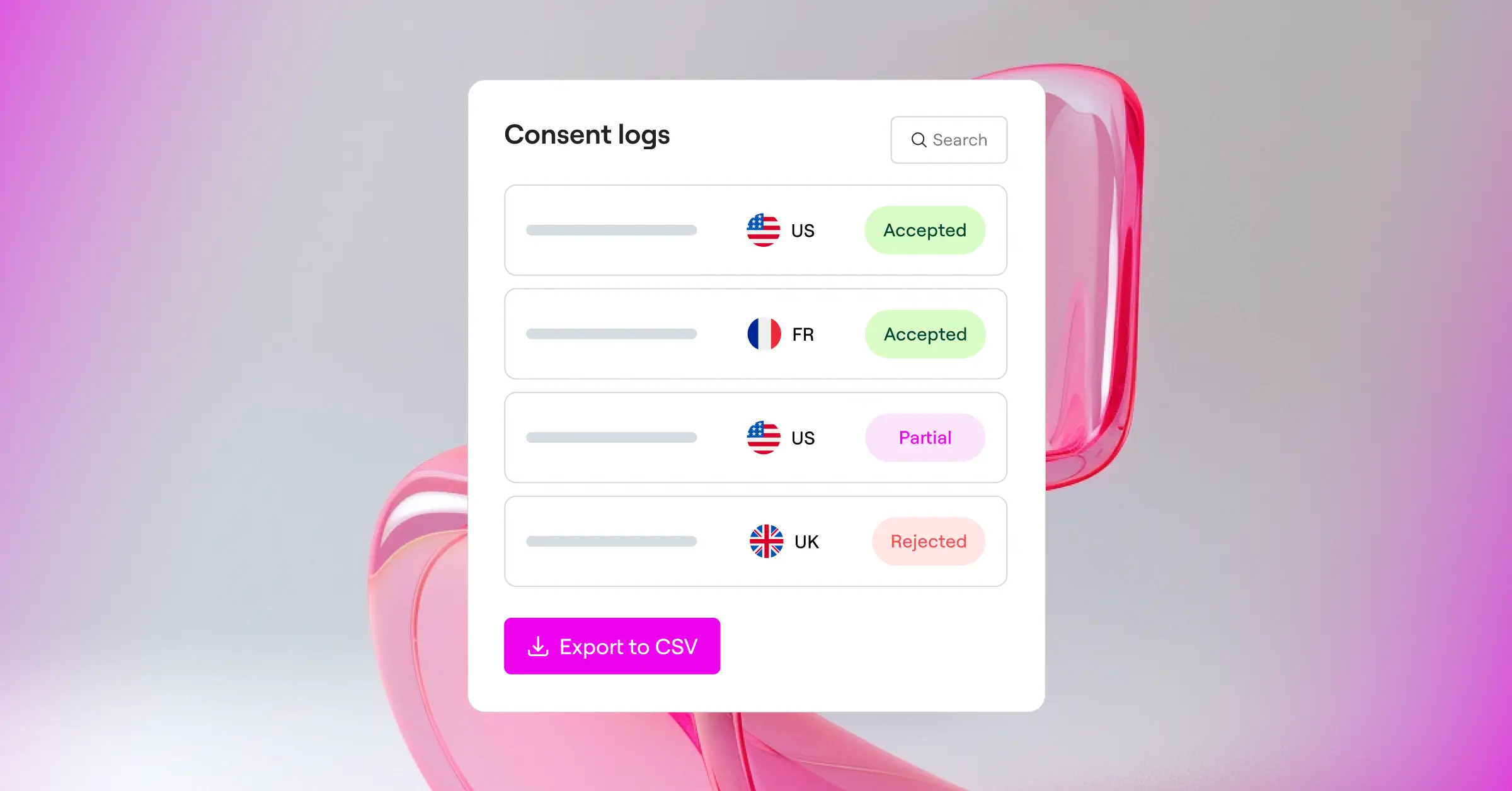
- Logs user consent records to help you maintain a clean audit trail.
- Supports Google Consent Mode v2 and Global Privacy Control out of the box.
- Targets specific geographical regions to show banners only where needed.
- Generates standard privacy policies to simplify your legal setup.
Pros: No external dashboards, visual design in your existing workflow, fast load times.
Cons: Built to work alongside the Elementor ecosystem, best suited for sites already using that builder.
Verdict: The best pick for a modern, well-designed banner without external accounts or extra subscription costs.
2. Complianz
Complianz is an established compliance suite for WordPress users who prefer a structured, wizard-based setup. It asks detailed legal questions to work out which regulations apply, then generates a custom cookie policy and configures your banner to match.
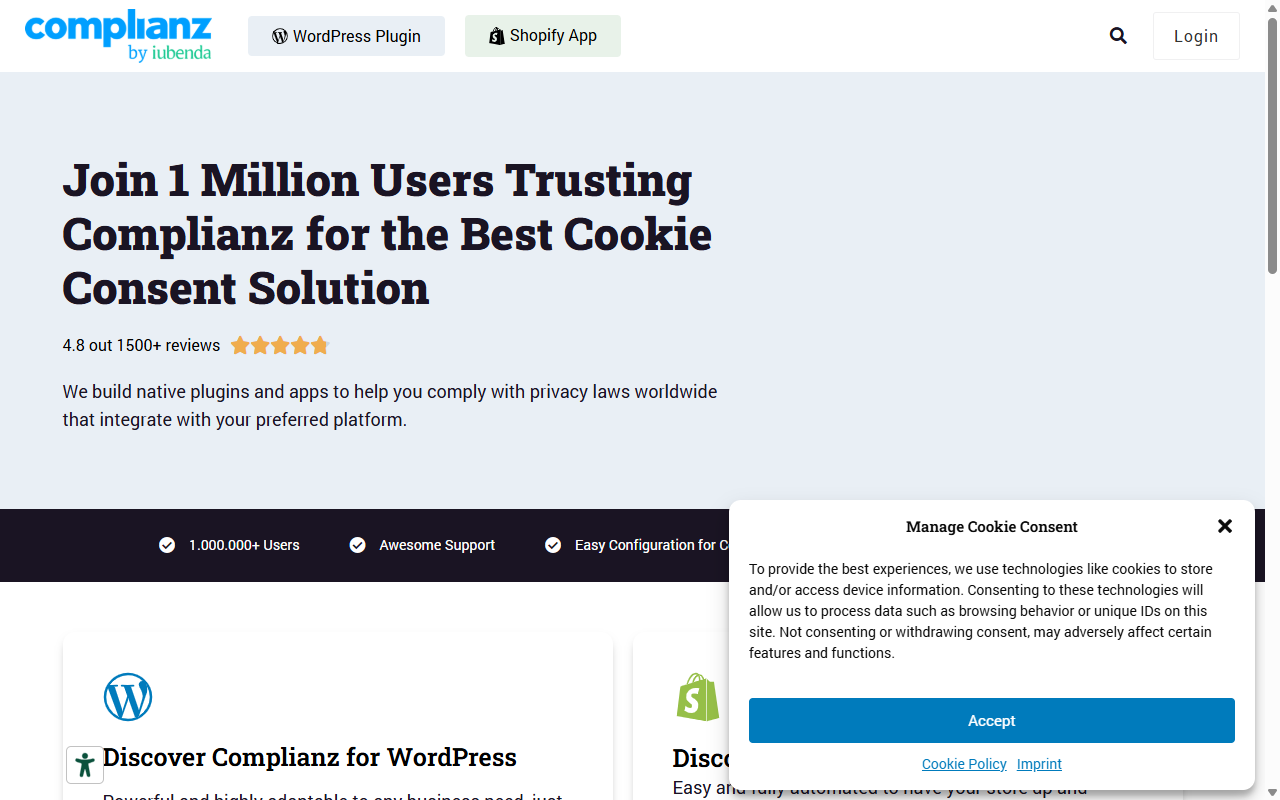
- Configures legal documents based on a step-by-step wizard.
- Detects tracking scripts and third-party integrations automatically.
- Integrates with popular WordPress translation tools for multilingual support.
- Blocks scripts before consent is explicitly given by the visitor.
- Generates custom cookie policies that update dynamically as your site changes.
- Saves user consent settings locally or to a designated database.
Pros: Generates specific legal documents based on local laws, keeps compliance settings within WordPress.
Cons: The setup wizard runs long, and banner customization is less intuitive than a drag-and-drop tool.
Verdict: Solid for site owners who want a rigorous legal checklist and a longer, technical setup.
3. CookieYes
CookieYes is a widely used, cloud-based consent platform run through an external dashboard, a solid option if you manage sites across WordPress, Shopify, or custom HTML from one place. You connect via a lightweight script, then run scans and customize banners.
- Manages consent banners through a cloud-based dashboard.
- Saves visitor preferences to ensure accurate compliance reporting.
- Scans websites for cookies with a single click.
- Supports major privacy laws including GDPR, CCPA, and LGPD.
- Translates banners into multiple languages automatically based on visitor location.
- Customizes layout and color schemes to fit standard web layouts.
Pros: Excellent for multi-site managers who want one dashboard outside WordPress admin.
Cons: Requires an external account, and some features get limited past your plan’s pageview cap.
Verdict: Great for agencies managing diverse, non-WordPress client sites, less convenient for a pure WordPress workflow.
4. Cookiebot
Cookiebot is an enterprise-grade cloud service built around deep, automated scanning. It scans your whole domain regularly, finding even deeply nested tracking scripts and sorting them into categories for you. You manage it from an external dashboard.
- Automates cookie monitoring with scheduled scanning reports.
- Controls all tracking scripts on your website dynamically.
- Stores consent data securely in the cloud.
- Adapts consent banner language based on the user’s browser settings.
- Transfers compliance data to Google Consent Mode v2.
- Displays clear opt-out options for California Consumer Privacy Act requirements.
Pros: An exceptionally thorough cookie scanner with reliable script-blocking.
Cons: Pricing scales with pages and subdomains scanned, which adds up for larger sites.
Verdict: Ideal for larger, content-heavy sites with budget for a premium cloud plan.
5. iubenda
iubenda is a complete compliance platform that handles more than cookies, generating privacy policies, terms of service, and cookie banners in one place, well-regarded for lawyer-crafted documents that update as laws change globally. It’s a good choice if you lack legal counsel and need to build your policies from scratch.
- Generates privacy policies, terms and conditions, and cookie banners.
- Monitors legal updates globally to keep your documents current.
- Customizes banner configurations through an extensive cloud platform.
- Saves consent logs securely to meet compliance standards.
- Integrates with multiple content management systems beyond WordPress.
- Detects cookie usage patterns on your pages automatically.
Pros: High-quality legal documents that cover your whole site, not just cookie banners.
Cons: Can feel like a lot if you only need a straightforward banner.
Verdict: Best for businesses needing full legal document generation alongside cookie consent.
6. Termly
Termly is a compliance platform for small businesses and startups, a simple way to build cookie banners, privacy policies, terms of service, and shipping policies, with guides that skip the heavy legal jargon.
- Builds custom cookie banners and legal policies from templates.
- Scans domains periodically to detect tracking technologies.
- Classifies cookies according to standard category models.
- Stores consent logs for user verification and regulatory checks.
- Adjusts display rules based on geographic location.
- Manages user preferences via a simple dashboard.
Pros: Easy for beginners to understand and set up within minutes.
Cons: The entry-level plan limits pageviews, and basic-tier scans run quarterly, not weekly.
Verdict: Solid for startups that want both policies and a banner live fast.
7. OneTrust
OneTrust is built for large enterprises and global brands with dedicated compliance teams, offering deep database scans, advanced preference centers, and detailed tracking across digital channels. It’s far more involved than the other tools here, not a match for a typical WordPress blog, but the standard for organizations with a large digital footprint.
- Coordinates enterprise-level privacy compliance across thousands of domains.
- Scans websites deeply to build complete cookie inventories.
- Tracks user consent history across multiple devices and platforms.
- Configures highly detailed preference centers for end-users.
- Integrates with marketing technology stacks to manage data flows.
- Automates legal risk assessments across digital properties.
Pros: Unrivaled depth of features, reporting, and scale for large corporations.
Cons: Far more than most WordPress sites or small businesses need, priced to match.
Verdict: Right for an enterprise network with dedicated privacy officers, more than most WordPress sites need.
8. Osano
Osano is a B-Corp certified compliance platform focused on data privacy advocacy. One standout capability is vendor monitoring, which tracks companies you use (like Google or Facebook) and alerts you if they update their privacy policies or fail an audit. It runs in the cloud with a clean, easy setup.
- Monitors vendor privacy practices to alert you to potential risks.
- Blocks non-compliant scripts automatically until consent is granted.
- Displays geo-targeted consent forms to international visitors.
- Saves consent records in a secure, permanent format.
- Supports multiple languages for international compliance.
- Simplifies data subject access requests through a structured portal.
Pros: Unique vendor monitoring adds peace of mind around third-party data practices.
Cons: Premium plans cost more than standard WordPress-native options.
Verdict: Strong for security-conscious teams that want vendor risk monitoring alongside cookie consent.
9. WP GDPR Compliance
WP GDPR Compliance is a traditional, open-source tool built for WordPress, adding consent checkboxes into your existing contact forms, comment sections, and checkout pages. It’s utility-focused, handling basic compliance tasks well for straightforward local sites.
- Integrates with popular contact forms and e-commerce tools on WordPress.
- Requests explicit consent for storing personal data in local databases.
- Lets users request access to their stored information.
- Manages right-to-be-forgotten requests automatically.
- Displays compliance checkboxes on standard comment forms.
- Notifies administrators when data requests are submitted.
Pros: Free, lightweight, connects directly with your existing contact forms.
Cons: Lacks the visual customization and geo-targeting of modern tools.
Verdict: Reliable, free option for small sites that just need basic consent checkboxes.
10. Real Cookie Banner
Real Cookie Banner is a modern option built around visual guidance, acting as a setup coach with a step-by-step checklist inside your WordPress dashboard so you don’t miss a compliance setting. It also includes a large library of service templates, setting blocking rules for scripts like YouTube, Google Analytics, and Facebook Pixel without custom code.
- Blocks stylesheets and scripts until the user clicks accept.
- Executes scanning tasks locally within your WordPress installation.
- Supports over one hundred service templates for quick setup.
- Documents all consent choices in a legally compliant manner.
- Guides users through setup with a visual checklist.
- Translates banner elements into several European languages.
Pros: The guided visual setup makes it hard to miss anything during configuration.
Cons: The interface feels a bit crowded next to cleaner, native solutions.
Verdict: Solid if you want visual hand-holding during setup and pre-built script templates.
How to Set Up Your Cookie Consent Banners in 2026
Getting your chosen tool live is simpler than you might think.
- Scan your pages to find cookies – The tool crawls your site and detects tracking scripts from analytics, social pixels, and payment gateways.
- Categorize the cookies you discover – Sort them into groups like Necessary, Analytics, Marketing, and Preferences, so visitors choose what they accept.
- Design and publish your consent banner – Match fonts and button colors to your brand, add geo-targeting if needed, and publish live.
How to Test Your Setup and Avoid Common Compliance Mistakes
Before you call it done, check that your setup actually works. Many site owners publish a banner without confirming it blocks scripts before consent.
- Run a test scan in a private browser window – Open Incognito mode and Developer Tools, then check “Application” or “Storage” to confirm no tracking cookies load before you click “Accept.”
- Verify Google Consent Mode v2 states – If you use Google Analytics, use Google Tag Assistant to confirm consent signals reach Google’s servers.
- Double-check your legal policy pages – Make sure your banner links clearly to your Privacy Policy and Cookie Policy.
If you build with Elementor, cookie consent built natively into your workflow makes testing easier, with no dashboard-switching to debug.
Frequently Asked Questions
Is Google Consent Mode v2 required for all websites?
No, not for everyone, but it’s highly recommended if you serve visitors in the EU or EEA and use Google advertising or analytics. Without it, Google can’t track activity or deliver personalized ads to those audiences.
Do cookie consent banners slow down website performance?
They can, if they rely on bulky external scripts. Using a native WordPress capability like Cookie Consent keeps performance fast, since the code runs natively within your existing setup instead of pulling in outside resources.
What is the difference between GDPR and CCPA compliance?
GDPR is a European regulation requiring explicit opt-in consent, so you cannot load tracking cookies until the user clicks “Accept.” CCPA is a California regulation using an opt-out model, so you can load cookies but must provide a clear “Do Not Sell My Info” link.
Can I customize the design of my consent banner to match my brand?
Yes, absolutely. Modern capabilities let you customize typography, colors, and layouts directly within your visual editor, so the banner fits your site style.
Do I need to keep a record of user consent choices?
Yes, keeping consent logs is highly recommended for audit purposes. Under regulations like GDPR, you need to show that visitors gave explicit, informed consent before any personal data was tracked.
What happens if a user declines cookie tracking?
Your consent tool should block all non-essential tracking scripts, including analytics and marketing pixels. Your site stays compliant, though tracking data for that visitor will be limited or anonymized.
Is it possible to show cookie banners only to European visitors?
Yes, through geographical targeting. You can show a strict compliance banner to visitors in regions with tight privacy regulations while keeping your site banner-free elsewhere.

