Table of Contents
Key Takeaways
- Ownership Matters Most: Most free SaaS builders lock you into a “walled garden” where you don’t truly own your content or code. Open-source solutions offer the only true ownership.
- The “Freemium” Trap: Be wary of free plans that are essentially indefinite trials. Look for “forever free” plans that offer enough bandwidth and storage for a live, functional site.
- Scalability is Key: Your free site today needs to become your professional business site tomorrow. Choose a platform that allows you to upgrade seamlessly without rebuilding from scratch.
- Design Freedom: Many free tools force you into rigid templates. The best builders offer a “blank canvas” experience with pixel-perfect control, even on their free tiers.
- The Strategic Winner: While all-in-one SaaS platforms offer speed, pairing the self-hosted WordPress CMS with the free Elementor builder provides the highest ceiling for design, functionality, and professional growth.
By Itamar Haim
The Reality of “Free” Website Builders in 2025
When we talk about “free” in the context of website builders, we are usually discussing the “freemium” business model. These companies offer a basic version of their product at no cost to acquire users, with the goal of eventually converting them into paying customers. This isn’t inherently bad—it allows you to test tools without financial risk—but it does mean that the free version is designed with specific limitations.
Understanding these limitations is crucial before you commit hours to building a site.
The Three Common Trade-offs
- The Subdomain Stigma: Almost every free SaaS (Software as a Service) builder will force you to use a subdomain (e.g., yourname.wixsite.com or yourbusiness.wordpress.com). This immediately signals to visitors that the site is a free project, which can undermine professional credibility. While you can usually connect a custom domain later, you cannot do it on the free tier.
- The Billboard Effect: “Free” often means your website becomes a billboard for the builder. Large banners, floating buttons, or footer ads stating “Built with…” are standard. On some platforms, these ads can be intrusive, covering content on mobile devices or clashing with your brand aesthetic.
- The Data Silo: This is perhaps the most critical long-term risk. On closed platforms, your data is tied to their proprietary system. If they raise prices, change features, or if you simply outgrow them, you often cannot “export” your website. You have to rebuild it from scratch elsewhere.
The Open Source Exception
There is an alternative to the freemium SaaS model: Open Source software. In this model, the software itself (like WordPress) is free to download, use, and modify forever. There is no “premium” version of the software code that unlocks better SEO or data ownership—you have it all from day one.
While you still need a place to host this software (which typically incurs a small hosting fee), the “builder” component—the tool you use to design and create—can be entirely free and powerful. This distinction is vital when searching for the “best” builder. Are you looking for a completely zero-cost hosted page (with ads and limits), or are you looking for the most powerful free design engine for a professional site?
Criteria for Choosing the Best Builder
To evaluate the top contenders objectively, we need a set of professional criteria. We aren’t just looking for the tool that is easiest to sign up for; we are looking for the tool that serves your business goals.
1. Design Flexibility vs. Template Rigidity
Does the builder force you into a pre-made layout where you can only swap text and images? Or does it offer a true visual editor where you can control padding, margins, typography, and layout structure? The best builders empower you to create a unique brand identity, not just a cookie-cutter copy.
2. Scalability and Ecosystem
A free landing page is a great start, but what happens when you need to add an online store, a booking system, or a marketing automation flow? The best builder should be part of a larger ecosystem that allows you to add these features via plugins or upgrades without breaking your existing site.
3. Mobile Responsiveness
In 2025, mobile traffic often outpaces desktop. A builder that generates “mobile-friendly” sites automatically is good, but a builder that gives you control over the mobile experience—letting you hide elements, resize fonts, or reverse column ordering specifically for mobile—is superior.
4. Search Engine Optimization (SEO) Capabilities
Many free plans lock essential SEO features like editing meta descriptions, URL slugs, or alt text. The best free builder must provide full access to on-page SEO tools so your free site has a fighting chance of ranking on Google.
Top Free Website Builders: A Competitor Analysis
Let’s examine the major players in the market. We will look at their free offerings through a neutral, functional lens to help you understand exactly what you get—and what you don’t.
Wix: The Visual SaaS Leader
Wix is widely known for its drag-and-drop interface and massive template library. It is a closed SaaS platform, meaning they host the site and provide the tools in a single package.
- Free Plan Features: You get access to the full visual editor and hundreds of templates. You can add basic animations, use their App Market (for free apps), and create an unlimited number of pages.
- Limitations: The free plan displays prominent ads on the top and bottom of your site. You are restricted to a wixsite.com subdomain. Storage is capped at 500MB, and bandwidth is limited to 1GB. Crucially, once you choose a template, you cannot switch to a different one without rebuilding the site. eCommerce features are visible but disabled until you pay.
Webflow: The Designer’s Choice
Webflow positions itself as a professional tool for designers who want code-level control without writing code. It generates clean HTML/CSS/JS based on your visual design.
- Free Plan Features: The “Starter” plan gives you full access to the Designer interface, allowing you to use Flexbox, CSS Grid, and complex interactions. You get access to over 2,000 web fonts and can publish to a webflow.io subdomain.
- Limitations: The limits here are strict. You are limited to only two static pages. If you want a multi-page site, you must upgrade. CMS items (like blog posts) are limited to 50. Like Wix, you cannot connect a custom domain on the free tier. There is a steep learning curve; this is not a tool for casual beginners.
WordPress.com: The Managed Blog
It is important to distinguish WordPress.com (the hosting service) from WordPress.org (the software). WordPress.com offers a managed experience similar to Wix but built on the WordPress software.
- Free Plan Features: You get reliable hosting, a wordpress.com subdomain, and access to dozens of free themes. It includes the Jetpack plugin for basic stats and security. It is excellent for simple blogging.
- Limitations: This is a highly restrictive environment. You cannot install custom plugins or upload custom themes on the free plan. You are locked into their specific ecosystem features. Customization is largely limited to what the specific theme allows (colors, fonts), rather than a free-form visual builder. Ads are displayed on your site.
Square Online: The Retail Specialist
Square Online is built specifically for eCommerce, leveraging Square’s payment processing dominance. It is less of a “website builder” and more of an “online store builder.”
- Free Plan Features: Surprisingly robust for merchants. You can list unlimited products and accept payments (paying only the transaction fee). It syncs inventory with Square POS systems, making it great for physical retailers moving online.
- Limitations: Design customization is extremely limited. You cannot drag and drop elements freely; you must toggle predefined sections on or off. The footer carries a large Square ad. While great for a quick store, it is not suitable for a custom brand experience or a content-heavy portfolio.
GoDaddy Website Builder: The Speed Option
GoDaddy focuses on speed and simplicity. Their builder is designed to get a site live in under an hour.
- Free Plan Features: Included as part of a “freemium” trial that often reverts to a limited free version. It offers marketing tools like email marketing (limited sends) and simple social media post creators.
- Limitations: The design is block-based and rigid. You cannot move elements freely; you stack pre-made sections. The customization depth is shallow—great for a digital business card, but limiting for anything unique.
The Strategic Solution: WordPress + Elementor
When we analyze the landscape against our criteria—Ownership, Design Freedom, and Scalability—one combination consistently outperforms the all-in-one platforms: Self-Hosted WordPress paired with the Elementor Website Builder.
This approach is different. Instead of renting a house (SaaS), you are building your own on land you lease (Hosting). While the hosting component technically requires a small investment (often as low as $3-5/month), the software stack—WordPress and Elementor Free—is zero cost and offers professional-grade power that “free tiers” of SaaS tools cannot match.
The “Creative Engine” Concept
Elementor is not just a plugin; it is a comprehensive website builder platform that replaces the standard WordPress editor with a live, frontend visual interface. It operates as the “Creative Engine” of your site, giving you pixel-perfect control over every element.
Unlocking Elementor Free: What You Actually Get
Unlike competitors that cripple their free versions to force upgrades, Elementor’s free version is a fully functional professional tool. It powers millions of websites globally because it provides a complete design system out of the box.
- The Editor: A true Drag-and-Drop editor where you see exactly what your visitors will see. No guessing, no preview mode switching.
- The Widget Library: You get access to over 40 essential widgets. These aren’t just basic text boxes; they include:
- Image Box & Icon Box: For feature lists and services.
- Testimonials: For social proof.
- Image Carousel: For portfolios.
- Google Maps: For local businesses.
- Accordion & Toggle: For FAQs.
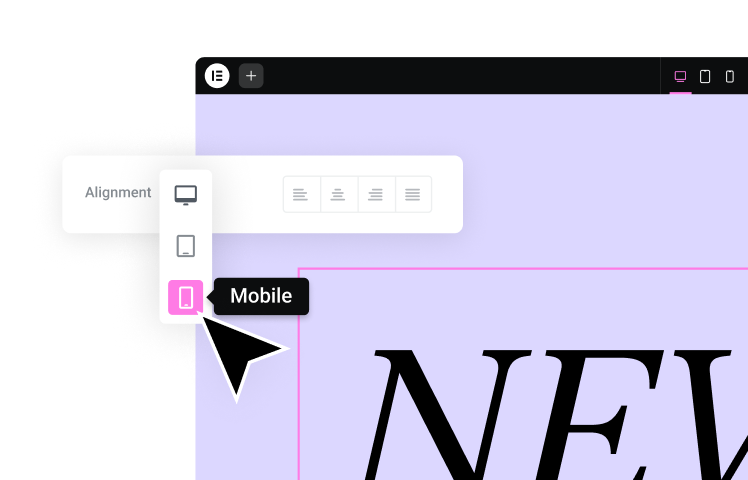
- Responsive Control: This is a game-changer. Elementor allows you to switch views to Tablet and Mobile mode and adjust font sizes, margins, and visibility specifically for those devices. For example, you can reverse the column order on mobile so your image appears above your text, a crucial feature for modern UX.
- Global Design System: You can set global fonts and colors that apply across your entire site. This ensures consistency and speeds up your workflow—change your primary brand color in one place, and every button and heading updates instantly.
Hello Theme: The Perfect Blank Canvas
A common frustration with WordPress is fighting against a theme’s built-in styles. Elementor solves this with the Hello Theme.
The Hello Theme is a free, lightweight starter theme designed specifically for Elementor. It acts as a blank canvas. It has zero “bloat”—no unwanted scripts or messy styling code. It loads incredibly fast (often under 0.5 seconds for the base theme) and lets Elementor handle all the design.
For beginners who need a bit more structure, Elementor recently introduced Hello Biz. This is a variation of the Hello Theme that comes with a guided setup wizard and header/footer presets, bridging the gap between a blank slate and a finished site.
Why It Wins: Ownership and Scalability
The “Best” builder isn’t just about what you can build today; it’s about where you can go tomorrow.
- True Ownership: With WordPress + Elementor, you own your data. You can download your entire site and move to a different hosting provider whenever you want. You are not locked into a single company’s ecosystem.
- Uncapped Growth: Need an online store? Install the free WooCommerce plugin (which integrates with Elementor). Need advanced SEO? Install RankMath or Yoast. Need to translate your site? Install a translation plugin. The open-source ecosystem gives you access to 60,000+ free plugins.
- No Ads: Unlike Wix or Weebly, the free version of Elementor does not put a banner on your site. If you use self-hosting, your site is professionally yours, ad-free, from day one.
Comparative Feature Breakdown
To visualize the differences, here is a direct comparison of the free tiers of major builders against the Elementor Free + WordPress model.
| Feature | Elementor (Free) + WordPress | Wix (Free) | Webflow (Starter) | Square Online (Free) |
| Visual Editor | Full Drag & Drop | Full Drag & Drop | Advanced Visual (Complex) | Section-based (Rigid) |
| Pages Allowed | Unlimited | Unlimited | 2 Pages | Unlimited |
| Custom Domain | Yes (You own it) | No (Subdomain only) | No (Subdomain only) | No (Subdomain only) |
| Platform Ads | None | Prominent Banner | Small Badge | Footer Banner |
| Responsive Control | Granular (Mobile/Tablet) | Good | Excellent | Automatic (Limited control) |
| eCommerce | Yes (via WooCommerce) | No (Paid only) | No (Paid only) | Yes (Unlimited products) |
| Data Ownership | Full (Exportable) | None (Locked in) | None (Locked in) | None (Locked in) |
| Extensibility | 60,000+ Free Plugins | App Market (Limited) | Limited Integrations | Limited Integrations |
Step-by-Step Guide: Starting with the Strategic Solution
If you are ready to build a professional site that you truly own, here is the roadmap for using the Elementor platform.
Step 1: Secure Your Foundation (The “Land”)
Since we are avoiding the “freemium” traps, you will need a hosting space. While you can find free hosting, a low-cost managed host is recommended for reliability.
- Action: Sign up for a hosting plan. Many hosts offer “One-Click WordPress Install.”
- Alternative: If you want the simplified experience of a SaaS but the power of Elementor, you can opt for Elementor Hosting. This provides the hosting, WordPress installation, and Elementor Pro features in a single managed subscription, effectively giving you the “Apple-like” integrated experience with open-source freedom. Elementor Hosting
Step 2: Installation
- Log in to your new WordPress Dashboard.
- Go to Appearance > Themes and click Add New. Search for “Hello Elementor” and click Install then Activate.
- Go to Plugins > Add New. Search for “Elementor”. Click Install Now and Activate.
Step 3: Configure Your Canvas
Once activated, Elementor will ask if you want to create an account (recommended for syncing templates).
- Navigate to Pages > Add New.
- Click the blue “Edit with Elementor” button.
- You are now in the visual editor. On the left is your Widget Panel; on the right is your live page.
Step 4: Building with Containers
Elementor uses a modern layout system called “Flexbox Containers” (similar to professional coding standards but visual).
- Click the + icon to add a Container.
- Drag a Heading widget into the container. Type your hero headline.
- Drag a Text Editor widget below it for your sub-headline.
- Drag a Button widget for your Call to Action.
- Select the Container, go to the Style tab, and add a Background Image.
- Tip: Use the Advanced tab to add padding (spacing) inside your container to let your design breathe.
See this process in action: https://www.youtube.com/watch?v=_rVy_FDjvt4 https://www.youtube.com/watch?v=QaH1xpoX5C4
Step 5: Mobile Optimization
Don’t just publish yet.
- Click the Responsive Mode icon (bottom of the panel).
- Select Mobile.
- Adjust the font size of your headline so it fits the smaller screen. These changes only affect mobile and won’t mess up your desktop design.
Beyond the Builder: Essential Free Tools for Growth
A website is more than just layout. To succeed in 2025, you need performance, imagery, and marketing. The Elementor ecosystem includes free tools that plug directly into your workflow to solve these needs.
Image Optimization
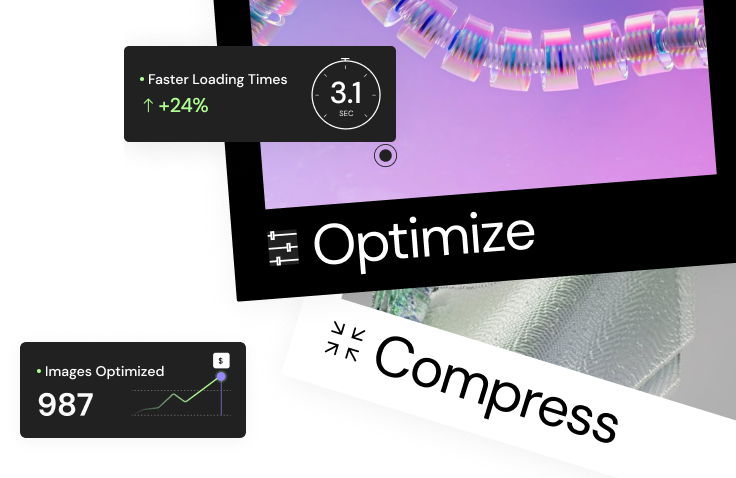
Large images slow down websites, killing your SEO. You don’t need expensive software to fix this. Image Optimizer by Elementor is a plugin that automatically compresses your images and converts them to the modern WebP format. This ensures your site loads fast, improving your Core Web Vitals score. Elementor Image Optimizer
AI for Content Creation
Staring at a blank page is difficult. Elementor AI is integrated directly into the builder. While full access is a premium feature, free users can often access trials or limited generations to help write headlines, translate text, or generate custom CSS code to fix styling issues. This “Co-pilot” approach dramatically speeds up the creation process. Elementor AI
Reliable Email Delivery
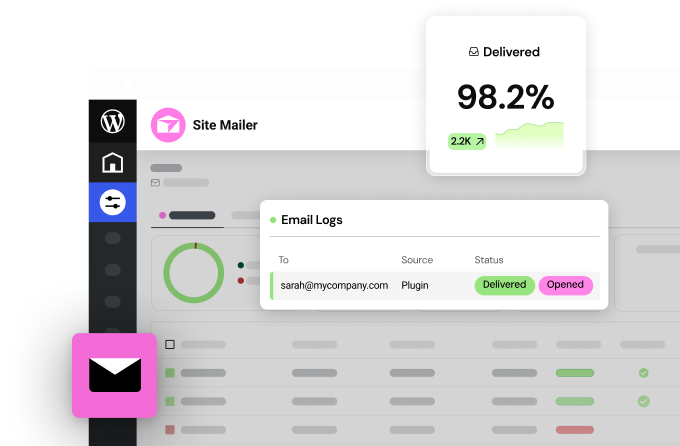
One of the most common hidden issues with WordPress is that contact form emails often go to spam. Site Mailer by Elementor is a free plugin that fixes this by reconfiguring how your site sends emails, ensuring your leads actually reach your inbox. It connects easily with Gmail or Outlook without complex SMTP settings. Site Mailer by Elementor
Frequently Asked Questions
1. Is Elementor truly free, or is it a “trial”? Elementor Free is not a trial. It is a fully functional product with no expiration date. You can build professional, live websites with it forever. The Pro version is an optional upgrade that adds advanced features like the Theme Builder and Popup Builder, but it is not required for a standard website.
2. Can I build an online store for free? Yes. By using WordPress + Elementor Free + WooCommerce (also free), you can build a fully functional online store with unlimited products. This is a major advantage over SaaS builders like Wix or Squarespace, which require paid plans for any eCommerce functionality.
3. Do I need to know how to code to use Elementor? No. Elementor is a “No-Code” platform. You build everything visually. However, if you do know code, Elementor allows you to add custom CSS and HTML, making it flexible for all skill levels.
4. Why is “hosting” required if the software is free? Think of WordPress as the house and Hosting as the land. You get the house for free, but you need to pay a small “rent” for the land it sits on to be accessible to the public. This cost (often $3-10/mo) is much lower than the $16-30/mo typically charged by SaaS builders for similar features.
5. What happens if I start with the free version and want to upgrade later? Upgrading is seamless. You simply install the Pro plugin, and it instantly unlocks the advanced widgets and features on your existing site. You do not need to rebuild anything.
6. How does Elementor affect site speed? Elementor is optimized for performance. When paired with the lightweight Hello Theme and a good hosting provider, it can achieve top-tier Google PageSpeed scores. Tools like the Image Optimizer further enhance this performance.
7. Can I use my own domain name with the free version? Yes, if you use self-hosted WordPress. Since you are hosting the site yourself, you have total control over your domain name (e.g., yourbusiness.com) without being forced to use a subdomain.
8. Is it mobile-friendly? Yes. Elementor sites are responsive by default. Furthermore, the Mobile Editing tools give you manual control to ensure the mobile experience is perfect, not just “passable.”
9. How does support work for the free version? Elementor has a massive global community. You can get help from the official community forums, thousands of YouTube tutorials, and extensive documentation. For direct premium support, an upgrade or an Elementor Hosting subscription is required.
10. What is the “Hello Theme” and why should I use it? The Hello Theme is a stripped-back, high-performance WordPress theme built by Elementor. It is the recommended starting point because it minimizes code bloat, ensuring your site is fast and that your Elementor designs render exactly as you intend without interference from theme styles.
Conclusion
Finding the “best” free website builder is about looking past the initial sign-up offer and understanding the long-term value. While platforms like Wix and Square Online offer quick, all-in-one solutions, they impose ceilings on your growth through ads, subdomains, and feature locking.
For the serious creator—whether you are a designer, a business owner, or a marketer—the combination of WordPress and Elementor stands alone. It offers the professional “SaaS-like” design experience you want, with the ownership and scalability of open-source software. It allows you to start small, build for free, and scale without limits. In 2025, that freedom is the most valuable feature of all.
To get started with the best foundation for your web presence, explore the ecosystem that empowers you to build without boundaries.
Looking for fresh content?
By entering your email, you agree to receive Elementor emails, including marketing emails,
and agree to our Terms & Conditions and Privacy Policy.