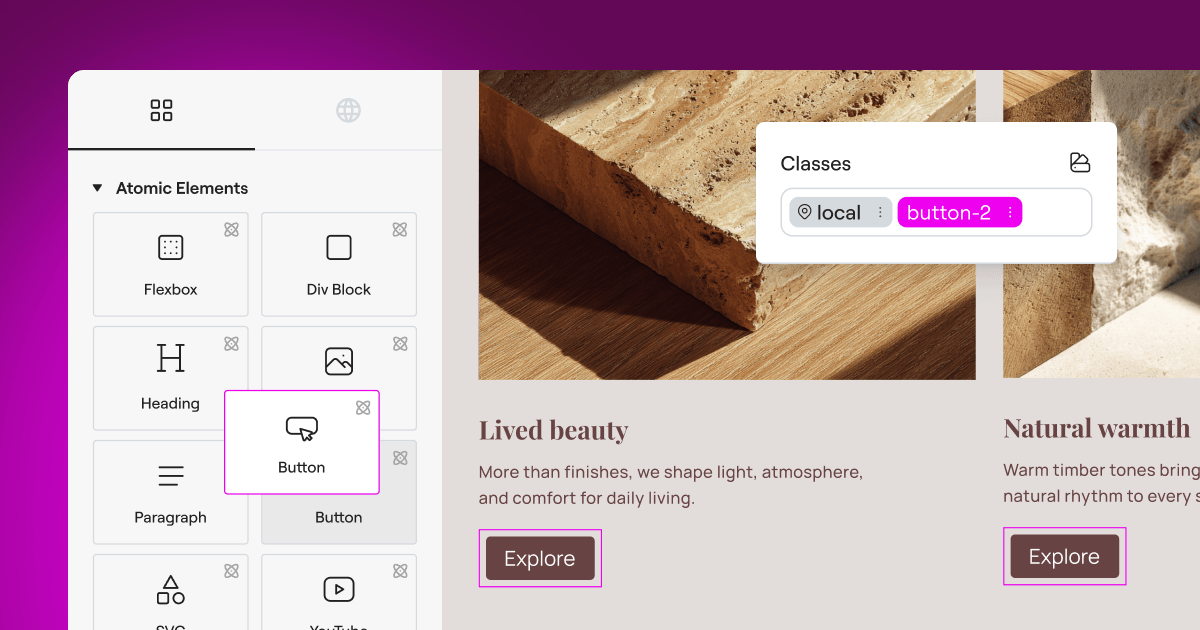
Managing privacy laws can feel like solving a puzzle while the pieces keep moving. If you run a WordPress site, you know that staying compliant with GDPR and CCPA isn’t optional, and you need a reliable way to ask visitors for permission before tracking them. Picking the right tool isn’t always obvious, but don’t worry, we’ll work through it together. Two of the most common options are Cookiebot and CookieYes, though some alternatives might fit your site even better.
Key Takeaways
- Cookiebot is a highly automated, cloud-based tool best suited for larger websites with complex tracking scripts.
- CookieYes offers a user-friendly dashboard with a straightforward setup process for small to medium sites.
- Cookie Consent by Elementor offers a native, fast WordPress setup that keeps everything inside your dashboard without requiring external accounts.
- Compliance in 2026 requires support for Google Consent Mode v2, which both platforms and native tools support.
The Privacy Challenge for Site Owners in 2026
Privacy regulators around the world keep getting stricter. A simple “we use cookies” popup with an OK button won’t cut it anymore. You need to give visitors granular control over categories like marketing or analytics, and keep detailed logs of their choices in case a regulator ever asks.
For WordPress creators, this creates a real performance and design challenge. Many traditional compliance platforms load heavy third-party scripts that slow your pages down and pull you into an external dashboard, away from your own site. Balancing compliance, speed, and brand design keeps your business running smoothly.
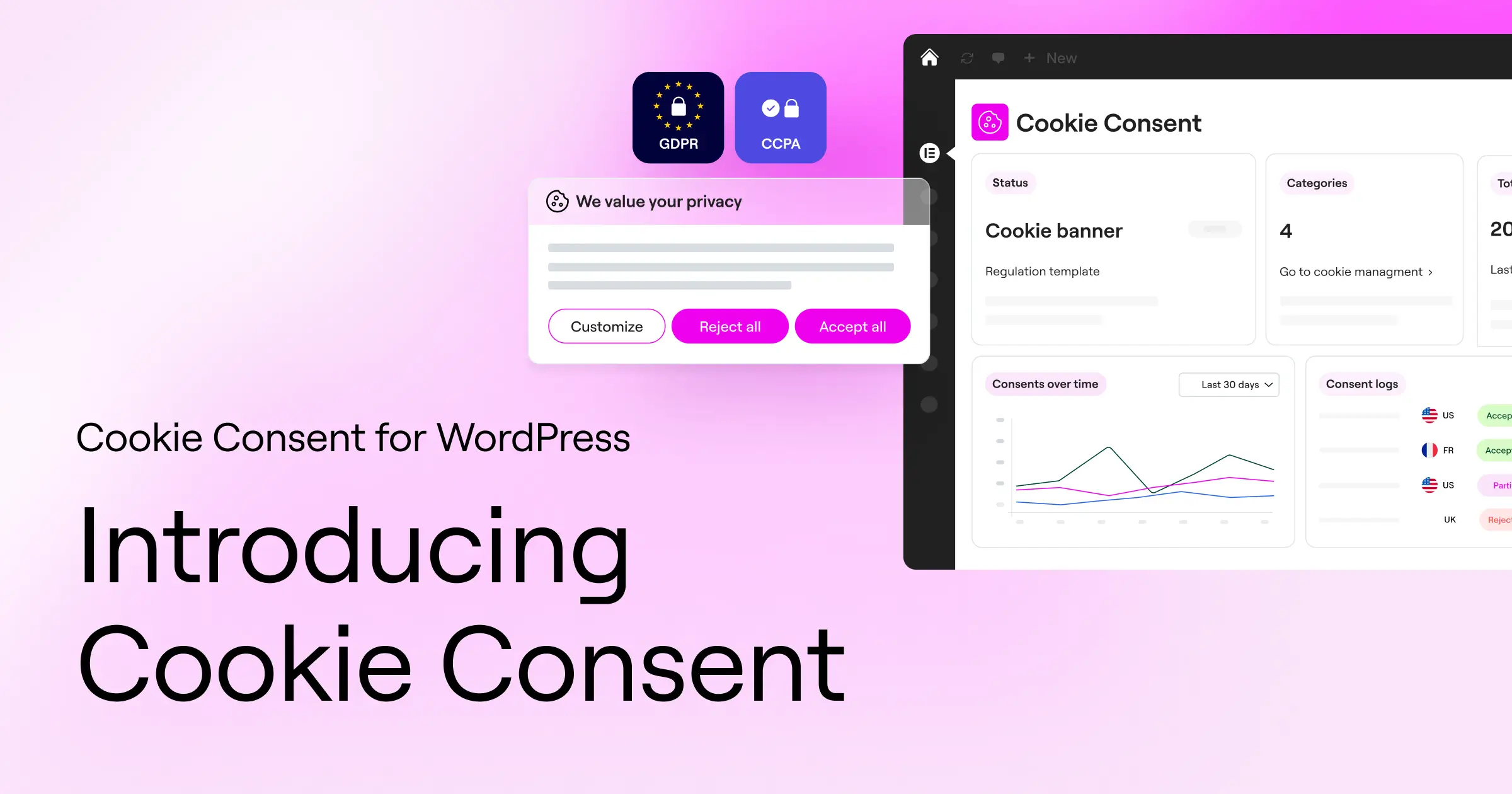
Why Google Consent Mode v2 and Global Privacy Control Matter
If you serve visitors in the EU or California, technical standards are shaping how your site needs to behave. Compliance isn’t just about avoiding fines, it’s about keeping your marketing data intact. Here’s why these updates matter for your business:
- Google Consent Mode v2: Required for any site using Google Ads or Google Analytics to serve European traffic. It adjusts how Google tags behave based on each visitor’s consent choices, keeping your measurement accurate while respecting privacy.
- Global Privacy Control (GPC): A browser-level signal that lets users tell websites they don’t want their data sold or shared. Modern tools need to recognize it to stay compliant with California laws.
- Consent Log Archiving: Regulators expect proof of when and how a user consented. Your tool needs to log this data securely without compromising user anonymity.
Head-to-Head: Cookiebot vs CookieYes Comparison
Before the full list of alternatives, here’s how these two well-known independent services compare. Both help you manage consent, though each takes a slightly different approach.
| Feature | Cookiebot | CookieYes |
|---|---|---|
| Dashboard Location | External Cloud Dashboard | External Cloud Dashboard |
| Setup Time | Moderate (requires script integration) | Fast (web app with simple setup wizard) |
| WordPress Integration | Via third-party connector | Via connector |
| Google Consent Mode v2 | Fully supported | Fully supported |
| Geo-Targeting | Available on premium tiers | Available on premium tiers |
| Cookie Scanning | Automatic monthly scans | Automatic scheduled scans |
“Setting up a compliant cookie consent banner is no longer just a legal checklist item. It’s a fundamental part of building visitor trust and protecting your brand from heavy regulatory penalties. The best tool is always the one that fits naturally into your existing workflow without slowing down your site.”
– Itamar Haim, Web Compliance Specialist
10 Best Cookie Consent Tools in 2026
To help you find the right match, we’ve rounded up ten solid compliance options, covering major cloud platforms, native integrations, and developer-focused tools. Whatever kind of site you run, there’s something here for you.
1. Cookiebot
Cookiebot is an established cloud-based platform specializing in automated scanning. It crawls your site to identify tracking scripts and groups them into clean categories. It’s reliable, though setup can feel technical for beginners, since you’ll need to insert scripts into your header manually or use a connector.
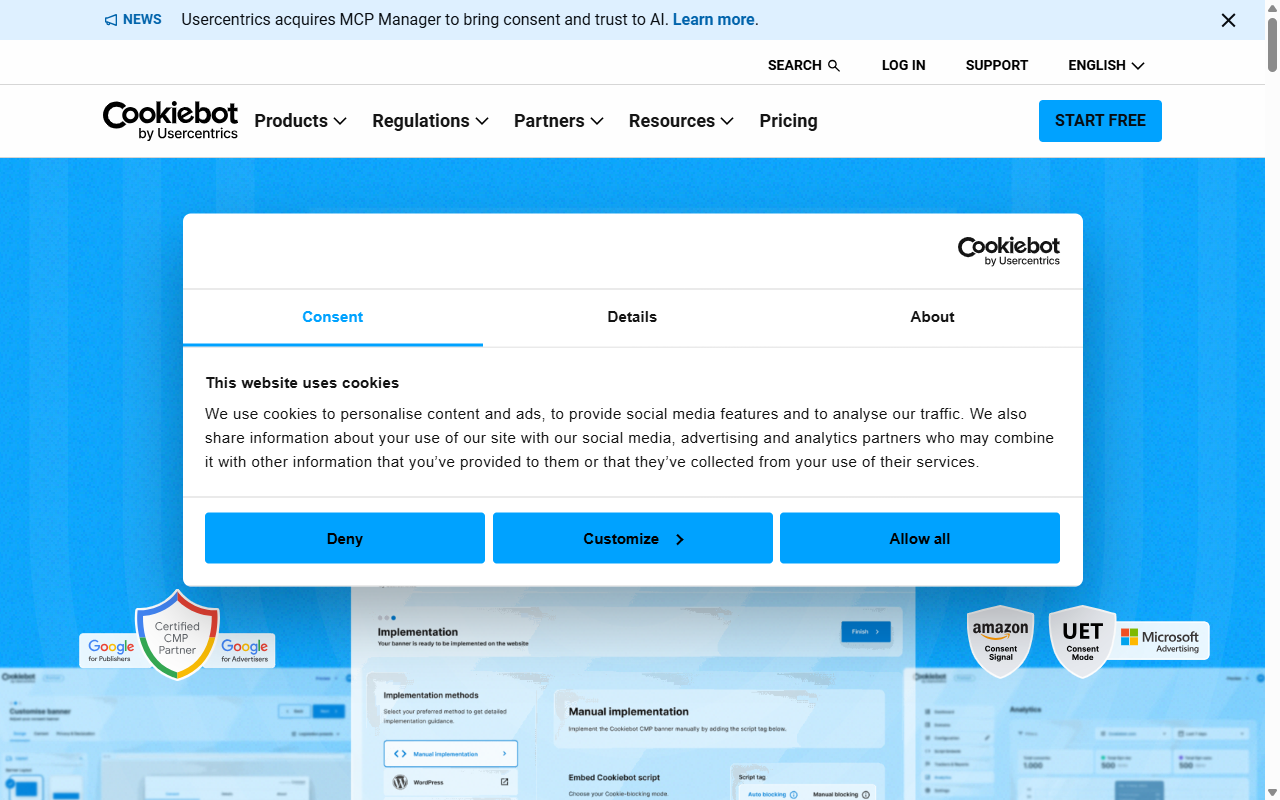
- Scans your website automatically every month to find new tracking technologies.
- Builds customized consent banners that adapt to the legal requirements of your visitor’s location.
- Connects with Google Consent Mode v2 to help you maintain your marketing metrics.
- Logs consent actions securely to provide an audit trail for privacy regulators.
It’s a solid pick for medium to large businesses that want a hands-off, automated scanning tool and don’t mind paying a premium for cloud management.
2. CookieYes
CookieYes is a popular cloud platform known for its clean interface and approachable setup. You can design and launch a banner in minutes, and the dashboard is laid out clearly. Its entry-level plan is generous for small sites, a well-liked option for anyone who wants something simpler than bigger corporate systems.
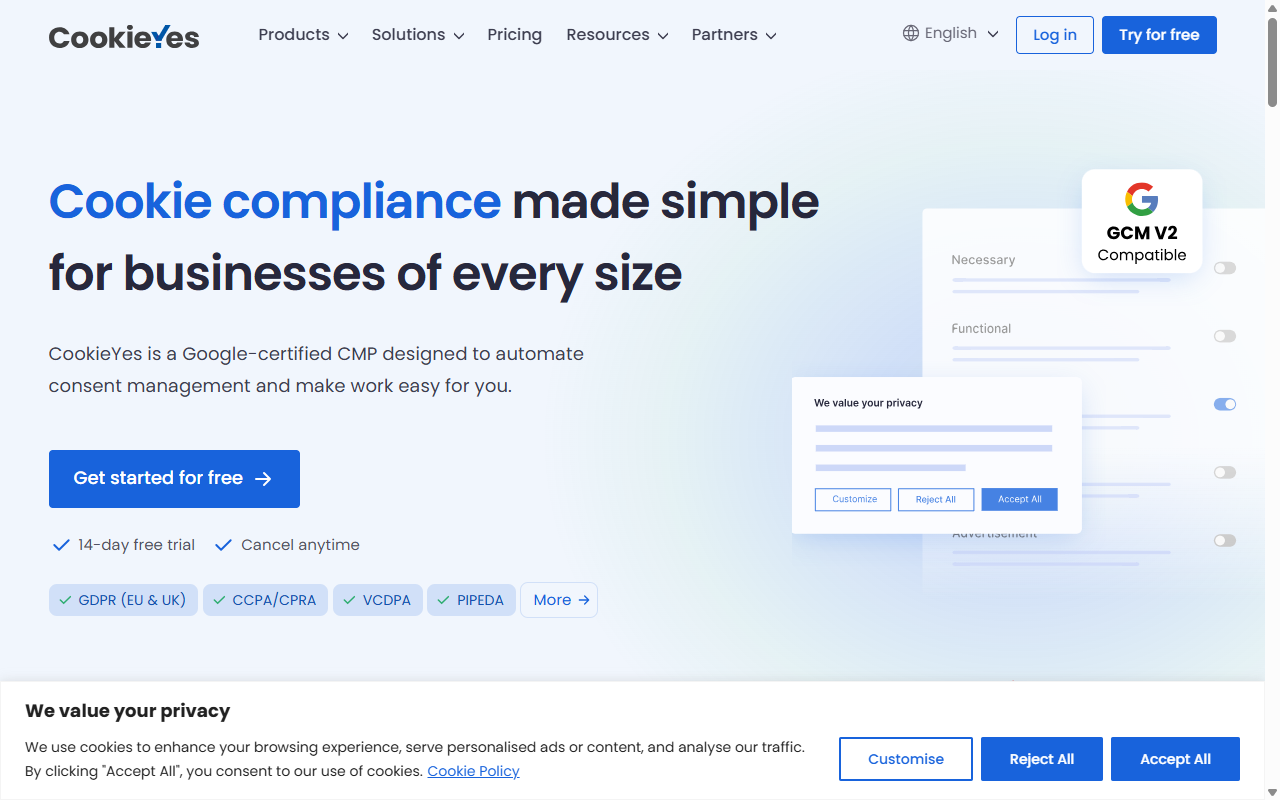
- Blocks third-party scripts automatically until the visitor gives explicit consent.
- Builds multilingual banners that support over thirty different languages.
- Logs user consent choices in a simple, searchable cloud dashboard.
- Adapts to GDPR, CCPA, and other global privacy frameworks dynamically.
It’s a good fit for bloggers, small business owners, and growing brands who want a polished banner with zero coding required.
3. Cookie Consent (by Elementor)
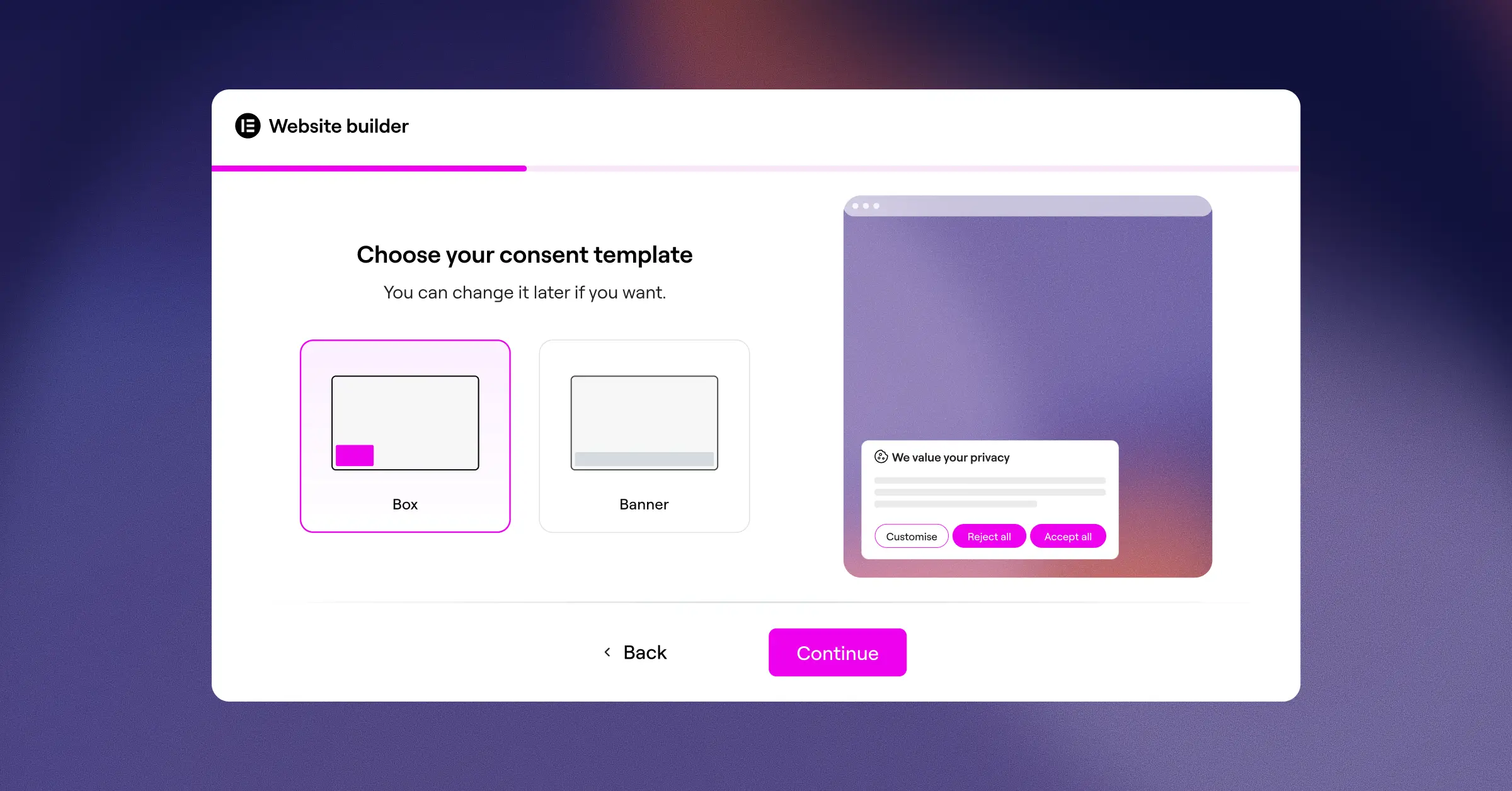
If you already use Elementor to build and manage your WordPress site, there’s a simpler way to handle compliance without adding heavy external scripts. The Cookie Consent capability is built natively for WordPress, so you manage your entire compliance strategy right from your dashboard. No external accounts, no code snippets to copy, no jumping between platforms.
Because it’s native to WordPress, this cookie consent capability works directly inside your website editor. You can design your compliance banners with the tools you already know, so your privacy popups match your brand. It’s built for speed too, so you skip the performance lag that third-party scripts often bring, and it works alongside other built-in capabilities like Web Accessibility for a complete compliance setup.
- Manages compliance directly from the WordPress dashboard with no external accounts needed.
- Builds customized banner designs that match your website style exactly using native editor controls.
- Connects with Google Consent Mode v2 to keep your analytics and ad performance running smoothly.
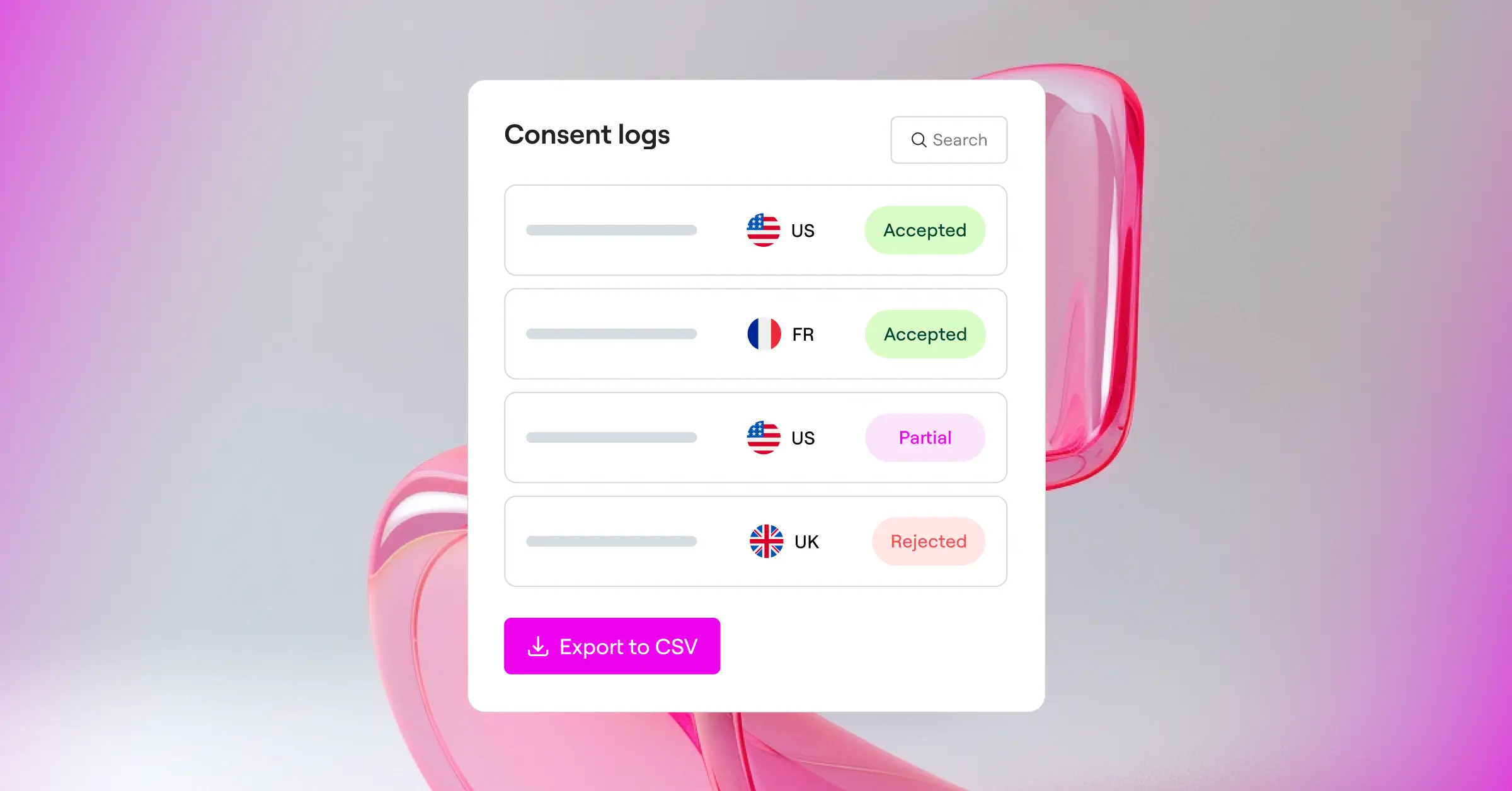
- Tracks consent logs to maintain a secure, accessible record for compliance audits.
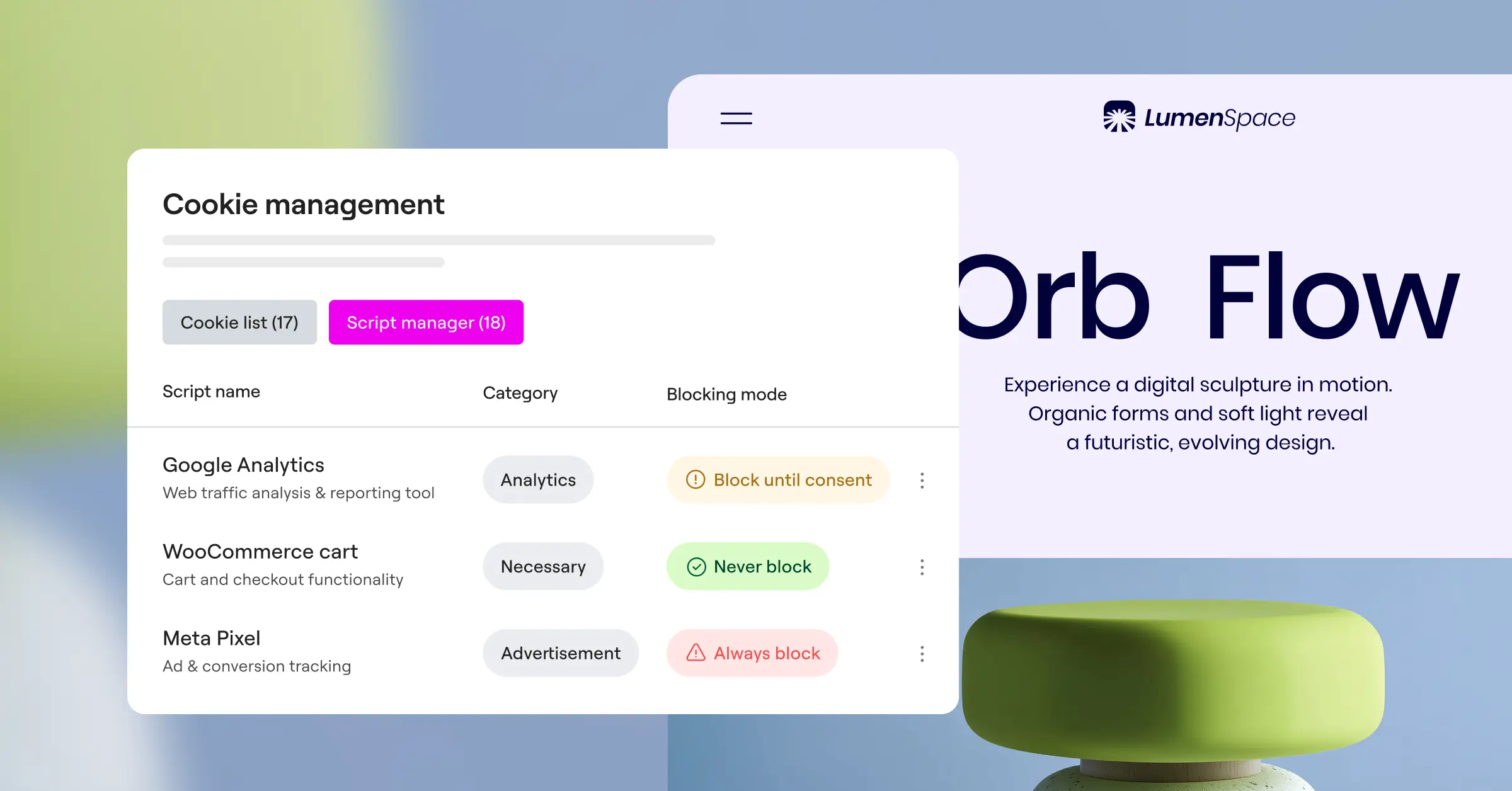
- Scans cookies and scripts automatically to keep your categorized list accurate.
- Pulls cloud-based design templates so you can get set up in under five minutes.
It’s a strong choice for WordPress site owners and agencies who want to keep things simple and skip extra monthly cloud subscriptions. It’s included in Elementor One, and a free tier is available too.
4. Complianz
Complianz is a privacy tool built specifically for WordPress. A step-by-step wizard helps you configure compliance settings based on your region and installed tools, and it does a good job identifying popular third-party integrations and blocking them automatically until consent is granted.
- Configures cookie banners based on your legal region through a simple questionnaire.
- Tracks proof of consent locally on your server to avoid external data sharing.
- Builds custom legal documents like cookie policies and privacy policies.
- Blocks tracking scripts from social networks and analytics tools automatically before consent.
It has a free version on WordPress.org, with premium upgrades for features like geo-targeting, and it’s a reliable pick if you prefer a self-hosted setup over a cloud-based service.
5. iubenda
iubenda is a legal compliance suite for websites and apps that goes beyond a cookie banner, helping you generate and maintain privacy policies, terms and conditions, and internal privacy documentation. Setup is thorough and detailed, great if you want your legal documents airtight.
- Generates professional privacy and cookie policy documents drafted by legal teams.
- Builds customizable cookie banners that meet global legal requirements.
- Tracks updates in privacy laws automatically and revises your legal text to keep you current.
- Pulls custom code integrations for a variety of web platforms beyond WordPress.
It’s ideal for international businesses that need a complete legal compliance package rather than just a consent banner.
6. OneTrust
OneTrust is an enterprise-level privacy management platform built for large organizations managing privacy across hundreds of websites, mobile apps, and internal databases. It offers deep customization and reporting, though it’s more complex than most standard WordPress sites need.
- Manages compliance across multiple global regions simultaneously.
- Tracks data mapping across internal systems and cloud databases.
- Builds advanced user preference centers so customers can manage their own data.
- Logs complete audit trails designed to withstand intense regulatory review.
It’s best suited for enterprise teams and corporate websites with dedicated legal departments.
7. Termly
Termly is a compliance tool designed with small businesses in mind. It combines a cookie consent banner with a set of legal policy generators, making it approachable for anyone who wants a compliant site without hiring a lawyer.
- Generates terms of service, return policies, and privacy policies using simple templates.
- Builds clean, responsive cookie consent banners for desktop and mobile devices.
- Tracks cookie scans automatically to keep your compliance disclosures accurate.
- Runs weekly or monthly automated scans to find new tracking scripts on your site.
It’s a good fit for e-commerce startups that need both legal policies and a cookie banner on a budget.
8. Osano
Osano is a B-Corp certified privacy platform focused on trust and ease of use. It offers a legal guarantee against regulatory fines for enterprise customers, and setup is simple for developers, just a single line of code.
- Tracks compliance rules in over fifty countries to keep your site updated automatically.
- Blocks script execution automatically using script-blocking technology.
- Builds accessible consent banners that work well with screen readers and keyboard navigation.
- Manages data subject access requests (DSAR) through an integrated workflow dashboard.
It’s a strong option for fast-growing companies that prioritize legal security and want peace of mind.
9. Usercentrics
Usercentrics is a consent management platform popular in Europe, known for its modular design. Developers can build custom consent workflows through an API or a pre-built web interface, with solid support for modern marketing platforms and advertising tags.
- Collects user consent across web browsers, mobile apps, and smart TV interfaces.
- Builds custom compliance designs using developer APIs and web components.
- Tracks marketing technologies and social media widgets to keep them blocked until allowed.
- Connects with major tag management tools like Google Tag Manager.
It’s a strong match for agencies and developers who need custom, programmatic control over consent states.
10. Ketch
Ketch is a data permission and compliance platform that treats privacy as a data coordination problem, not just a banner to display. It manages user data permissions across your marketing stack, helping businesses use customer data responsibly while staying compliant.
- Automates data control processes across all your database systems and marketing platforms.
- Builds dynamic consent notices that change based on user location and regulations.
- Tracks user preferences across multiple devices and sessions to reduce banner fatigue.
- Pulls detailed analytics on user opt-in rates to help you refine your banner design.
It’s ideal if you want to use privacy as a way to build better data relationships with your audience rather than just ticking a legal box.
3 Steps to Choose the Right Consent Tool
Choosing the right option doesn’t have to feel overwhelming. You can find a great match for your workflow by thinking through three things:
- Evaluate your platform: If you run a WordPress site built with Elementor, using their native Cookie Consent capability will save you time, design effort, and money. If you’re on another platform, a cloud solution like CookieYes or Cookiebot may be what you need.
- Check your traffic sources: If you get a lot of visitors from the EU, make sure the tool you choose supports Google Consent Mode v2. That’s essential for keeping your advertising campaigns accurate.
- Think about your design needs: Some tools produce generic-looking popups that clash with your site design. Look for a tool that gives you full control over colors, fonts, and layout so your banner feels like part of your brand.
Summary Recommendation
For most WordPress site owners, the choice comes down to where you want to manage compliance data. If you’d rather keep everything in one unified workspace with banners that feel fully integrated, the native cookie consent capability from Elementor is the most practical choice. It keeps your site fast, simplifies your workflow, and skips the monthly fees for external API calls.
If you run a complex enterprise site across multiple CMS platforms and need advanced data mapping, a dedicated cloud suite like Cookiebot or CookieYes will give you the cross-platform, centralized management you need. Whichever path you take, make sure your tool supports modern privacy standards like GDPR and CCPA. That’s the most important step for protecting your business and building genuine trust with your audience.
Frequently Asked Questions
Does Cookiebot offer a free plan in 2026?
Yes, Cookiebot offers a free plan, but it’s limited to a single domain with under fifty pages. If your site grows beyond that, you’ll need to upgrade to a paid subscription based on your page count.
Is CookieYes easy to install on WordPress?
Yes, CookieYes is straightforward to install on WordPress. You connect it by installing their integration and linking it to your CookieYes account with an API key.
What is Google Consent Mode v2 and do I need it?
Google Consent Mode v2 is a technical framework Google requires for any site serving EU traffic that uses Google Ads or Google Analytics. It communicates user consent choices to Google’s servers so tags can adjust their tracking behavior. If you serve EU visitors and use Google services, yes, you need it.
Can a native WordPress cookie consent tool replace external cloud tools?
Yes, a native WordPress tool like Elementor’s Cookie Consent can replace external services for most WordPress sites. It handles cookie scanning, script blocking, design customization, and consent logging right from your WordPress dashboard, so you skip the third-party subscription plans.
What happens if I don’t use a cookie consent banner?
Without a compliant consent banner, you could face regulatory fines from privacy authorities under laws like GDPR and CCPA. Advertising platforms like Google may also limit your ability to track conversions and target ads to European users.
Do I need to hire a lawyer to write my cookie policy?
Hiring a lawyer is the most thorough option, but many modern compliance tools include built-in policy generators. These ask you a few questions about your business and produce a legally oriented policy automatically, which works well for most small to mid-sized sites.
Can I customize the look of my consent banner to match my brand?
Yes, most tools offer some level of customization. Native solutions tend to give you the best design control since they use your existing website builder’s controls, letting you match your fonts, margins, colors, and button styles without writing CSS.

