
Running a busy agency is genuinely rewarding: you build beautiful sites, keep clients happy, and juggle a million details at once. But managing privacy compliance across thirty different client sites can turn into a real headache. Between GDPR in Europe and CCPA in California, staying compliant isn’t optional, and the right tools make it manageable.
Key Takeaways
- Native integrations save agencies hours by keeping settings inside the familiar WordPress dashboard.
- Google Consent Mode v2 support is critical for clients using Google Ads and Analytics in 2026.
- Geo-targeting capabilities prevent showing unnecessary banners to visitors who don’t legally require them.
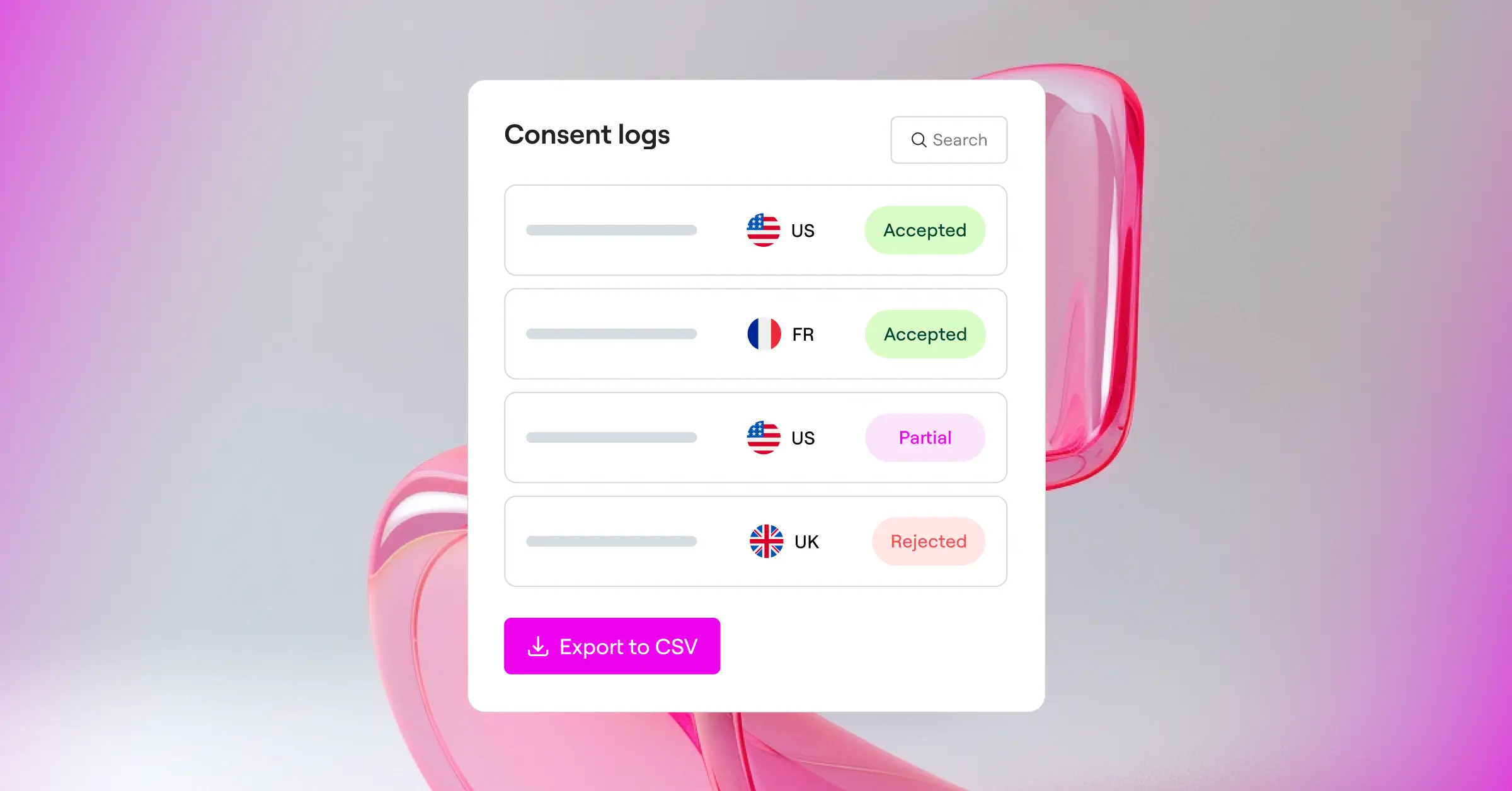
- Consolidated consent logs protect your agency and your clients during regulatory compliance audits.
- Custom design tools let you style cookie banners to match client branding perfectly.
What to Look For in Multi-Site Cookie Consent Tools
When you’re managing web projects for dozens of clients, you can’t afford complicated setups. The ideal multi-site consent tool works quietly behind the scenes, keeps sites fast, and slots into workflows you’ve already built.
- Centralized Administration, Look for a tool that lets you monitor every client site from one screen, instead of logging into twenty separate accounts for one privacy policy update.
- Design and Styling Freedom, Your agency builds stunning websites, and the last thing you want is a generic banner undoing a crafted landing page. Pick a tool that lets you customize colors, fonts, and layouts to match each client’s brand.
- Automated Scanning, Web technologies change constantly (this one trips up a lot of people). A good consent tool scans your sites on a schedule, finds new cookies, and classifies them without manual work from you.
Keeping compliance manageable comes down to choosing tools built for agency workflows: quiet background updates, legal clients, and more time for creative work.
As privacy regulations tighten globally, agencies can no longer rely on simple checklist solutions. True compliance requires a system that’s active, auditable, and deeply integrated into your daily website creation workflow.
– Itamar Haim, Web Compliance Specialist
1. Cookie Consent
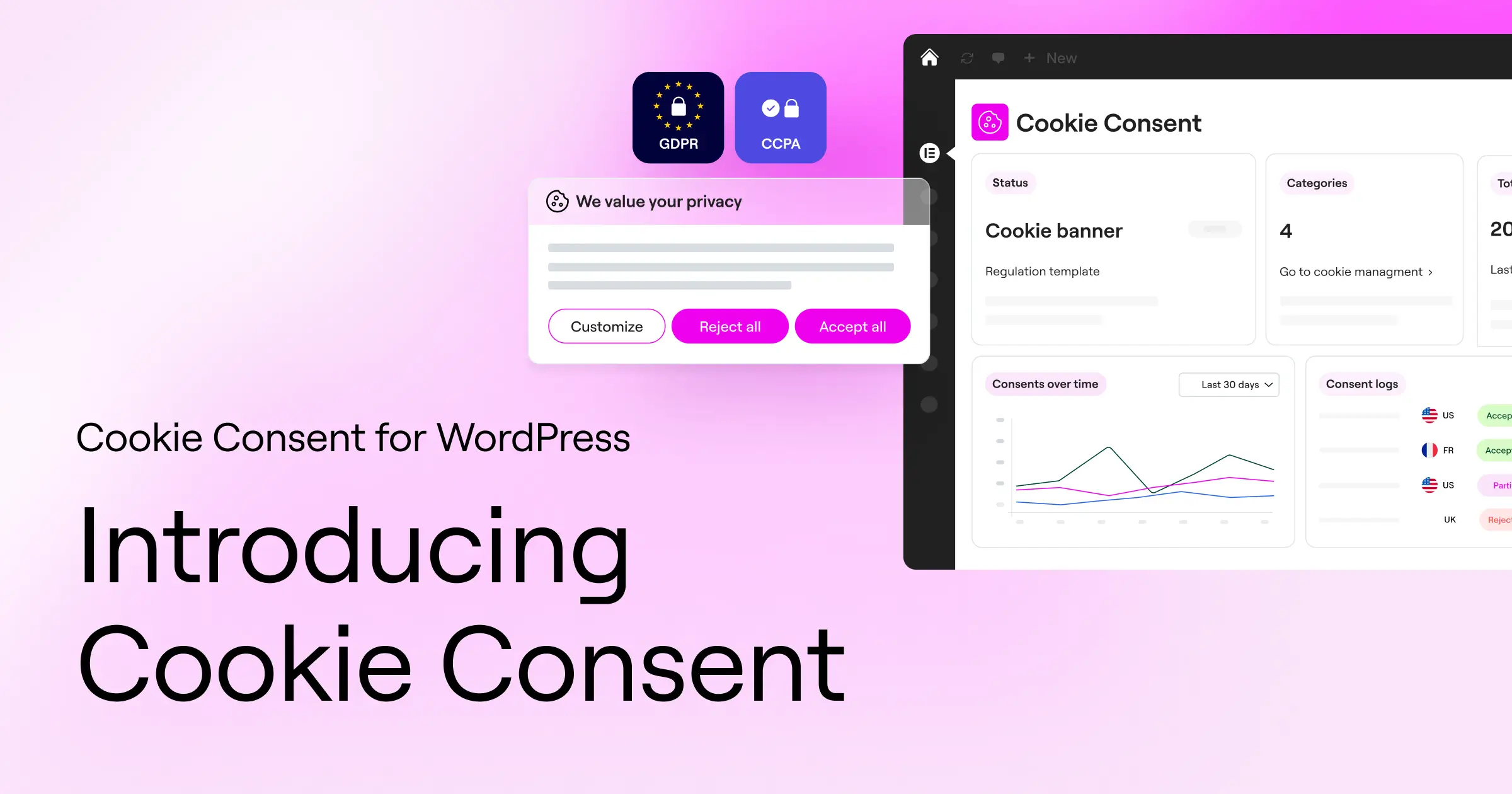
First on our list is Cookie Consent, Elementor‘s native cookie consent capability built for WordPress. It manages GDPR and CCPA compliance right from your dashboard, no third-party platforms to juggle. Since it’s native, setup is genuinely simple: you can build banners, run deep cookie scans, categorize scripts, and review audit-ready consent logs without ever leaving WordPress.
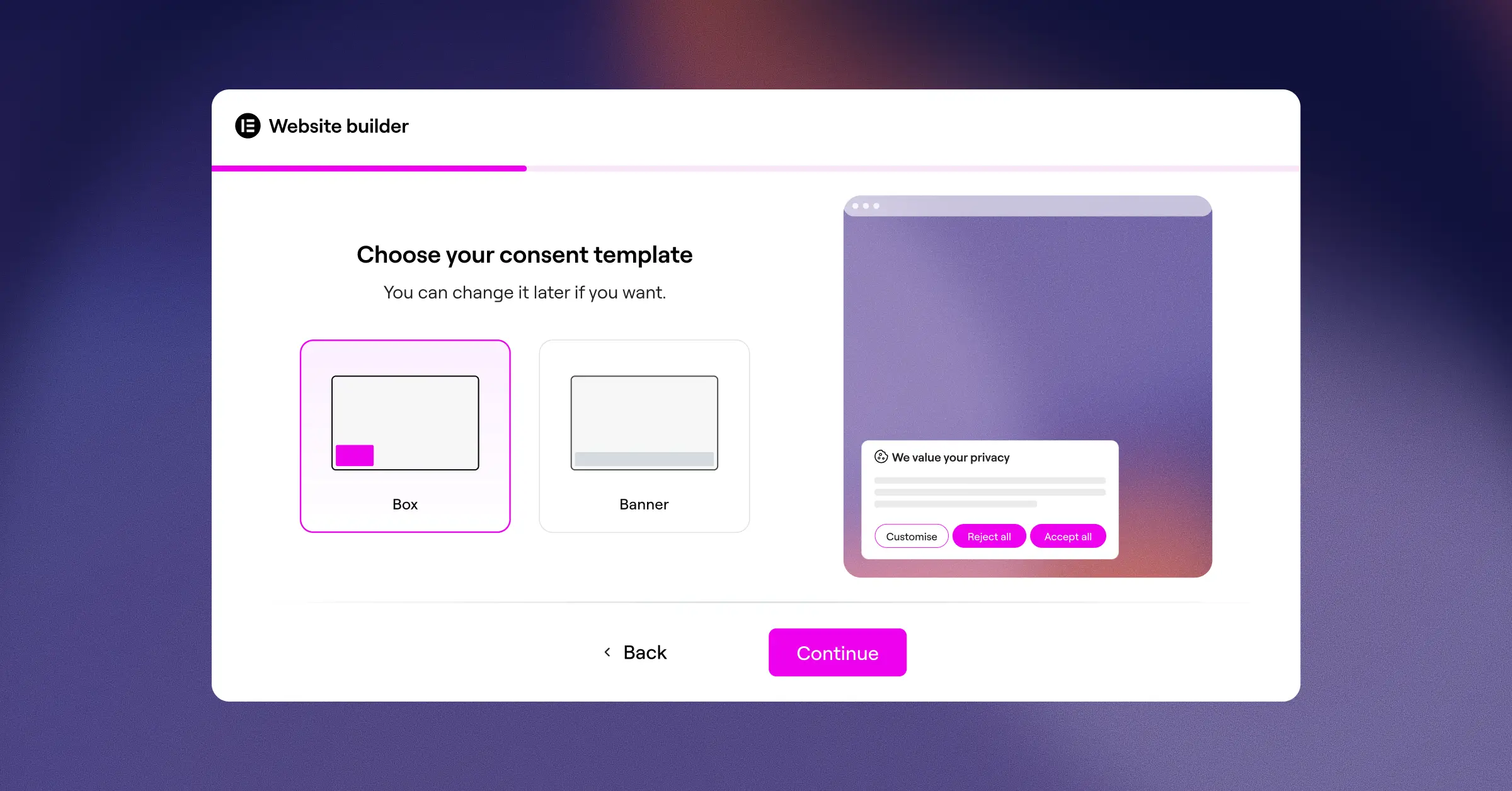
Core Features of Cookie Consent
- Scans sites to find and organize active cookies.
- Builds banner layouts with design controls to match your client’s brand.
- Saves consent logs to the WordPress database for audit protection.
- Coordinates with Google Consent Mode v2 to keep marketing data accurate.
- Filters banners by visitor location with geo-targeting.
- Generates legal policies with a built-in privacy policy generator.
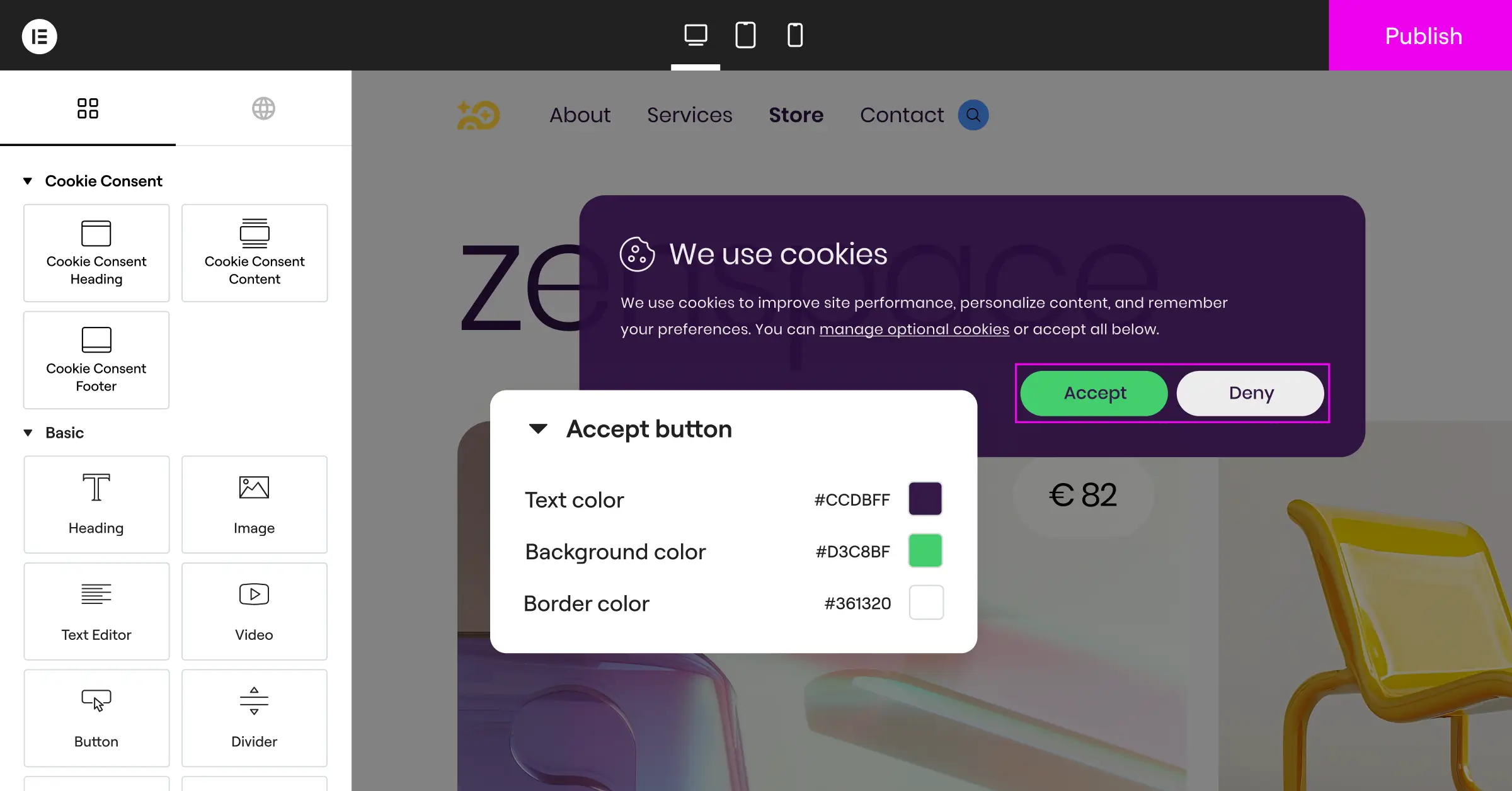
Why Agencies Love It
Cookie Consent comes included in the Elementor One package, so you’re not paying for a separate subscription per site, and a free tier keeps overhead low too. Since it’s fully integrated with your page builder, you can white-label delivery, customize designs globally, and get a site compliant in five minutes.
Pros: No external dashboards, fast five-minute setup, native design integration, and full Google Consent Mode v2 support.
Cons: Designed for WordPress environments, so it’s not the right fit for non-WordPress platforms.
Our Verdict: The standout choice for agencies building on WordPress. It keeps your dashboard clean, saves money on external subscriptions, and looks great right out of the box.
2. Cookiebot
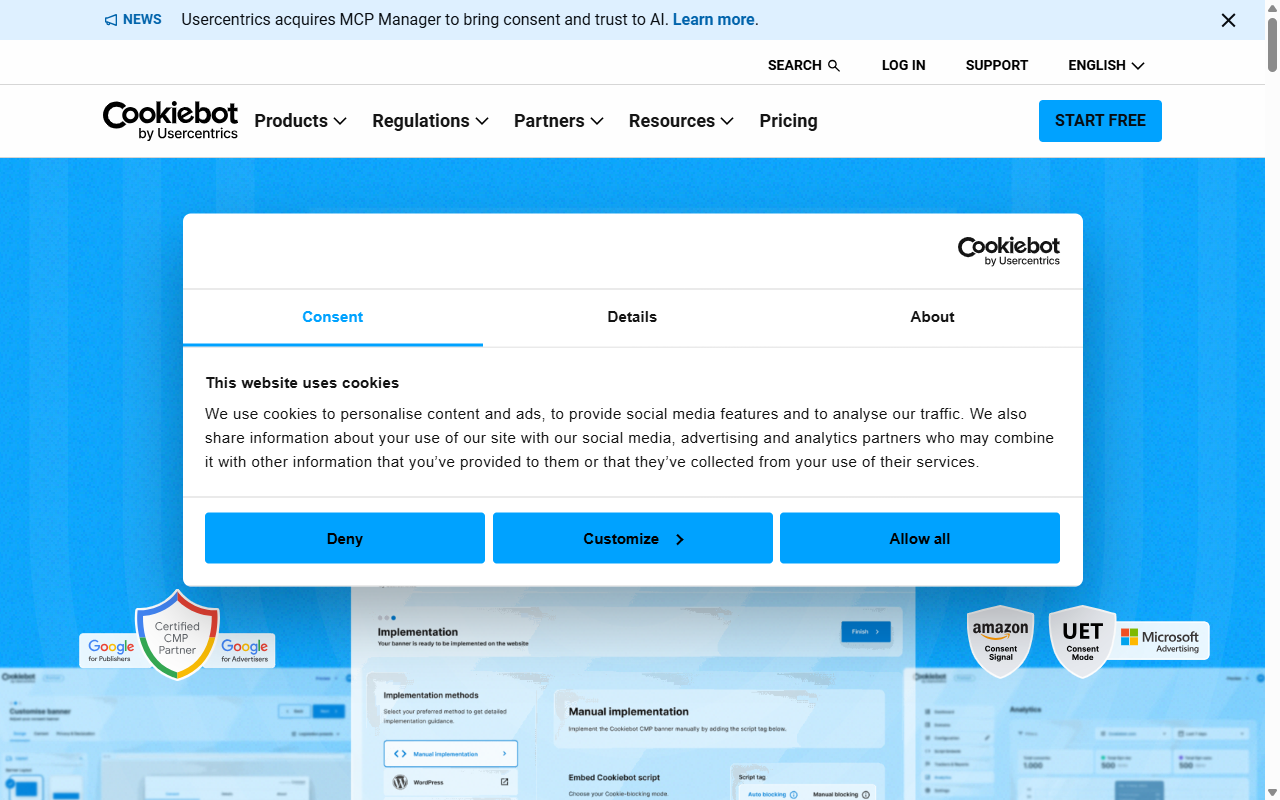
Cookiebot is a well-known cloud-based consent management platform that works across many content management systems. Larger agencies like it for its strict compliance standards and automated cloud scanning engine. It places a script on client sites that manages consent externally, and you handle settings through the Cookiebot dashboard, useful across Shopify, custom HTML, and WordPress sites.
Key Features of Cookiebot
- Analyzes site scripts with a monthly cloud scanner.
- Categorizes trackers using a large global database.
- Translates banners into dozens of languages based on browser settings.
- Pairs with Google Tag Manager for smooth tracking setup.
Pros: Solid multi-platform compatibility and accurate automated scanning.
Cons: Managing settings through an external dashboard adds an extra workflow step.
Our Verdict: A capable option for agencies managing a diverse portfolio of platforms, including non-WordPress sites.
3. CookieYes
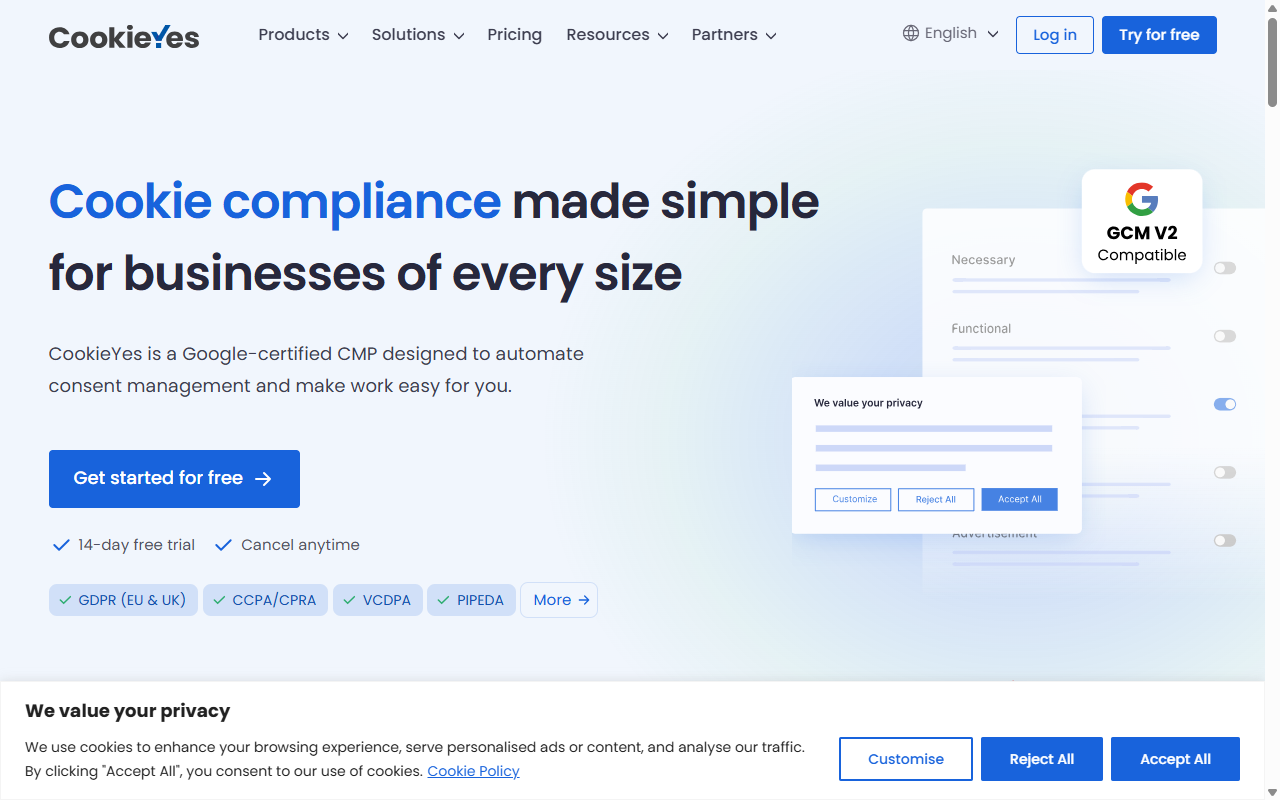
CookieYes is a cloud-based tool with a solid following for its straightforward interface and easy setup. It serves WordPress users and web developers through a dedicated web app dashboard, and you can manage multiple web properties from one account, making it easy to move between clients.
Key Features of CookieYes
- Controls cookie blocking before consent is recorded.
- Adds custom CSS styling for visual adjustments.
- Saves consent records in a cloud-based log.
- Ships templates that meet GDPR and CCPA requirements.
Pros: Clean external dashboard and a simple code-based installation process.
Cons: Styling adjustments require switching between your site builder and the CookieYes web app.
Our Verdict: A capable middle-ground option for teams that prefer a dedicated compliance platform with solid multi-site support.
4. Complianz
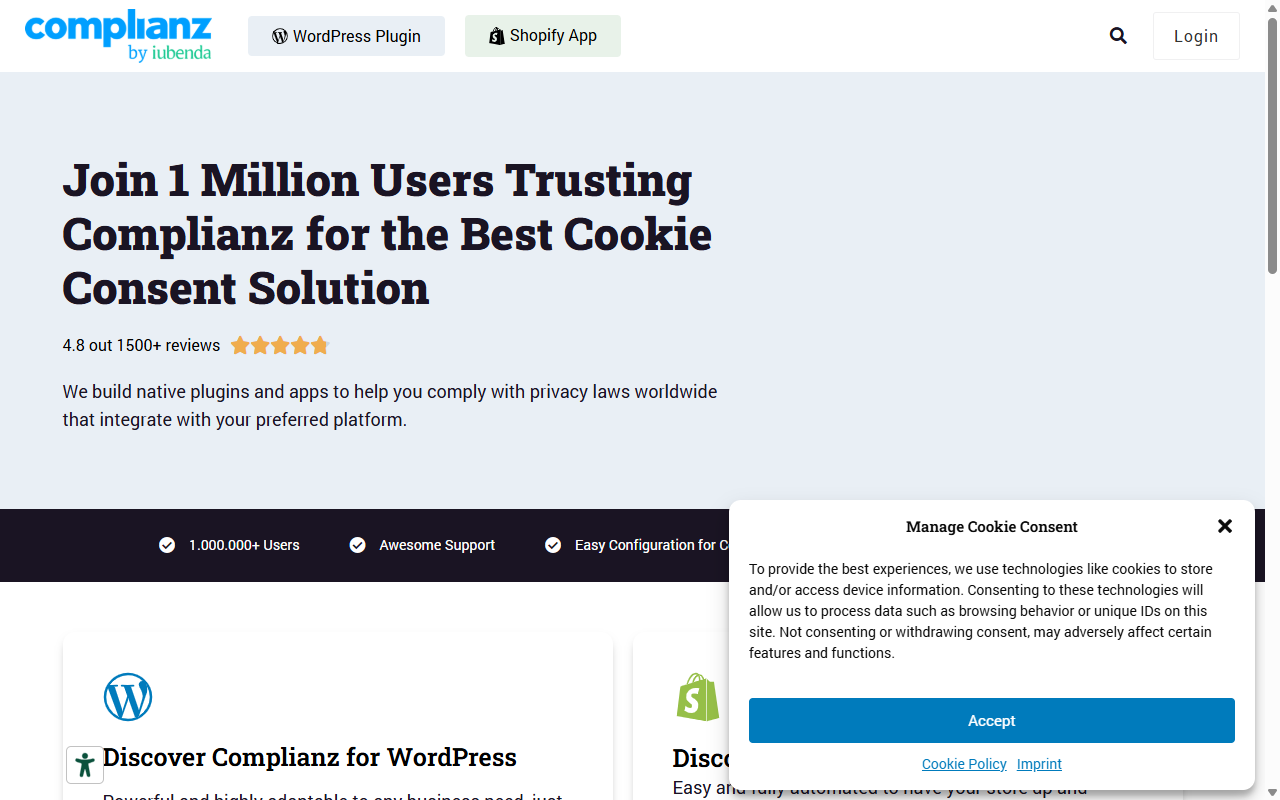
For teams wanting a privacy tool built around WordPress, Complianz is a popular choice. It covers not just cookies but privacy policies and terms of service too, guided by a wizard-style interface, and works directly inside WordPress so your tools stay in one place, though styling banners can occasionally need custom CSS.
Key Features of Complianz
- Guides users through a step-by-step legal wizard.
- Generates legal documents based on regional requirements.
- Integrates with popular WordPress translation tools for multilingual sites.
- Blocks third-party scripts before user selection.
Pros: Full legal document creation and localized hosting of compliance data.
Cons: The interface can feel technical for beginners, and styling banners for highly customized themes may take extra time.
Our Verdict: A solid, detail-oriented privacy suite for WordPress agencies that also want legal documents alongside their cookie banners.
5. iubenda
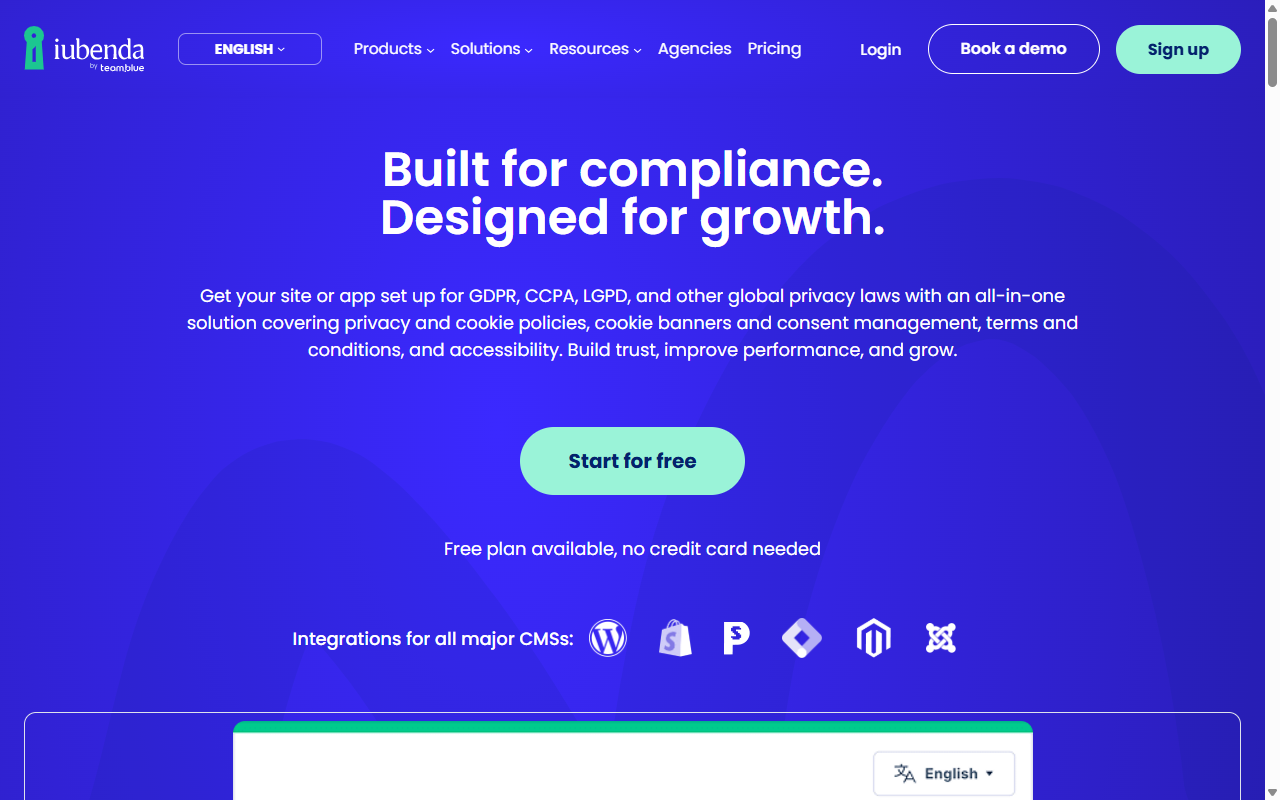
iubenda approaches compliance from a broader legal angle, as a complete legal tool for websites covering cookie banners, privacy policy generators, terms and conditions documents, and internal consent management. It’s cloud-hosted, code-based, thorough and professional, built for agencies that want to hand legal writing off to software, though the range of options can feel like a lot for simpler projects.
Key Features of iubenda
- Updates legal texts whenever regional laws change.
- Stores consent records for GDPR audit trails.
- Adapts consent requirements based on visitor location.
- Connects with popular web tools through API integrations.
Pros: Deep legal coverage and automatic text updates drafted by privacy attorneys.
Cons: The dashboard has a learning curve and the feature set can feel like a lot for straightforward projects.
Our Verdict: A good fit for agencies handling enterprise clients who need heavy legal documentation alongside standard cookie consent.
6. Termly
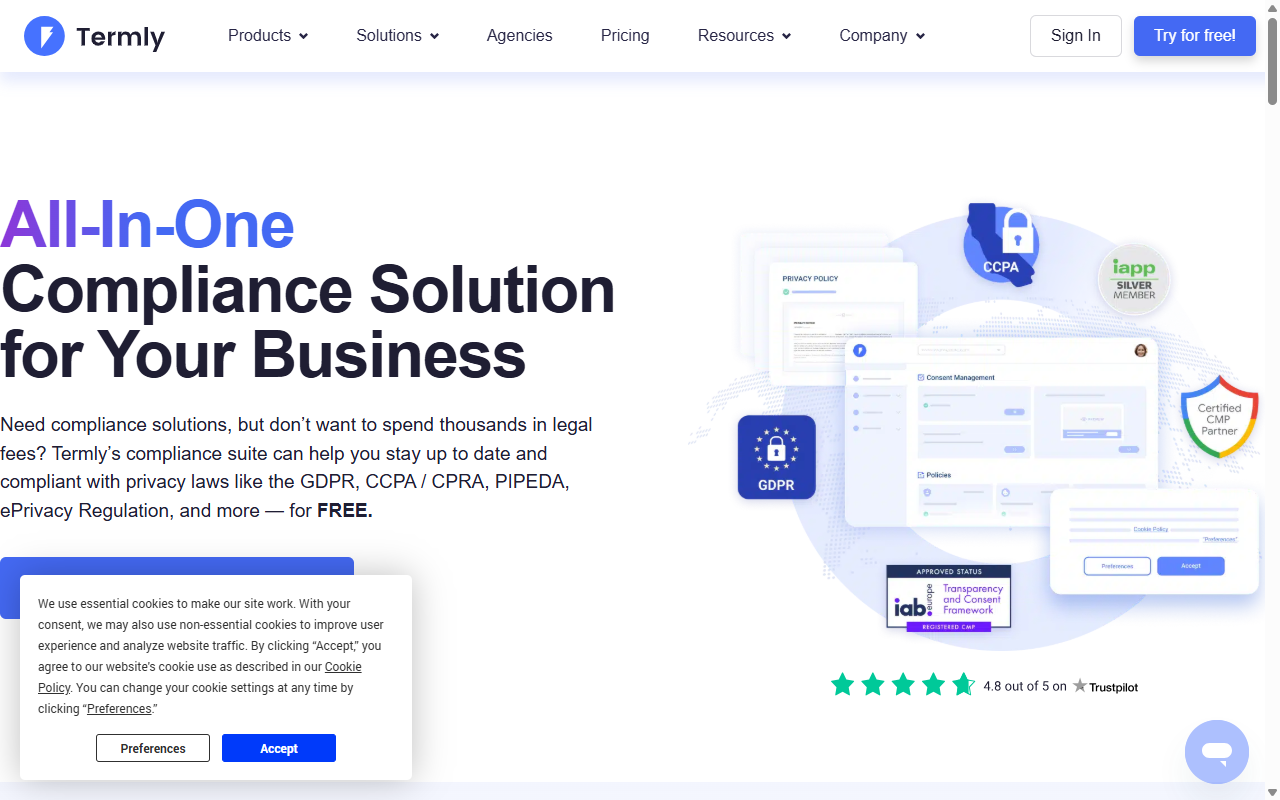
Termly is built with small businesses, and the agencies that support them, in mind. It pairs an easy policy generator with a cookie consent manager, emphasizing clean design and accessibility, no technical background needed. The system is cloud-hosted, with a dashboard to build and edit policies before embedding them on client sites.
Key Features of Termly
- Builds privacy policies, terms of service, and disclaimer pages.
- Scans sites on a regular schedule to keep your cookie list current.
- Translates banners based on regional legal requirements.
- Simplifies design adjustments with an intuitive style editor.
Pros: Friendly, accessible interface with straightforward legal policy builders.
Cons: Lacks some of the deeper technical integrations needed for complex custom web applications.
Our Verdict: A great pick for boutique agencies looking for a simple, friendly tool to keep local business websites compliant.
7. OneTrust
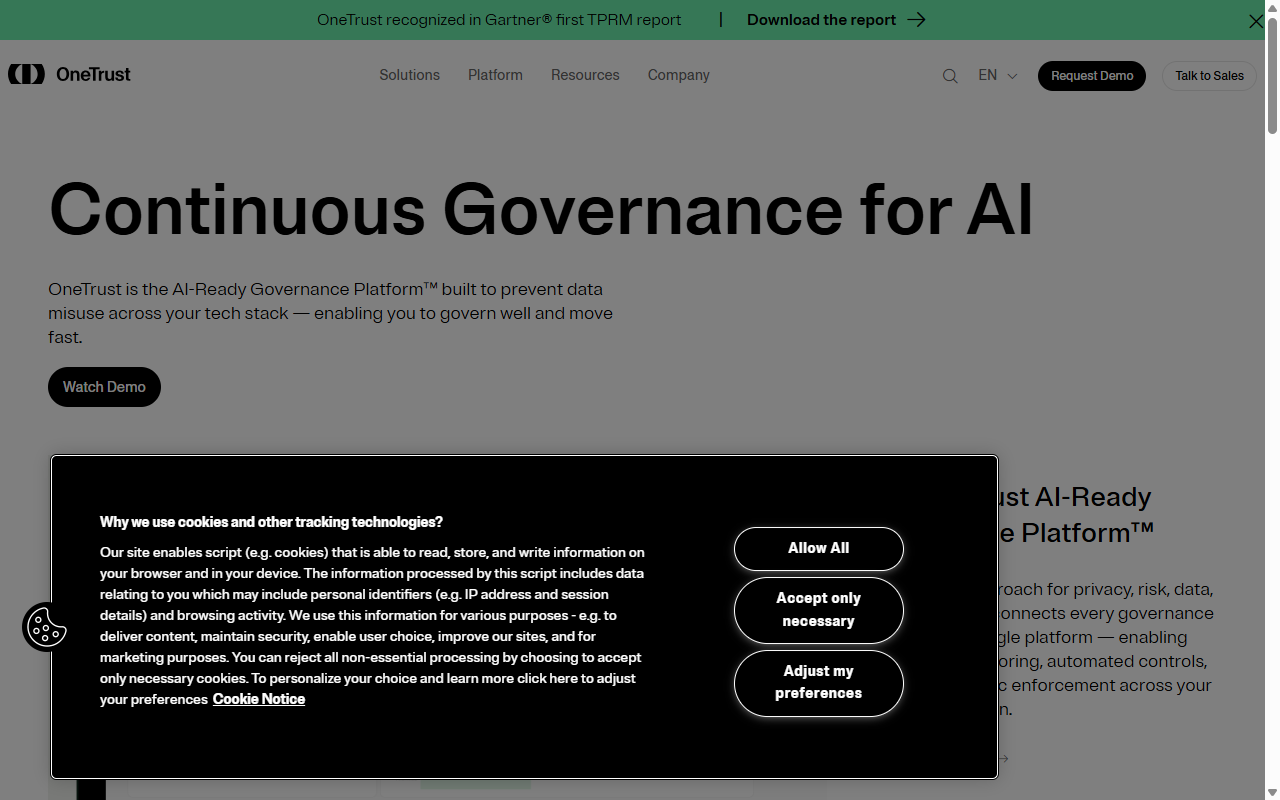
If your agency works with enterprise organizations, Fortune 500 brands, or international e-commerce platforms, OneTrust is a widely used industry standard, and a complete privacy management platform, not just a cookie consent tool. It offers real depth, though setup usually takes dedicated training or a certified specialist.
Key Features of OneTrust
- Manages data subject requests (DSAR) across global networks.
- Monitors vendor compliance risk alongside internal tracking.
- Delivers reporting and compliance dashboards.
- Scales across thousands of domains.
Pros: Deep compliance coverage and significant capability for complex global organizations.
Cons: Complex setup process, high cost, and typically more than most agency projects require.
Our Verdict: A strong choice for enterprise agencies handling major corporate clients, though well beyond what most local sites need.
8. Osano
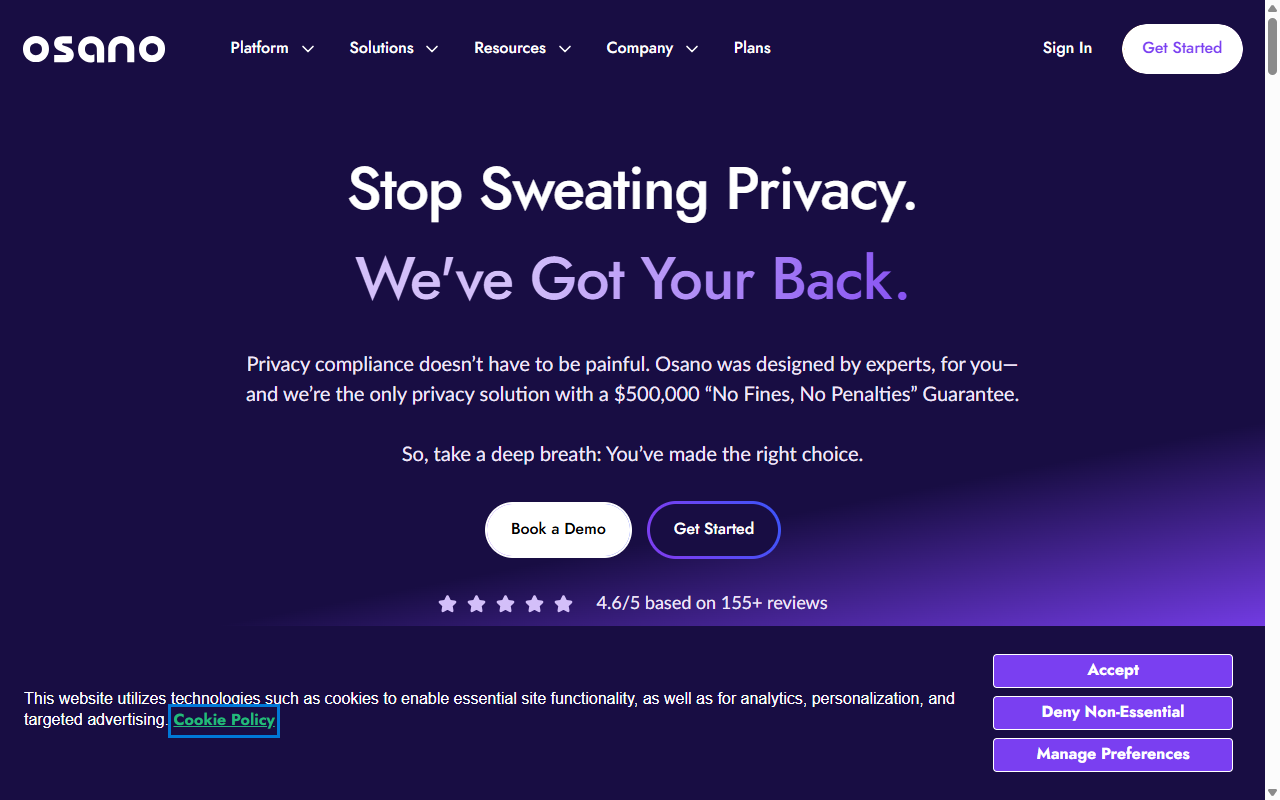
Osano positions itself as an easy-to-use, security-focused compliance platform, with a pledge to cover fines if its software causes a compliance failure. It runs on a cloud network with single-script installation, keeping sites loading fast while blocking unauthorized scripts.
Key Features of Osano
- Guarantees compliance with a legal protection policy for covered failures.
- Blocks hidden trackers before user interaction.
- Evaluates vendor privacy practices to flag risks.
- Maintains consent logs for compliance audits.
Pros: Legal compliance guarantee and a fast cloud delivery network.
Cons: Higher entry price point than native WordPress solutions.
Our Verdict: A secure, professional platform for agencies that want to shift compliance risk off their plate.
9. Usercentrics
Based in Europe, Usercentrics is a consent management platform built for strict GDPR demands. It’s developer-focused, with both a pre-built web interface and a full SDK, a solid option for agencies building custom web apps or e-commerce setups that need API-level control over cookie data.
Key Features of Usercentrics
- Delivers custom API integrations for developers.
- Coordinates with industry standards like the IAB TCF framework.
- Maintains compatibility with Google Consent Mode v2.
- Aggregates cross-device consent records for user sessions.
Pros: Strong developer tools and compliance engineering built for European markets.
Cons: Requires solid development knowledge and script management experience to set up.
Our Verdict: A premium technical option for high-end agencies building custom applications for European clients.
10. Ketch
Rounding out the list is Ketch, a modern data control platform that treats consent as one piece of a bigger data privacy strategy, built to automate the full lifecycle of consumer data from consent collection to deletion. Its programmatic approach keeps sites compliant without heavy manual maintenance, popular with data-conscious agencies.
Key Features of Ketch
- Automates privacy operations using a centralized data engine.
- Deploys cookie banners globally using geo-targeting.
- Connects consent data to internal agency CRM databases.
- Scales performance using modern cloud infrastructure.
Pros: Modern, well-designed dashboard with forward-thinking data management capabilities.
Cons: Can feel like more than necessary for basic brochure sites that only use Google Analytics.
Our Verdict: A solid, modern platform for digital agencies that want to offer complete data privacy strategy as a premium service.
Comparison of the Best Multi-Site Consent Tools
Here’s how these tools compare on dashboard location, setup time, and ideal audience.
| Tool Name | Dashboard Location | Setup Time | Google Consent Mode v2 | Best Suited For |
|---|---|---|---|---|
| Cookie Consent | Native WordPress Dashboard | Under 5 Minutes | Yes, Fully Supported | WordPress & Elementor Agencies |
| Cookiebot | External Cloud Platform | 15-20 Minutes | Yes, Fully Supported | Multi-CMS Agencies |
| CookieYes | External Cloud Platform | 10-15 Minutes | Yes, Fully Supported | General Web Design Teams |
| Complianz | Native WordPress Dashboard | 20-30 Minutes | Yes, Fully Supported | WordPress Legal Enthusiasts |
| iubenda | External Cloud Platform | 30+ Minutes | Yes, Fully Supported | Agencies Needing Legal Documents |
| Termly | External Cloud Platform | 15-20 Minutes | Yes, Supported | Boutique Design Shops |
| OneTrust | Complex Enterprise Cloud | Hours / Days | Yes, Fully Supported | Enterprise Corporate Agencies |
| Osano | External Cloud Platform | 15-20 Minutes | Yes, Fully Supported | Agencies Seeking Compliance Guarantees |
| Usercentrics | External Cloud / API | Developer Dependent | Yes, Fully Supported | Technical Application Developers |
| Ketch | External Cloud Platform | 20-30 Minutes | Yes, Fully Supported | Data-Focused Digital Agencies |
Agency Strategy: Keeping Clients Compliant Without the Stress
Now that you’ve seen the full field, here’s how to put it into practice. A simple, repeatable process built into your workflow keeps projects moving without last-minute scrambles or legal gaps.
- Audit Early, Before launching a site, run a quick audit of the active scripts, so you know exactly what tracking tools, analytics packages, and social media pixels your client plans to use.
- Use Native Tools Where Possible, If your agency builds on WordPress, a native capability like Cookie Consent keeps things simple, cutting extra logins, reducing software overhead, and letting you manage everything from a dashboard you already know.
- Style Consistently, Make sure the consent banner matches your carefully crafted global design styles. A well-integrated, on-brand banner builds visitor trust and doesn’t interrupt the experience you worked hard to create.
- Train Your Clients, Spend five minutes showing clients where their consent logs are kept. It reassures them they’re fully covered and clearly demonstrates the value your agency delivers.
Frequently Asked Questions
Why does our agency need a cookie consent tool in 2026?
Modern privacy laws like GDPR and CCPA require clear permission from visitors before tracking their activity. If your client sites serve visitors from regulated regions like Europe or California, a consent system is required, protecting clients from fines and building trust.
What makes a WordPress-native tool better than external cloud systems?
WordPress-native capabilities let you manage compliance without leaving your main dashboard: no extra logins, no scripts to paste in, no worrying about external outages. It keeps your tech stack lean and site speed healthy.
What is Google Consent Mode v2 and do we need it?
If your clients use Google Ads, Google Analytics, or other Google services to reach EU or UK audiences, Google Consent Mode v2 is mandatory. It communicates consent choices to Google’s tags, so any tool you pick should support it.
Can we use these tools to create privacy policies?
Several tools on this list, including Cookie Consent and Complianz, include built-in policy generators. These analyze your active cookies and draft a policy page, so you’re not writing legal text from scratch (worth bookmarking if clients often ask about this).
Will these consent banners slow down client websites?
Some heavier, script-based cloud tools can add loading delay. A lightweight, native capability keeps performance high since the code runs within your existing architecture, without extra round-trips to external servers.
Do we need to show banners to every single website visitor?
Not necessarily. Advanced tools include geo-targeting that checks visitor location and only show banners where legally required, keeping browsing cleaner for everyone else.
How long does it take to set up a consent banner?
With a native capability like Cookie Consent, setup takes under five minutes, with a built-in scanner and a visual editor for styling. Enterprise platforms like OneTrust can take hours or days, so match the tool to your project needs.
Are consent logs really that important?
Yes, and it’s easy to overlook until you actually need it. Consent logs are proof of compliance: if a regulatory agency audits your client’s site, they give a clear, date-stamped record showing visitors consented before any cookies were deployed, one of the best things you can do for a client’s peace of mind.

