Table of Contents
The sheer volume of options can feel paralyzing for anyone starting their first website project. You see advertisements for all-in-one solutions, open-source content management systems, and specialized e-commerce builders. Each claims to be the easiest and the fastest. This guide cuts through the marketing noise to analyze the functional realities of the top contenders. We will examine the architecture, the hidden costs, and the long-term viability of each option to help you make a decision that serves you today and five years from now.
Key Takeaways
- Ownership Matters: Proprietary SaaS platforms often lock you into their ecosystem. Open-source foundations like WordPress provide true data ownership and portability.
- The “Platform” Advantage: Modern solutions have evolved from simple page builders into comprehensive platforms that integrate hosting, AI, and marketing tools under one roof.
- Hidden Costs: “Free” or cheap introductory plans often mask long-term costs like transaction fees, paid add-ons for basic features, and steep renewal rates.
- Scalability is Critical: Beginners often outgrow simplistic builders within a year. Choosing a flexible platform from day one prevents a painful migration later.
- AI is a Standard: The best tools now include AI not just for writing text but for planning site structure, generating code, and creating images.
- Performance is SEO: Your choice of builder and hosting directly impacts your site speed. Integrated solutions often outperform fragmented tech stacks.
- Accessibility is Essential: New regulations require websites to be accessible. Tools with built-in accessibility checkers save you from legal headaches.
The Evolution of the Beginner’s Web Stack
Understanding the history of web building helps clarify why certain tools exist and who they serve. This context is vital for making an informed choice because the tool you pick dictates your workflow for years to come.
The Early Days: Code and FTP
In the beginning, the web was exclusive. You wrote HTML in a text editor and uploaded files via FTP. This gave you total control but required a steep learning curve. It was not viable for business owners who focused on their product rather than their code. The barrier to entry was high, and maintenance was a manual, error-prone process. If you wanted to change a menu item, you had to edit every single HTML file on your server manually.
The CMS Revolution
Systems like WordPress changed the game by separating content from design. You could manage blog posts and pages through a dashboard. However, you still needed to manage themes and plugins separately. This often led to “plugin bloat” and security vulnerabilities if not managed correctly. Beginners frequently found themselves managing software updates rather than building their business, leading to the perception that WordPress was “difficult” for the average user.
The Walled Gardens
SaaS (Software as a Service) builders like Wix and Squarespace emerged to solve the complexity issue. They bundled hosting, the editor, and support into one monthly subscription. This offered convenience but introduced “vendor lock-in.” You rented your website rather than owning it. If the platform raised prices or changed features, you had little recourse. These “walled gardens” prioritized ease of use over flexibility, often frustrating users once they moved past the beginner stage.
The Modern Era: The Integrated Open Platform
We are now seeing the rise of the integrated open platform. This model combines the ease of use and managed infrastructure of SaaS with the freedom of open-source software. You get a visual editor, managed hosting, and unified support without sacrificing ownership of your data. This is the sweet spot for modern beginners who want professional results without the technical overhead. It represents a maturation of the market—you no longer have to choose between “easy” and “powerful.”
Defining “Best” for a Beginner
We need to establish clear criteria before we compare specific tools. “Best” is subjective unless we measure it against specific needs.
Ease of Use vs. Learning Curve
Ease of use often correlates with limited functionality. A tool might be incredibly easy because it only lets you change the text on a pre-set template. The ideal beginner tool offers “progressive disclosure.” It should be easy to start but reveal more advanced features as you learn. You do not want a tool that you outgrow in six months. A platform that allows you to click and type today but edit CSS tomorrow provides the best long-term value.
The “All-in-One” Myth
Many beginners look for a tool that does everything out of the box. However, a tool that tries to do everything often does nothing perfectly. The better approach is a core platform that integrates seamlessly with specialized tools for email, e-commerce, and accessibility. You want a strong foundation that connects to best-in-class services rather than a Swiss Army knife where half the tools are dull.
Cost Efficiency
You must look beyond the sticker price. A $10/month plan that charges 3% on every sale and requires a $20/month add-on for email marketing is more expensive than a $40/month all-inclusive plan. We will analyze the “Total Cost of Ownership” for each contender. Beginners often fall into the trap of low introductory rates that skyrocket upon renewal, or “free” plans that throttle bandwidth so severely they are unusable for business.
Major Contenders: A Factual Analysis
We will look at the market leaders. We will describe their core functionality and technical approach neutrally to give you a clear baseline for comparison.
Wix
Wix is a cloud-based web development platform. It allows users to create HTML5 websites and mobile sites through the use of online drag-and-drop tools.
Core Functionality: Users select from a range of pre-designed templates or use an AI-based tool to generate a basic site structure. The editor allows for absolute positioning. You can drag an element to any specific pixel on the screen. The unstructured nature of the editor gives you freedom but can lead to design inconsistencies across different screen sizes if you are not careful with manual adjustments.
Ecosystem: Wix operates an App Market. This allows users to add features like booking forms, forums, and e-commerce capabilities. These apps are a mix of proprietary Wix tools and third-party integrations.
Hosting and Maintenance: Wix is a fully hosted solution. Security updates, server maintenance, and backups are handled by the platform. Users cannot export the code to host it elsewhere.
Squarespace
Squarespace provides software as a service for website building and hosting. Its primary focus is on pre-built website templates and drag-and-drop elements to create webpages.
Core Functionality: The platform relies heavily on visual design. Users choose a template and modify it using a structured editor. Unlike Wix, Squarespace uses a grid-based system. This limits where you can place elements but ensures the design remains consistent across different screen sizes.
Ecosystem: Squarespace offers built-in tools for e-commerce, scheduling, and email marketing. It has a limited selection of third-party extensions compared to open platforms.
Hosting and Maintenance: Like Wix, Squarespace is a closed ecosystem. Hosting is included in the monthly fee. The platform manages all technical aspects of site maintenance.
Shopify
Shopify is a proprietary e-commerce platform for online stores and retail point-of-sale systems.
Core Functionality: Shopify is designed specifically for selling products. The website builder is secondary to the store management features. Users manage inventory, payments, and shipping from a central dashboard. The design customization is more rigid than general-purpose builders, relying on a “Sections” based theme editor.
Ecosystem: The Shopify App Store is extensive. It includes thousands of apps for marketing, sourcing products, and customer service. Many of these apps require separate monthly subscriptions.
Hosting and Maintenance: Shopify handles all server compliance and payment security standards (PCI compliance). It is a hosted solution that does not allow you to access the backend code of the server.
WordPress (Open Source)
WordPress is a free and open-source content management system (CMS). It powers a significant portion of the web.
Core Functionality: The core software provides the framework for a website. It does not include a visual builder or hosting by default. Users must install a theme for design and plugins for added functionality. The default editor, Gutenberg, uses a block-based approach for content creation.
Ecosystem: WordPress has the largest ecosystem of plugins and themes in the world. There are over 50,000 free plugins available. This offers unlimited flexibility but requires the user to vet and manage these extensions.
Hosting and Maintenance: Users are responsible for securing their own hosting, domain name, and maintenance. This provides total ownership but requires more technical management or the hiring of a developer.
The Elementor Solution: The Best of Both Worlds
We have looked at the closed SaaS models and the open-source model. Elementor positions itself as the bridge between these two worlds. It operates as a comprehensive website builder platform that sits on top of WordPress. This gives beginners the visual interface and managed experience of a SaaS tool while retaining the power and ownership of open source.
The Platform Approach
Elementor has evolved from a simple page builder plugin into a full-stack solution. You no longer need to piece together a hosting provider, a theme, a builder, and ten different utility plugins. The ecosystem provides these components in a unified package. This integration is crucial for beginners because it eliminates the most common point of failure: software incompatibility.
By unifying the stack, Elementor removes the technical friction that typically scares beginners away from WordPress. It turns a fragmented experience into a cohesive product journey.
The Entry Point: Hello Biz
Beginners often struggle with the “blank canvas” problem. Professional designers love a blank slate, but business owners need a starting point. They need direction. Starting with a blank white screen can be the most intimidating part of the process.
Elementor introduced the Hello Biz theme to solve this. It serves as a specialized launchpad for beginners.
Why It Works for Beginners:
- Guided Setup: It includes a setup wizard that walks you through the installation of necessary tools. It removes the guesswork from the initial configuration. You don’t need to know which plugins to install; the theme tells you.
- Pre-Designed Kits: You do not design from scratch. You select from “business-ready” templates that already have the structure you need. These are not just pretty pictures; they are functional layouts optimized for conversion.
- Smart Widgets: It utilizes a set of widgets designed for common business needs, such as the “Flex Hero” for your main banner and “Form Lite” for simple contact pages. These widgets are simplified versions of the pro tools, making them less intimidating for a first-time user.
You can explore these themes and kits directly in the Elementor Library. This theme removes the intimidation factor. You get a polished foundation in minutes. You can then use the visual editor to customize the details.
Strategic Planning with AI
The biggest hurdle for a beginner is often not the design itself but the content strategy. “What pages do I need?” “What should I say on my About page?” “How should I structure my menu?”
The Elementor AI Site Planner addresses this directly. It is a strategic tool that functions before you even open the editor.
How It Works: You engage in a conversation with the AI. You tell it about your business. You might say, “I am a wedding photographer based in Austin, Texas.” It generates a comprehensive website brief, a sitemap, and wireframes.
- Best Practice Structure: It suggests the exact page structure based on industry standards. For a photographer, it knows you need a “Portfolio,” “Pricing,” and “Book Now” page.
- Contextual Content: It populates the wireframes with relevant text rather than generic “Lorem Ipsum.” This allows you to see how your actual sales copy will look on the page.
- Visual Architecture: It allows you to visualize the site architecture before you commit to a design. This planning phase prevents you from building a site that is difficult to navigate.
This tool effectively democratizes digital strategy. You no longer need to hire a UX consultant to plan your site structure; the AI leverages millions of data points to suggest a flow that works.
The Creative Engine: Visual Editing
Once you have your plan, you move into the Elementor Website Builder. This is the core of the platform.
Visual Drag-and-Drop: You see exactly what your visitors will see. You drag a widget—like a heading, image, or video—onto the canvas and drop it into place. There is no code to write. Unlike some competitors that restrict you to a strict grid, Elementor allows for fluid design while maintaining structure through advanced Flexbox and Grid containers.
Design Systems: Beginners often make the mistake of using too many fonts or colors, which makes a site look amateurish. Elementor includes a Design System that lets you set global fonts and colors. You define your brand style once, and it applies to every new element you add. This ensures your site looks professional and consistent, even if you do not have a design background.
You can try the builder yourself with a free download.
Managed Infrastructure: Elementor Hosting
Hosting is traditionally the most technical and confusing part of launching a WordPress site. You have to deal with SSL certificates, PHP versions, and caching configurations. If you choose the wrong host, your site is slow or insecure.
Elementor Hosting simplifies this by integrating the infrastructure with the builder.
Key Benefits for Beginners:
- Google Cloud Platform: The hosting is built on top of Google’s premium tier network (C2 machines). This provides enterprise-level speed and reliability. You are using the same infrastructure as some of the world’s largest apps.
- Unified Support: This is a critical differentiator. In a traditional setup, if your site breaks, the host blames the theme, and the theme developer blames the host. With Elementor Hosting, one team supports the entire stack. You have one number to call.
- Security Built-In: It includes enterprise-grade security, DDoS protection, WAF (Web Application Firewall), and premium SSL. You do not need to configure security plugins or worry about firewalls. It is handled for you.
AI as a Workflow Partner
Elementor AI integrates AI directly into the editor. This is distinct from tools that just generate a generic page and leave you to figure out the rest. Elementor AI acts as a co-pilot that helps you refine and expand your site.
Elementor AI helps you iterate on your content:
- Text Generation: It can write your headlines, product descriptions, and blog posts. It can also translate text or change the tone from casual to professional. If you are stuck on a headline, you can ask the AI for ten variations.
- Image Generation: You can create unique royalty-free images directly on the canvas. You can also use “Generative Fill” to expand images or remove unwanted objects. This saves you money on stock photography subscriptions.
- Code Assistance: If you ever need a specific customization that isn’t in the widgets, the AI can write the CSS or HTML snippets for you. This allows you to “code” without actually knowing how to write code.
Solving the “Hidden” Headaches
Building the pages is only half the battle. A website needs to function reliably. Elementor includes specialized tools to handle the invisible infrastructure that often trips up beginners.
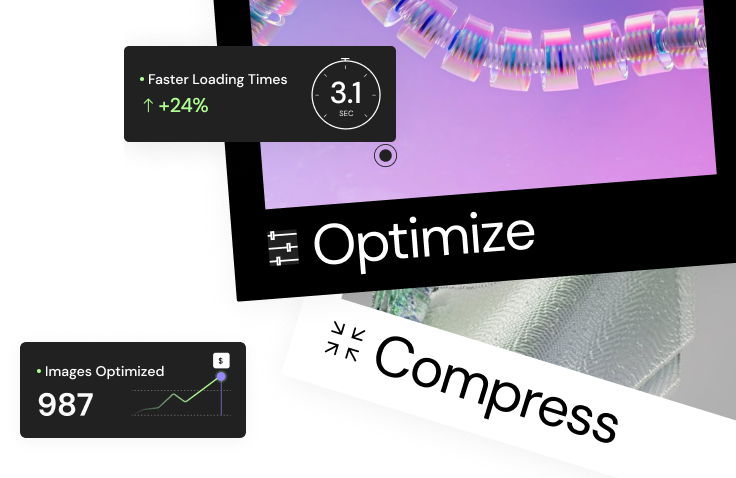
1. Image Optimization: Large images slow down websites. Beginners often upload massive files directly from their cameras. Image Optimizer by Elementor handles this automatically. It compresses and resizes images and converts them to modern formats like WebP and AVIF. This ensures your site remains fast without you needing to learn about file compression.
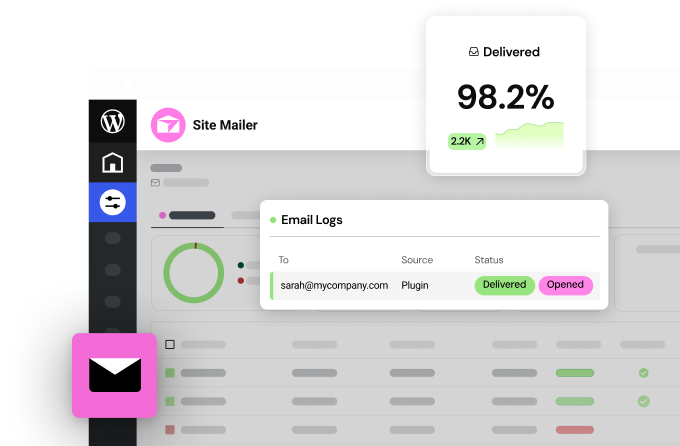
2. Email Deliverability: WordPress is notorious for failing to send emails. Contact forms often get lost in spam folders because the default sending method (wp_mail) is unreliable. Site Mailer by Elementor fixes this. It is a zero-configuration tool that ensures your transactional emails—like password resets and form notifications—actually hit the inbox. It replaces the unreliable default method with a robust sending service.
3. Accessibility: Making a website accessible to users with disabilities is a legal and ethical requirement. Ally by Elementor scans your site for accessibility violations. It provides a checklist and automated fixes. This helps you meet WCAG standards without needing to be an accessibility expert.
Deep Dive: Specialized Use Cases
Different beginners have different goals. Let’s examine how the platform adapts to specific needs.
For the Aspiring Store Owner
Building an online store adds a layer of complexity. You need to manage products, carts, and checkout flows.
The WooCommerce Builder: Elementor Pro integrates deeply with WooCommerce, the world’s most popular open-source e-commerce solution.
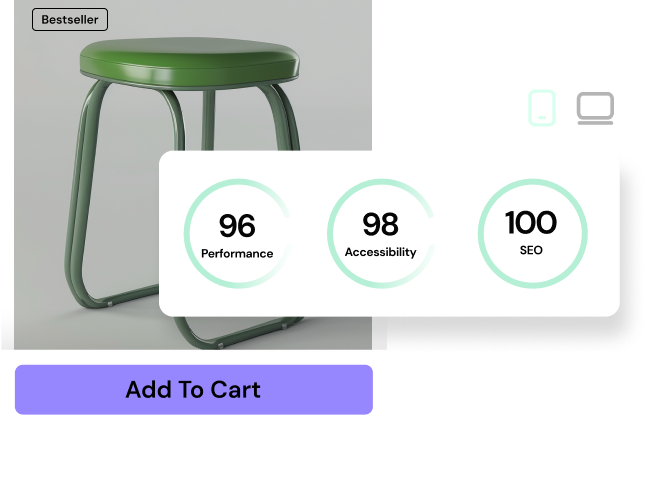
- Visual Product Design: You can design your single product templates visually. You decide where the price, the “Add to Cart” button, and the product images go.
- Cart and Checkout: You can customize the look and feel of your cart and checkout pages to match your brand. This reduces cart abandonment by creating a seamless experience.
- Dynamic Content: You can create dynamic offers and banners that change based on the product category.
Learn more about the WooCommerce Builder.
For the Agency Scaler
Many beginners eventually start building sites for others. Elementor supports this transition.
Angie (Agentic AI): For those who move into professional work, efficiency is key. Angie is an agentic AI tool within the ecosystem.
What is Agentic AI? Unlike generative AI which creates text or images, agentic AI performs actions. You can ask Angie to “create a portfolio page and add these six projects,” and it executes the actions. It navigates the interface and performs the tasks. This automation multiplies your productivity and allows you to manage multiple sites with ease.
Strategic Growth: Why the Platform Wins Long-Term
We must look into the critical “hidden” infrastructure that ensures your website is not just beautiful, but functional, reliable, and scalable. A beginner often overlooks these aspects, but they are the difference between a hobby site and a business asset.
The Performance Imperative: Why Speed Wins
For a beginner, the concept of “site performance” often feels abstract. You might think, “As long as it loads, it’s fine.” However, the data tells a different story.
The Real-World Impact of Speed Google has made it clear that page speed is a ranking factor. If your site is slow, you will rank lower in search results. More importantly, speed impacts user behavior.
- Bounce Rates: As page load time goes from 1 second to 3 seconds, the probability of a bounce (a user leaving immediately) increases by 32%.
- Conversion: A one-second delay in mobile load times can impact conversion rates by up to 20%.
The Integrated Performance Solution Elementor solves this by unifying the stack. When you use Elementor Hosting, the infrastructure is pre-tuned for the builder.
- Cloudflare Enterprise CDN: Your content is distributed across a global network of servers. When a user in London visits your site, they download images from a server in London, not from your main server in New York. This dramatically reduces latency.
- Server-Level Caching: You do not need complex caching plugins. The hosting environment handles caching at the server level, delivering static content instantly.
- Code Optimization: The Elementor builder itself has been optimized to output cleaner code. Features like “lazy loading” (where images only load when they scroll into view) are built-in.
This “performance by default” approach allows a beginner to achieve professional-grade speed scores without needing to become a systems administrator.
A Step-by-Step Guide to Starting with Elementor
This process illustrates how a beginner can go from zero to a live website using the modern toolset.
Step 1: Secure the Foundation
Start with Elementor Hosting. This gives you a WordPress installation that is pre-tuned for performance. It includes the Elementor Pro builder pre-installed. You avoid the technical hassle of buying a domain and hosting separately and linking them up.
Step 2: Plan Your Strategy
Open the AI Site Planner. Input your business name and industry. Let the AI generate your sitemap. Review the proposed pages. If you are a consultant, it might suggest a “Services,” “About,” and “Case Studies” page. Approve the structure to generate the wireframes.
Step 3: Choose Your Visual Base
Select the Hello Biz theme. Choose a kit that matches the vibe of your business. The kit will apply a consistent design system to the wireframes generated in the previous step.
Step 4: Customize Content
Use the Elementor Website Builder to replace the placeholder content.
- Click on the text to type your own.
- Use Elementor AI to refine your copy. Ask it to “make this paragraph more persuasive.”
- Upload your images or use the AI image generator to create custom visuals for your headers.
Step 5: Optimize and Launch
Run the Image Optimizer to ensure your media files are light. Run Ally to check for accessibility issues. Configure your contact form to use Site Mailer. Once you are satisfied, hit publish.
Get started with WordPress today.
Comparing the “Total Cost of Ownership”
Price is a major factor for beginners. However, the initial monthly fee is rarely the final cost.
The SaaS Trap
A standard SaaS plan might start at $16/month.
- Transaction Fees: If you sell products, they might take 3% of every sale on top of credit card fees.
- Feature Gating: Advanced features like abandoned cart recovery or real-time shipping quotes often require upgrading to a $50/month or $300/month plan.
- App Subscriptions: Essential features like reviews or advanced SEO tools often require paid third-party apps, adding $10-$50/month to your bill.
The Elementor Model
Elementor Pro and Hosting are bundled.
- No Transaction Fees: Elementor does not charge a percentage of your sales. You only pay your payment processor (like Stripe or PayPal).
- Inclusive Features: The Pro builder includes popups, forms, and e-commerce customization. You do not need separate subscriptions for these.
- Scalability: You can grow your traffic significantly without being forced into a massive enterprise tier.
Why Ownership is the Ultimate Feature
We must address the concept of data ownership. When you build on a closed platform, you are building on rented land. If that platform raises its prices, changes its terms of service, or decides they no longer support your industry, you have very little recourse. You cannot simply download your site and move it to another host. You would have to rebuild it from scratch.
Elementor is built on WordPress. This is open-source software. You own your data. You own your content. If you ever decide to leave Elementor Hosting, you can export your entire site and move it to any other host in the world. You retain the freedom to choose your infrastructure. This provides a level of business security that proprietary platforms cannot match.
The Verdict
The best website builder for a beginner is one that solves the immediate problem of complexity without creating a future problem of limitation.
Tools like Wix and Squarespace offer a low barrier to entry. They are valid choices for hobbyists or projects with a fixed, limited scope. They provide a polished experience within their walled gardens.
However, for a beginner who intends to grow—a small business owner, an aspiring freelancer, or an e-commerce entrepreneur—Elementor stands out as the superior strategic choice. It offers the same visual simplicity and managed ease of use as the SaaS competitors through Elementor Hosting and the Hello Biz theme. Yet, it preserves the unlimited potential of the WordPress ecosystem.
It empowers you to start simple, using AI tools to bridge the gap in your skills. It supports you as you scale, offering marketing and commerce tools that grow with you. And critically, it ensures you own the asset you are building.
In the 2026 landscape, you no longer have to choose between “easy” and “powerful.” You can choose a platform that delivers both.
Frequently Asked Questions
1. Is Elementor truly suitable for someone with zero coding experience? Yes. Elementor is designed as a visual, drag-and-drop interface. You do not need to write a single line of code to build a professional website. The “Hello Biz” theme and AI Site Planner are specifically built to guide complete beginners through the setup and creation process.
2. How does Elementor Hosting differ from generic WordPress hosting? Generic hosting provides server space but often leaves the technical management to you. Elementor Hosting is a managed service optimized specifically for the Elementor builder. It includes enterprise-grade cloud infrastructure, automatic backups, and a unified support team that handles both hosting and plugin issues.
3. Can I switch to Elementor if I already have a WordPress site? Yes, you can install the Elementor plugin on any existing WordPress site. If you want to move your site to Elementor Hosting for better performance, they offer free migration services to help you transfer your data securely.
4. What happens to my website if I cancel my Elementor subscription? Since Elementor is built on WordPress, you own your content. If you cancel, you keep your website and your data. You would simply lose access to the Pro editing features and future updates for the plugin, but your site remains yours to move or manage as you see fit.
5. How does the AI Site Planner help me build my site? The AI Site Planner acts as a digital strategist. It asks you questions about your business and generates a complete website structure, including a sitemap and wireframes. It populates these wireframes with relevant content, giving you a solid blueprint to start customizing immediately.
6. Do I need separate plugins for SEO and security with Elementor? Elementor Hosting includes built-in security features like SSL and firewall protection. For SEO, Elementor generates clean code that search engines love, and it integrates seamlessly with popular SEO plugins. You generally do not need extra security plugins if you use their hosting.
7. Can I build an online store with Elementor? Absolutely. Elementor Pro features a dedicated WooCommerce Builder. This allows you to visually design every part of your store, from product pages to the checkout flow, ensuring a consistent brand experience that drives sales.
8. Is Elementor capable of handling high-traffic websites? Yes. Elementor Hosting is built on the Google Cloud Platform and uses a Cloudflare Enterprise CDN. This infrastructure is designed to scale and can handle high volumes of traffic and sudden spikes without compromising site speed or stability.
9. How does Elementor handle mobile responsiveness? Elementor has built-in mobile editing tools. You can switch views in the editor to see exactly how your site looks on tablets and smartphones. You can adjust font sizes, margins, and layout specifically for mobile devices to ensure a perfect experience for all users.
10. What is the advantage of using Site Mailer by Elementor? Site Mailer ensures your website’s emails—like contact form submissions and order confirmations—are actually delivered. It replaces the unreliable default WordPress email function with a robust sending service, without requiring complex configuration or technical knowledge.
Looking for fresh content?
By entering your email, you agree to receive Elementor emails, including marketing emails,
and agree to our Terms & Conditions and Privacy Policy.