Table of Contents
For real estate professionals, the decision of which platform to build upon is not merely a technical choice; it is a fundamental business strategy. You face a fork in the road: do you select a “walled garden” SaaS (Software as a Service) builder that simplifies the process but restricts your growth and data ownership? Or do you invest in a flexible, scalable Web Creation Platform that grants you total sovereignty over your listings, your design, and your client data?
This comprehensive guide analyzes the landscape of real estate website builders in 2025. We will strip away the marketing fluff to examine the underlying architectures, the implications for Search Engine Optimization (SEO), and the long-term Return on Investment (ROI) of each category. Ultimately, we will demonstrate why a comprehensive platform approach—specifically utilizing the open-source power of WordPress fortified by the Elementor ecosystem—offers the superior path for agents serious about scaling their business.
Key Takeaways
- Data Sovereignty is Non-Negotiable: Real estate agents must own their platform. Renting a website from a proprietary builder exposes your business to price hikes, feature deprecation, and platform lock-in.
- The Difference Between “Builders” and “Platforms”: A page builder allows you to drag-and-drop elements. A platform integrates hosting, marketing, AI, and dynamic content management into a unified business engine.
- IDX Integration is the Technical Core: The ability to seamlessly integrate and style Internet Data Exchange (IDX) feeds is the single most critical technical requirement.
- Performance Impacts Commission: In a mobile-first market, milliseconds of load time latency translate directly to lost leads. Enterprise-grade hosting is not a luxury; it is an operational necessity.
- Neutrality in Competitor Analysis: While generic SaaS tools offer low barriers to entry, they often lack the granular database controls required for high-volume property management.
The Digital Mandate: Why “Good Enough” is Failing
To understand why selecting the right builder is critical, we must first understand the behavior of the modern home buyer. The era of the “low-information buyer” is over. Today’s clients are digitally sophisticated, heavily researched, and expect a user experience (UX) that rivals national portals like Zillow or Redfin.
When a potential client lands on your site, they are subconsciously auditing your competence. A slow site implies a slow agent. A broken layout on mobile implies a lack of attention to detail. A generic, cookie-cutter template implies you are just like every other agent in the market.
The Technical Trinity of Real Estate Web Design
Successful real estate websites rely on three interconnected technical pillars. If a website builder fails in any one of these areas, it will fail to generate revenue, regardless of how “pretty” the templates are.
- Dynamic Data Injection (IDX/MLS): You are not just selling static products; you are displaying a live, constantly changing database of properties. Your builder must be able to “speak” to the MLS database and update listings in real-time without manual intervention.
- Mobile-First Architecture: Over 70% of initial property searches occur on a mobile device, often while a buyer is physically driving through a neighborhood. The site architecture must be fluid, adapting complex grids of data (price, beds, baths, sq ft) into a readable mobile format instantly.
- Visual Asset Optimization: Real estate is a visual medium. Listings require high-resolution photography, 4K video tours, and interactive maps. A builder must have robust compression algorithms to serve these heavy assets quickly, or Google will penalize the site’s ranking.
Analyzing the Market: A Neutral Review of Competitors
The market is saturated with website building tools. Generally, they fall into two categories: closed SaaS systems and niche real estate solutions. Here, we analyze them based purely on functional capability and technical constraints.
The General SaaS Builders (Wix, Squarespace)
These platforms operate on a subscription model where the hosting, Content Management System (CMS), and design interface are bundled into a single proprietary product.
- Architecture & Flexibility: These platforms utilize a closed-source code base. Users are restricted to the tools and modules provided by the developer. While Wix offers an unstructured editor allowing elements to be placed anywhere, this lack of structure can often lead to layout shifts across different screen sizes if not meticulously managed. Squarespace utilizes a structured grid system which enforces design consistency but limits the ability to create complex, non-standard layouts often required for unique luxury property showcases.
- Data Handling: Integration with external databases (like MLS feeds) is typically handled through third-party widgets or iFrames. This can sometimes result in listing data not being “readable” by search engines (indexing issues), as the content sits inside a window rather than living natively on the site’s domain.
- Scalability: These tools are designed for generalists—bakeries, portfolios, small shops. They generally lack the native architecture to handle thousands of dynamic property pages without relying on cumbersome workarounds.
The Niche Real Estate Builders (Placester, Real Geeks, Luxury Presence)
These are industry-specific platforms designed explicitly for agents.
- Template Rigidity: These platforms prioritize speed of deployment over design freedom. Users typically select from a narrow library of pre-determined layouts. Customization is often limited to branding elements (logos, colors) rather than structural design changes.
- The “Rental” Trap: The primary technical drawback is ownership. The code, the design, and often the SEO structure are proprietary to the vendor. If an agent decides to leave the platform, they cannot migrate the site. They must start from zero. This lack of portability poses a significant long-term business risk.
- Cost Structure: These platforms often charge premium monthly fees that scale with the number of agents or listings, creating a high recurring overhead compared to open-source alternatives.
The Superior Alternative: The Web Creation Platform
Bridging the gap between the ease of use of a SaaS builder and the raw power of open-source development is the Web Creation Platform. This approach combines the stability and support of managed services with the infinite flexibility of the WordPress ecosystem.
This is the market position occupied by Elementor.
It is important to distinguish Elementor from a simple “page builder.” While it began as a design plugin, it has evolved into a comprehensive Operating System for web creation. It provides the visual interface, the hosting infrastructure, the marketing tooling, and the AI capabilities required to build enterprise-grade real estate websites.
By building on WordPress with Elementor, real estate professionals secure three strategic advantages:
- Ownership: You own your data. You own your content. You own your design.
- Extensibility: You have access to over 60,000 WordPress plugins, allowing you to integrate any CRM, any scheduler, or any niche MLS tool.
- Design Sovereignty: You are not limited to a template. You can control every pixel, every interaction, and every data point.
For a deeper understanding of how modern web creation platforms are evolving to meet these needs, consider the insights in this video:
The Foundation: Hosting and Performance
In the “walled garden” builders, you have no control over the server environment. You share resources with millions of other users. If the platform slows down, your business slows down.
Elementor Hosting shifts this paradigm. It offers a managed hosting environment specifically engineered for the high-resource demands of dynamic WordPress sites. Built on the Google Cloud Platform (C2 Compute Optimized machines), it provides the raw processing power necessary to query complex real estate databases instantly.
Crucially, it integrates an enterprise-grade Cloudflare CDN (Content Delivery Network). For a real estate agent, this is vital. It means that whether a client is browsing your listings from a desktop in New York or a mobile phone in a remote suburb, the high-resolution images of your properties are served from a data center nearest to them, ensuring instant load times.
Deep Dive: Elementor’s Strategic Features for Real Estate
Why do high-performing developers and agencies choose this ecosystem? It is not just about the “drag-and-drop” interface. It is about specific, advanced features that solve the unique data problems of the real estate industry.
1. The Loop Grid: Automating the Infinite
The fundamental challenge of a real estate site is displaying listings. You might have 50 active listings, and tomorrow you might have 52. You cannot manually design a “card” for every house.
Elementor’s Loop Grid technology is the solution. It brings the power of programmatic design to a visual interface.
- The Workflow: You design a single “Main Item” template—a card containing a placeholder for the house image, the price, the address, and the bed/bath count.
- The Automation: You connect this template to your listing data source (via a plugin like ACF or a custom post type). Elementor then repeats this design for every property in the query.
- The Design Freedom: Unlike the rigid grids of competitors, you have total control. Do you want the price to float over the image? Do you want a “Sold” badge to appear dynamically based on status? You can build it visually, once, and it applies to thousands of listings instantly.
This feature alone saves hundreds of hours of manual maintenance.
2. Dynamic Tags: The Data Connective Tissue
Real estate websites are effectively databases with a pretty face. Every element on the page represents a data point. Dynamic Tags are the bridge between your design and that data.
In a standard builder, you type text into a box. In Elementor, you connect the box to a database field.
- Scenario: You are building a “Single Property Template.”
- Action: Instead of typing “123 Maple Street” into the Heading widget, you select the Dynamic Tag for “Post Title” or a custom field “Property Address.”
- Result: This single template now services your entire inventory. When a user clicks on a different house, the layout remains the same, but the data swaps out instantly.
This capability transforms your site from a static brochure into a dynamic application.
3. Native Marketing and Lead Capture
The goal of the site is not just to inform; it is to capture. Disparate tools often lead to data leaks—leads getting lost between your website and your CRM.
Elementor integrates a professional Form Builder directly into the design interface. You can build complex, multi-step forms (e.g., “Step 1: What is your budget? Step 2: What plays are you looking in?”) without needing a third-party plugin like Gravity Forms or Typeform.
Furthermore, the Popup Builder allows for behavioral targeting. You can design a “Schedule a Viewing” popup that triggers specifically when a user has viewed three or more properties, or when they have scrolled 50% down a listing page. This contextual relevance significantly increases conversion rates compared to generic site-wide popups.
4. Visual Optimization with Image Optimizer
We established that real estate sites are image-heavy. A typical listing might have 20 photos, each 5MB in size. If uploaded raw, these would crash a mobile browser.
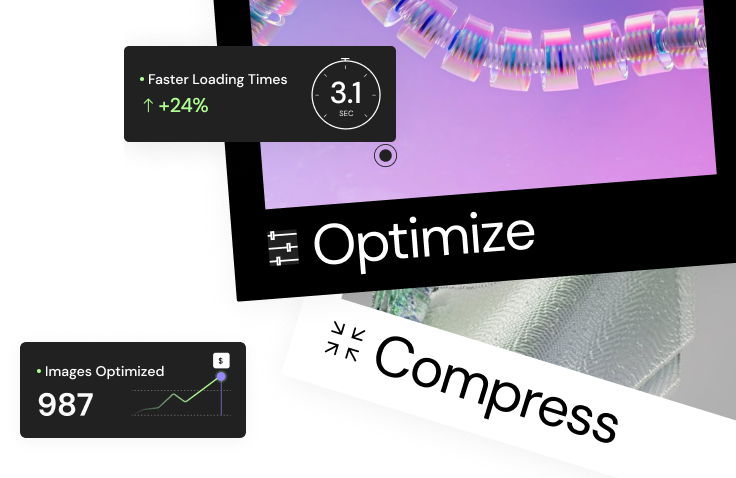
The Image Optimizer by Elementor plugin solves this automatically. It acts as a gatekeeper for your media library.
- Compression: It intelligently reduces file size without visible loss of quality.
- Conversion: It converts standard JPEGs into WebP or AVIF formats—next-generation file types favored by Google for their superior speed.
- Lazy Loading: It ensures that images further down the page do not load until the user scrolls to them, prioritizing the “Above the Fold” content for immediate interactivity.
Step-by-Step Strategic Roadmap: Building the Site
Building a custom real estate platform is a serious undertaking. It requires a structured workflow. Below is a professional roadmap utilizing the Elementor ecosystem to go from concept to launch.
Phase 1: Strategic Planning with AI
Before touching the canvas, you must define the architecture. Real estate sites can easily become bloated with disorganized pages.
Use the Elementor AI Site Planner.
- Input: “I am a boutique real estate brokerage in Austin, Texas, specializing in luxury condos and waterfront properties.”
- Output: The AI generates a comprehensive sitemap, suggesting necessary pages such as “Neighborhood Guides,” “Mortgage Calculator,” “Concierge Services,” and “Market Reports.” It also generates a wireframe structure, allowing you to visualize the user flow before you begin designing.
Phase 2: The Infrastructure Setup
Start with a clean slate.
- Hosting: Provision your Elementor Hosting account. This automatically installs WordPress and Elementor Pro.
- Theme: Activate the Hello Theme. This is critical. Do not use a heavy, feature-bloated theme from a marketplace. The Hello Theme is a lightweight framework designed to let Elementor handle the design. It loads instantly and minimizes code conflict.
- Domain: Secure your professional domain. (You can utilize the Free Domain Name offer if starting fresh).
Phase 3: The Data Engine (IDX Integration)
This is the technical heart of the project. You need to connect WordPress to your local MLS.
- The Integration: Install a robust IDX plugin such as Realtyna WPL or IDX Broker.
- The Connection: These plugins import the raw data (photos, prices, descriptions) into your WordPress database as “Custom Post Types.”
- The Synergy: Elementor Pro will detect these custom post types, allowing you to use the Theme Builder to design the visual layer that sits on top of this raw data.
Phase 4: The Design System
Consistency builds trust. Before building pages, establish your Global Design System in Elementor.
- Typography: Set your primary headers (H1, H2) to a strong, trustworthy serif font (e.g., Playfair Display) and your body text to a clean sans-serif (e.g., Roboto).
- Colors: Define your brand palette. Use global colors so that if you change your brand blue in the future, it updates across the entire site instantly.
For designers looking for inspiration or assets, the Elementor Library offers thousands of pre-designed blocks that can be adapted to your style.
Phase 5: Building the Core Assets
Using the Theme Builder, you will construct the global parts of your site:
- The Header: This must be sticky (stays at the top as you scroll). It should contain your logo, clear navigation, and a high-contrast CTA button (“List With Us” or “Contact”).
- The Single Property Template: This is your money page. Use a Container layout.
- Top Section: Large hero image slider (using the Carousel widget) pulling from the property gallery.
- Middle Section: Two columns. Left column for Description and Details (using Dynamic Tags). Right column for a sticky “Contact Agent” form.
- Bottom Section: “Similar Listings” grid using the Loop Grid widget, filtered by price range.
- The Search Results (Archive) Page: This is where users browse. Use the Loop Grid to display properties. Add an AJAX Filter widget to allow users to sort by price or bedroom count without reloading the page.
Phase 6: Content Velocity with AI
Writing unique descriptions for dozens of neighborhoods is tedious but essential for SEO. Elementor AI is integrated directly into the text editor.
- Prompt: “Write a sophisticated, 200-word description of the Downtown Arts District, focusing on nightlife, walkability, and luxury high-rise living.”
- Result: Instant, SEO-friendly content that you can refine and publish. This drastically reduces the time-to-market for content-heavy sites.
Phase 7: Accessibility and Compliance
Real estate agents are frequent targets for ADA (Americans with Disabilities Act) lawsuits regarding website accessibility. Your site must be usable by people with visual or motor impairments.
Ally by Elementor is a natively integrated tool designed to mitigate this risk.
- Scanning: It scans your site for issues like low contrast text or missing image alt tags.
- Remediation: It provides an interface for users to adjust font sizes and contrast modes on the live site.
- Compliance: It helps generate an accessibility statement, a crucial legal safeguard.
Marketing Architecture: Turning Traffic into Revenue
A website without traffic is a billboard in the desert. Your platform must be connected to a broader marketing engine.
SEO Strategy: Hyper-Local Dominance
Real estate SEO is won at the hyper-local level. You are not competing for “Homes for Sale”; you are competing for “3-bedroom condos in [Specific Subdivision].”
- Landing Pages: Use Elementor to build specific landing pages for every subdivision you serve. Because you can save templates, you can spin up these pages rapidly.
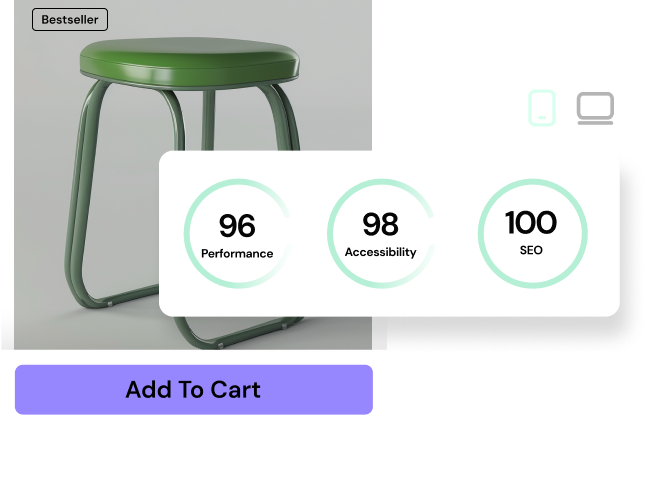
- Performance: Core Web Vitals (Google’s speed metrics) are a ranking factor. The combination of Elementor Hosting’s C2 servers and the Image Optimizer gives you a technical head start over competitors using bloated generic builders.
Email Nurturing
The buying cycle is long. You need to stay top-of-mind.
- Automation: When a user fills out the “Home Valuation” form, Send can automatically trigger a drip campaign: Day 1: Thank you. Day 3: Market Report. Day 7: Case Study of a recent sale.
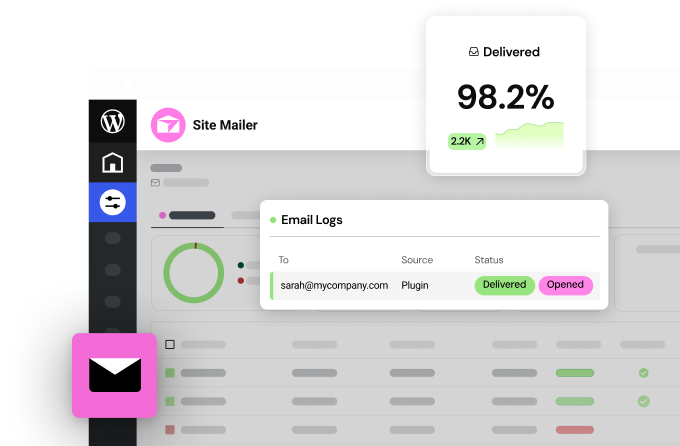
- Reliability: Unlike standard WordPress emails which often hit spam folders, Site Mailer ensures your transactional emails (password resets, form confirmations) are delivered reliably via an authenticated API.
High-Conversion Landing Pages
When running ads (Google PPC or Facebook), never send traffic to your homepage. Send them to a dedicated Landing Page designed for conversion.
- Technique: Remove the header and footer navigation. This removes “leaks” and focuses the user entirely on the form.
- Speed: Elementor allows you to duplicate your highest-converting page, tweak the headline for a specific ad group, and publish in minutes.
The Economics of Platform Ownership
Let us discuss the bottom line. Why invest in this ecosystem rather than a rented solution?
The Rented Model (SaaS/Niche):
- Monthly Cost: High ($300 – $600/month for premium real estate platforms).
- Asset Value: Zero. You cannot sell the website. If you stop paying, the site vanishes.
- Flexibility Cost: High. If you need a custom feature, you are at the mercy of their roadmap.
The Owned Model (Elementor + WordPress):
- Monthly Cost: Lower (Elementor Hosting plans are significantly more affordable than niche SaaS).
- Asset Value: High. You own the domain, the content, and the codebase. A well-ranking real estate website is a sellable business asset.
- Flexibility Cost: Low. You can add any feature via plugins or custom development at any time.
For agencies and brokerages, the WooCommerce Builder feature also opens up new revenue streams. You can sell digital guides, relocation packages, or merchandise directly from your site, fully integrated into your brand design.
Conclusion: The Strategic Choice
The question “What is the best website builder for real estate?” is ultimately a question of ambition.
If your goal is to have a simple digital business card and you are comfortable with renting your digital presence, the generic SaaS builders are adequate tools. They offer a low barrier to entry and a simplified, albeit restricted, experience.
However, if your goal is to build a scalable real estate brand, to dominate your local SEO rankings, and to own a digital asset that grows in value over time, the only logical choice is a Web Creation Platform.
Elementor stands alone in this category. It does not force you to choose between ease of use and professional power. It provides the visual intuition of a builder with the raw horsepower of enterprise hosting, AI, and open-source flexibility. It allows you to automate your listings with Loop Grids, capture leads with behavioral popups, and safeguard your business with full data ownership.
In 2025, the best agent doesn’t just sell homes; they build a digital infrastructure that sells homes for them. Elementor is the blueprint for that infrastructure.
To begin building your professional real estate platform, you can explore the Elementor Free Download or examine the full capabilities of the Pro edition.
Frequently Asked Questions
1. Can I integrate my local MLS with Elementor? Yes. Because Elementor operates on WordPress, it integrates seamlessly with all major IDX/MLS plugins such as Realtyna, IDX Broker, and Showcase IDX. Unlike closed platforms where you are stuck with their default display, Elementor allows you to use its visual design tools to style the search bars, results grids, and property detail pages provided by these plugins, ensuring they match your brand identity perfectly.
2. Is WordPress too technical for a real estate agent to manage? Historically, yes. However, Elementor Hosting removes the technical barrier. It is a managed service, meaning the technical maintenance—security patches, backups, PHP updates—is handled for you. You get the stability of a SaaS platform with the power of WordPress. The Elementor editor itself is entirely visual (drag-and-drop), requiring no coding knowledge to manage content or design.
3. How does Elementor handle mobile responsiveness for complex property data? Elementor offers a robust “Mobile Editing Mode.” You can switch views in the editor to see exactly how your site looks on a tablet or smartphone. You can adjust font sizes, padding, column ordering, and visibility specifically for mobile devices. The Loop Grid widget is responsive by default, ensuring your multi-column property grids stack neatly on phones.
4. Do I need a separate hosting provider if I use Elementor? You have the choice, which is the beauty of the ecosystem. You can use the Elementor plugin with any third-party host. However, for real estate sites which are resource-intensive, Elementor Hosting is recommended. It bundles the hosting and the Elementor Pro builder together, and the server architecture is specifically tuned to run Elementor sites at maximum speed.
5. Can I create a “Members Only” area for exclusive listings or investor content? Yes. You can utilize membership plugins (like MemberPress or WishList Member) alongside Elementor. You can build custom login, registration, and dashboard pages using the Elementor Form Builder and Theme Builder. This allows you to gate premium content, such as “Off-Market Pocket Listings,” behind a registration wall to capture high-value leads.
6. How do I improve the loading speed of my high-resolution property photos? Speed is non-negotiable. We highly recommend utilizing the Image Optimizer by Elementor. Upon upload, it automatically compresses your property images and converts them to high-efficiency formats like WebP or AVIF. Additionally, Elementor employs “Lazy Loading,” which means images that are not currently on the user’s screen (below the fold) are not loaded until the user scrolls down, significantly speeding up the initial page load time.
7. Can Elementor help me write property descriptions and blog content? Yes. Elementor AI is natively integrated into the editor. You can provide bullet points about a property (e.g., “3 bed, renovated kitchen, pool, quiet cul-de-sac”), and the AI will generate a compelling, professional property description in seconds. It can also help translate listings into other languages to reach international buyers.
8. What is the difference between Elementor Free and Pro for real estate? The Free version allows for basic page building (text, images, standard columns). For a real estate business, Elementor Pro is essential. It unlocks the Theme Builder (to design your global header, footer, and single property templates), the Loop Grid (to automate listing displays), the Form Builder (for lead generation), and Dynamic Tags (to connect your design to your property data).
9. Can I transfer my Elementor site if I change brokerages? Absolutely. This is a primary advantage of the open-source model. You own the site and the database. If you switch brokerages, you can simply update your branding and logo. If you leave to start your own firm, you take the entire digital asset with you. You are not “renting” the site from your broker or a platform provider.
10. How much does building a real estate site with Elementor cost compared to niche builders? It is generally significantly more cost-effective. Niche real estate platforms often charge setup fees of $500+ and monthly fees ranging from $100 to $500. A typical setup with Elementor Hosting (which includes the Pro builder) starts around $15-$25/month. You will likely pay a separate fee for your IDX data feed (paid to the IDX provider), but the total cost of ownership is usually far lower, with much higher asset value.
Looking for fresh content?
By entering your email, you agree to receive Elementor emails, including marketing emails,
and agree to our Terms & Conditions and Privacy Policy.