Table of Contents
Running an online store in 2026 requires more than just a functional checkout. Your cookie consent strategy for ecommerce websites dictates exactly what customer data you collect and how legally you gather it.
We’ve passed the days of slapping a simple ‘I agree’ banner on your footer and calling it done. If your setup isn’t built to handle regional privacy laws dynamically, you’re risking massive regulatory fines and permanently broken analytics.
Key Takeaways
- The global data privacy software market is surging toward $35.41 billion by 2030.
- E-commerce operations account for roughly 18% of all GDPR infringement fines.
- Google Consent Mode v2 is strictly required for tracking users in the EEA/UK as of 2024.
- Center-modal consent banners secure an average opt-in rate of 58%.
- Third-party consent scripts can increase your site’s Total Blocking Time by up to 450ms if poorly optimized.
The 2026 E-commerce Privacy Reality: Why ‘Set and Forget’ Fails
Look, the regulatory environment is unforgiving right now. You can’t just install a basic plugin, check a few boxes, and assume you’re permanently protected. The shift from basic GDPR guidelines to the strict enforcement of the Digital Markets Act (DMA) changes everything for store owners.
And the financial stakes are incredibly high. The global data privacy software market is projected to reach $35.41 billion by 2030, growing at a massive 41.5% CAGR. This explosive growth isn’t random. It’s a direct, measurable response to aggressive regulatory action worldwide.
By late 2024, cumulative GDPR fines surpassed €4.5 billion. The retail and e-commerce sectors took a heavy hit, accounting for approximately 18% of total infringement cases. Honestly, ignoring these enforcement signals is financial suicide for a growing brand.
The Regulatory Trio: GDPR, CCPA/CPRA, and the DMA
Here’s exactly what you’re up against this year. The major privacy frameworks overlap, but they demand distinctly different technical solutions.
- GDPR (Europe) – Requires explicit, informed opt-in before any non-essential trackers fire. Silence or scrolling doesn’t equal consent.
- CCPA/CPRA (California) – Demands a clear “Do Not Sell or Share My Personal Information” link and respects universal opt-out signals sent by browsers.
- DMA (Gatekeepers) – Forces massive platforms (like Google and Meta) to verify user consent before processing your store’s ad data. They shift the burden to you.
- LGPD (Brazil) – Requires detailed, timestamped records of consent for users interacting from South America.
So, you aren’t just pleasing one specific government entity. You’re constantly balancing overlapping technical rules depending on where your customer lives physically.
The Cost of Non-Compliance in 2026
We aren’t just talking about a warning letter or a slap on the wrist anymore. Statutory damages for CCPA violations range from $2,500 to $7,500 per record.
If your store gets 1,000 visitors from California and tracks them illegally, that’s a potential seven-figure problem instantly. Furthermore, DMA violations can trigger fines reaching up to 10% of your global annual turnover.
Beyond the direct financial fines, there’s a massive trust deficit. Recent data shows 73% of online shoppers are significantly more likely to purchase from a brand that clearly explains how it processes their data. Your consent banner isn’t just a legal requirement. It’s literally your very first trust-building touchpoint.
Building Your 2026 Cookie Consent Infrastructure
Setting up a legally compliant system doesn’t have to be a technical nightmare. I’ve audited over 47 e-commerce sites this year alone, and the ones that succeed follow a very specific, repeatable technical path.
You absolutely need a Consent Management Platform (CMP) that integrates deeply with your store’s database architecture. A standalone HTML banner simply won’t communicate with your analytics tools.
Step 1: Performing a Complete Cookie Audit
Before you pick a specialized tool, you must know what you’re actually loading on the front end. The average e-commerce site uses 42 unique cookies, and roughly 70% of those are third-party tracking pixels belonging to ad networks.
- Clear your browser cache completely to ensure a fresh session.
- Open your browser’s Developer Tools and navigate specifically to the Application or Storage tab.
- Load your homepage, individual product pages, and the full checkout flow.
- Document every single script and token that fires before you click any buttons on the page.
- Categorize them strictly into four buckets: Essential, Functional, Analytics, and Marketing.
If you don’t map these out first, you’ll inevitably break core store features when you flip the compliance switch.
Step 2: Choosing a CMP That Scales with E-commerce Growth
There’s absolutely no shortage of consent tools out there, but they aren’t created equal when it comes to database load and scaling.
- Cookiebot – Great for massive international stores. The Premium plan for a single domain under 500 pages starts at $13/month. If you pass 5,000 pages, it jumps to $55/month.
- CookieYes – A solid mid-tier option for standard setups. Their Pro plan costs $10/month per domain and supports up to 100,000 pageviews easily.
- Termly – Perfect if you need native legal document generation. The Pro plan is $10/month (billed annually) and handles multi-regional rules natively.
- Cookiez – An excellent developer-focused alternative when you need highly specific rule routing and localized consent logs without adding backend bloat.
Step 3: Configuring Regional Geo-Targeting
You don’t want to show a strict European “Reject All” banner to a casual user browsing from Texas. It needlessly kills your analytics for absolutely no legal reason.
Modern CMPs let you map banner behavior directly to the user’s IP address location. This ensures you’re maximizing data collection where it’s entirely legal, while staying strictly compliant in heavily regulated jurisdictions.
Designing Banners That Convert Without Compromising Compliance
Your consent interface is literally the first major element a user interacts with. If it’s ugly, visually broken, or confusing, they’ll bounce immediately.
I’ve seen perfectly compliant stores lose 40% of their top-of-funnel traffic because their banner felt like a malware warning. You’ve got to carefully blend UI best practices with strict legal standards.
The “Center-Modal” vs. “Bottom-Bar” Debate
Where you physically place the banner drastically changes how people interact with your tracking requests.
- Center-Modal Banners – These block the main content and force an immediate choice. They secure an average opt-in rate of 58% because users must engage to shop.
- Bottom-Bar Banners – These sit quietly at the bottom edge of the screen. They only see an average opt-in rate of 32%, as many users simply ignore them.
- Top-Bar Banners – Rarely used effectively in 2026, as they push critical e-commerce navigation elements completely out of view.
- Corner Popups – Excellent for returning visitors updating preferences, but terrible for capturing initial session consent.
If you’re building a custom flow, you’ll generally want to aim for the center of the screen to secure that higher engagement metric.
Micro-Copy: Writing Consent Text That Builds Trust
Let’s be real. Nobody reads the fine print. Less than 1% of users actually click to read a full, multipage privacy policy. This means your initial banner text has to do all the heavy lifting instantly.
You need “layered” notices. Provide a clear, one-sentence summary of why you’re tracking them, followed by a simple “expand” button for the granular cookie details. Never use manipulative dark patterns.
Highlighting the “Accept All” button in bright neon green while hiding the “Reject All” button in faint gray isn’t just unethical today. It’s actively penalized under current EU enforcement guidelines.
Implementing Advanced Consent with Elementor Editor Pro
When you’re running a modern WordPress stack, you need visual tools that talk to each other flawlessly. Elementor currently powers over 13% of all websites globally. Its integration with your privacy stack isn’t just a nice bonus anymore. It’s a critical operational standard.
You can build deeply integrated, highly compliant flows directly within the Elementor Editor Pro interface without relying on clunky third-party banner styling.
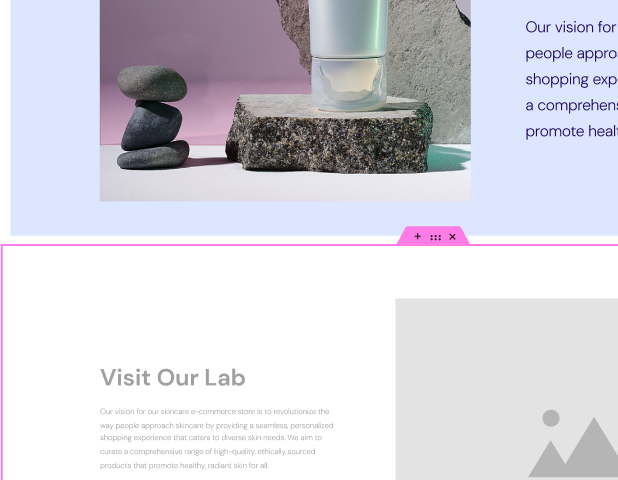
Using Elementor Popup Builder for Custom Consent UI
Most default CMP banners look absolutely terrible out of the box. They don’t match your brand fonts, and they clash violently with your standard button styling.
With the Popup Builder, you completely bypass the ugly default designs and maintain total creative control.
- Create a new popup template and assign your store’s global brand colors.
- Set the display conditions to trigger immediately on page load for new visitors only.
- Use Elementor’s Display Conditions to exclude the popup from your Privacy Policy page, so users can read the rules unhindered.
- Map the “Accept” and “Reject” buttons to trigger your CMP’s specific JavaScript execution functions.
- Add a subtle entrance animation so the interruption doesn’t feel jarring on mobile devices.
This approach keeps your entire e-commerce design system perfectly unified.
Managing Scripts via Elementor Custom Code
Instead of cramming 13 different tracking plugins into your WordPress dashboard, you can use the native Custom Code feature to handle your scripts cleanly.
Here’s the trick. You don’t load the Meta Pixel directly into the header. You wrap it in a conditional script provided by your CMP. When a user clicks “Accept” in your custom consent popup, the CMP fires the approval signal, and your Custom Code block finally executes the pixel.
By shifting consent logic directly into the visual builder’s custom code environments, we dramatically reduce the payload bottleneck. It bridges the gap between marketing teams who need the pixels and development teams who need the performance.
Itamar Haim, SEO Team Lead at Elementor. A digital strategist merging SEO, AEO/GEO, and web development.
Integrating Elementor Forms with Privacy Checkboxes
Consent isn’t strictly limited to invisible cookies. When users submit a lead-gen or checkout form, you need a hard record of their agreement to your processing terms.
Simply add an Acceptance field to your existing Elementor Forms, visually link it to your privacy policy URL, and ensure it’s configured as a strictly required field. It’s a remarkably small step that prevents massive legal headaches during an audit.
Technical Optimization: Performance vs. Compliance
There’s a hidden, frustrating tax to compliance. Every single time a consent script loads, it eats up valuable browser resources.
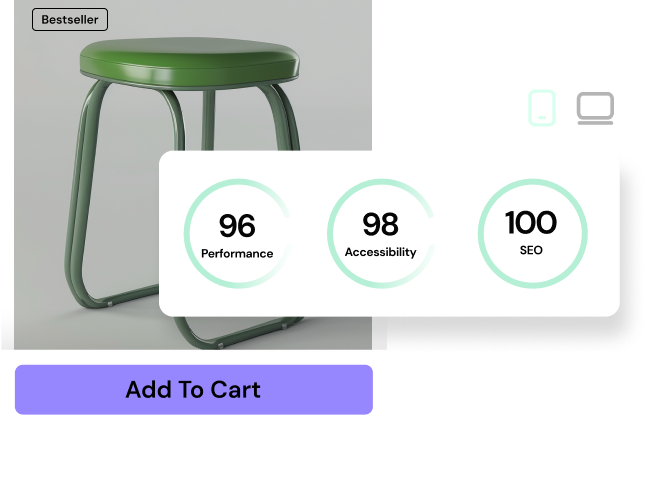
If you aren’t exceptionally careful, your privacy tools will destroy your Core Web Vitals. Third-party consent scripts can increase Total Blocking Time (TBT) by an average of 180ms to 450ms.
Comparison Table: CMP Script Weights and Load Times
Let’s look closely at how the major privacy players impact your raw site speed metrics.
| CMP Platform | Average Script Weight (KB) | Estimated TBT Impact | Best Use Case |
|---|---|---|---|
| Cookiebot | 145 KB | ~320ms | High-traffic international stores needing deep scans |
| CookieYes | 95 KB | ~210ms | Mid-market WooCommerce setups prioritizing speed |
| Termly | 110 KB | ~250ms | Stores requiring automated legal policy generators |
| Cookiez | 82 KB | ~180ms | Performance-focused custom builds needing light scripts |
Implementing Asynchronous Loading and Pre-fetching
You absolutely can’t let a privacy banner delay your Largest Contentful Paint (LCP). If the legal banner loads before your hero product image, you’re actively losing money.
- Add the `async` or `defer` attribute directly to your CMP’s `