
Managing website compliance can feel like a lot at first, but it doesn’t have to stay that way. Privacy laws keep getting stricter, and if you run a site today, you already know they aren’t going anywhere. When it comes to visitor tracking and consent, two paths tend to show up: enterprise suites like OneTrust, and native WordPress tools built right into your dashboard. Here’s how OneTrust stacks up against Elementor’s built-in Cookie Consent capability on setup speed, daily management, and design flexibility, so you can see which approach fits your site best.
Key Takeaways
- OneTrust is a highly detailed, enterprise-grade platform designed for deep corporate compliance across multiple web properties and legal jurisdictions.
- Cookie Consent is a native WordPress capability that runs entirely inside your dashboard, with a quick, five-minute setup.
- For agencies and creators using Elementor, the built-in cookie consent capability simplifies script management without needing external accounts.
- Both tools support essential modern privacy requirements, including Google Consent Mode v2 and Global Privacy Control.
- Choosing between them comes down to whether you need a dedicated enterprise compliance suite or a fast, integrated dashboard solution.
Understanding Your Compliance Needs in 2026
Web privacy rules have moved fast over the past few years, and a generic “We use cookies” banner just doesn’t cut it anymore. Regulators worldwide now enforce strict rules on how visitor data gets collected, stored, and processed. If your site serves people in the European Union, the UK, or California, you’re subject to frameworks like the GDPR and CCPA, both requiring explicit consent before any non-essential cookies touch a visitor’s device.
At the same time, browsers keep phasing out third-party cookies, pushing sites to lean more on first-party data. If you use Google Analytics or Google Ads, you’ll need Google Consent Mode v2 support too, to keep gathering accurate data and running targeted campaigns. That’s why having the right consent tool in your corner matters so much.
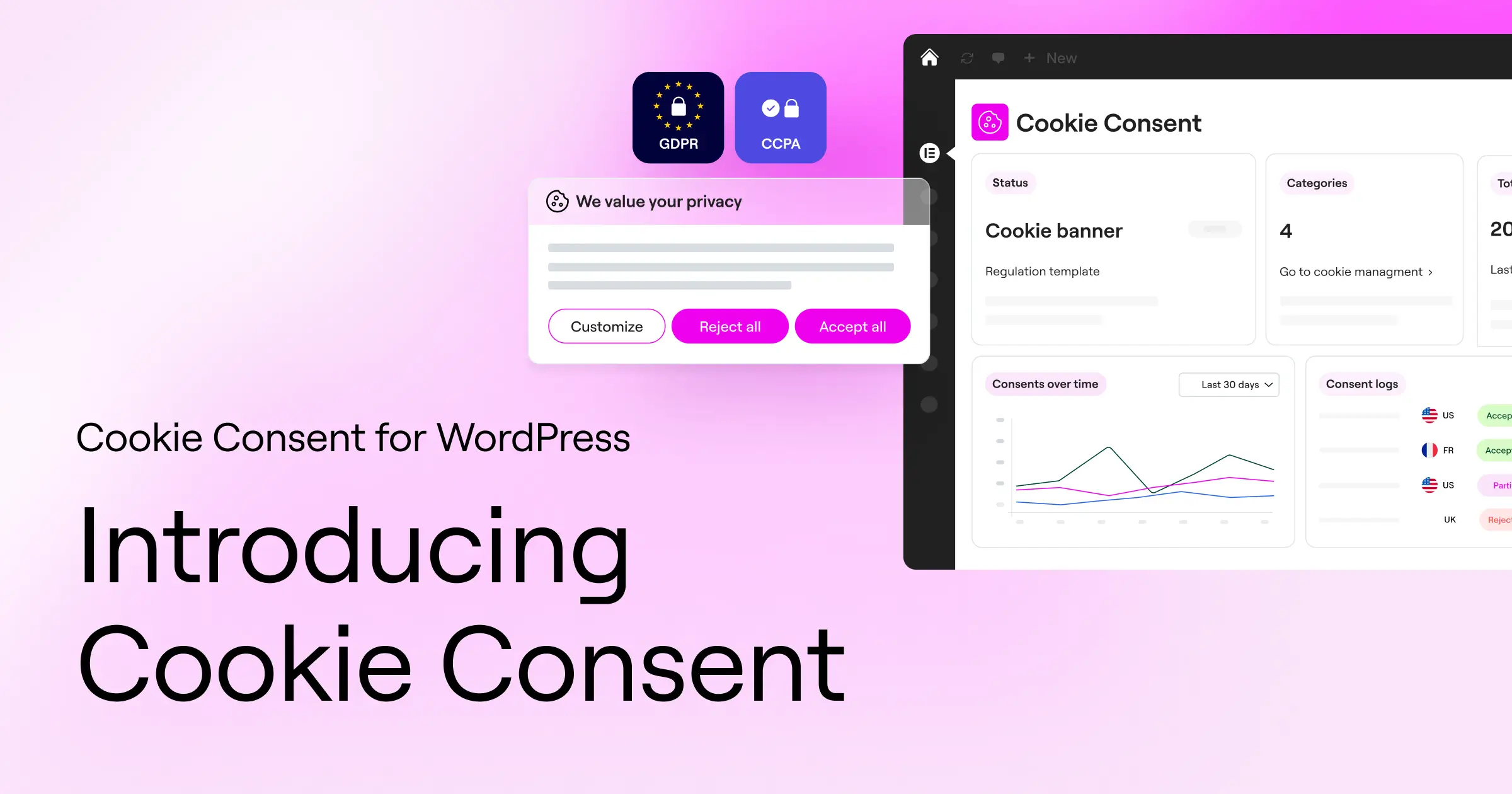
When you’re picking a compliance tool, you’re really weighing two things: regulatory thoroughness and operational simplicity. An enterprise-level system hands you a huge set of features, but often with a steep learning curve and real setup costs. A native tool keeps your daily workflow simple while still keeping your site compliant. Which one’s right for you depends on your situation.
Introducing the Contenders
Before we get into specifics, let’s zoom out and see how each option approaches compliance at a high level.
OneTrust: The Enterprise Compliance Platform
OneTrust is a well-known name in corporate compliance, built as a full trust intelligence platform that handles far more than website banners. It manages privacy requirements across entire organizations, including data mapping, vendor risk assessments, and consent management across mobile apps, websites, and internal databases.
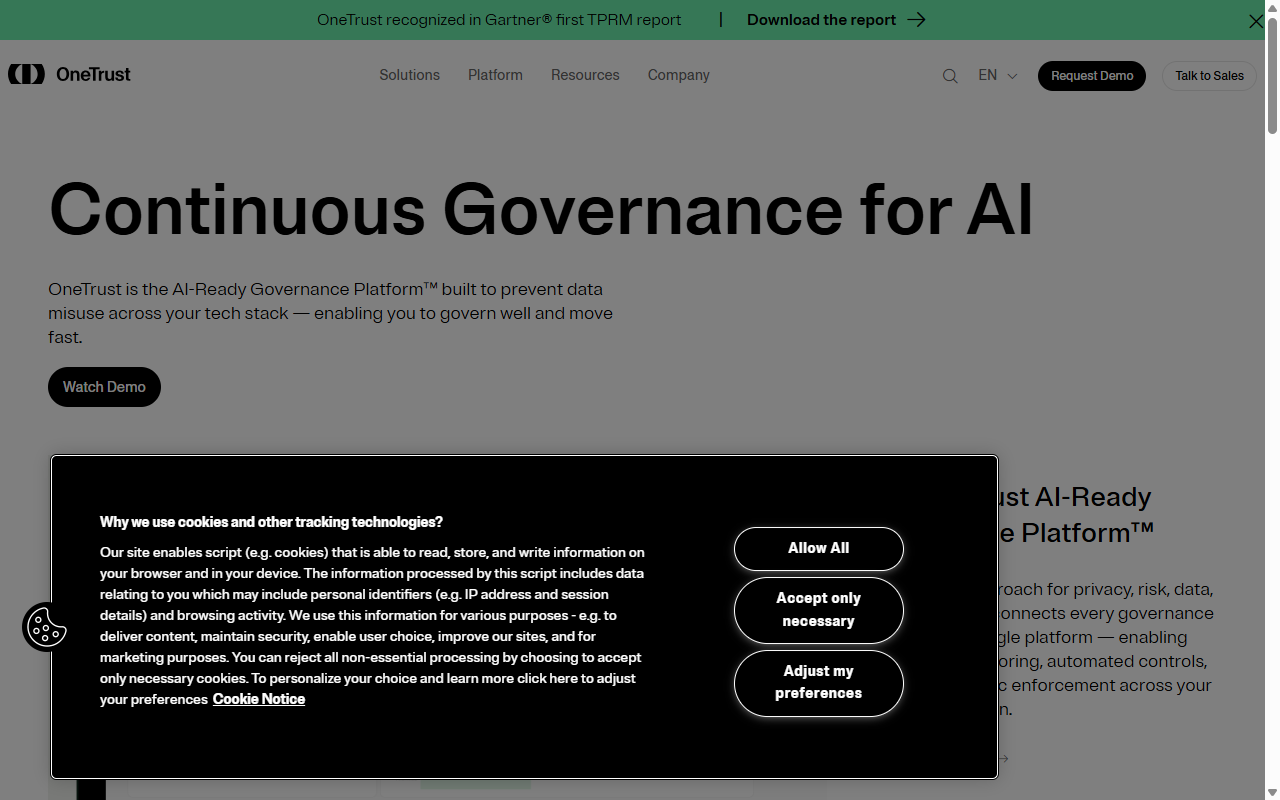
Because it’s built for large enterprises, OneTrust runs from a centralized external dashboard: you configure settings, scan your sites, and manage consent logs from their cloud platform, then deploy the code with a script or tag manager. That works well for compliance managers overseeing dozens of sites, though it does mean managing compliance separately from your regular website editor.
Cookie Consent: The Native WordPress Solution
The Cookie Consent capability from Elementor takes a completely different approach: instead of an external cloud platform, it’s built directly into WordPress, so you set up, customize, and manage your cookie banners without ever leaving your dashboard (it’s simpler than it sounds).
That native integration means your design settings, page layouts, and privacy controls all live in one place. Setup takes under five minutes, which makes it genuinely accessible for independent creators, small businesses, and agencies who want to get compliant fast. It handles Google Consent Mode v2 and Global Privacy Control right out of the box, so you get real compliance without enterprise complexity.
“Managing compliance natively on your own site infrastructure reduces external dependencies and keeps your regulatory data exactly where your website lives.”
– Itamar Haim, Web Compliance Specialist
Direct Feature Comparison: OneTrust vs Cookie Consent
To figure out which tool fits your project, it helps to put their core capabilities side by side.
Cookie Scanning and Categorization
Both tools offer automated scanning to identify the cookies your site uses, but how they present and manage that information is quite different.
OneTrust runs deep, scheduled scans across your site, checking every page for active trackers, then cross-references a large global database of known cookies to sort them into groups like strictly necessary, performance, functional, and targeting. You review and adjust those categorizations from the OneTrust cloud portal, useful depth for large enterprise sites juggling hundreds of changing scripts.
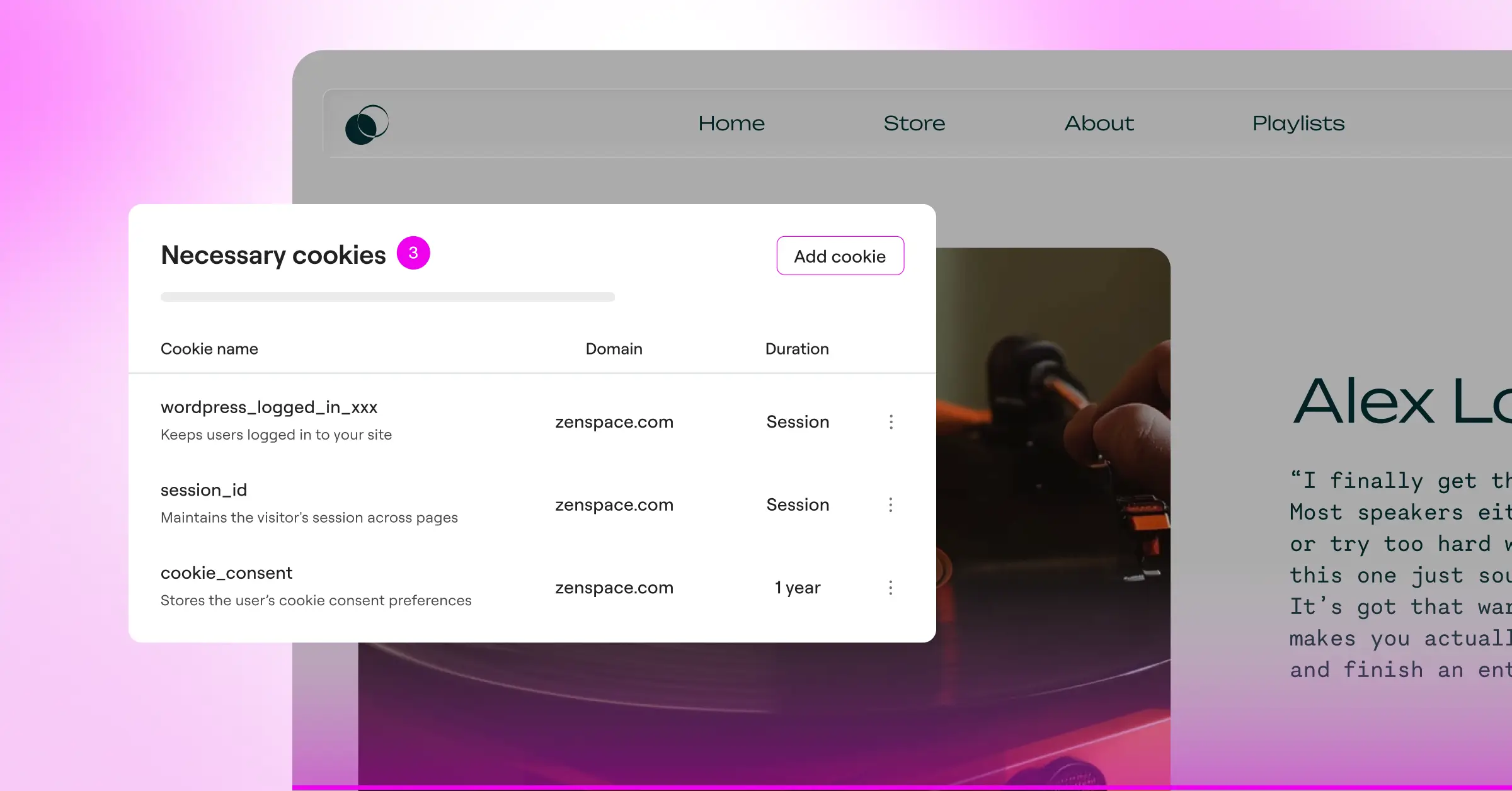
The built-in Cookie Consent capability runs a simplified, automated scan directly from your WordPress admin area. It finds your active cookies, groups them into standard compliance categories, and lets you map them to your active scripts, all from the dashboard you already use. Running standard marketing and analytics scripts, you won’t need to wade through complex technical lists to get things sorted.
Design and Brand Customization
Your consent banner is often the first thing a visitor sees on your site. If it looks out of place or off-brand, it can chip away at trust before they’ve read a word.
- OneTrust Customization – Gives you extensive styling options inside their external interface. You can adjust colors, button styles, and text layouts with their builder or custom CSS, then publish the changes to generate an updated script for your site.
- Cookie Consent Customization – Connects directly with your existing WordPress theme and design settings. You can customize fonts, colors, borders, and banner positions with familiar design tools, so your banner looks like a natural part of your site from day one.
- Layout Flexibility – OneTrust supplies standard modal, banner, and corner-box layouts. The native cookie consent tool also includes cloud-based design templates, so you can pick a layout that fits your site’s style in seconds.
- Multilingual Support – OneTrust supports a wide range of languages for international sites. The native cookie consent capability includes multilingual banner support too, so you can show localized consent messages to your global visitors.
Consent Logging and Audit Trails
If a regulatory authority ever audits your website, you’ll need to prove that visitors gave active consent before you tracked them. That’s where consent logging becomes essential.
OneTrust stores all consent records on its cloud servers and gives you detailed reporting: exactly when consent was given, which categories were selected, and where the user was located. That depth is a real asset for enterprise legal teams running complex audits across multiple products.
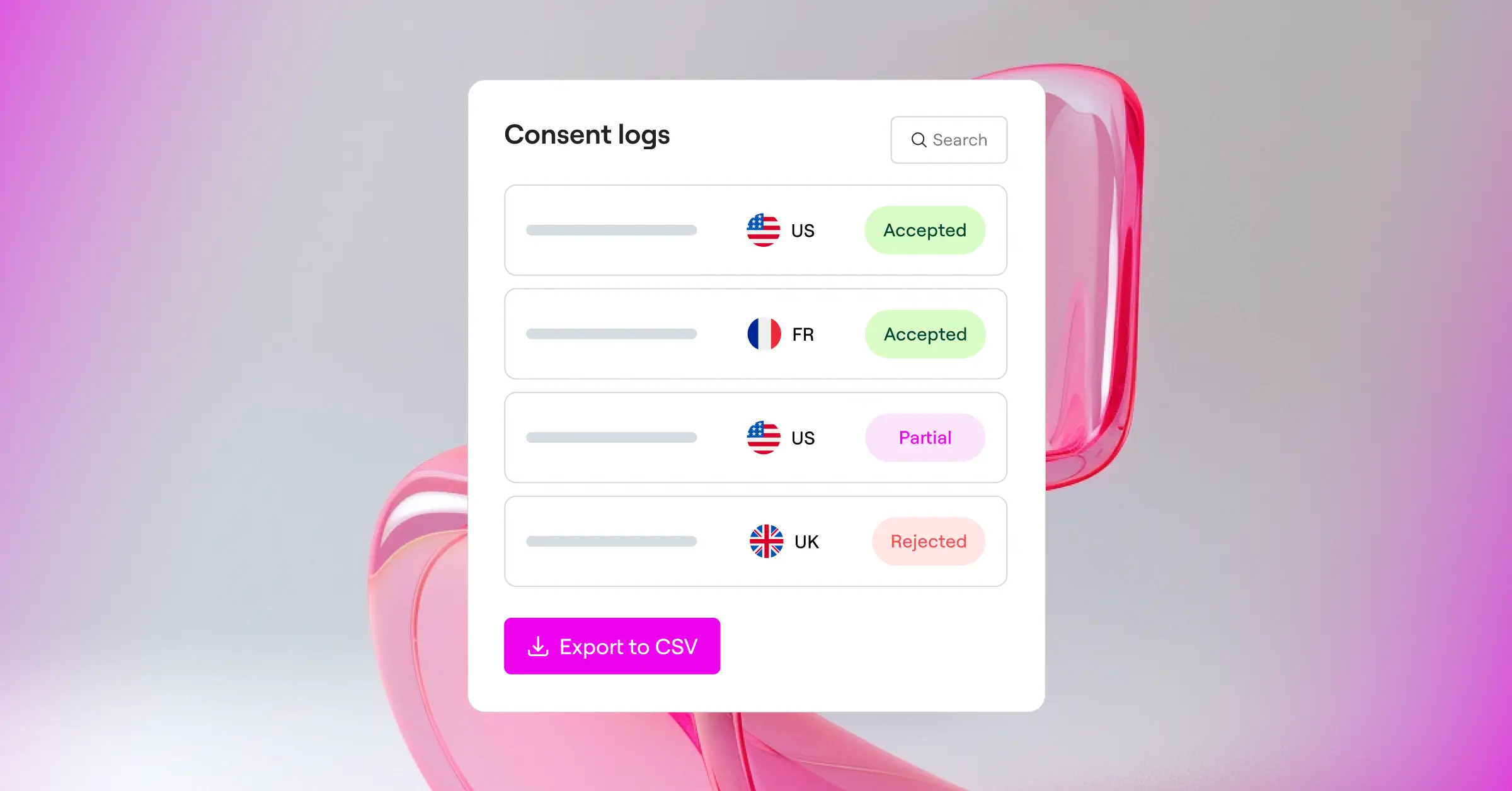
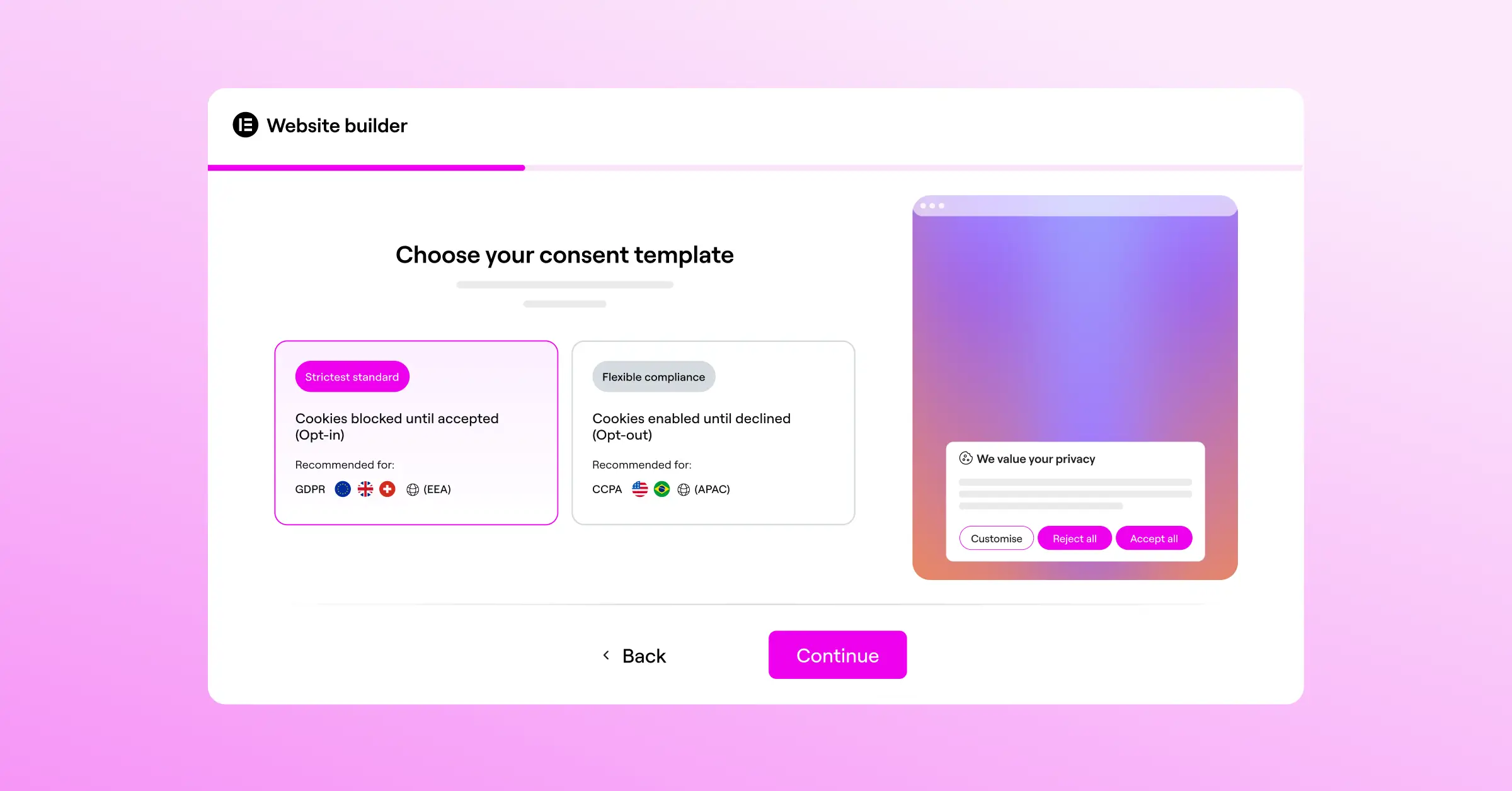
The WordPress-native Cookie Consent tool keeps a built-in consent log that tracks consent events right from your dashboard. It records user decisions without collecting unnecessary personal data, giving you a clear audit trail that respects user privacy. For most small to medium businesses, this dashboard log is more than enough to satisfy compliance requirements.
Detailed Comparison Matrix
Here’s a quick side-by-side view of how these two solutions compare across the categories that matter most for WordPress site owners.
| Feature | OneTrust | Cookie Consent (Elementor) |
|---|---|---|
| Dashboard Location | External cloud platform | Native WordPress dashboard |
| Setup Complexity | High (requires script installation and cloud configuration) | Low (three-step setup under five minutes) |
| Google Consent Mode v2 | Supported (requires advanced tag manager setup) | Supported out of the box |
| Design Customization | Configured via external builder or custom CSS | Visual editor with cloud templates |
| Consent Logging | Stored on OneTrust cloud servers | Stored securely within your WordPress site |
| Ideal For | Large corporations and multi-platform enterprises | WordPress sites, creators, and digital agencies |
Setup and Implementation Workflow
The time you spend configuring compliance tools is time you could spend growing your business. Here’s what it actually takes to get both systems running.
The OneTrust Implementation Process
Setting up OneTrust follows a structured process that typically involves your development team or a compliance manager. The steps generally look like this:
- Create an Account – Sign up for the OneTrust platform and log into their centralized cloud portal.
- Register Your Website – Add your domain to the system and trigger an initial automated scan of your pages.
- Configure Your Banner – Use their templates to style your banner, choose your preferred consent model (opt-in for GDPR or opt-out for CCPA), and save your settings.
- Categorize Cookies – Once the scan finishes, review the detected cookies and confirm their categories.
- Generate and Embed Scripts – Generate a custom JavaScript snippet and add it to your website header, or deploy it through a tag manager like Google Tag Manager.
- Test and Publish – Clear your cache, test the banner across different devices, and publish your changes from the OneTrust dashboard.
This workflow is thorough and well-structured, but it takes real time. Any change to your design or cookie categories means logging back into the external platform and republishing your scripts, worth factoring into your decision.
The WordPress-Native Cookie Consent Workflow
Setting up cookie consent natively on your WordPress site is a much faster process. You manage everything through a simple three-step setup, and you never have to leave your dashboard:
- Enable the Feature – Turn on the cookie consent tool directly from your WordPress admin panel.
- Run the Cookie Scan – Run the automatic scanner to discover and categorize your active scripts in just a couple of clicks.
- Customize and Publish – Pick a design template, adjust the styles to match your brand, and publish the banner right away.
If you want to get your site compliant quickly without juggling external accounts or code injections, this approach is genuinely hard to beat. Most people are done in under five minutes.
Performance and Site Speed Considerations
Site speed matters for both user experience and search rankings, and every script you add can affect load times, so it’s worth thinking about how each tool performs in practice.
OneTrust is built to handle thousands of complex enterprise scenarios, so its scripts carry more code. Those scripts load from external servers and, depending on your setup, can add slight delays to page load times. If they aren’t optimized carefully, heavy external scripts can affect your Core Web Vitals, particularly First Input Delay and Cumulative Layout Shift.
A native cookie consent tool is lightweight by contrast. Built directly into WordPress, it doesn’t need heavy external database connections just to display your banner. It loads alongside the rest of your site’s assets, keeping load times fast and search rankings stable.
Choosing the Right Tool for Your Business
The best compliance solution for your project depends on your organizational setup, technical skills, and compliance goals. Here’s how to think it through.
When to Choose OneTrust
OneTrust is a strong fit for large corporate environments. It might be the right call if:
- Multi-Platform Management – You manage compliance across many different platforms, like Shopify stores, custom mobile apps, and corporate intranets, all under one organization.
- Enterprise Security Standards – Your legal department needs dedicated cloud storage, SOC 2 compliance certifications, and enterprise-level risk management tools.
- Internal Compliance Staff – You have a dedicated privacy officer or legal team whose job is managing vendor risk and data mapping across the company.
When to Choose Cookie Consent
The native cookie consent capability is usually the better fit for creators, small businesses, and digital agencies. It’s probably your best option if:
- Dashboard Simplicity – You’d rather manage all your website settings, page designs, and compliance controls inside the WordPress admin panel.
- Rapid Deployment – You want a tool you can fully configure and deploy in under five minutes.
- Design-First Projects – You use Elementor to build your pages and want your cookie banner to match your site’s design naturally, without extra work.
- Agency Workflows – You manage client websites and want to set up compliance quickly without asking clients to sign up for expensive external subscriptions.
If you’re already working inside the Elementor ecosystem, Cookie Consent is included in Elementor One, so you can add compliance alongside your web accessibility and site management capabilities without managing separate accounts or billing.
Frequently Asked Questions
What is Cookie Consent and how does it work?
Cookie Consent is a native WordPress compliance capability from Elementor. It lets website owners create consent banners, scan and categorize cookies, manage tracking scripts, and maintain consent logs directly from their dashboard, without needing external services.
Is Google Consent Mode v2 supported by native cookie consent tools?
Yes, Cookie Consent fully supports Google Consent Mode v2, keeping your Google Analytics and Google Ads tags running correctly based on the exact consent status your visitors provide, required for sites with European Union traffic.
Do I need to manage external accounts to use a native cookie consent tool?
No, and that’s one of its biggest practical advantages. A native WordPress cookie consent tool runs entirely on your website, so you don’t need to sign up for external cloud services, manage API keys, or configure settings on third-party platforms.
How does OneTrust deliver its consent banners to a website?
OneTrust uses a cloud-hosted script. You set up your configurations inside the OneTrust platform, then paste a JavaScript snippet into your site’s header or use a tag manager to load the banner on your pages.
Can I customize the look of my consent banner with both tools?
Yes, both tools offer customization. OneTrust lets you style banners through its external dashboard or custom CSS. The native Cookie Consent capability lets you style your banner inside WordPress using your existing theme settings and cloud-based templates.
What happens during a compliance audit?
During an audit, privacy regulators may ask you to demonstrate that users gave consent before you tracked them. Both OneTrust and the native Cookie Consent tool provide consent logging features to help you show a clear audit trail of user decisions.
Is a native cookie consent tool better for site performance?
Generally, yes. Native cookie consent capabilities are built and optimized for WordPress, loading efficiently alongside your site’s assets without relying on heavy external connections that can slow your pages down.
Does Cookie Consent support Global Privacy Control?
Yes, Cookie Consent supports Global Privacy Control (GPC), so your site automatically respects browser-level privacy signals sent by visitors, keeping you aligned with modern privacy standards without extra configuration.
Which tool is best for digital agencies managing multiple client sites?
For agencies working with Elementor, the native Cookie Consent tool is highly practical. You can configure compliance features for clients directly within their WordPress sites, skipping the need for multiple external subscriptions and complex account management.

