Running a web agency means keeping a dozen plates spinning at once. You want client sites that look great, load fast, and convert, all while staying legally compliant as privacy laws tighten worldwide. That’s where white-labeling comes in, keeping your agency looking sharp and building real trust with clients. And finding the right tool is simpler than the jargon makes it seem.
Key Takeaways
- White-labeling your consent tools helps you maintain a unified brand presence across all client dashboards.
- Google Consent Mode v2 is now critical for any client running Google ads or analytics in Europe.
- WordPress-native options keep server calls internal, which prevents external script lag and keeps performance strong.
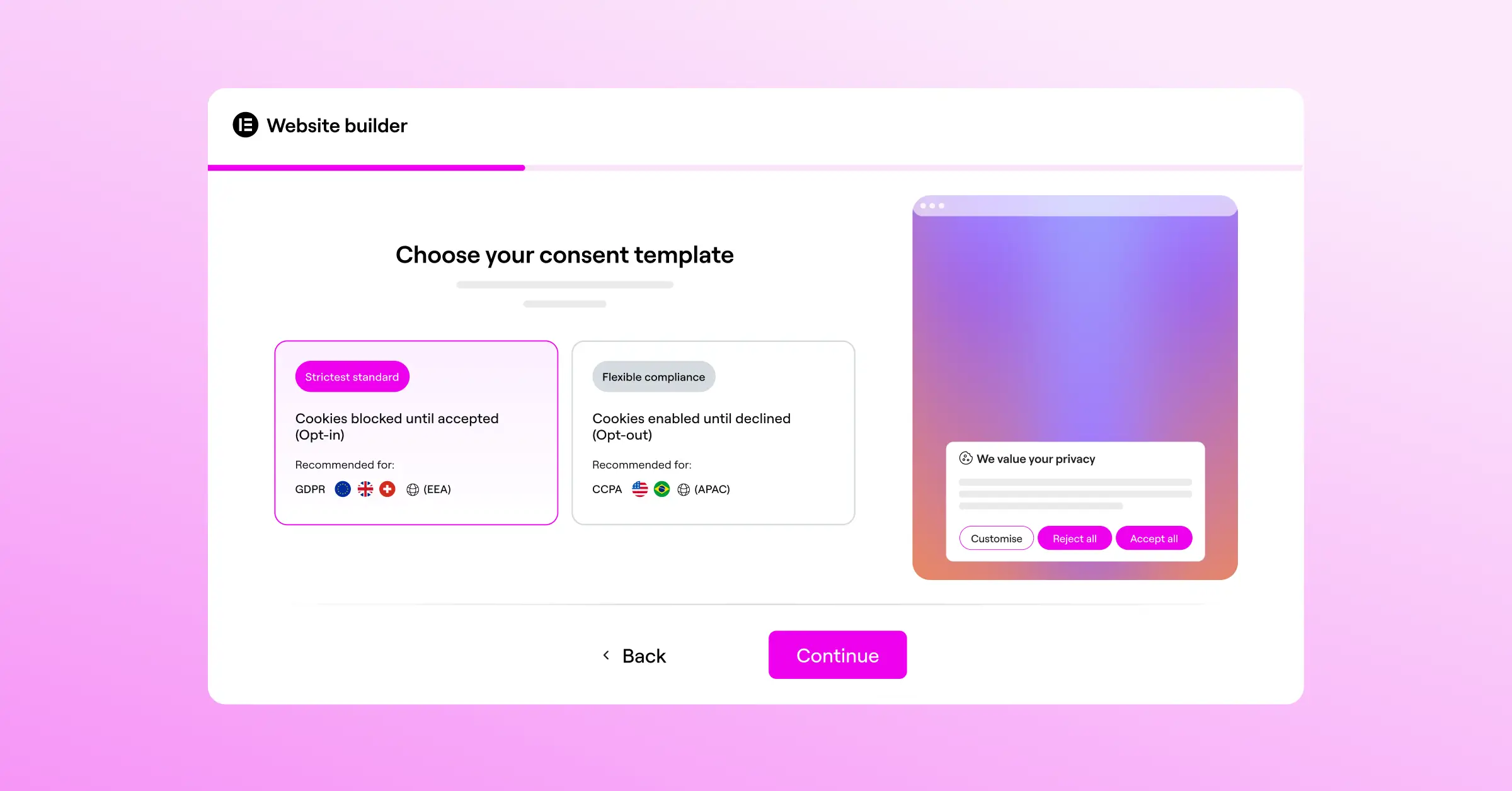
- Geo-targeting lets you show specific privacy banners only to visitors from regions with strict laws, like the EU or California.
- Consent logs provide essential verification if a client ever faces a privacy audit.
Why Your Agency Needs White Label Cookie Consent in 2026
Every touchpoint with a client is a chance to show your value. When they log into their dashboard, they should see your agency’s name, logo, and colors, not a messy mix of third-party logos. A white-label consent tool keeps your agency front and center.
Privacy regulations aren’t a minor detail anymore. Between GDPR in Europe, CCPA in California, and similar laws popping up worldwide, running a site without proper consent tools is a real risk, and the legal responsibility often lands on the agency that built it. A reliable consent tool keeps you out of awkward conversations.
Managing all this gets messy fast if you’re jumping between ten external platforms. If you build sites with Elementor, the built-in Cookie Consent tool lets you manage compliance right from the WordPress dashboard, so your workflow stays clean and client sites stay polished.
How does white-labeling support your recurring revenue?
A lot of agencies struggle to sell monthly maintenance plans because clients don’t always see the value of behind-the-scenes work. Package white-labeled cookie consent into a full compliance retainer, though, and it becomes obvious: offer monthly audits, cookie scans, and updated consent logs under your own brand, and a technical chore turns into a service clients are happy to pay for.
What to Look For in an Agency-Friendly Cookie Consent Solution
Not every consent tool is built with agencies in mind. Some are made for single-site owners, others need developer setups that eat into your billable hours. The right tool makes managing multiple client sites simple and repeatable.
Here’s what to look for when choosing your setup:
- Scans websites automatically to keep script lists updated.
- Logs historical consent settings to build reliable audit trails.
- Detects visitor locations to show geo-targeted banners to specific users.
- Integrates Google Consent Mode v2 for accurate ad tracking compliance.
- Removes third-party logos to keep your brand front and center.
- Translates banner text automatically to support multilingual audiences.
Having these capabilities built right into your web builder makes life easier. A native tool keeps your site light instead of piling on external scripts, and that matters since page speed affects rankings and conversions.
“Keeping your cookie consent management integrated directly within your CMS is a significant advantage for modern web development. It reduces external database calls, lowers script latency, and keeps your layout stable during the crucial first second of page loading. When agencies use native tools, they avoid the visual jumps and layout shifts that external scripts often introduce.”
– Itamar Haim, Web Compliance Specialist
The 10 Best White Label Cookie Consent Tools for Agencies
Here’s a look at the top options for your agency this year, a mix of WordPress-native tools and reliable SaaS platforms to fit your workflow.
1. Cookie Consent (by Elementor)
If you build sites with Elementor, the built-in Cookie Consent tool is the most logical place to start. Built natively for WordPress, it manages GDPR and CCPA compliance right from your dashboard, with no external platform to log into.
It’s designed with agencies in mind. Setup takes under five minutes, so you can deploy compliant banners across new builds without breaking your workflow. Cookie Consent is also part of Elementor One, a cost-effective pick for agencies running several client sites.
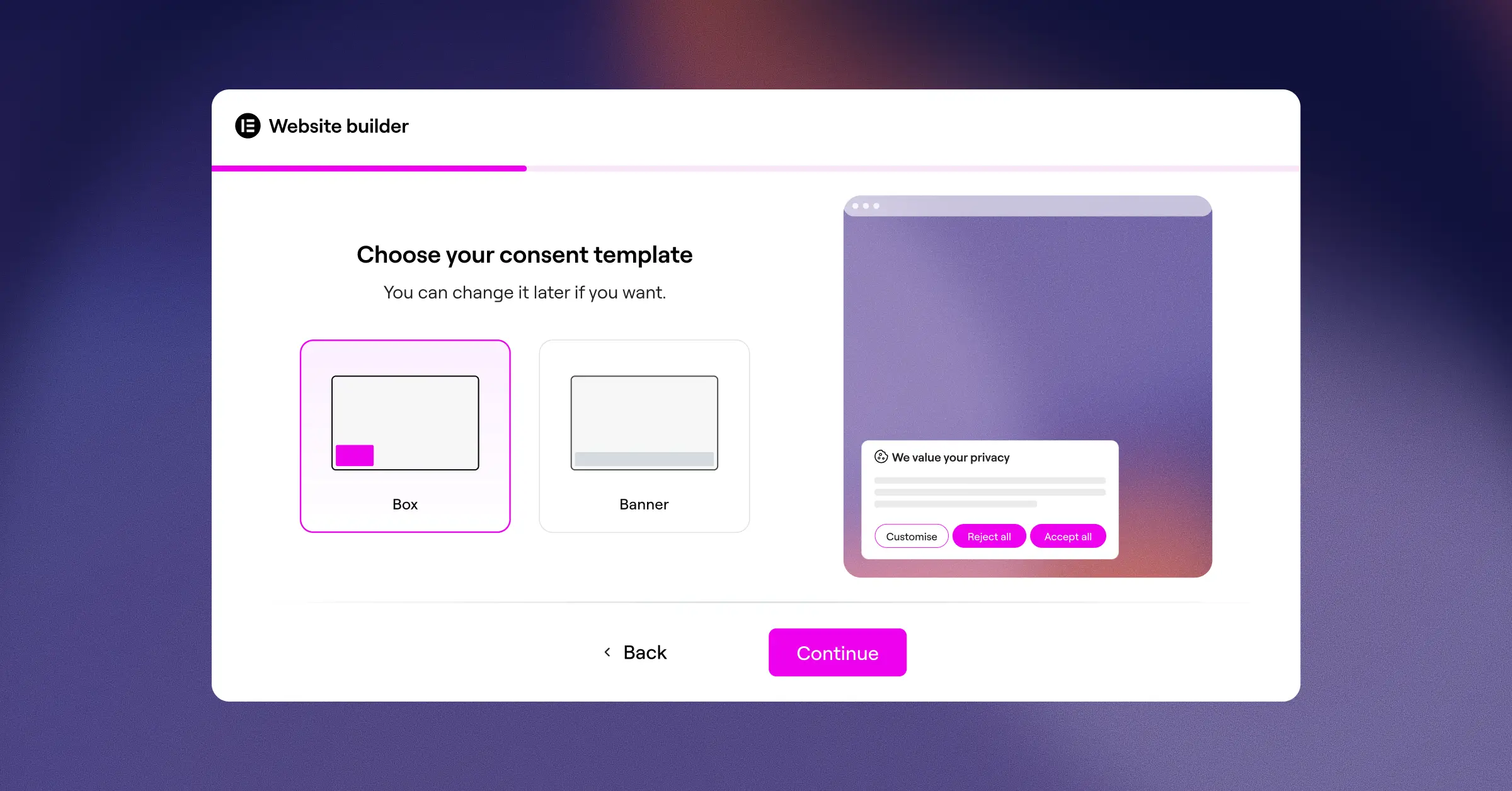
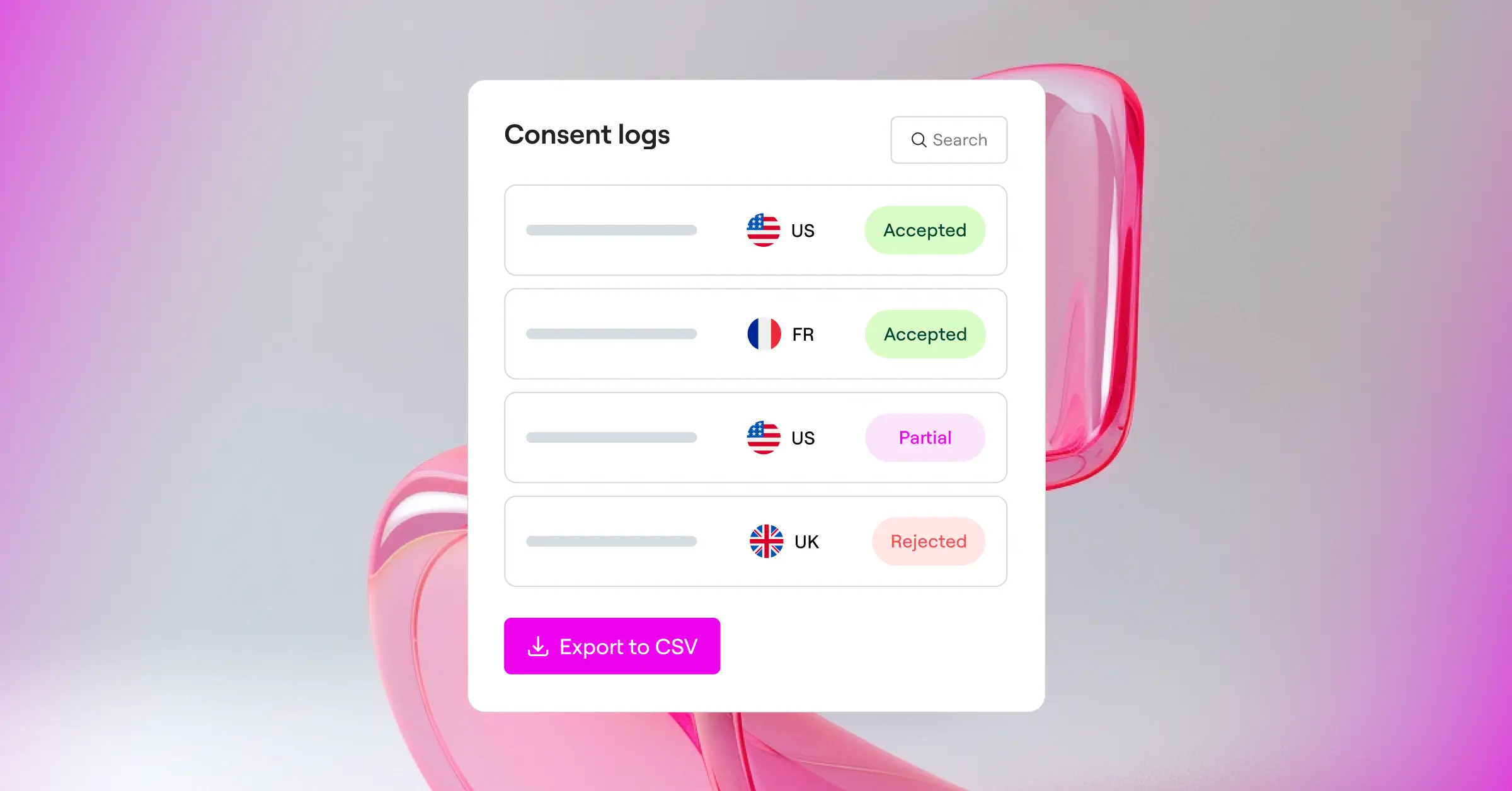
- Saves consent history in a local, easy-to-read compliance log.
- Loads fast because it’s built natively without heavy external scripts.
- Supports Google Consent Mode v2 and Global Privacy Control out of the box.
- Targets specific regions so visitors only see banners when legally necessary.
- Generates privacy policies with a built-in generator to save you legal drafting time.
2. Cookiebot
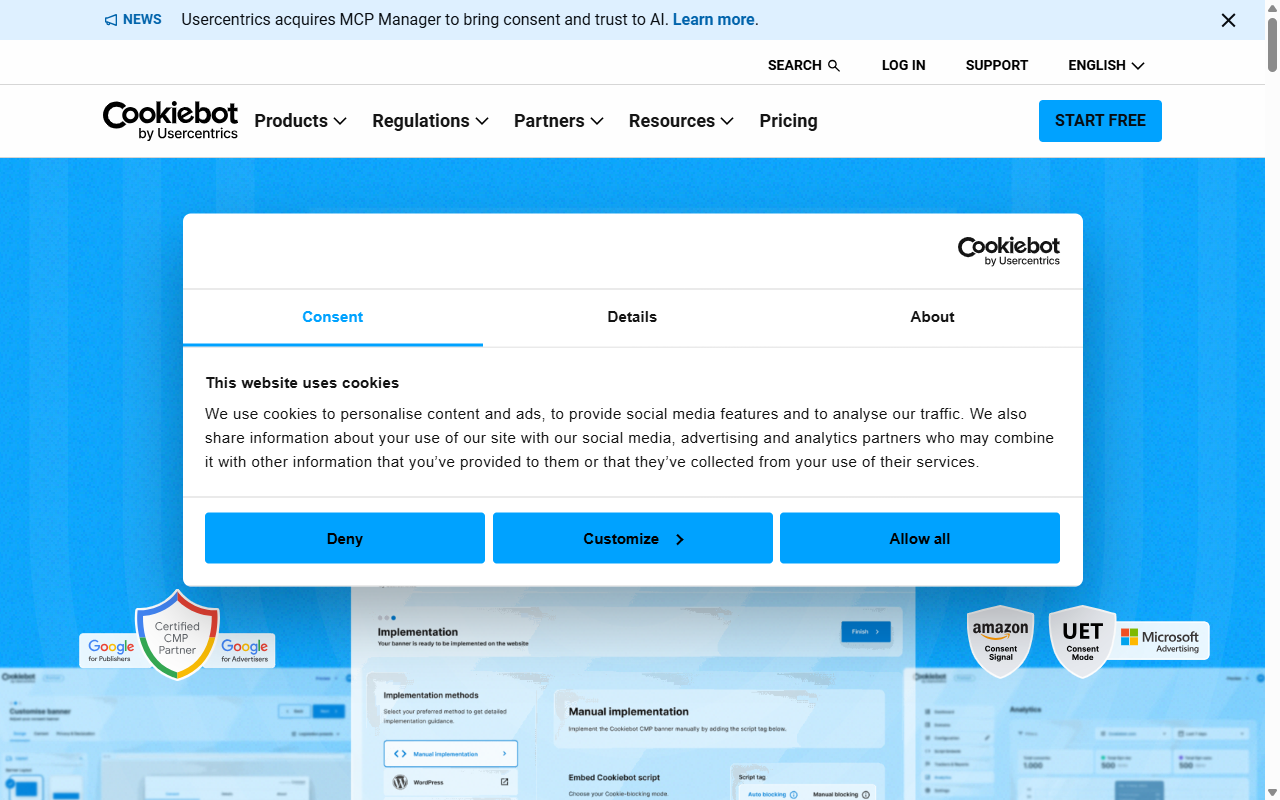
Cookiebot is a well-known cloud-based platform built around automated cookie scanning. It’s a practical option for agencies managing sites across several CMS platforms, not just WordPress, since it classifies scripts in the cloud and pushes updates automatically.
For agencies, Cookiebot runs a dedicated partner program that lets you manage multiple clients from one master account, brand the reports, and style client banners for larger sites with complex tracking needs.
- Classifies cookies automatically using a global database.
- Generates dynamic cookie declarations that update on your site in real time.
- Holds consent data securely in cloud servers located in the EU.
- Adds custom CSS styling options to help match client websites.
3. CookieYes
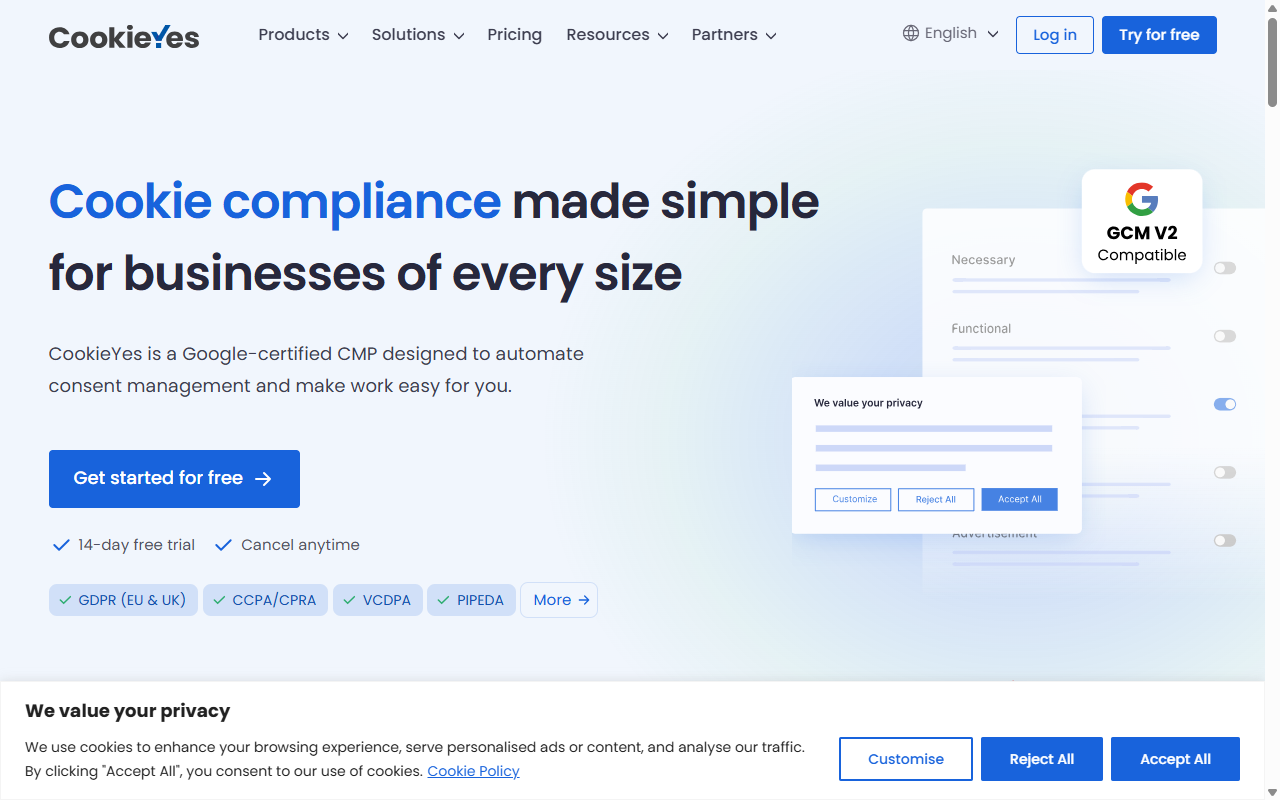
CookieYes is a popular consent management platform with both a cloud app and a dedicated WordPress integration. Its clean interface makes it easy to deploy banners, and white-label features on premium plans let you keep your agency front and center.
The platform supports major privacy laws, including GDPR, CCPA, and LGPD, and handles a high volume of consent actions daily.
- Tracks user consent actions with a visual analytics dashboard.
- Supports custom branding so you can upload agency or client logos.
- Blocks third-party scripts automatically until a visitor grants consent.
- Translates banners into over thirty languages based on browser settings.
4. Complianz
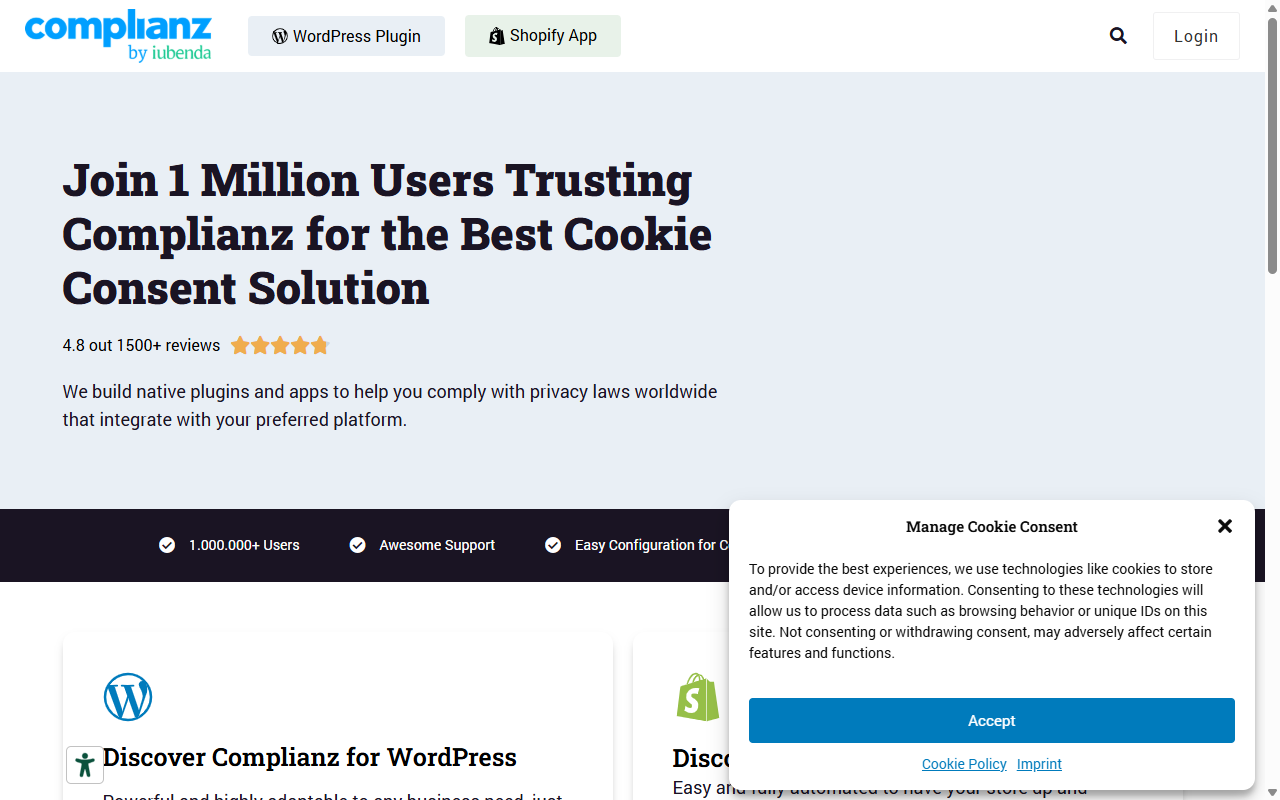
Complianz is a privacy suite built specifically for WordPress. A step-by-step wizard walks you through your privacy settings, and because it runs inside WordPress, you’re not managing external cloud subscriptions for every client.
The agency version lets you create templates and export your configurations. Set up a compliance banner once, then import it into every new site you build, saving your team hours of setup work.
- Guides you through configuration with an intuitive setup wizard.
- Generates legally validated cookie policies that adapt to your site setup.
- Integrates with major WordPress tools and script managers.
- Detects which legal documents you need based on your business location.
5. iubenda
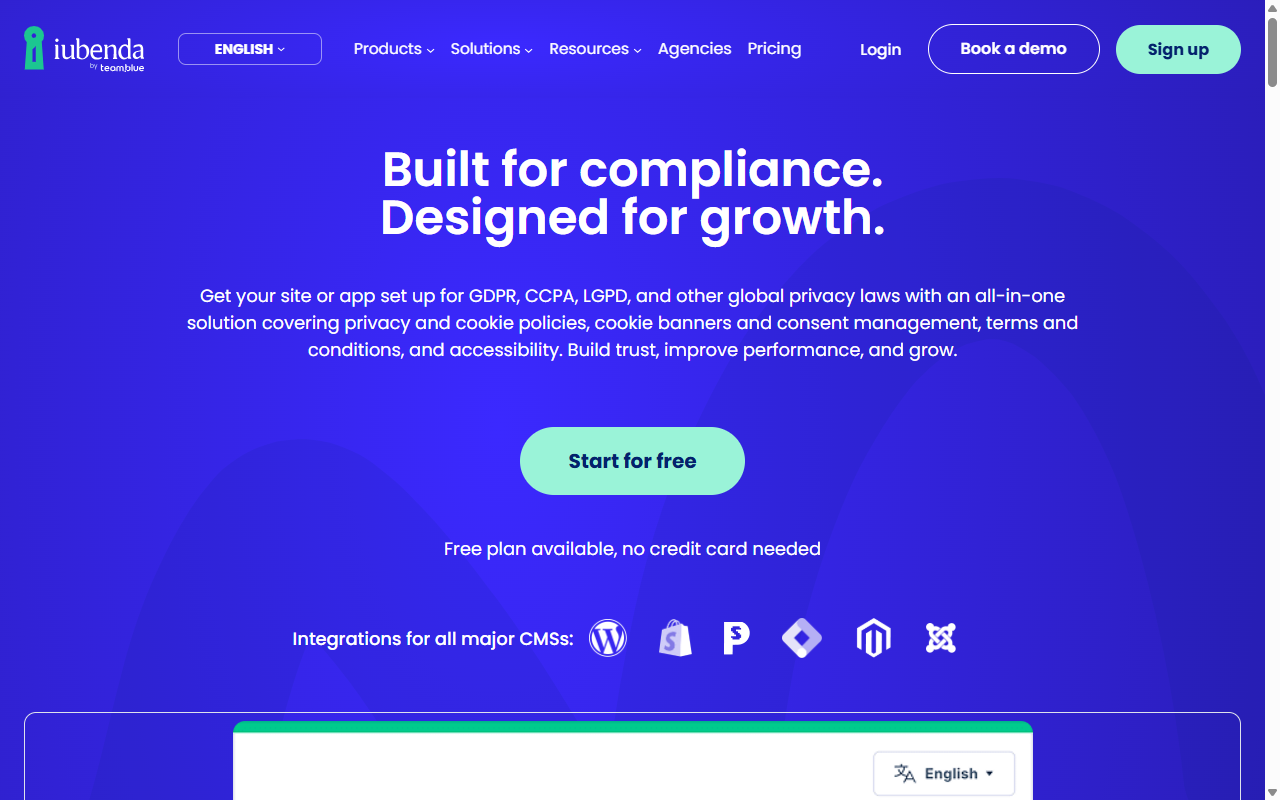
If you want a compliance suite beyond a cookie banner, iubenda is worth a look. It handles cookie consent, privacy policies, terms and conditions, and data processing records, a good fit for regulated clients like e-commerce or healthcare.
The agency dashboard lets you manage multiple client projects from one place, brand your legal documents, and keep everything organized.
- Updates legal documents automatically when privacy laws change.
- Maintains a detailed log of user consent choices for legal audits.
- Combines cookie consent with complete privacy policy generation.
- Supports custom branding across public-facing legal documents.
6. OneTrust
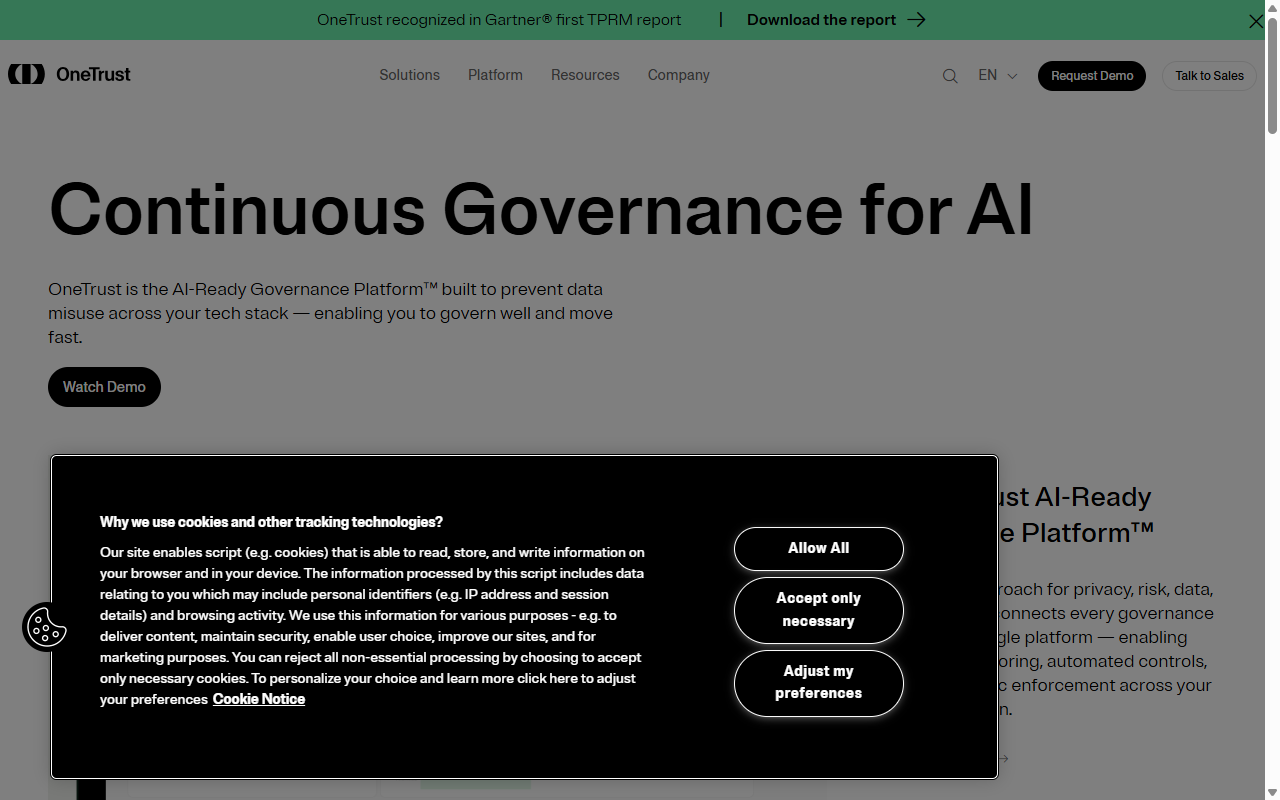
OneTrust is a major name in enterprise-level data privacy, best suited for large corporations or security-sensitive industries. It includes deep data mapping, risk assessments, and vendor management tools alongside its consent features.
It can be complex and pricey for smaller projects, but it offers real depth for enterprise compliance and strict security checks.
- Manages consent preferences across mobile apps, websites, and portals.
- Maps data flows to show exactly where client data travels.
- Generates advanced reporting for internal legal teams.
- Includes customization options for enterprise brand compliance needs.
7. Termly
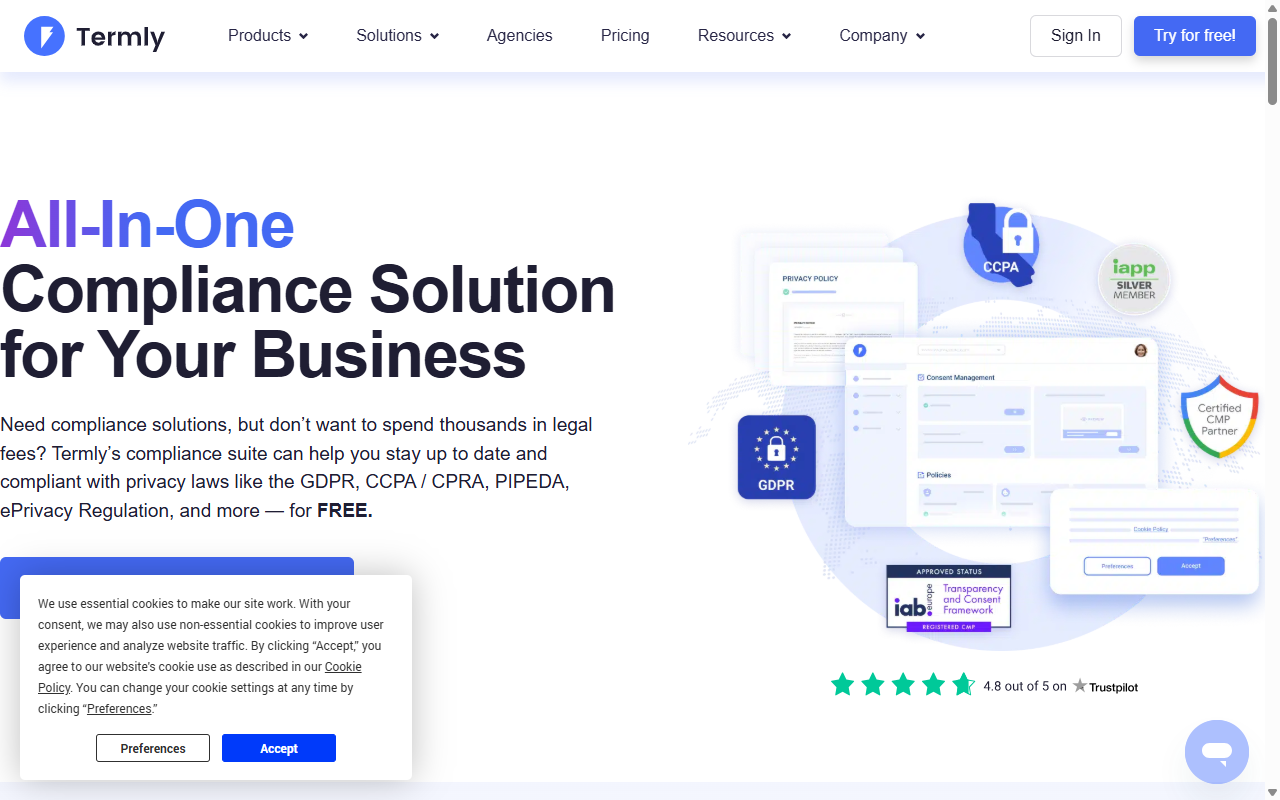
Termly is built with small businesses, and the agencies that serve them, in mind: cookie consent banners, privacy policy generators, and terms of service templates, easy to configure without deep technical knowledge.
Agencies can manage multiple client sites under a single Termly portal, updating settings across your full portfolio.
- Builds professional policy documents through a simple question-and-answer format.
- Scans client websites weekly to discover and categorize new tracking scripts.
- Keeps banners aligned with the latest CCPA and GDPR regulations.
- Simplifies custom styling so banners blend into client website designs.
8. Osano
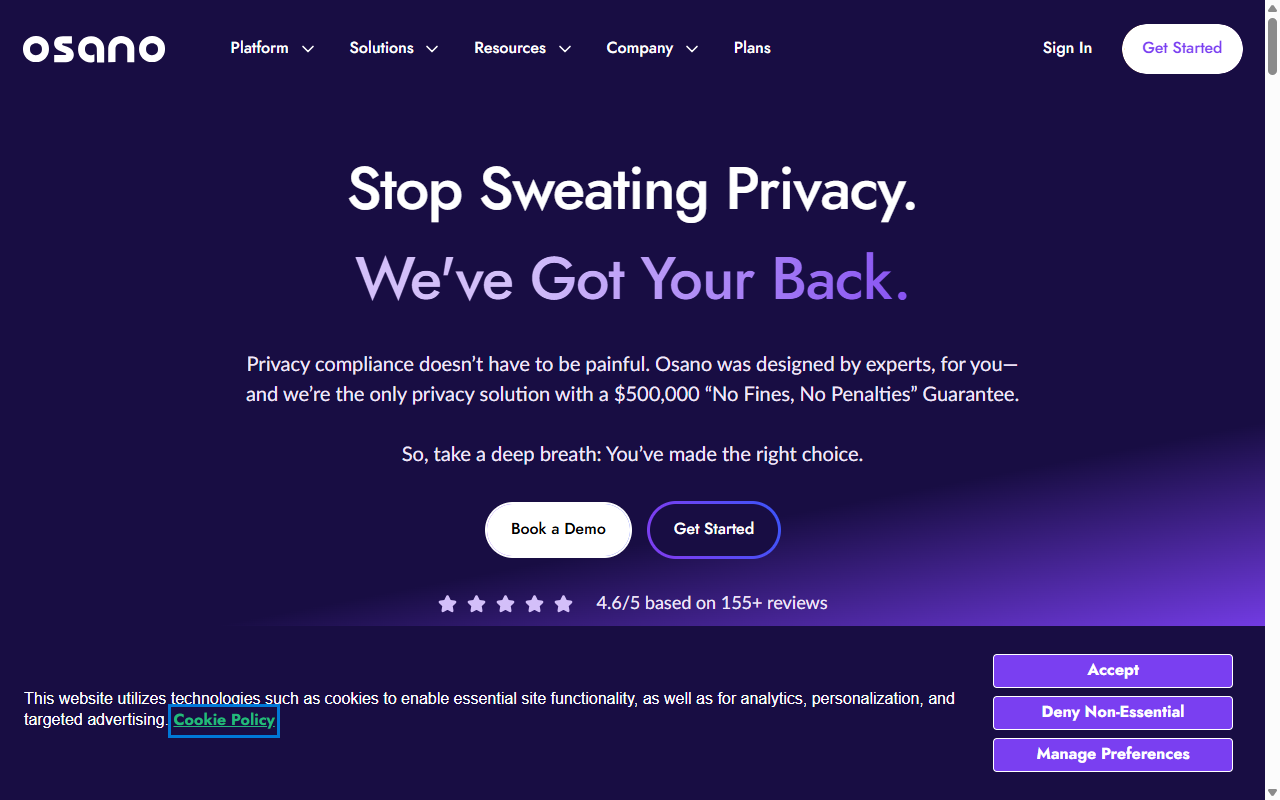
Osano is a B-Corp certified data privacy platform focused on simplicity and transparency, known for its “No-Fine Pledge.” The platform stays visually clean and easy for clients to follow if you give them dashboard access.
For agencies, Osano gives you one dashboard to monitor every client’s compliance state, keeping sites fast while blocking non-compliant scripts.
- Blocks scripts dynamically before they can load unauthorized cookies.
- Translates consent interfaces into dozens of languages automatically.
- Monitors third-party vendors to check if they adhere to privacy rules.
- Presents clean analytics to show banner opt-in and opt-out rates.
9. Securiti
Securiti is an enterprise-focused privacy platform that uses artificial intelligence to discover and categorize tracking scripts, suited to large-scale web applications or SaaS clients running cookies across subdomains.
It offers advanced compliance features and connects with cloud databases, marketing automation, and CRM systems.
- Identifies trackers using automated site scanning.
- Coordinates subject rights requests (DSAR) with built-in workflows.
- Monitors compliance scores across large networks of digital assets.
- Delivers customizable banners to meet corporate brand guidelines.
10. Usercentrics
Usercentrics is a flexible consent management platform pairing deep API integration with standard banner options, popular with developers building custom consent experiences.
The platform is fully white-labelable, so you can brand the entire experience and present it as your agency’s own solution.
- Syncs user settings across web, mobile apps, and smart TVs.
- Lets developers customize the interface completely using their API.
- Optimizes consent rates through built-in A/B testing.
- Stores consent data in secure, compliant European servers.
White Label Consent Tools Comparison for 2026
To help you see how these stack up, here’s a comparison focused on native hosting, branding, and core compliance features.
| Tool Name | WordPress Native | Custom Branding | Consent Logs | Best For |
|---|---|---|---|---|
| Cookie Consent (by Elementor) | Yes | Full Brand Control | Yes | WordPress agencies looking for simple, integrated workflows |
| Cookiebot | No (SaaS) | Premium Only | Yes | Agencies managing sites across diverse CMS platforms |
| CookieYes | No (Hybrid) | Premium Only | Yes | Mid-sized agencies wanting simple cloud dashboards |
| Complianz | Yes | Yes | Yes | WordPress-focused builders who prefer dashboard-based setups |
| iubenda | No (SaaS) | Premium Only | Yes | Agencies needing complete legal documents and policies |
How to Implement a White Label Consent Solution on Client Sites
Setting up a professional compliance workflow doesn’t have to be hard. A standard, repeatable process lets your agency launch compliant sites quickly and confidently.
Phase 1: Preparation and Assessment
Before you turn on any consent banners, take a moment to see what tracking scripts are already running on the site. It prevents conflicts and keeps analytics data clean.
- Audit the site to identify all active tracking codes, including Google Analytics, Facebook Pixels, and marketing scripts.
- Verify which privacy laws apply to your client based on where their business is registered and where their visitors live.
- Determine if the client needs specialized tracking support, such as Google Consent Mode v2 for European ad campaigns.
Phase 2: Configuration and Customization
Once you know what needs tracking, set up the banner to match the client’s brand. A native tool like Cookie Consent in Elementor makes this step fast.
- Design the banner using your client’s exact brand colors, fonts, and border styles so it looks like a natural part of the site.
- Set up geo-targeting rules to show the banner only to visitors who legally need to see it, keeping the experience clean for everyone else.
- Create the required privacy policy and cookie policy pages using the built-in generator to save manual writing time.
Phase 3: Testing and Deployment
Before handing the site to the client, test the setup carefully to make sure everything works and nothing is broken.
- Test the site in an incognito window to verify that cookies are blocked until the user clicks “Accept.”
- Confirm that analytics and tracking pixels fire correctly once consent is given, keeping client marketing data accurate.
- Export your configuration settings so you can apply the same setup to your next client build.
Frequently Asked Questions
What is a white label cookie consent tool?
A white label cookie consent tool is a compliance feature that lets agencies remove the developer’s branding and replace it with their own or their client’s branding. This keeps the website looking completely professional and prevents third-party compliance logos from cluttering up the site design.
Do agencies really need consent logs?
Yes, consent logs are important. If a client ever faces a privacy audit or a complaint from a regulator, they must be able to prove that visitors actively consented to tracking. Consent logs act as a digital paper trail, keeping both your client and your agency protected from potential legal issues.
Can I use these tools with Google Consent Mode v2?
Most modern consent tools, including the native Cookie Consent capability, fully support Google Consent Mode v2. That’s important for any client using Google Ads or Google Analytics to target European audiences, as Google now requires this integration to preserve accurate tracking data.
Is a WordPress-native tool better than a cloud-based SaaS?
For most WordPress-focused agencies, a native tool is more convenient. It keeps your client’s data inside their own database, reduces reliance on external subscription plans, and avoids the layout shifts and script lag that can come from loading third-party cloud scripts.
Does cookie consent affect site speed?
It can, if you’re using heavy, poorly optimized third-party scripts. A native capability is built directly into the site’s existing systems, which keeps code lightweight, cuts down on external server requests, and keeps pages loading quickly. (This one trips a lot of people up, but it really comes down to where the script lives.)
Do I have to show cookie banners to all website visitors?
Not necessarily. Some regions have strict compliance laws, while others don’t require cookie banners at all. A tool with geo-targeting lets you show the compliance banner only to visitors from countries or states with active privacy regulations, keeping the experience clean for everyone else.
How often should we scan client sites for new cookies?
At least once a month is a good target. Clients often install new tools or add marketing pixels without telling their agency. Monthly scanning keeps cookie lists current so consent banners always reflect what’s actually running on the site.
Can we charge clients a monthly fee for managing cookie consent?
Many successful agencies package cookie consent, policy updates, and monthly compliance scans into a recurring maintenance plan. It’s a great way to build steady recurring revenue while giving clients genuine peace of mind.