
Designing a website that looks great while staying on the right side of privacy law can feel like a balancing act. We’ve all landed on a page where a giant popup fills the screen the moment it loads, blocking everything we came to read. It’s frustrating, and it often sends visitors straight back to search results. Staying compliant doesn’t have to ruin your user experience, though. With a thoughtful approach to cookie banner design, you can keep your site legal, build real trust with your audience, and keep your layout looking the way you want.
Key Takeaways
- Native tools preserve speed – Dashboard-native capabilities avoid script lag and protect Core Web Vitals.
- Equal choice is required – Compliant designs give the “Accept” and “Reject” choices the same visual weight.
- Keep layouts stable – Smart positioning prevents Cumulative Layout Shift (CLS) issues when banners load.
- Target your audience – Geo-targeting keeps you compliant without bothering visitors where banners aren’t legally required.
Designing for consent has changed a lot in the last few years. A plain grey box has become part of your brand identity. Regulators are cracking down on manipulative layouts, so your design choices now carry real legal weight, and when compliance and good UX pull in the same direction, everyone wins.
10 Best Cookie Banner Design Best Practices for 2026
1. Give Equal Visual Weight to Accept and Reject Options
For a long time, plenty of websites used subtle tricks to steer visitors toward accepting all tracking cookies: “Accept All” as a bold, bright button while “Reject All” hides in tiny grey text or behind extra clicks. Regulators now watch closely for these patterns, and they even have a name for them: dark patterns.
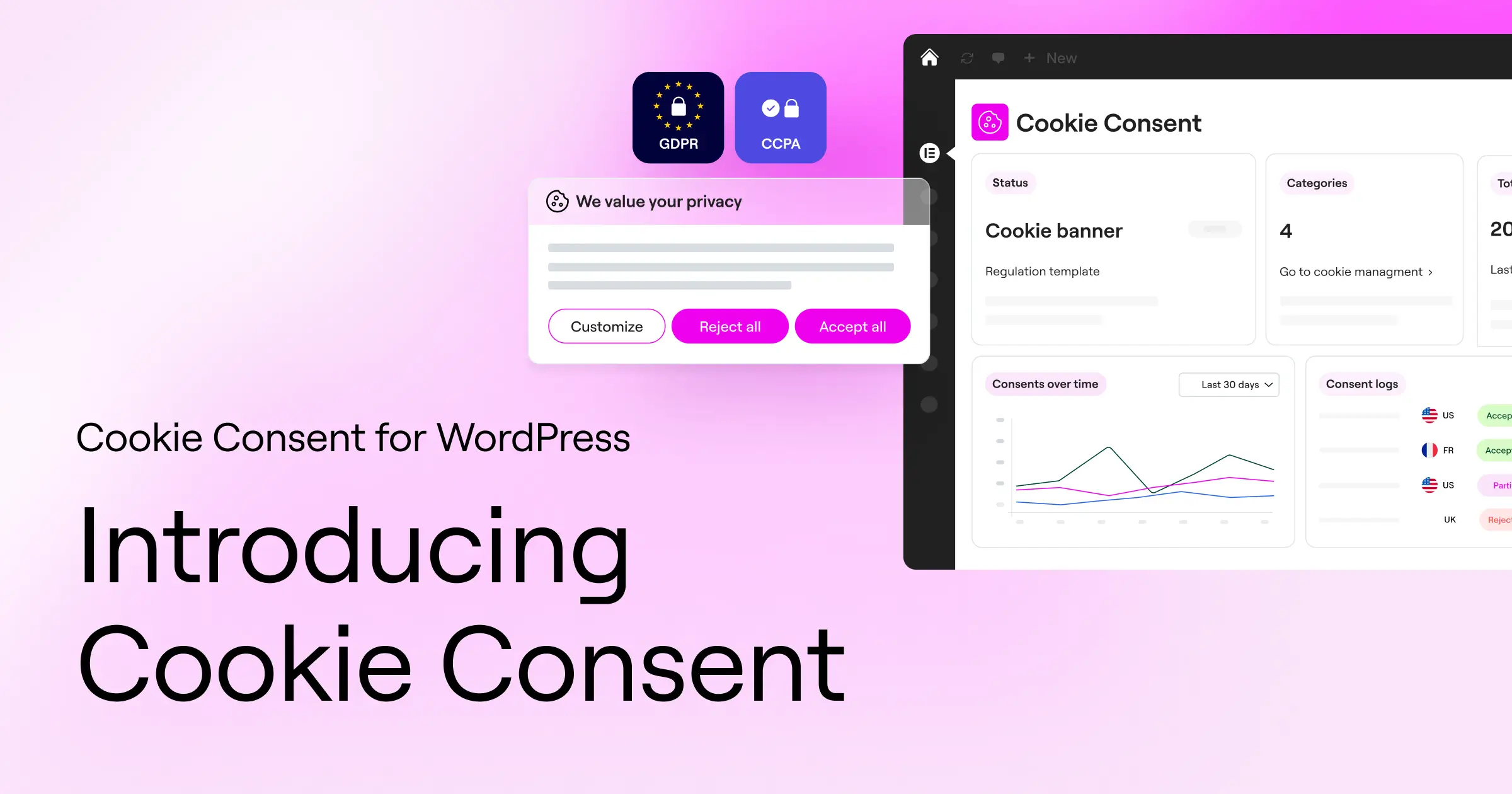
To stay compliant, both choices need to be equally easy to see and click, with matching font sizes, similar button styles, and balanced contrast. (This trips people up, since they worry opt-in rates will drop, but honest design builds longer-term trust.) Clear, unbiased choices show your audience you respect their privacy, worth more than a short-term bump in consent rates.
2. Avoid Disruptive Cumulative Layout Shift
Few things are as annoying as reaching for a link only to have a cookie banner pop in at the last second and shove the page down. This is Cumulative Layout Shift (CLS), and it hurts your user experience while damaging your search rankings.
To prevent it, design your banner to overlay content rather than push it. Fixed or absolute positioning keeps the page stable underneath. Reserving a dedicated slot for bottom-anchored banners, or using a container skeleton, works well too, so the rest of the page loads without sudden jumps.
3. Use Native Capabilities to Prevent Script Lag
Relying on third-party cloud scripts to render your cookie banner often adds real weight to your page load times. Every external script your site calls can block your main content from loading, and visitors notice the slowdown right away.
The best practice is a dashboard-native solution on your own platform. With Elementor, for example, everything runs from your own database. Choosing a native cookie consent capability keeps your site fast and your brand styling unified, without leaning on slow external networks.
4. Embrace Compact and Non-Intrusive Layouts
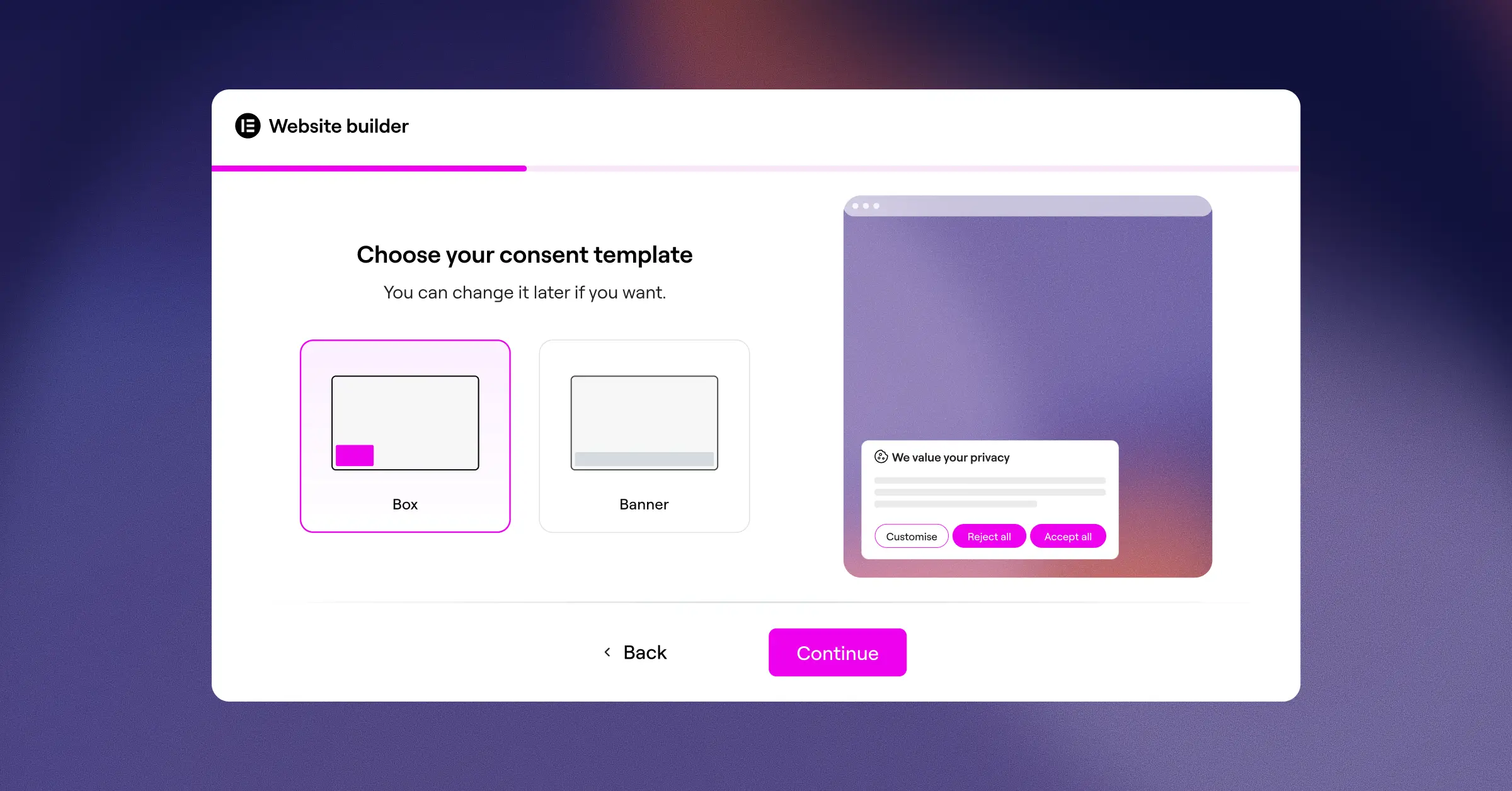
Full-screen cookie walls are rarely necessary unless you’re under specific legal constraints. Instead, go with clean, compact layouts that sit at the bottom or side of the viewport.
A small floating bar or a subtle corner card gives visitors room to use your site while clearly showing their privacy choices. Your hero images and headlines can do their job without being buried under a compliance block, which makes for a friendlier first impression.
5. Implement Smart Geo-Targeting
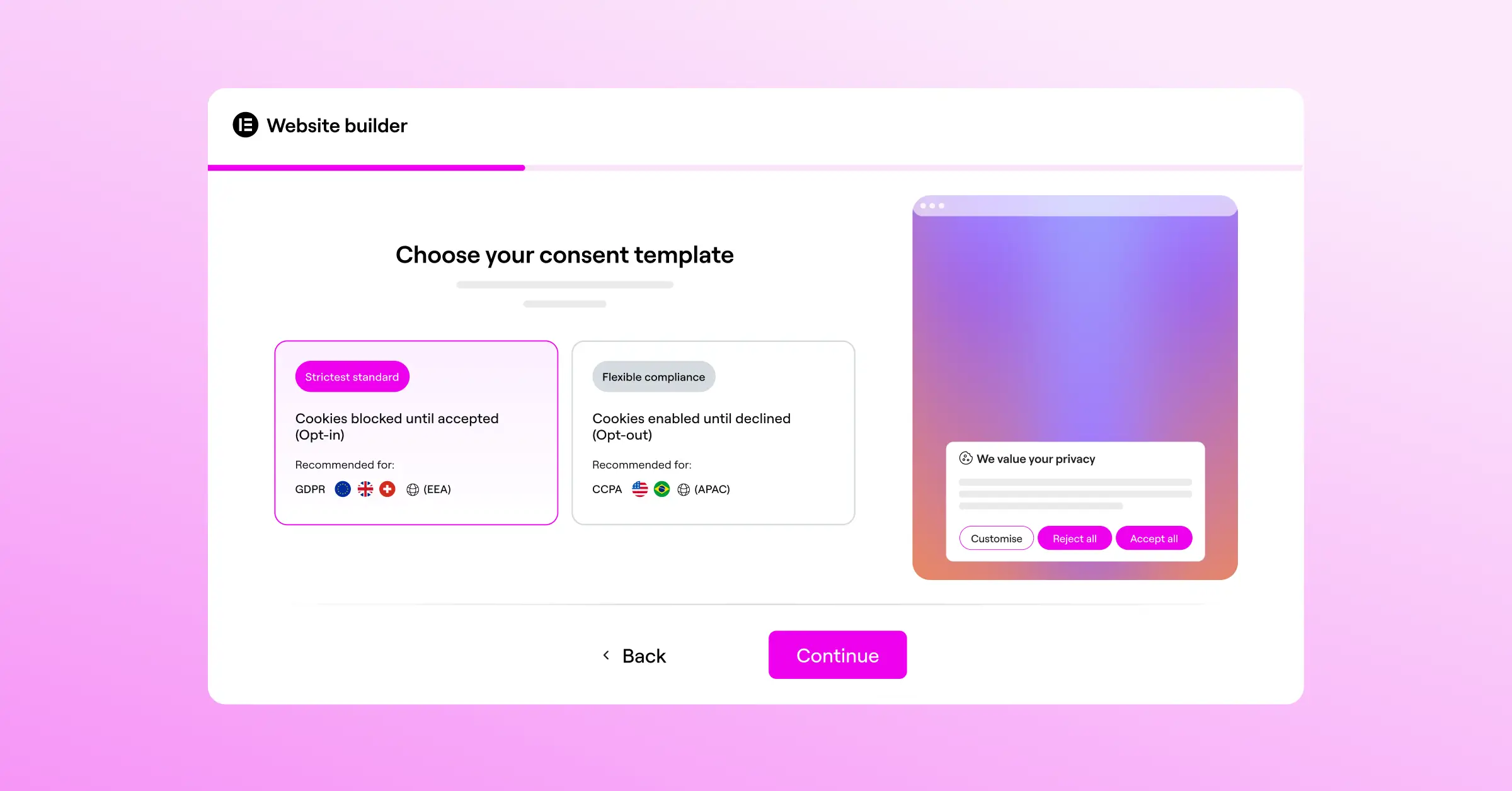
Not every visitor needs to see a cookie consent banner. If most of your traffic comes from regions with no active consent requirements, showing everyone a popup just creates friction with no legal upside.
Geographic targeting lets you show consent banners only to visitors from areas with active regulations, like the European Union, the United Kingdom, or California. Everyone else gets a clean, uninterrupted site and the fastest path to your content. It’s a simple idea, but it makes a real difference to most of your audience.
6. Offer Clear and Granular Consent Toggles
Visitors want to feel in control of their own information. Instead of an all-or-nothing choice, use organized toggles that let people set privacy preferences without feeling overwhelmed.
Group your cookies into clear, logical categories:
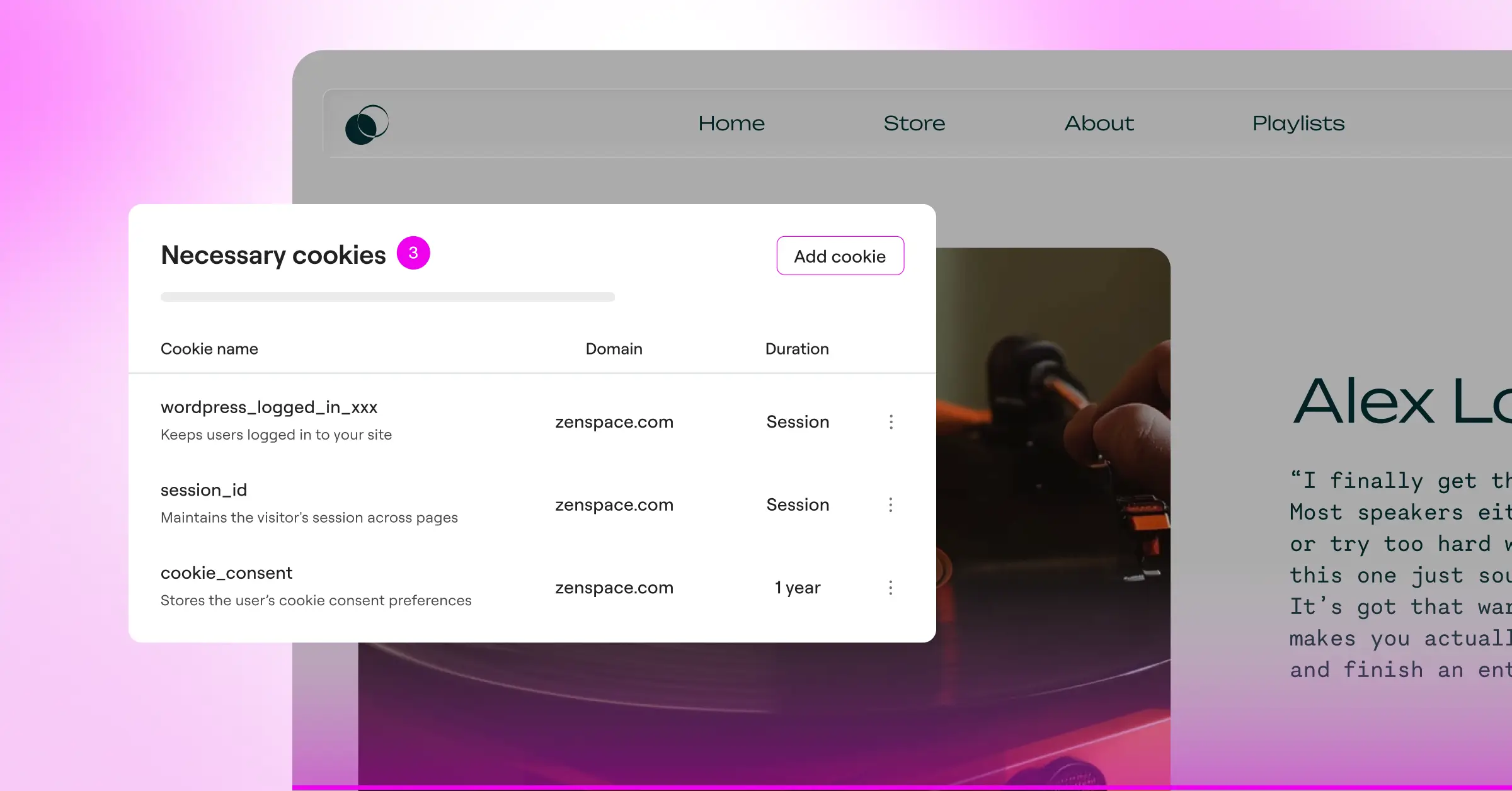
- Strictly Necessary – Essential files required to keep the site running smoothly.
- Preference and Functional – Cookies that remember choices like language settings.
- Analytical and Performance – Trackers that help you understand how visitors use your pages.
- Marketing and Targeting – Files used to deliver relevant ads.
This kind of clarity lets your audience make informed choices, and it shows regulators you’ve put real thought into consent instead of bolting on a banner to tick a box.
7. Design for Full WCAG Accessibility
Your privacy consent options need to be accessible to every visitor, including people using assistive technologies. (It’s simpler than it sounds if you plan it in from the start.)
Make sure your design has strong color contrast that meets WCAG guidelines, supports logical keyboard tab navigation so people can manage the banner without a mouse, and includes clear ARIA labels for screen readers. An accessible banner isn’t just about avoiding legal headaches; it’s about making sure your site welcomes everyone.
8. Write Simple and Friendly Copy
Dense legalese and confusing double negatives have no place in a modern interface. Explain your data practices in plain, conversational language visitors can follow.
Tell people why you’re using cookies, how it improves their experience, and reassure them their choices won’t break anything. When you talk to visitors like a helpful friend rather than a legal document, compliance feels like part of the conversation instead of an obstacle.
9. Support Browser Privacy Signals Automatically
Many privacy-conscious visitors use browser-level settings like Global Privacy Control (GPC) to state their preferences automatically. Your site should recognize these signals without requiring visitors to click anything on your banner.
When your cookie tool detects a GPC signal, it should immediately opt the visitor out of non-essential tracking and update its visual state to confirm their preferences were respected. This kind of friction-free privacy respects your audience’s time and makes a good impression on tech-savvy visitors.
10. Maintain Secure and Local Consent Logs
To satisfy privacy regulations, you need reliable records of when and how visitors gave consent. But sending that data off to external cloud servers brings its own privacy and performance risks.
Storing consent logs directly in your own secure database keeps everything organized, audit-ready, and under your control. If a privacy authority ever comes asking, you can pull those records instantly without worrying about third-party outages. It’s one of those decisions that feels minor right up until the moment you need it.
“Designing for consent is no longer about checking a compliance box; it’s an extension of your user experience. Clean, transparent, and native designs respect your user’s time and choice, which ultimately strengthens brand loyalty.”– Itamar Haim, Web Compliance Specialist
Top Tools to Build Beautiful and Compliant Cookie Banners
Knowing the best practices is one thing. Having the right technology to put them into action is another. Here’s a look at the best compliance capabilities and tools available today, starting with the strongest WordPress option.
1. Cookie Consent (by Elementor)
For WordPress site owners, the native Cookie Consent capability built by Elementor is a strong choice. It works inside your WordPress dashboard, so you never log into a separate platform to manage privacy settings. You can set up consent banners, scan active cookies, manage tracking scripts, and view consent logs from one place.
- Builds banners through a 3-step visual setup under five minutes.
- Tracks consent logs locally in your own database for full compliance control.
- Customizes fonts, button colors, and container shape to match your brand.
- Supports Google Consent Mode v2 and Global Privacy Control out of the box.
- Scans your site automatically to categorize tracking scripts, no complex API setup needed.
Pros:
- Completely native to WordPress, no external dashboard slowdowns.
- Strong design customization matching your theme with no extra work.
- Lightweight script footprint that protects Core Web Vitals.
Cons:
- Best suited for sites built on WordPress and the Elementor ecosystem.
Verdict: The best choice for WordPress site owners who want speed, design flexibility, and native dashboard control without slow external cloud tools. It’s included in Elementor One and available in a free tier.
2. Cookiebot
Cookiebot is a widely used, cloud-based consent management tool. It relies on automated cloud scanning to find cookies and trackers, grouping them into four standard compliance categories. You manage banner designs and settings from an external web portal.
- Deploys cookie banners across multiple sites from one cloud dashboard.
- Generates monthly audit reports sent automatically to your compliance team.
- Detects third-party trackers using a regularly updated cloud database.
- Blocks tracking scripts until the visitor gives explicit opt-in consent.
Pros:
- Reliable cloud infrastructure that handles complex script blocking.
- Solid automated reporting and documentation.
Cons:
- Requires logging into an external cloud dashboard to adjust your designs.
Verdict: A solid option for multi-platform businesses that want automated cloud scanning and a recurring subscription fee.
3. CookieYes
CookieYes is built for quick setup. It offers a clean dashboard for customizing layouts, toggle switches, and compliance templates, and works with almost any CMS through a small script in your site header.
- Displays clear preference toggles that make granular consent straightforward.
- Saves local user settings without performance lag.
- Translates banner text into dozens of languages based on browser settings.
- Adapts your privacy layouts as regional rules change.
Pros:
- Simple, approachable interface.
- Supports a wide range of web platforms.
Cons:
- Entry-level plan design customization is somewhat limited.
- Requires embedding external scripts into your site.
Verdict: A good fit for smaller, informational sites wanting an easy, low-fuss way to add basic compliance toggles.
4. Complianz
Complianz is a WordPress privacy tool that walks you through a legal wizard to set up your cookie banners, taking a legal-first approach that generates documents based on your business practices.
- Identifies visitor locations dynamically to show localized banner designs.
- Adjusts legal terms automatically to match international privacy regulations.
- Generates legally reviewed cookie policy pages directly in WordPress.
- Integrates with popular tag managers for conditional script management.
Pros:
- Excellent legal wizard that walks you through complex compliance steps.
- Strong geographical targeting features.
Cons:
- The interface can feel complicated for beginners.
- Requires ongoing database updates to keep legal parameters current.
Verdict: A solid choice for businesses in regulated areas that want wizard-guided legal templates.
5. iubenda
iubenda is a compliance suite covering privacy policies, terms of service, and cookie consent in one place, built as a full compliance package for growing businesses and agencies.
- Links your consent banner to self-updating privacy policies on their servers.
- Monitors international laws to push automatic updates to your legal terms.
- Exports consent preferences to secure, cloud-based audit logs.
- Arranges metadata for clean search engine indexing.
Pros:
- A genuine all-in-one compliance solution that goes beyond simple cookie banners.
- Legally strong policies written by actual compliance experts.
Cons:
- More complex to configure than simpler alternatives.
- Takes longer to set up because of the detailed legal questions involved.
Verdict: Great for agencies and SaaS platforms managing complex legal documentation alongside cookie banners.
6. OneTrust
OneTrust is a large, enterprise-level privacy platform for corporations that need deep compliance governance across major web properties.
- Manages global consent records across websites, mobile apps, and connected devices.
- Centralizes audit logs in a secure corporate compliance dashboard.
- Minimizes legal risks with enterprise-grade vulnerability scanning.
- Triggers conditional workflows based on customer preferences.
Pros:
- Enterprise-grade security, data mapping, and compliance tools.
- Scales well for companies managing hundreds of international domains.
Cons:
- Setup is complex and typically requires dedicated compliance teams.
- Far too heavy and expensive for small to medium-sized websites.
Verdict: The industry standard for enterprise corporations, but excessive for everyday website owners who just need a fast, well-designed banner.
Cookie Consent Tools Comparison
| Tool | Dashboard Native? | GCM v2 Support? | Design Flexibility | Best For |
|---|---|---|---|---|
| Cookie Consent (Elementor) | Yes (WordPress) | Yes | High (Full visual control) | WordPress & Elementor site owners wanting fast, local control |
| Cookiebot | No (External Cloud) | Yes | Medium | Multi-platform sites wanting hands-off monthly scanning |
| CookieYes | No (External Cloud) | Yes | Medium | Simple websites needing rapid multi-platform integration |
| Complianz | Yes (WordPress) | Yes | Medium | WordPress sites needing wizard-guided legal generation |
| iubenda | No (External Cloud) | Yes | Medium | Startups requiring complete legal policy documentation |
| OneTrust | No (External Cloud) | Yes | High | Global enterprises with massive data governance needs |
Frequently Asked Questions
Do I really need a cookie banner on my website?
If your site gets visitors from regions with strict privacy regulations, like the European Union (GDPR), the United Kingdom (UK GDPR), or California (CCPA), you’re legally required to show a cookie banner when you use tracking scripts, including tools you might already run, like Google Analytics, tracking pixels, or social share buttons.
What happens if I use a dark pattern in my banner design?
Using dark patterns, like making “Reject All” tiny or hard to find, breaks modern privacy regulations. Regulators have started issuing fines to sites that make it harder to opt out of tracking than to opt in.
How does cookie consent affect my Core Web Vitals?
Using an external cloud script to load your banner can delay your page load and hurt your performance metrics. A native tool like Elementor’s Cookie Consent capability runs everything from your server, keeping load times fast and protecting your search rankings.
Is Google Consent Mode v2 required?
Yes. If you use Google services like Google Ads or Google Analytics and serve visitors in the European Economic Area (EEA), supporting Google Consent Mode v2 is required, so your tracking tags adapt automatically to what each visitor has consented to.
Can I customize the look of my cookie banner to match my site styling?
Absolutely. Modern tools, especially native capabilities like Elementor’s Cookie Consent, let you control colors, typography, border radius, and placement, so your banner looks like a natural extension of your site instead of an afterthought.
Do I need to store user consent logs locally?
You need logs to prove compliance if a regulatory authority ever audits your site. Storing them inside your WordPress database keeps your data secure and audit-ready without relying on external third-party services.
What is Global Privacy Control?
Global Privacy Control (GPC) is a browser-level setting that lets users declare their privacy preferences once. Compliant cookie tools detect this signal automatically and respect the user’s choices without any banner interaction.
How long does it take to set up a compliant banner?
Using a native dashboard tool like Elementor’s Cookie Consent capability, setup takes under five minutes. The built-in scanner handles the heavy lifting, so you can design, test, and publish without touching any code.

