Getting your website ready for the privacy laws of 2026 can feel like a mountain to climb, but it’s simpler than it sounds. Global privacy rules keep tightening, and keeping visitor data safe isn’t just about dodging fines. It’s about earning real trust. If you run a WordPress site, you can handle most of this without losing your mind or blowing your budget. Here’s the checklist to keep your site compliant, fast, and welcoming.
Key Takeaways
- Audit data pathways first. Map where user data travels before setting up any compliance tools.
- Lean on native tools. Consent management inside WordPress avoids database clutter and heavy external scripts.
- Turn on Google Consent Mode v2. It’s a must for any site running Google Analytics or Google Ads in 2026.
- Make control easy. Consent should be simple to give, genuinely granular, and just as easy to take back.
Understanding GDPR Compliance in 2026
The privacy landscape has shifted a lot lately. Regulators aren’t just watching massive corporations anymore. They’re reviewing mid-sized businesses, online shops, and independent blogs, since the move away from third-party tracking means every site needs to be transparent about first-party data. If you get visitors from the EU, the UK, or US states with similar laws, privacy compliance is part of your day-to-day.
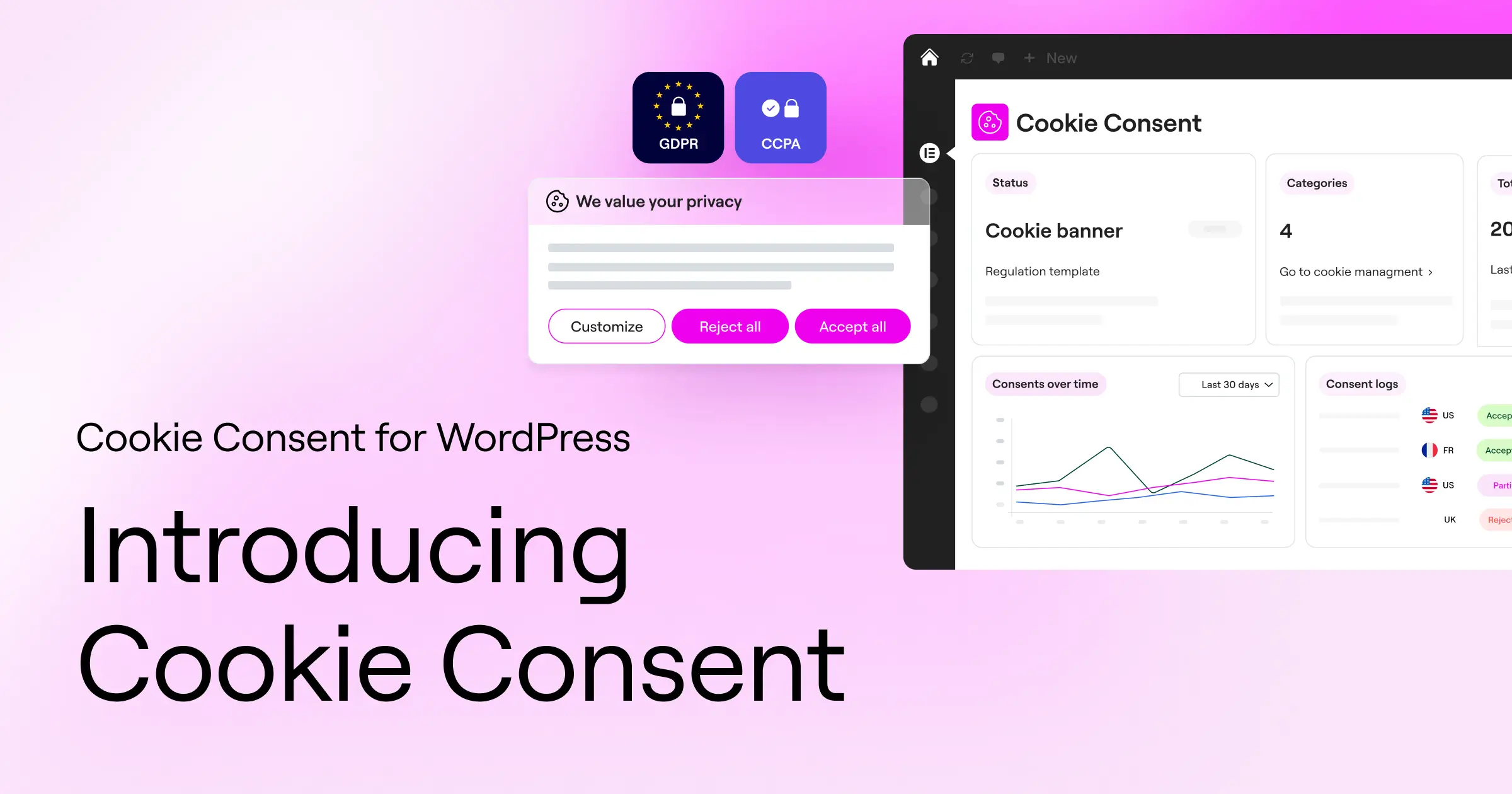
The good news? You don’t need thousands of lines of code for this. If you build your site with Elementor, you can use the built-in Cookie Consent capability, running natively inside your WordPress dashboard (no developer required). No clunky external software, no messy integrations. Run cookie scans, style your banners, and keep compliance records right where your site already lives.
Sticking with native tools protects your site speed too. External scripts can slow page load times, hurting both user experience and rankings. Keep your setup local, and your site stays fast while user data gets respected and documented properly.
1. Conduct a Thorough Data Inventory and Mapping Audit
Before you can protect user data, you need to know where it enters your site, where it’s stored, and who can access it. Plenty of site owners install a banner without realizing their forms, analytics, and chat widgets are quietly sharing data. A proper audit catches those leaks before they become real problems.
Your audit should cover every point of user interaction: checkout funnels, signup forms, comments, and tracking pixels. Write down every tool that collects personal identifiers like IP addresses, names, or emails.
- Scans background scripts for hidden tracking APIs.
- Lists data destinations, showing whether data stays local or heads to third-party databases.
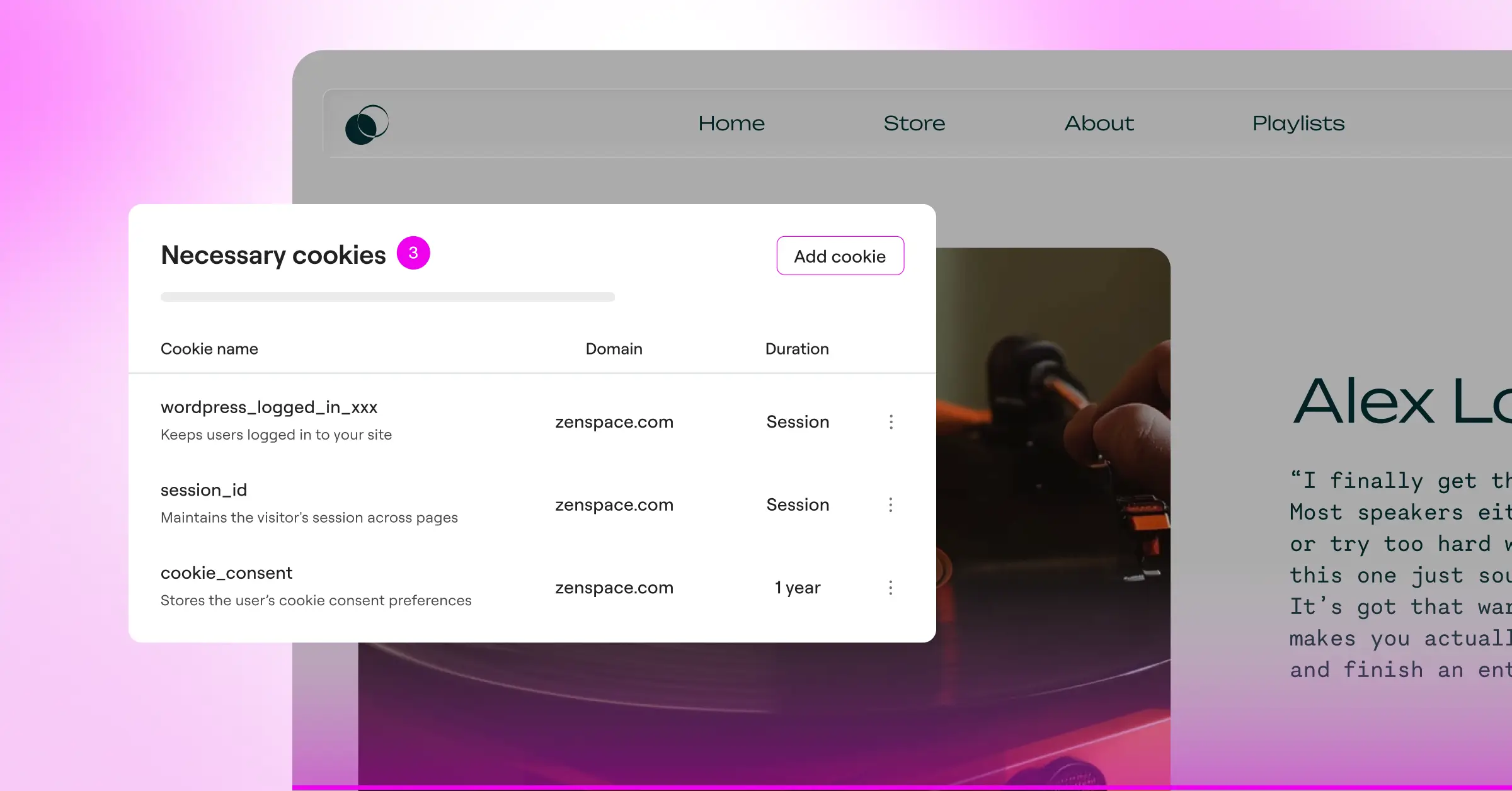
- Identifies cookie types, separating necessary cookies from marketing trackers.
- Checks storage timelines to confirm how long your server holds onto user data.
- Reviews media uploads so users don’t accidentally share images with EXIF location data.
- Maps payment processors to see how billing details are handled at checkout.
Once you’ve mapped these pathways, you can set your consent rules accurately. Knowing what you actually collect means you only ask for the consent you truly need.
2. Implement an Active, Prior-Consent Cookie Banner
One of the most common mistakes is using a banner that just announces cookies are in use. Under GDPR, that’s not enough. You need active, explicit consent before any non-essential cookie runs, so trackers stay blocked until the user clicks accept.
This is exactly where a dedicated cookie consent tool helps. Instead of manual code blocks, an automated native tool handles the queuing for you. You can match the banner to your brand so it feels natural, not intrusive (and it’s usually simpler to set up than people expect).
- Install a native consent capability so you don’t slow frontend loading.
- Set all analytical and marketing scripts to blocked by default.
- Show clear Accept and Reject buttons of equal weight.
- Link your policy page directly inside the notice.
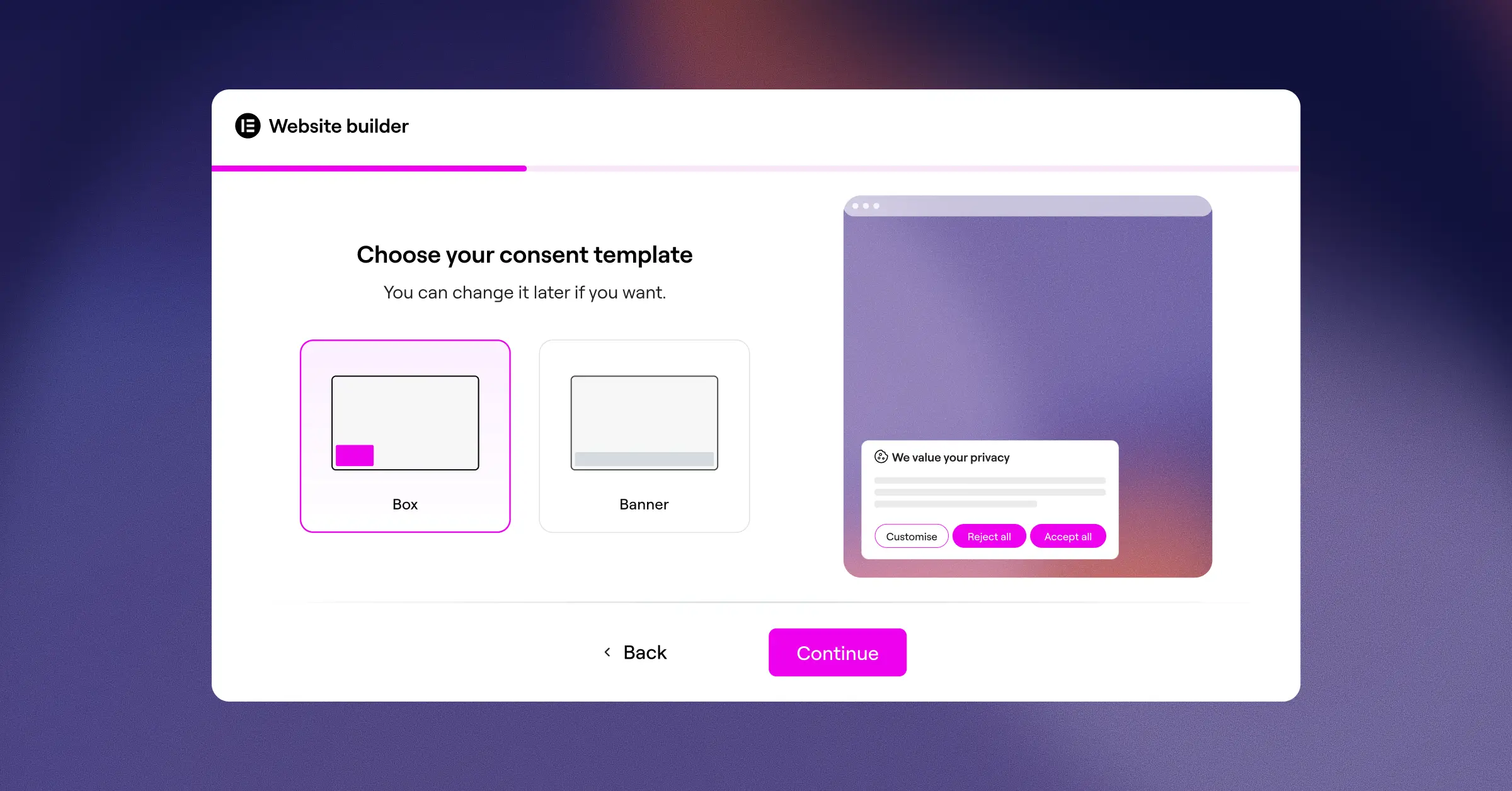
Giving visitors a fair choice builds credibility from the start. A clean banner design shows you respect their space.
“Compliance in 2026 is no longer about checking a box on a legal list. It’s about creating a transparent user experience where visitors feel in complete control of their personal information from their very first click.”
– Itamar Haim, Web Compliance Specialist
3. Provide a Granular Consent Selection Menu
Consent shouldn’t be all-or-nothing. A visitor might want your site to remember their language but block advertising trackers completely. Your site needs granular options, so users can opt into specific categories while rejecting others.
These categories usually include necessary, functional, analytical, and marketing cookies. Explain what each one does in plain language, no confusing legal jargon.
- Categorizes tracking scripts, separating core tools from promotional retargeting networks.
- Saves user choices to remember settings without repeated prompts.
- Displays toggle switches with clear controls so consent stays active.
- Explains script purposes briefly for each consent group.
- Prevents pre-checked boxes by keeping optional categories off by default.
- Integrates with tag managers to deploy tags only after approval.
Offering this level of control respects your visitors. Plenty of people will happily opt into analytics once they see you’re also giving them the freedom to block intrusive tracking.
4. Support Google Consent Mode v2 for Marketing and Analytics
If you use Google Analytics, Google Ads, or Google Tag Manager, supporting Google Consent Mode v2 is essential for traffic from the European Economic Area. This framework lets your Google tags adjust behavior based on each visitor’s consent. If someone rejects cookies, Google’s tools run in a restricted, cookieless state, so you can still model conversions without breaking privacy laws.
Setting this up manually gets technical fast. A certified cookie consent capability handles it for you, communicating each visitor’s preferences straight to Google’s tag engine so you stay compliant while keeping your marketing data intact.
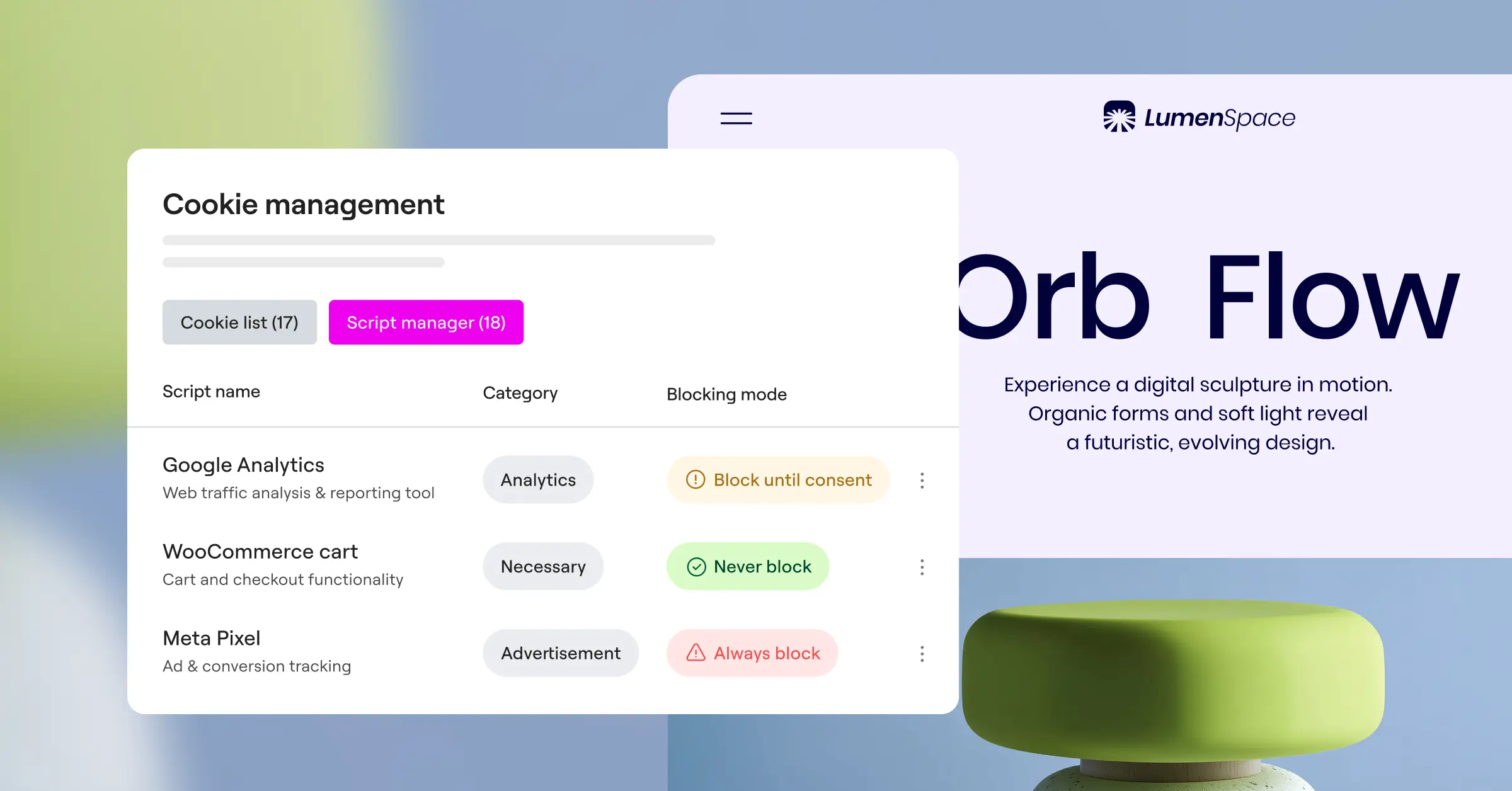
Getting these signals right early also keeps your ad accounts healthy. Google has been restricting ad features for accounts that don’t send verified consent signals, so it’s worth sorting out early.
5. Establish a Simple, Anytime-Consent Withdrawal Process
Under GDPR, withdrawing consent has to be just as easy as giving it. If a user accepts cookies, they need to be able to change their mind and opt out just as fast. You can’t bury the opt-out deep in a footer menu or make people clear their browser cache.
Best practice is a small, persistent privacy badge in a corner of every page. Clicking it reopens the consent window right away, so visitors can adjust their preferences on the spot.
- Place a small, non-intrusive settings button in the bottom corner of your layout.
- Keep the button visible on both desktop and mobile.
- Bring up the preference panel immediately when clicked, with no page reloads.
- Update the user’s tracking status in real time when they save new preferences.
This small choice cuts down complaints and bounce rates. When visitors can change their settings any time, they engage more comfortably with your content.
6. Maintain Complete, Secure Consent Logs
If a regulator ever audits your site, you need to prove visitors gave active consent before their data was processed. That means an organized, timestamped log of consent actions. Guesswork doesn’t hold up during a review.
These logs don’t need personal visitor details (that would defeat the purpose). Instead, store anonymous identifiers, the timestamp of the action, the categories accepted, and the banner version active at the time.
- Stores anonymized user IDs, linking records to unique, non-identifying keys.
- Logs precise timestamps for each user’s saved settings.
- Saves consent state to record which categories were approved or denied.
- Keeps database records local, avoiding exports to third-party clouds.
- Supports CSV exports for easy retrieval during audit reviews.
- Automates log cleanup to clear outdated logs and save storage.
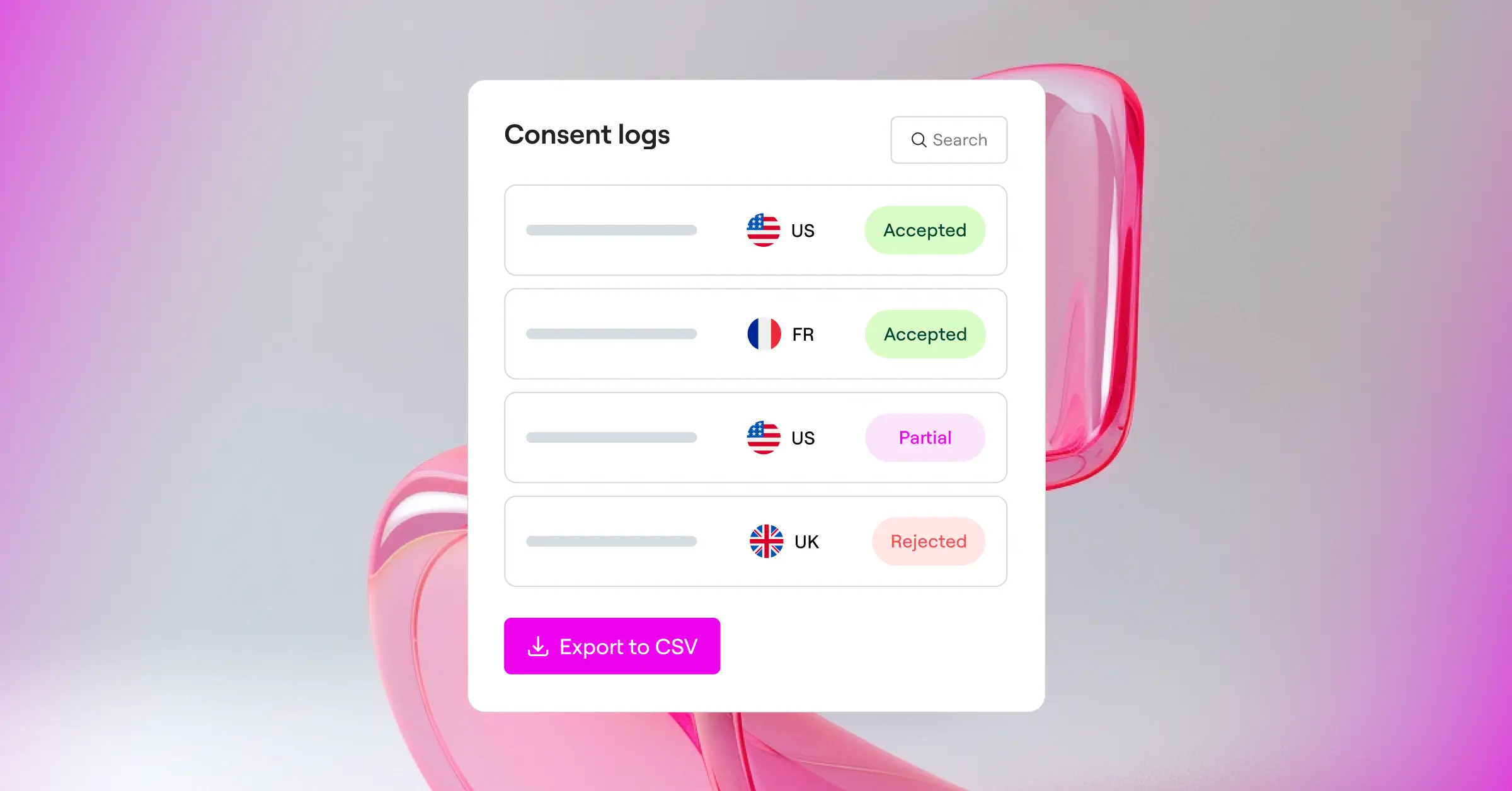
Having these records on hand gives you real peace of mind. A potential legal issue becomes a simple demonstration of good data management.
7. Use Geo-Targeting to Optimize the Visitor Experience
Not everyone visiting your site is in a region with strict GDPR rules. Showing a big banner to a visitor who doesn’t need it just adds friction. With geo-targeting, you can show your banner only to visitors from countries where the rules apply.
This keeps your site clean for global traffic. Visitors from regulated regions get the protection they need, while everyone else gets a faster experience.
| Feature Capability | Dashboard-Native Tools | External Consent Suites | Manual Custom Code |
|---|---|---|---|
| Dashboard Integration | Managed directly within WordPress | Requires external platform logins | Requires direct file editing |
| Performance Impact | Minimal, uses local resource loading | Variable, relies on external script servers | Low, but highly prone to script errors |
| Google Consent Mode v2 | Supported natively out of the box | Supported via custom API integrations | Requires manual developer configuration |
| Geo-Targeting Features | Available natively or via extensions | Available on expensive premium tiers | Extremely difficult to build and maintain |
| Consent Log Access | Stored safely in your local database | Stored on third-party cloud servers | Requires custom database engineering |
Choosing a tool with built-in geo-targeting lets you handle this without extra localization tools. It’s a clean way to balance convenience with legal compliance, and it’s one reason Elementor’s Cookie Consent capability works well for site owners who want everything in one place.
8. Update Your Privacy and Cookie Policy Documents
Your privacy policy shouldn’t be a generic template copied from another site. It needs to reflect your actual data practices, written in plain language anyone can understand.
Make sure it’s linked on your cookie banner, main navigation, and checkout pages. If you change your business model or tracking tools, update your policy right away.
- Use an integrated policy generator to build a starting framework for your business.
- Detail every third-party service you share data with, including payment and email platforms.
- State how long you retain data and where those servers are located.
- Provide clear instructions for requesting access to or deletion of personal details.
Taking the time to draft a clear, custom policy shows your brand is trustworthy. It sets you apart from sites full of generic, unreadable legalese.
9. Configure Global Privacy Control Support
Global Privacy Control (GPC) is a browser setting letting users set privacy preferences once, across the internet. When a visitor with GPC enabled lands on your site, their browser sends a signal that they don’t want their data sold or shared. Under several privacy laws, your site has to honor that signal automatically.
Adding GPC support means your site is ready for browser-level privacy controls. It removes the need for visitors to interact with your banner manually, while staying fully compliant.
- Detects GPC signals from incoming browser request headers automatically.
- Applies privacy preferences, opting users out of non-essential tracking right away.
- Reduces banner fatigue by skipping prompts for users who’ve set global choices.
- Maintains CCPA compliance under California and other US state laws.
- Works quietly in the background without affecting your layout.
- Saves user settings to honor the choice across every visit.
Supporting GPC shows your site is ready for where browser privacy standards are heading. It’s a simple setting to turn on. Read more about how Elementor approaches GDPR compliance for WordPress.
10. Audit Contact Forms, Comments, and User Registrations
Consent isn’t only about tracking cookies. Any spot where a user enters text or uploads files also needs to meet data protection rules. Opt-ins, checkout pages, contact forms, and comments all need active consent before you process anything.
The simplest fix is an unchecked checkbox on your forms. The text next to it should explain exactly what happens to the data, whether that’s a newsletter signup or a support reply.
- Add clear, mandatory consent checkboxes to all public-facing forms.
- Keep the boxes unchecked by default so users actively click them.
- Include a direct link to your privacy policy next to the submit button.
- Configure your database to record submission details along with the consent confirmation.
Securing your input fields closes one of the most common gaps where data can slip through. It keeps your database organized and much easier to manage when someone submits a deletion request.
Setting Up Your Compliance Workflow Today
Managing GDPR compliance doesn’t have to feel overwhelming. Break your setup into clear steps, and you can secure your site, protect your page speeds, and build real trust with your audience. With the site-building tools from Elementor, you can handle pages, designs, and cookie consent rules from one clean workspace.
Start by auditing your current scripts, turn on a compliant native banner, and make sure visitors have genuine control over their digital footprint. Then focus on what you do best: creating great content and growing your business with confidence (you’ve got this).
Frequently Asked Questions
What’s the difference between GDPR and CCPA compliance?
GDPR is a European regulation requiring explicit opt-in consent before tracking or collecting personal data from EU citizens. CCPA is a California law letting users opt out of the sale of their information. A good consent tool can handle both with banners targeted to the visitor’s location.
Do small blogs or portfolio sites really need to follow GDPR rules?
Yes. Any site getting EU visitors has to comply with GDPR, no matter where the business is based or how small the site is. Standard analytics or contact forms already collect identifiers like IP addresses and emails, so compliance applies to you too.
What happens if my site doesn’t support Google Consent Mode v2?
If you serve EU visitors without valid consent signals to Google, you’ll lose the ability to track conversions, build retargeting audiences, and run personalized ads. Your Analytics data also gets less accurate, since Google can’t model the tracking gaps.
Can I use a free tool to handle cookie consent?
Yes, plenty of compliance tools offer entry-level plans that work well for smaller sites and blogs. These usually include basic scanning, standard banners, and essential features, at no upfront cost.
Does a cookie banner slow down my website?
It can, if you’re using a heavy, cloud-based tool loading scripts from external servers. A native tool inside your WordPress dashboard keeps resource loading local, so page speeds stay high with no layout shifting.
How often should I scan my website for new cookies?
It’s good practice to scan at least once a month, or whenever you install a new extension, theme, or tracking pixel. New tools often add background scripts that set cookies without your knowledge, making banner categories inaccurate fast.
What should I do if a user requests deletion of their data?
Under the GDPR “Right to be Forgotten,” you must remove the user’s personal details from your databases, email lists, and contact records within 30 days. Clear data mapping from the start makes this much easier.