Running a website today means juggling a lot of moving parts. Between writing good content, keeping your design sharp, and watching your analytics, privacy compliance can feel like one more thing on an already long list. But if your site gets visitors from the European Union, the United Kingdom, or California, sorting out your cookies isn’t optional anymore. The good news: it’s easier than most people expect, and we’ll walk through it together.
Below, you’ll find exactly how to organize, tag, and manage the trackers on your site. Get your cookies sorted correctly, and you protect your business, build real trust with your readers, and keep your site running the way it should. Here are the best practices to get this done in 2026.
Key Takeaways
- Legal compliance: Sorting your cookies correctly is mandatory for GDPR, CCPA, and Google Consent Mode v2 compliance.
- User trust: Clear, honest categorization shows your visitors that you genuinely respect their personal data.
- Automated scanning: An automated tool saves hours of manual work and prevents human classification errors.
- Dashboard integration: Managing your consent tools directly inside your WordPress dashboard keeps your workflow simple and clean.
- Performance impact: Correctly categorized scripts make sure the essential parts of your site don’t break before users give consent.
Why Cookie Categorization Matters in 2026
The regulatory landscape has shifted fast. Privacy regulators have issued large fines to websites that bundle all trackers under a single “Accept All” button without giving visitors any real choice. Today, people expect to see exactly what they’re consenting to, and want the option to say yes to some trackers while blocking others.
When you classify your cookies, you’re grouping the small text files your site places on a visitor’s browser into distinct categories. This isn’t just about avoiding legal trouble, it’s also about performance. If your consent banner blocks all scripts by default, your embedded videos, chat widgets, or shopping carts might stop working. Classifying cookies accurately keeps your site functional while staying honest with your audience.
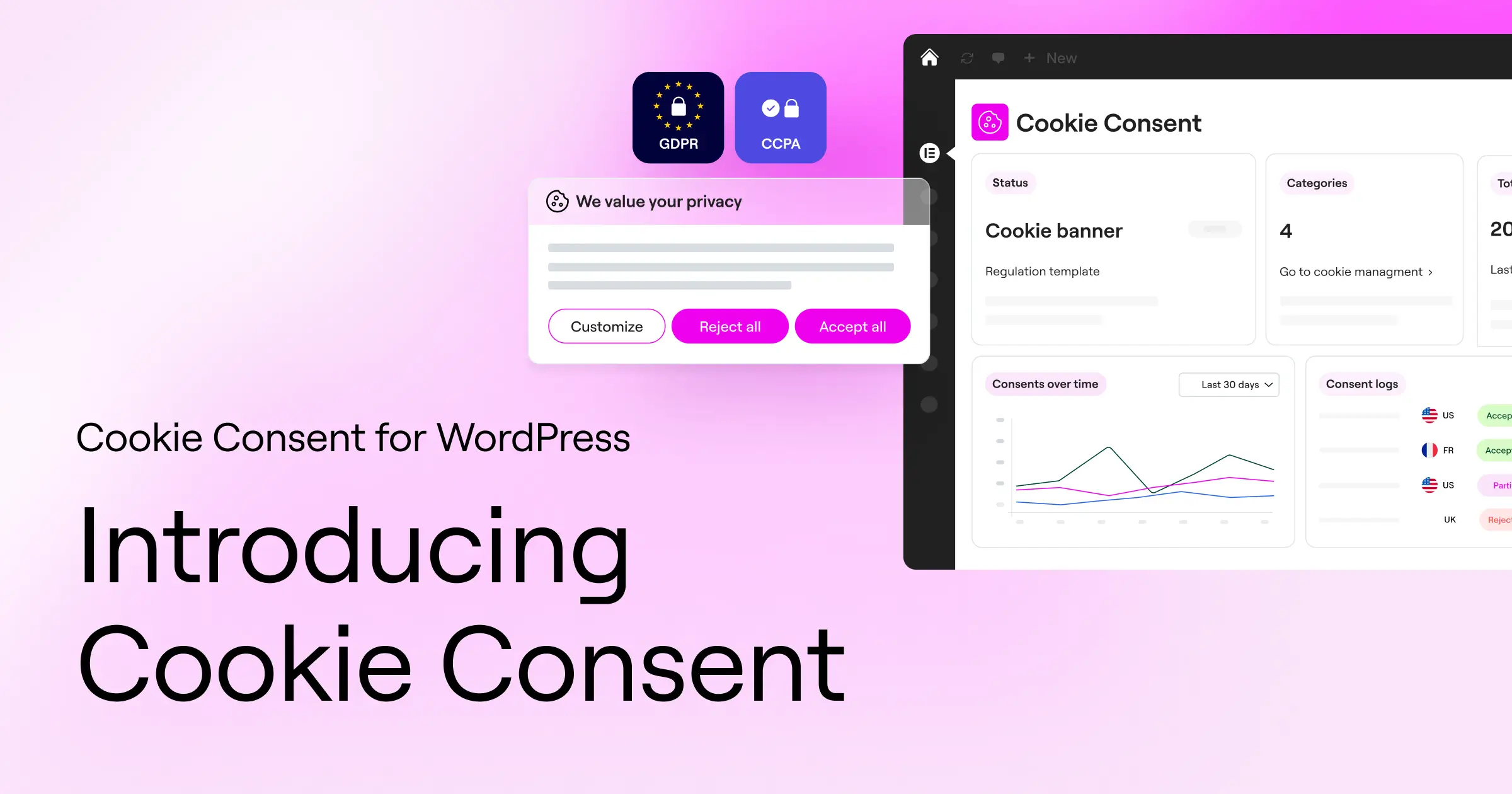
To make this as painless as possible, using a built-in WordPress capability like Cookie Consent is a smart move. Instead of jumping between different platforms, you can manage your banners, logs, and cookie categories right where you build your site. It keeps your workflow clean and puts you in full control.
The Core Cookie Categories Explained
Before jumping into the best practices, let’s look at the standard categories that global privacy laws recognize. When a visitor sees your cookie banner, they should understand what each group actually means for them.
1. Strictly Necessary Cookies
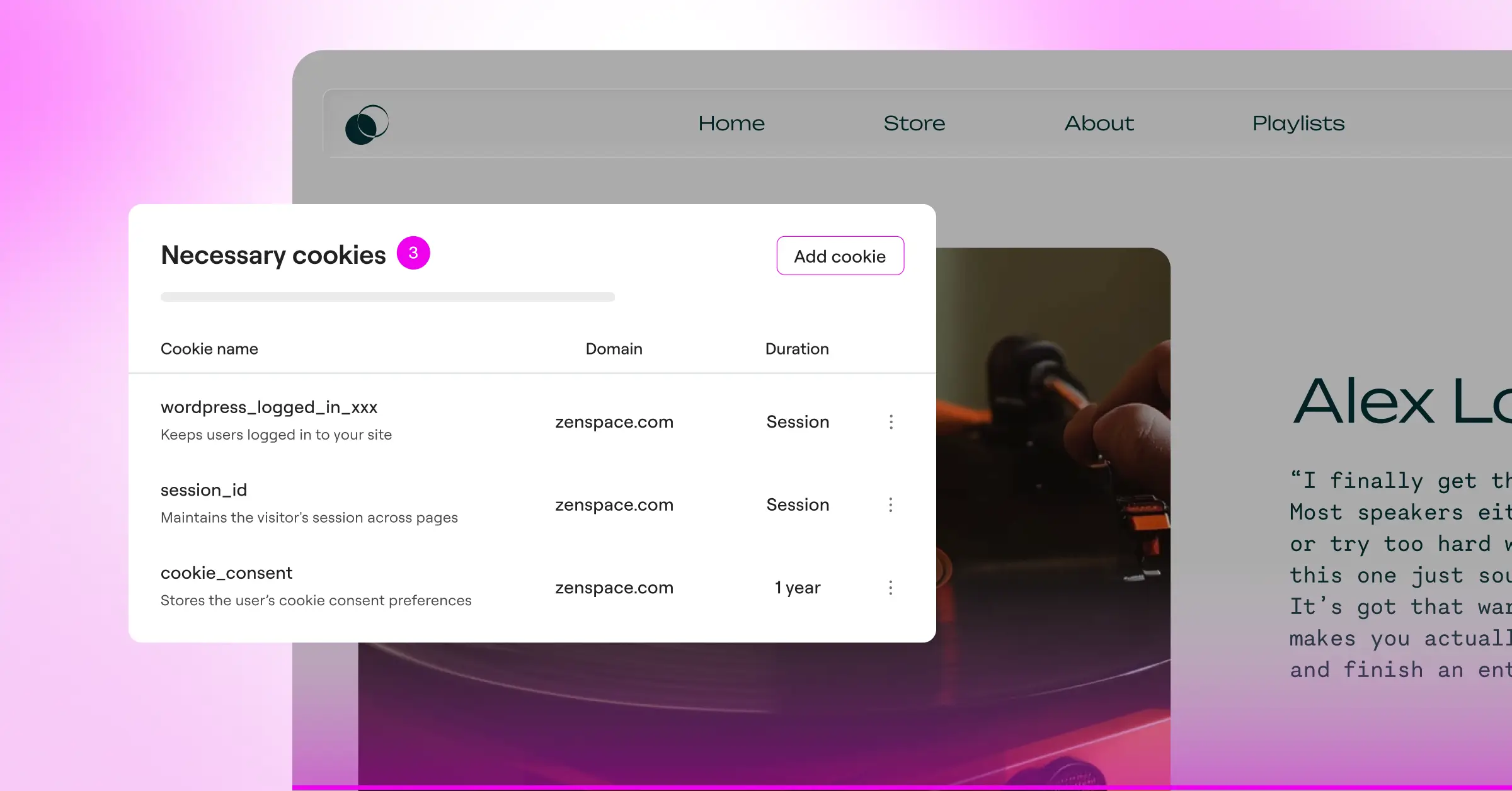
These trackers are essential for your website to function at all. Without them, logging in, adding items to a cart, or filling out forms would fail. You don’t need consent to use these (they’re required to run the site), but you do need to tell visitors they exist. Common examples include session identifiers, security cookies, and CSRF tokens.
2. Functional or Preference Cookies
These files let your site remember choices visitors made before, like their preferred language, browsing region, or a saved username for automatic login. They don’t track users across other websites, but they still require consent under the GDPR.
3. Performance or Analytical Cookies
These cookies gather information about how visitors use your site, like which pages they visit most or whether they hit error messages. The data is aggregated and anonymous, and it helps you see what’s working and what needs improvement. Google Analytics cookies are the most common example here.
4. Targeting or Marketing Cookies
These trackers deliver ads matched to visitors’ interests, limit how often someone sees the same ad, and measure campaign performance. They follow users across websites and build profiles of browsing habits. This category requires explicit, opt-in consent before any of those scripts can fire.
“An accurate cookie inventory is the foundation of any real compliance program. If you’re categorizing cookies manually or letting third-party scripts run before a user clicks ‘accept’, you’re open to serious regulatory risks.”
– Itamar Haim, Web Compliance Specialist
10 Best Practices for Categorizing Cookies on Your Website
Now that you know the basic categories, let’s look at the best ways to manage, organize, and execute on this for your WordPress site. These ten practices will keep you compliant and your site running smoothly all year long.
1. Run an Automated Scan to Discover Hidden Cookies
You can’t categorize what you don’t know is there. Your WordPress site picks up tools, analytics packages, and social embeds over time, and many drop trackers without your knowledge. That’s where an automated scan earns its keep.
The Cookie Consent capability in Elementor makes this step simple. It scans your site, identifies every active cookie, and suggests the right category for each one, no digging through developer tools to figure out which scripts are running in the background.
2. Never Group Marketing Scripts as “Necessary”
It’s tempting to label advertising or tracking cookies as “necessary” because your business depends on them for revenue. But regulators look closely at exactly this kind of classification. Only cookies strictly required for your site to load and work belong in the necessary bucket.
If a tracker gathers data for advertising profiles or follows behavior across other domains, it belongs in marketing, full stop. Being honest here protects your brand and builds the trust that keeps people coming back.
3. Master Google Consent Mode v2 Alignment
If you serve visitors in the European Economic Area and use Google Analytics or Google Ads, aligning with Google Consent Mode v2 is now required. This system communicates your users’ consent choices directly to Google’s tags, so everything stays in sync.
With Cookie Consent’s built-in support for Google Consent Mode v2, you don’t need to wire anything up manually. If a visitor rejects marketing cookies but accepts analytical ones, Google’s services adjust automatically, keeping your data collection both legal and respectful.
4. Set Up Geo-Targeting for Your Banners
Not every visitor needs to see the same privacy banner. A visitor from Germany falls under the strict opt-in rules of the GDPR, while a visitor from Texas might fall under different US state laws that favor an opt-out approach.
Geo-targeting lets you show the right banner based on where your visitor is browsing from. Your European visitors get the full consent experience their laws require, while visitors in more relaxed regions get a less intrusive one. It’s the kind of detail that shows you’ve thought this through.
5. Map Out Your Third-Party Scripts Carefully
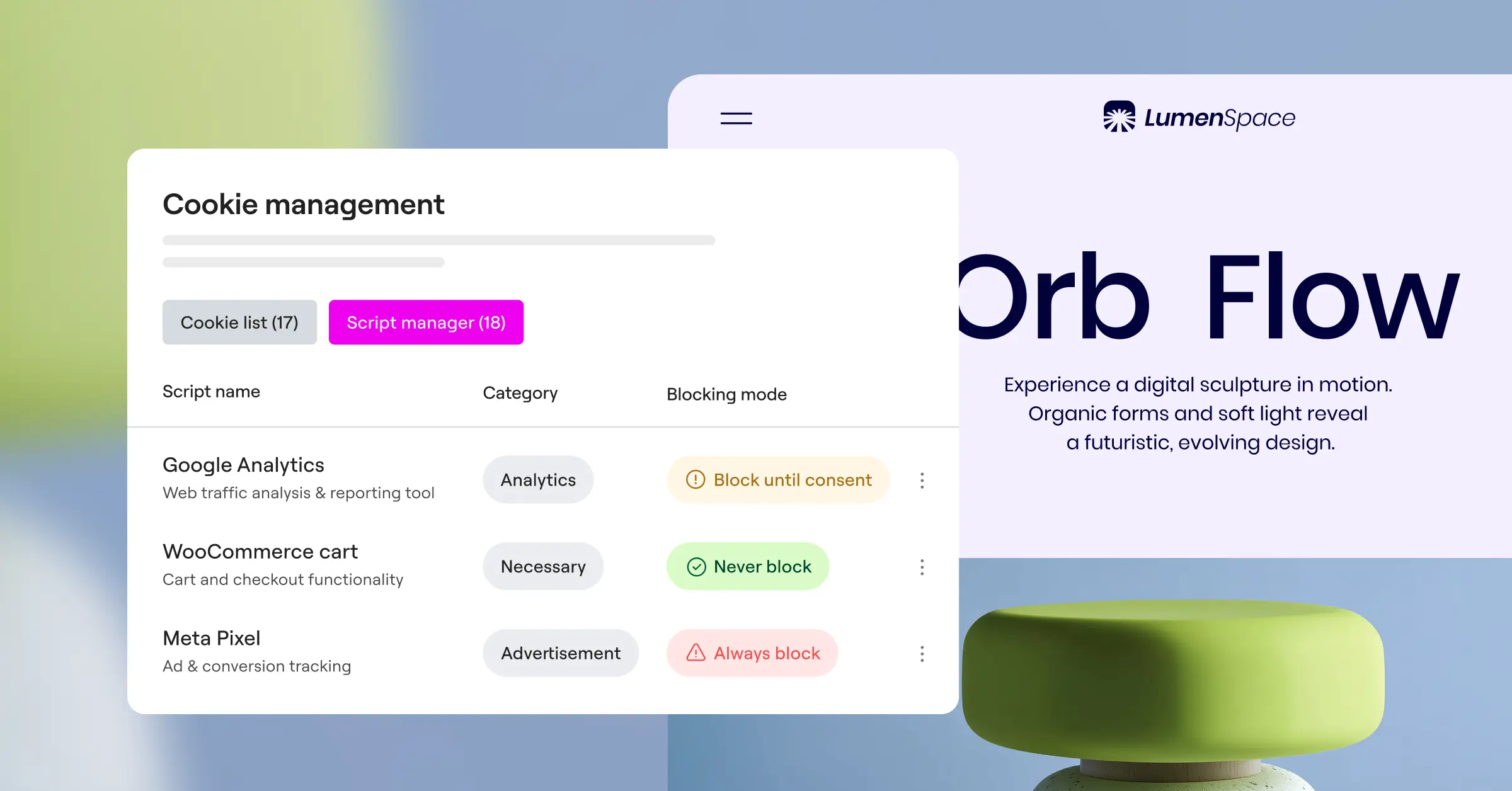
Tools like Facebook Pixels, YouTube embeds, and live chat widgets are known for dropping cookies the moment a page loads. Before you can categorize them, you need a clear picture of what’s actually running on your site.
- List every external widget, chat tool, and social media integration on your site.
- Find out which cookies each one drops when a page loads.
- Make sure your consent tool blocks these scripts from firing until the user gives explicit consent.
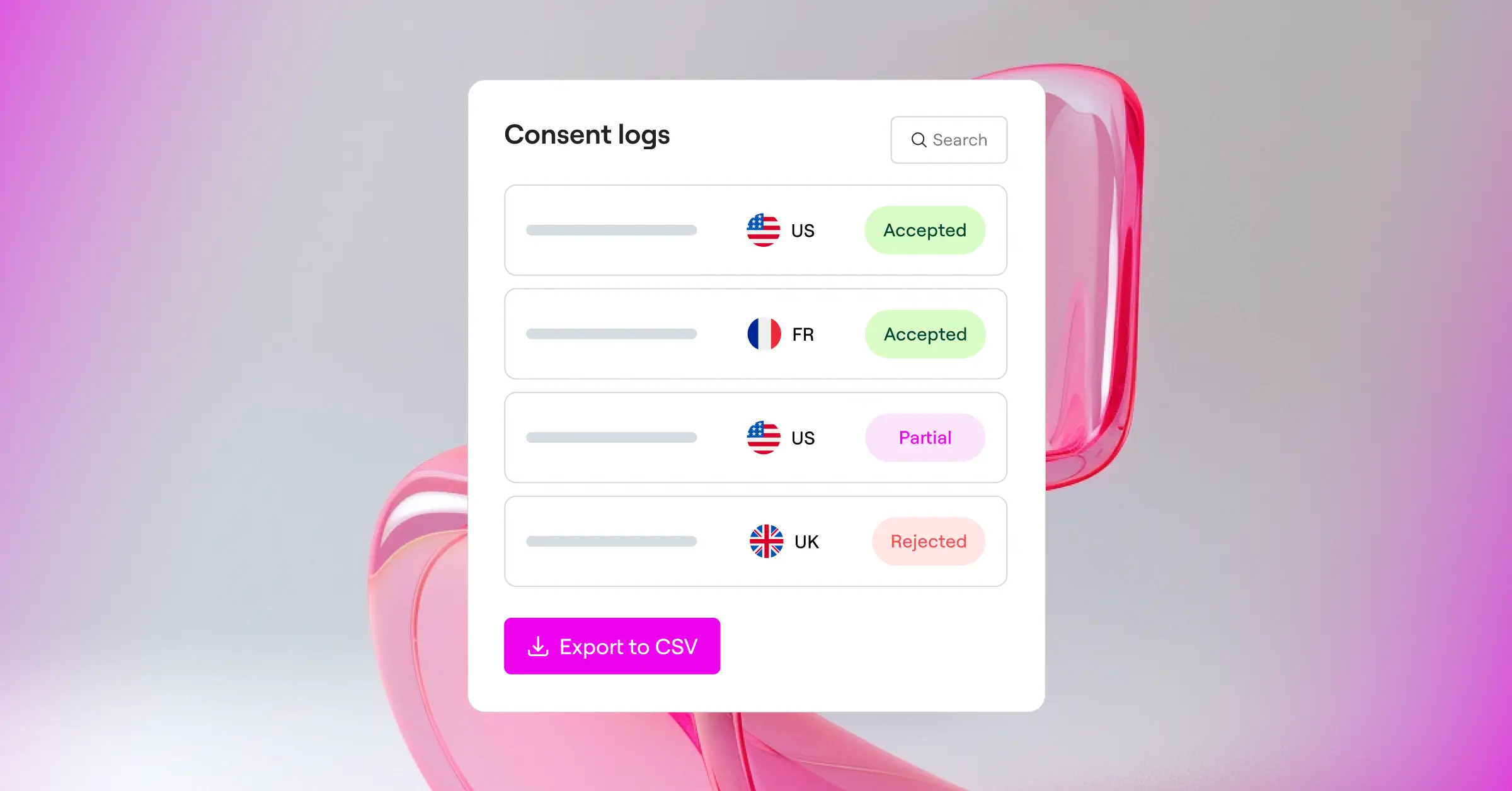
6. Maintain an Actionable Consent Log
Under the GDPR and other global frameworks, the burden of proof sits with you, the site owner. If a regulator asks for proof of consent, you need a clean audit trail ready.
A secure, anonymous log of when and how consent was given keeps you prepared for that scenario. Modern consent tools store these records without collecting any personal information, so your audit trail stays clean and ready when you need it.
7. Draft a Clear, Readable Cookie Policy
Your consent banner is just the starting point. Visitors also need access to a detailed, easy-to-read Cookie Policy page that lists every tracker on your site, explains what each one does, states how long it lasts, and shows how users can change their choices later.
A built-in policy generator makes drafting this document much faster. And since your site changes over time, it’s worth making sure your policy updates automatically whenever a scan detects a new script or tracker, so you’re never accidentally out of date.
8. Prioritize the User Experience
Compliance should never make your site frustrating to visit. Large popups that block the entire screen can push people away before they’ve had a chance to read your content.
Design your banner to match your site’s look and feel. Use colors that fit your brand, keep the typography clean and readable, and make sure the “Accept” and “Decline” buttons are equally easy to find and click. A banner that feels like a natural part of your site gets better opt-in rates than one that feels like an intrusion. Cookie Consent lets you customize the design right inside your WordPress dashboard, so this doesn’t have to be a separate project.
9. Block Cookies Before Explicit Consent
One of the most common mistakes site owners make is letting cookies load in the background while a visitor is still deciding what to do with the banner. Under EU law, that’s not allowed. Non-essential scripts must stay paused until the user actively makes a choice.
If a visitor closes the banner without clicking anything, or just keeps scrolling, those non-essential cookies must stay blocked. Consent has to be a real, active decision, not something that happens by default or through inaction.
10. Schedule Regular Compliance Audits
Your website is always evolving: a new plugin here, an embedded video there, a new marketing tool next quarter. Any of these additions can introduce new trackers, and without regular check-ins, they can start running uncategorized.
Setting a monthly calendar reminder to run a fresh scan takes five minutes and can save you real headaches down the line. Check whether any new cookies have appeared in the “uncategorized” list and get them sorted before they become an issue.
Comparing Popular Consent Solutions for WordPress
Choosing the right tool for this job makes a real difference in your day-to-day workflow. Here’s how some of the top compliance options on the market compare, focusing on integration, setup time, and key features like Consent Mode v2.
| Feature | Cookie Consent by Elementor | Cookiebot | CookieYes | Complianz | iubenda |
|---|---|---|---|---|---|
| Dashboard Integration | Fully Native inside WordPress | External Dashboard | External Dashboard | WordPress Admin | External Dashboard |
| Setup Time | Under 5 minutes | Moderate | Moderate | Moderate | Complex |
| Google Consent Mode v2 | Yes (Built-in) | Yes | Yes | Yes | Yes |
| Geo-Targeting | Yes | Yes | Yes | Yes | Yes |
| Consent Logs | Yes (Native) | Yes | Yes | Yes | Yes |
External platforms are capable tools in their own right, but they typically require managing settings on a separate website and copying script codes into WordPress. A native option like Cookie Consent keeps everything in one familiar place, which saves time and keeps your workflow from getting complicated.
How to Implement Cookie Categorization Step-by-Step
If you’re ready to get everything organized, here’s a clear, stress-free path to setting things up on your WordPress site. Take it one step at a time, and you’ll be compliant before you know it.
Step 1: Run Your First Scan
Activate your chosen cookie consent capability and kick off a full site scan. The process usually takes a minute or two as the tool crawls through your pages looking for active trackers and scripts.
Step 2: Review and Sort Uncategorized Cookies
Once the scan finishes, take a look at the results. Most well-known cookies (like those from Google Analytics or Facebook) sort automatically. If you run less common plugins, you may find a few uncategorized trackers, assign those based on what they actually do.
Step 3: Connect with Google Consent Mode v2
If you run Google Ads or Google Analytics, turn on the Google Consent Mode v2 option in your settings. This keeps your marketing campaigns running properly while fully respecting each visitor’s choices.
Step 4: Design Your Banner
Customize the look of your banner to match your site. Pick colors that fit your branding, write a friendly, human message, and make sure the decline button is just as visible and easy to click as the accept button.
Step 5: Publish and Test Your Banner
Save your changes and open your site in an incognito browser window. Check that the banner loads right away and confirm it looks good on both desktop and mobile. It’s a quick test that’s absolutely worth doing before you go live.
Frequently Asked Questions
What happens if I don’t categorize my cookies?
Without proper categorization, your consent banner can’t selectively block non-essential trackers. Your site will likely load analytical and marketing scripts before visitors give consent, which violates the GDPR and CCPA, and puts you at risk of warnings or fines.
Do I need to ask for consent for Google Analytics?
Yes. Under the GDPR and many other global privacy frameworks, Google Analytics cookies fall into the performance or analytical category. Because they collect unique identifiers and track behavior across your pages, you need explicit, opt-in consent before these cookies land on a visitor’s browser.
How does Google Consent Mode v2 work?
Google Consent Mode v2 lets your site communicate your visitors’ consent choices directly to your Google tags. If a visitor accepts cookies, Google’s services work normally. If they reject them, Google’s tags switch to a privacy-safe, cookieless mode that lets you gather basic data without violating anyone’s privacy.
Can I write my own Cookie Policy?
You can, but it needs specific technical details to hold up legally: every active cookie listed, each one’s purpose stated, and how long it stays active. An automatic policy generator is much easier, since it updates your policy as your site changes.
What is the difference between a privacy policy and a cookie policy?
A Privacy Policy is a broad document covering how your site collects, uses, stores, and protects personal data (names, email addresses, payment details, and so on). A Cookie Policy is narrower: it focuses on the trackers and cookies your site uses, and explains how visitors can manage them.
Do session cookies require consent?
It depends on what they do. If a session cookie is strictly necessary to run your site (keeping a user logged in, or holding items in a cart), it doesn’t require consent. But if a session cookie is used for behavioral tracking, analytics, or marketing, you need permission before placing it.
How often should I scan my website for new cookies?
At least once a month is a good target. WordPress sites change often as you install new plugins, add media embeds, or update existing tools. Regular scans catch any new trackers early, so you can get them categorized and blocked before they run without user consent.
Will a cookie consent banner slow down my website?
A well-built, native capability like Cookie Consent won’t slow your site down. Because it runs directly inside your WordPress environment without calling external servers on every page load, it keeps things fast and responsive for your visitors.

