Table of Contents
You’re building a site and naturally adding features. Then panic sets in. You look at your dashboard and wonder if you’ve gone too far. It’s the most common question in web development today. You want the functionality, but you definitely don’t want the sluggish performance that comes with an overloaded server.
Look, there isn’t a single universal number that triggers a system meltdown. But industry data tells a clear story. Most healthy sites sit right between 20 and 30 active extensions. Once you push past that threshold, you’re usually asking for trouble. We’re going to break down the exact math behind these limits and show you how to structure your site for 2026.
Key Takeaways
- The 2026 Average: Most standard sites run 20 to 30 plugins, while complex setups often exceed 50.
- Security Risks: A massive 92% of vulnerabilities originate from third-party add-ons, not the core software.
- Performance Penalties: Each poorly coded addition adds 50ms to 250ms of total load time.
- Core Web Vitals: Sites with under 15 extensions are 2.5x more likely to pass strict Largest Contentful Paint requirements.
- Database Bloat: History of installing and deleting tools can increase your database size by up to 300%.
- Mobile Impact: 53% of mobile visits are abandoned if a page takes longer than 3 seconds to load.
The Short Answer: Is There a powerful Number for 2026?
So, what’s the actual limit? It’s a question I hear at every technical conference. The short answer is no. You won’t find a hardcoded cap in the software that breaks your site at plugin number 47. But the practical answer is very different.
Research analyzing thousands of enterprise environments shows a sharp performance drop after 30 active add-ons. The reason isn’t the raw count. It’s the cumulative load. One heavy e-commerce suite requires drastically more server processing than ten lightweight utility scripts. You’ve to measure weight, not just volume. A massive directory tool with poor query structures will crash a shared server faster than a dozen simple admin tweaks.
And the technical standards are shifting rapidly. By 2026, PHP 8.3+ is the absolute baseline expectation. Data shows that sites running 30 or more add-ons face a 40% higher risk of fatal compatibility errors during routine server upgrades. The older your stack, the more fragile it becomes when the server environment updates.
Quality completely overrides quantity. You could run 45 perfectly optimized, single-function scripts and maintain lightning-fast load times. Conversely, you could run just three heavy, outdated page builders and fail every performance metric. The powerful number doesn’t exist. But a functional limit definitely does.
Pro tip: Treat your active list like a strict budget. If you want to add a new feature, you must find an old one to remove.
Why the Number of Plugins is a Technical Myth
Here’s the deal: servers don’t count files. They count execution time and database queries. The obsession with a specific number distracts site owners from the actual mechanics of server performance.
When someone visits your URL, the server has to compile PHP, query the database, and render HTML. Every active extension gets a chance to inject its own code into that loading sequence. Research indicates that every additional poorly coded feature can add 50ms to 250ms of load time depending on the script execution requirements.
To really understand the impact, you need to separate the types of loads your stack generates:
- Front-end Asset Loading: These add CSS stylesheets and JavaScript files directly to the visitor’s browser. Each front-end tool adds an average of 2-5 additional HTTP requests, significantly impacting your Total Blocking Time.
- Back-end Processing: These only run in the admin dashboard. They won’t slow down the visitor experience, but they will make content editing incredibly frustrating.
- Database Heavy Queries: Tools that log visitor data, track analytics, or manage complex search relations constantly read and write to your database. They consume your server’s CPU resources.
- External API Calls: Social media feeds and payment gateways force your server to wait for a response from an entirely different company’s server before your page can finish loading.
- Background Tasks (Cron Jobs): Backup tools and automated emailers run scheduled tasks that can hijack your server resources at the worst possible times.
That’s why five specific front-end scripts will destroy your page speed, while 20 simple back-end admin tweaks won’t register on a speed test. It’s all about where the code executes.
Pro tip: Always disable heavy back-end tasks like broken link checkers. Let external, cloud-based tools handle that processing instead of your local server.
The Hidden Costs of Plugin Overload
Financial overhead creeps up on you. What starts as a few free downloads quickly morphs into a massive annual subscription bill. The current repository boasts over 59,000+ free options. That’s a lot of temptation to add features you probably don’t need.
But the true cost of an oversized stack goes far beyond the initial purchase price. You’ve to account for maintenance hours, security liabilities, and lost revenue from performance degradation.
| Cost Category | The 2026 Reality | Statistical Impact |
|---|---|---|
| Financial Overhead | Subscription fatigue from multiple premium licenses. | Average small business spends $400-$900 annually on premium licenses. |
| Security Vulnerabilities | Massive attack surface from abandoned third-party code. | 92% of security breaches are linked directly to third-party add-ons. |
| Maintenance Time | Constant manual testing for version compatibility. | 42% of site owners fail to update within 24 hours of a critical patch. |
| Lost Conversions | Server response lag driving potential buyers away. | A 1-second delay results in a 7% reduction in total sales. |
The market is projected to grow at a CAGR of 8.4% through 2026. This financial incentive means developers constantly release heavier, “all-in-one” tools. You’re paying for features you’ll never activate.
Security is the most terrifying metric here. Every piece of code you install is a door into your server. If you’ve 60 active tools, you’ve 60 doors you’ve to keep locked. Hackers don’t attack the core software anymore. They run automated scripts looking for one outdated slider or form builder on your site.
Pro tip: Consolidate your billing. If you’re paying five different developers $49 a year, look for a single platform that offers all five features for $150.
7 Signs Your Site Has Too Many Plugins
You don’t need to guess if your site is suffering from software bloat. The symptoms are incredibly obvious once you know exactly what to look for. Your server will literally scream for help before it finally crashes.
Watch for these specific technical failures:
- The White Screen of Death (WSoD): This is the classic symptom. Sites with 50+ active tools experience a 15% higher frequency of WSoD incidents during automated updates. The memory simply exhausts itself during the compilation phase.
- Core Web Vitals Failures: Google is ruthless with performance metrics. Currently, only 33% of mobile sites pass all three Core Web Vitals. If your Largest Contentful Paint is over 2.5 seconds, you’ve likely got too many JavaScript files blocking the render.
- Admin Dashboard Crawl: Your public site might load quickly because of aggressive caching. But if saving a simple post takes 10 seconds, your back-end database queries are entirely overloaded by third-party tools.
- High Mobile Abandonment: Desktop connections can sometimes power through heavy code. Mobile connections can’t. 53% of mobile visits are abandoned if a page takes longer than 3 seconds to load.
- Memory Exhaustion Errors: Standard shared hosting typically offers a 256MB PHP memory limit. A site heavily layered with 40+ dynamic add-ons will consistently breach this limit, throwing 500-series server errors to your visitors.
- Constant Update Conflicts: If updating one tool breaks the layout of another, your code base is too tangled. This happens when multiple developers try to load different versions of the same JavaScript library (like jQuery) simultaneously.
- Excessive Database Size: If your `wp_options` table is several hundred megabytes, you’re suffering from autoload bloat. Every page load is forced to read through megabytes of useless configuration data before it even starts building the HTML.
Don’t ignore these warnings. They’re the leading indicators of a total database failure.
How to Audit and Prune Your Plugin Stack
Let’s fix the mess. You can’t just click ‘deactivate’ and hope for the best. Removing complex features requires a clinical, systematic approach. If you just delete files randomly, you’ll leave behind orphaned database tables that continue to slow down your server.
Follow this exact technical process to clean your environment:
- Run the Functionality Audit: Open a spreadsheet. List every active add-on. Next to each, write down the single specific feature it provides. You’ll quickly notice overlaps. You might have an SEO tool that generates XML sitemaps, and a dedicated sitemap tool running at the same time. Pick the stronger one and mark the other for deletion.
- Execute Performance Testing: Before you delete anything, run your URL through a speed testing tool. Record the Total Blocking Time and the number of HTTP requests. You need this baseline. It’s the only way you’ll know if your cleanup actually worked.
- Identify the Resource Hogs: Install a temporary profiling tool like Query Monitor. Load your homepage while logged in as an admin. The profiler will show you exactly which specific tool is taking the longest to execute its database queries. Target these heavy offenders first.
- Execute Safe Deactivation: Turn off the targeted tools one by one. Check your live site in an incognito window after each deactivation. If the layout breaks, turn it back on and investigate. If the site remains stable, proceed to deletion.
- Perform Deep Database Cleanup: This is the step everyone skips. Inactive tools leave behind data. A site with a history of 100+ installed and deleted scripts can see database size increases of up to 300%. Use an optimization script to clear out orphaned `wp_postmeta` data and transient options.
Pro tip: Never test a major cleanup on your live server. Clone your environment to a staging URL, perform the five steps above, and push the clean database to live only after full verification.
Performance Benchmarks: The Impact of Each Addition
Every feature carries a specific weight. Understanding this weight helps you make informed architectural decisions. You’ve to justify the performance cost against the business value of the feature.
Here’s how different categories of tools drag down your metrics:
- The SEO Suite Tax: Massive SEO platforms are notoriously heavy. They rewrite URLs, analyze content in real-time, and inject meta tags into every single page header. They’re essential, but they consume massive amounts of PHP memory.
- Social Media and Tracking Scripts: External API calls are performance killers. Loading a live Instagram feed forces your site to wait for Meta’s servers. These third-party JavaScript integrations frequently ruin your Total Blocking Time metric.
- Security and Firewall Scanners: Real-time traffic scanning requires immense CPU power. If a tool is checking every single visitor against a known IP blacklist, your server response time will plummet.
- Visual Sliders and Carousels: These are the worst offenders for Largest Contentful Paint. They load heavy jQuery libraries, multiple massive image files, and complex CSS animations right at the top of the viewport.
- Analytics and Heatmaps: Tools that record visitor mouse movements generate continuous background database writes. They flood your server with constant POST requests while the user navigates your content.
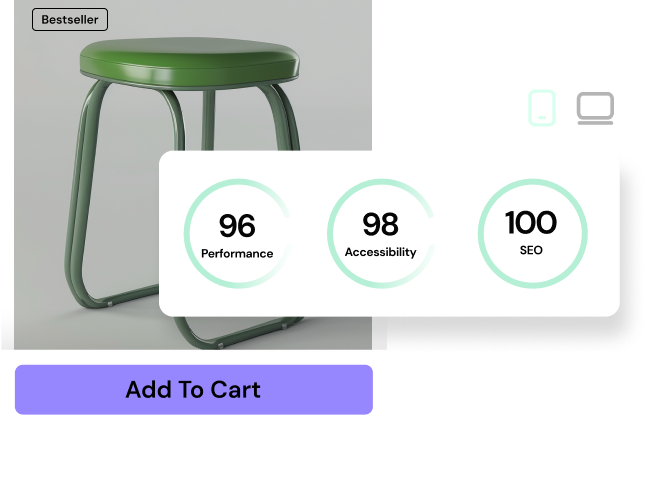
It’s a harsh reality. You can’t have a 100/100 speed score while simultaneously running a live chat widget, a dynamic product slider, and a behavioral heatmap. The math simply doesn’t work.
Pro tip: Delay the execution of non-essential JavaScript. Tools like live chat and analytics don’t need to load until the user actually interacts with the page.
Choosing Multi-Purpose Tools to Reduce Count
This is where your core site architecture matters. You generally have two structural choices: stitch together 15 disparate micro-tools, or rely on one unified, multi-purpose platform. In 2026, the industry is heavily pivoting toward unified ecosystems.
Using a professional website builder like Elementor Editor Pro fundamentally changes your math. It gives you a drag-and-drop live editor, but it also includes built-in popup builders, advanced form creation, and dynamic custom post-type integrations. You’re instantly removing the need for five or six separate third-party downloads.
But you’ve to weigh the trade-offs.
- The Case for All-in-One Solutions:
Unified platforms offer a single, cohesive codebase. You don’t have to worry about the form builder conflicting with the page layout tool because the same engineering team built both. Furthermore, you only deal with a single support channel when things go wrong, drastically reducing troubleshooting time. - The Risk of Feature Bloat:
The downside is carrying weight you don’t use. If you install a massive suite just to use its button-styling feature, you’re making a terrible architectural decision. You’ve loaded thousands of lines of code for a task that requires ten lines of CSS. - The AI Alternative:
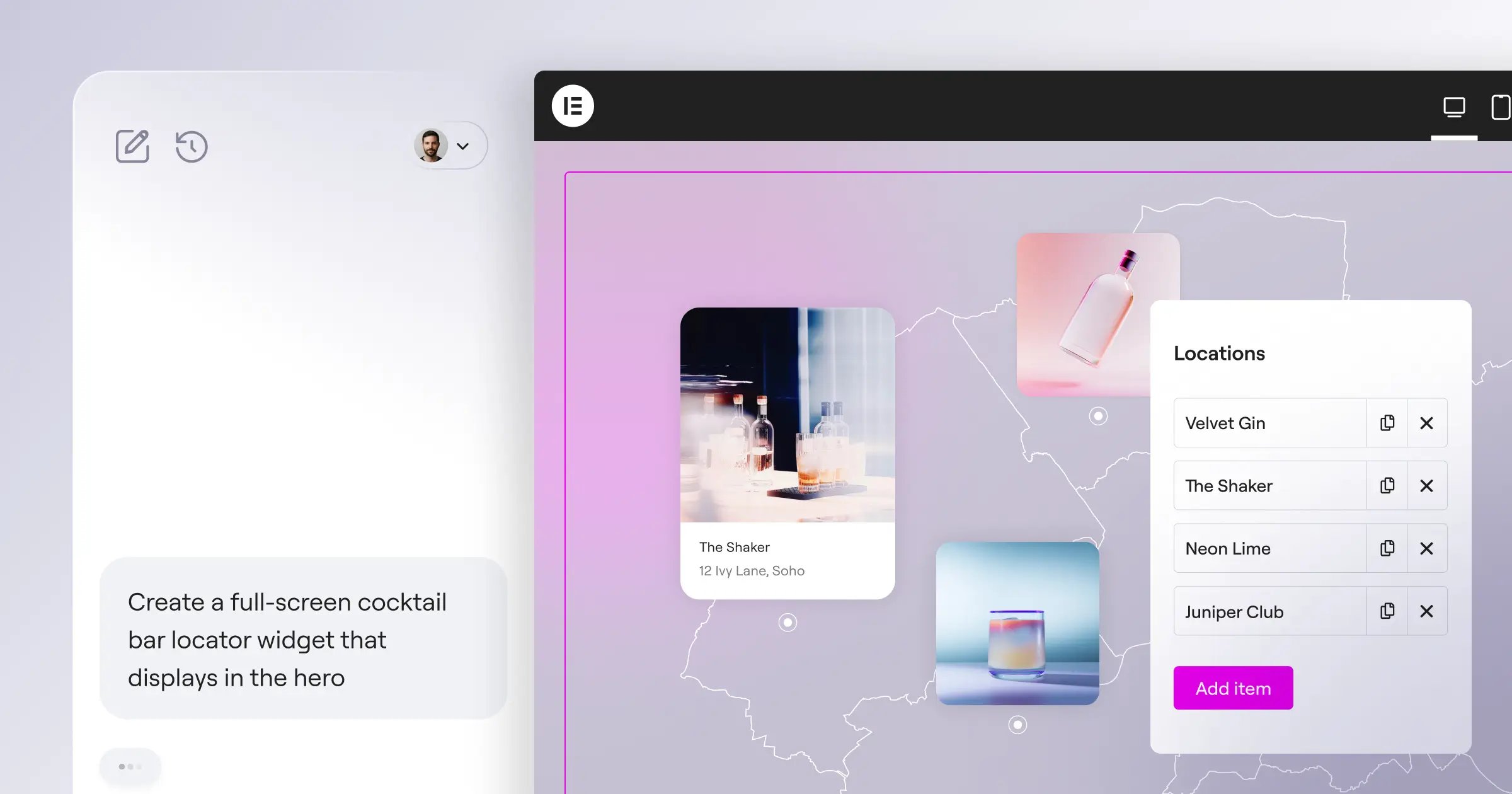
We’re seeing a massive shift in how custom features are deployed. For a more AI-powered approach to WordPress customization, Angie by Elementor lets you create custom widgets and snippets through conversation. Instead of downloading a heavy third-party file for a simple banner, you just ask the agentic AI to write the precise code snippet. It completely eliminates the heavy middleman.
Consolidation is the smartest path forward. Find platforms that cover 80% of your needs efficiently, and severely limit the single-use tools you add on top.
Future-Proofing Your Site: The 2026 Plugin Strategy
You need a sustainable system. Building a fast site today is easy. Keeping it fast for the next three years requires a strict operational framework. You must govern how and when new code enters your environment.
“The most common mistake I see in enterprise environments isn’t a lack of resources, it’s a lack of governance. Every department wants their favorite tool installed, but nobody takes responsibility for the cumulative performance debt. A strict one-in, one-out policy is the only way to maintain a high-performing site at scale.”
Itamar Haim, SEO Expert and Digital Strategist specializing in search optimization and web development.
Implement these exact strategies to protect your infrastructure:
- Enforce the “One-In, One-Out” Rule: Make this non-negotiable. If marketing demands a new lead-generation tool, they have to identify an existing tool to retire. This forces teams to prioritize actual business value over shiny new features.
- Rely on Hosting-Level Solutions: Stop using application-level code for server-level problems. If you’re on managed cloud hosting, your provider handles object caching, daily backups, and edge-level security. You absolutely don’t need dedicated software for these tasks. Offload the heavy lifting to your infrastructure.
- Prioritize Native Features: Modern content management systems evolve rapidly. Features that required complex add-ons three years ago are often native now. Before you search the repository, verify if the core software already handles the task natively.
- Quarterly Stack Reviews: Schedule a mandatory audit every 90 days. Review the active list, check the database size, and measure against your baseline speed metrics. Catch the bloat before it affects your live users.
Don’t let your technology stack become a dumping ground for abandoned ideas. Treat your server environment with the strict respect it demands.
Frequently Asked Questions
Does deactivating a plugin instantly speed up my site?
It stops the code from executing, which immediately reduces CPU load and HTTP requests. However, it doesn’t automatically delete the historical data left behind in your database. You’ll need to manually clean your tables to recover maximum speed.
Are premium plugins faster than free ones?
Not necessarily. Premium tools often include complex, resource-heavy features that require more processing power. However, paid products usually offer better code optimization and dedicated support teams that actively patch performance bottlenecks.
How do I know which specific tool is slowing down my site?
You can’t guess by looking at the names. You’ll need to install a profiling tool like Query Monitor. It intercepts the loading process and shows you exactly which specific script is consuming the highest percentage of your server’s memory.
Should I use a caching plugin if my host already provides caching?
No, you shouldn’t. Layering multiple caching systems usually causes severe conflict errors and broken visual layouts. Always rely on your server’s native caching infrastructure before adding third-party optimization scripts.
Do inactive plugins pose a security risk?
Yes, they absolutely do. Even if a tool is deactivated, its files remain on your server. Hackers can directly target known vulnerabilities in those dormant PHP files. If you aren’t actively using it, delete it completely.
Can combining CSS and JS files offset the bloat of too many plugins?
It helps reduce total HTTP requests, which improves your initial connection speed. But it won’t fix underlying database query bloat or heavy CPU usage. It’s a temporary bandage, not a cure for an overloaded architecture.
Is it safe to automatically update all 50+ of my active tools?
It’s incredibly risky. Automated updates frequently trigger the White Screen of Death when complex scripts conflict with new core versions. You should run updates manually on a staging environment first to verify compatibility.
What is the wp_options table and why does it matter?
It’s the central database table where your site stores its global settings. Poorly coded tools dump massive amounts of ‘autoload’ data here, forcing your server to read megabytes of useless text on every single page load.
Looking for fresh content?
By entering your email, you agree to receive Elementor emails, including marketing emails,
and agree to our Terms & Conditions and Privacy Policy.