Table of Contents
Data privacy isn’t a suggestion anymore. In 2023, GDPR fines hit a massive €2.1 billion. Now it’s 2026. Regulatory bodies aren’t just targeting tech giants. They’re coming after standard business websites. You need a cookie consent manager that actually works. And it has to protect your revenue.
Google Consent Mode v2 became mandatory for anyone running ads in the EEA. Ignore it, and your remarketing campaigns die instantly. The tools below handle these strict requirements. They block scripts, log consents, and keep you out of legal trouble.
Key Takeaways
- Global compliance is growing: 71% of countries worldwide now enforce strict data privacy legislation.
- Market expansion: The consent management market will reach $2.3 billion by 2028.
- Performance matters: Heavy compliance scripts can increase Total Blocking Time by up to 400ms.
- Design impacts choices: Well-designed banners achieve 45-55% opt-in rates.
- Platform specifics: WordPress powers 43.5% of the web, requiring specialized native integrations.
- Trust builds loyalty: 94% of consumers return to brands offering total data transparency.
Why Cookie Compliance is Non-Negotiable in 2026
The rules changed drastically over the last two years. You can’t just hide a tiny “accept all” button in your footer. Regulators demand explicit, informed consent before any non-essential script loads in the browser. Global privacy legislation now covers 71% of the world. That means almost every visitor needs a specific compliance framework.
Google forced the industry’s hand. They made Google Consent Mode v2 mandatory for websites using Google Ads and Analytics. Without it, you can’t build remarketing audiences. Your ad spend becomes terribly inefficient. It’s a technical hurdle that requires a capable consent manager to translate user choices into Google’s specific ping system.
- Legal Risk: Fines scale with your revenue.
- Marketing Risk: Blind analytics and broken ad tracking.
- Performance Risk: heavy third-party scripts slowing down your site.
WordPress users face a unique challenge. With WordPress running 43.5% of all websites, generic scripts often conflict with themes and plugins. You need tools built for this ecosystem. Tools that understand how your page builder handles dynamic assets.
Consent banners shouldn’t break your site’s visual hierarchy. When you build compliance directly into your design system, you protect your user experience alongside their data privacy.
Itamar Haim, SEO Team Lead at Elementor. A digital strategist merging SEO, AEO/GEO, and web development.
Here’s the truth. Privacy is now a core user experience metric. Users abandon sites that force confusing, aggressive popups. You need a tool that balances legal protection with human-centered design.
Quick Comparison: Top 10 Cookie Consent Tools
Finding the right tool depends heavily on your tech stack and budget. Some platforms charge per page view. Others offer flat yearly fees. Look at this breakdown before committing to a platform.
| Tool Name | Starting Price | GCM v2 Support | Best Use Case |
|---|---|---|---|
| Cookiez | Varies by plan | Yes | Elementor users needing native styling |
| Cookiebot | €12/month | Yes | Large sites needing auto-scans |
| CookieYes | $10/month | Yes | Multi-platform small businesses |
| Complianz | $59/year | Yes | Full WordPress legal suites |
| OneTrust | Custom | Yes | Fortune 500 enterprises |
| Termly | $15/month | Yes | Startups wanting fast setups |
| Usercentrics | Custom | Yes | Custom app developers |
| Iubenda | competitive ratesnth | Yes | Modular compliance shoppers |
| Borlabs Cookie | €49/year | Yes | Strict DACH region targeting |
| Moove GDPR | £59/lifetime | Limited | Developers avoiding cloud subs |
This table highlights the diversity in pricing models. Cloud-based scanners cost more over time. Local WordPress plugins offer better long-term value for single-site owners.
1. Cookiez: The Ultimate Elementor-Native Solution
Most consent banners look like afterthoughts. They load late, flash aggressively, and ignore your site’s branding. Cookiez solves this specific problem. It’s built specifically for designers who demand total visual control over every pixel on the screen.
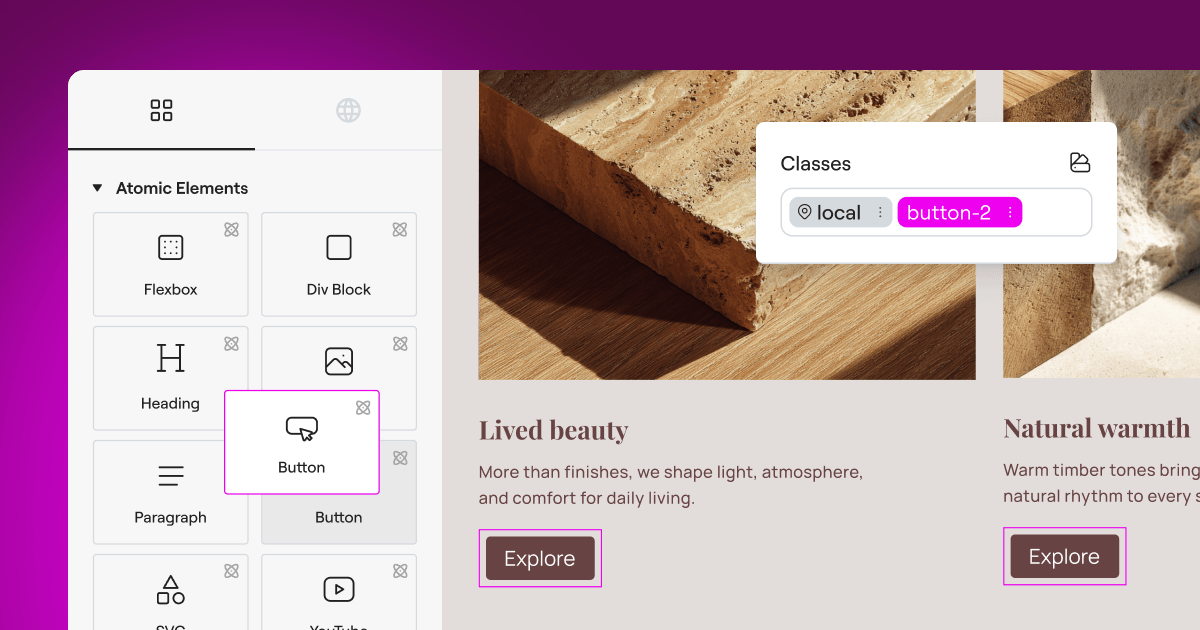
If you’re building sites with Elementor Editor Pro, Cookiez integrates directly into the widget panel. You don’t need to write custom CSS to match your brand colors. You handle everything inside the familiar drag-and-drop interface. It respects your global fonts, variables, and responsive breakpoints.
Data shows that transparent, brand-aligned banners achieve opt-in rates between 45-55%. Cookiez helps you hit those numbers by keeping the user experience completely intact. Furthermore, it automatically detects and blocks iframes and widgets loaded through your page builder until the user grants permission.
- Native Elementor Integration: Edits exactly like a standard widget.
- Zero-Code Visual Styling: Complete control over typography and spacing.
- Auto-Blocking: Stops YouTube, Maps, and custom embeds instantly.
- GCM v2 Ready: Communicates flawlessly with Google’s latest standards.
- Lightweight Footprint: Won’t damage your Core Web Vitals scores.
Pricing is highly competitive for the WordPress space. You aren’t penalized for high traffic volumes like you’re with cloud-based alternatives. You buy a license and it simply works.
- Pros – Built specifically for your existing workflow.
- Pros – Doesn’t require external API calls to load the initial banner.
- Pros – Real-time editor previews save hours of debugging.
- Pros – Capitalizes on consumer trust (94% favor transparent brands).
- Cons – Highly specialized for the Elementor ecosystem.
- Cons – Won’t work for non-WordPress platforms like Shopify or Ghost.
- Cons – Requires manual widget configuration for highly complex setups.
Cookiez is the absolute best choice for designers who want total control over their consent banners without touching a single line of code.
2. Cookiebot by Usercentrics
Manual compliance auditing is a nightmare for massive websites. You publish a new blog post, embed a random Twitter widget, and suddenly you’re leaking data to third parties. Cookiebot exists to automate this entirely. It crawls your website, finds every hidden tracker, and categorizes them without human intervention.
It acts as a heavy-duty cloud scanner. You paste one script into your header. Cookiebot takes over from there. It blocks everything until the user clicks accept. This reliability makes it a favorite among corporate IT departments.
However, that automation comes with a performance cost. Heavy consent scripts can increase Total Blocking Time (TBT) by 150ms to 400ms. You’ve to optimize its loading sequence carefully.
- Deep Automated Scanning: Monthly crawls find new trackers automatically.
- Global Geo-Targeting: Shows different banners based on user location.
- TCF 2.2 Support: Fully compliant with standard ad industry frameworks.
- Auto-Categorization: Sorts cookies into marketing, stats, and preferences.
The pricing model relies on page count. The free tier only covers one domain with fewer than 50 pages. The Premium Small tier costs €12/month for up to 500 pages. Large sites pay €49/month.
- Pros – True set-and-forget automation for busy teams.
- Pros – Massive, highly accurate cookie database.
- Pros – Excellent multi-language support.
- Cons – Very expensive for sites with thousands of blog posts.
- Cons – Visual customization in the free tier is extremely limited.
- Cons – Script can negatively impact page load speeds.
Cookiebot is ideal for large, content-heavy sites that need automated maintenance and have the budget to support it.
3. CookieYes
Sometimes you just need to get compliant fast across different platforms. CookieYes provides a versatile, centralized dashboard. You manage your consent settings in their web app and deploy the script to WordPress, Shopify, or a custom React app.
With over 1.5 million active installs globally, it’s one of the most widely adopted tools on the market. That install base provides massive testing data. The product is highly stable. They handle the complex backend logic so you don’t have to worry about the specific legal technicalities of every new privacy law.
The interface is refreshingly simple. You select your regions, pick a color scheme, and copy the code. It logs every consent interaction, giving you an essential audit trail if a regulator ever comes knocking.
- One-Click Setup: Extremely fast implementation phase.
- Cross-Platform: Works exactly the same on any CMS.
- Consent Logging: Maintains historical records of user choices.
- Custom CSS: Allows developers to override default styles.
The free tier is generous for tiny personal blogs. But real businesses need the Pro plan, priced at $10/month per domain. This unlocks the necessary compliance features and removes their branding.
- Pros – Extremely user-friendly dashboard for non-technical users.
- Pros – Fast support response times.
- Pros – Reliable Google Consent Mode v2 integration.
- Cons – Advanced customization requires writing custom CSS.
- Cons – Multi-domain management gets pricey quickly.
- Cons – The free tier includes unwanted vendor branding.
CookieYes is a solid, reliable choice for small business owners looking for a quick, cross-platform setup.
4. Complianz (Privacy Suite for WordPress)
A consent banner alone doesn’t make you compliant. You need a properly structured Privacy Policy, a Cookie Policy, and clear Terms of Service. Complianz offers a complete legal framework built specifically for WordPress.
It operates through a detailed setup wizard. You answer questions about your business, your data collection habits, and your target audience. Complianz then generates legally vetted documents specifically tailored to your answers. It’s like having a digital lawyer living in your WordPress dashboard.
This approach requires more upfront work. You’ll spend 30 minutes reading through their wizard. But the result is total coverage.
- Scan Your Site: Let the plugin detect active plugins and scripts.
- Answer the Wizard: Define your business entity and data practices.
- Generate Documents: Create auto-updating privacy policies.
- Deploy the Banner: Configure region-specific display rules.
- Legal Generator: Creates complete, localized legal pages.
- Performance Integrations: Works natively with WP Rocket and LiteSpeed.
- A/B Testing: Allows you to test banner designs for better opt-in rates.
- Data Breach Register: Internal logging for security incidents.
The Premium version costs $59/year for a single site license. This includes all the legal document generation and advanced geo-targeting features.
- Pros – Replaces the need for separate legal document services.
- Pros – Deep integration with other WordPress performance tools.
- Pros – Exceptional value for a flat yearly fee.
- Cons – The wizard can feel overwhelming to casual users.
- Cons – Massive feature set is overkill if you just need a simple popup.
- Cons – Backend interface is quite text-heavy.
Complianz is perfect for those who need a complete, auto-updating legal framework for their WordPress site.
5. OneTrust
Enterprise organizations face a completely different scale of risk. They manage hundreds of domains, process millions of user records, and face scrutiny from multiple international privacy regulators. OneTrust dominates this tier. They hold a massive 40% market share among Fortune 500 companies.
This isn’t just a plugin. It’s a massive compliance cloud infrastructure. It handles vendor risk management, data mapping, and deep cross-domain consent sharing. If a user accepts cookies on your main corporate site, OneTrust can sync that preference across your entirely separate support portal.
Honestly, the feature list is intimidating. You’ll likely need a dedicated implementation specialist to get it running correctly.
- Advanced Preference Centers: Highly granular user choice portals.
- Cross-Domain Sync: Shares consent states across complex web properties.
- Detailed Audit Trails: Enterprise-grade reporting for legal defense.
- Vendor Risk Management: Tracks third-party data handlers.
- Mobile App SDKs: Syncs web consent with iOS and Android apps.
Pricing reflects its enterprise status. Small business tiers start around $45/month, but custom enterprise contracts easily reach thousands of dollars annually based on traffic and module usage.
- Pros – Unmatched feature set for global, multi-brand compliance.
- Pros – Highly scalable for massive traffic surges.
- Pros – Trusted by the strictest legal departments on earth.
- Cons – Extremely steep learning curve.
- Cons – Dashboard is notoriously complex and slow to manage.
- Cons – Absolute overkill for standard business websites.
OneTrust is the go-to solution for enterprise-level organizations with strict legal departments and complex data ecosystems.
6. Termly
Startups usually lack dedicated legal teams. They need to launch fast, secure funding, and avoid obvious compliance traps. Termly positions itself as compliance-as-a-service for these agile teams. It bridges the gap between simple plugins and complex enterprise software.
The platform focuses heavily on beautiful, modern UI. You won’t spend hours trying to understand legal jargon. Their setup flow uses plain English. It classifies trackers quickly and deploys a clean banner that looks good on modern SaaS websites.
Their auto-blocking technology is surprisingly effective right out of the box. It identifies common tracking pixels immediately.
- Create an Account: Enter your startup’s primary URL.
- Run the Initial Scan: Let Termly identify your marketing stack.
- Customize the Brand: Add your logo and hex codes.
- Publish the Snippet: Paste the code into your tag manager.
- Policy Generators: Creates customizable, professional legal policies.
- Automatic Blocking: High accuracy for common third-party scripts.
- Multi-Regional Support: Adapts to CCPA, GDPR, and UK rules dynamically.
- Clean UI: Banners that don’t look like terrible 90s popups.
The Pro plan currently sits at $15/month when billed annually. This gives you unlimited scans and removes the stringent limits of the free tier.
- Pros – Very fast to implement for new businesses.
- Pros – Excellent, modern user interface.
- Pros – Policy documents look highly professional.
- Cons – Free version is too restricted for practical use.
- Cons – Lacks some of the deep technical hooks developers might want.
- Cons – Monthly billing option is notably more expensive ($20/mo).
Termly is great for startups that need to get compliant across multiple regions in minutes.
7. Usercentrics
Developers hate black-box software. When you’re building a custom React application or a headless WordPress setup, you need access to the underlying logic. Usercentrics provides an API-first approach to consent management. It treats privacy as a programmable layer.
You can build entirely custom user interfaces while relying on their backend to handle the legal logic and consent storage. Their Browser SDK offers deep integration points. You trigger consent modals programmatically based on specific user actions.
They also feature a Smart Data Protector. This tool automatically obscures embedded content like YouTube videos with a custom placeholder until the user clicks to load it.
- Browser SDK: Powerful tools for deep custom integration.
- Smart Data Protector: Visual placeholders for blocked iframes.
- Headless CMS Ready: Perfect for decoupled architectures.
- TCF 2.2 Certified: Meets strict ad-tech requirements.
Pricing is entirely tiered based on user sessions and domains. You’ve to contact sales for anything beyond the basic web implementations.
- Pros – Highly flexible for complex custom web applications.
- Pros – Outstanding, detailed technical documentation.
- Pros – Unlocks massive creative freedom for frontend teams.
- Cons – Requires significant technical knowledge to implement fully.
- Cons – Pricing opacity can be frustrating for budget planning.
- Cons – UI configuration requires dev time.
Usercentrics is the best choice for developers building custom applications or highly complex WordPress themes.
8. Iubenda
Running a website across multiple countries introduces translation headaches. Iubenda excels here. This Italian-based company built a massive, modular legal platform that supports over 30 languages natively. If your user visits from Japan, they get a legally accurate Japanese banner and policy.
Their modular approach means you only pay for exactly what you need. Need a Terms and Conditions generator? Add it. Need internal privacy management tools to track your own employees’ data access? They have a module for that.
This flexibility is powerful. But it also creates a remarkably confusing checkout process.
- Modular Architecture: Build a custom compliance package.
- Internal Privacy Tools: Document your internal data processing activities.
- 30+ Languages: Professional legal translations built-in.
- Offline Consent Sync: APIs to track consent gathered offline.
The base ‘Pro’ plan starts at an affordable competitive ratesnth. However, the ‘Ultra’ plan, which includes complete compliance tools, jumps to $12.99/month.
- Pros – Very affordable entry point for single-language sites.
- Pros – Unbeatable native translation capabilities.
- Pros – Backed by a team of international lawyers.
- Cons – Pricing modules get very confusing as you scale.
- Cons – The backend interface feels distinctly older than competitors.
- Cons – Support can be slow during peak European hours.
Iubenda is excellent for multilingual sites operating across various international jurisdictions.
9. Borlabs Cookie
The DACH region (Germany, Austria, Switzerland) enforces the strictest interpretations of GDPR in the world. German regulators routinely penalize companies for minor technical infractions. Borlabs Cookie was built in Germany, specifically to survive this hostile regulatory environment.
It refuses to use external APIs to load the banner. Everything stays on your server. When a user visits, no data leaves your Managed Cloud Hosting environment. This strict privacy-first architecture guarantees you won’t accidentally leak IP addresses to a third-party consent manager.
Its Content Blocker is legendary in the WordPress community. It replaces blocked social media feeds and videos with highly customizable, theme-matching placeholders.
- Local Storage: Consent data never leaves your server.
- Advanced Content Blocker: Handles complex shortcodes and widgets gracefully.
- Strict DSGVO Compliance: Meets exact German legal specifications.
- Cross-Domain Consent: Works across multi-site networks securely.
The pricing is straightforward. You pay €49/year for a single website license. There are no sneaky traffic limits or monthly overages.
- Pros – Zero external server dependencies ensure maximum privacy.
- Pros – Extremely granular control over individual scripts.
- Pros – Flat yearly fee is highly predictable.
- Cons – The UI is heavily technical and intimidating for beginners.
- Cons – Setup requires mapping individual scripts manually.
- Cons – Lacks an automated cloud scanner.
Borlabs is the safest choice for websites targeting the DACH region and prioritizing absolute data sovereignty.
10. GDPR Cookie Compliance (Moove)
Subscription fatigue is real. Many website owners absolutely refuse to pay monthly fees for a popup banner. The GDPR Cookie Compliance plugin by Moove Agency offers a powerful, permanent alternative to the SaaS model.
It’s a lightweight, developer-friendly WordPress plugin that focuses on speed. It uses native WordPress architecture, meaning it plays nicely with caching plugins and CDNs. You can even use Lottie animations to make the banner engaging instead of annoying.
You’ll need to know exactly which scripts your site runs, as it doesn’t offer auto-scanning. But for experienced developers, that’s a feature, not a bug.
- Fully Customizable UI: Tweak every aspect of the display.
- CDN Support: Works smoothly with external asset delivery networks.
- Lottie Animations: Adds motion design to compliance modals.
- Consent Expiration: Automatically prompts users after a set timeframe.
They offer a strong free version on the WordPress repository. The Premium version costs a one-time fee of £59 for a single site.
- Pros – Very fast performance compared to cloud scanners.
- Pros – No recurring monthly fees for the premium features.
- Pros – Codebase is clean and well-documented.
- Cons – Zero automated scanning features.
- Cons – You must manually categorize your own cookies.
- Cons – Requires manual updates for shifting legal landscapes.
Moove’s plugin is best for developers who want a high-performance, one-time-purchase solution and don’t mind manual configuration.
What to Look for in a Cookie Consent Manager in 2026
Choosing the wrong tool costs you money. You either pay in excessive monthly fees, lost ad revenue, or regulatory fines. You must evaluate these platforms based on current 2026 standards, not outdated 2022 advice.
Look, the technical requirements shifted completely. You can’t just slap a piece of HTML on your site. The consent manager must act as a gatekeeper for your entire tag management system. It has to intercept, evaluate, and either block or release scripts in milliseconds.
- Google Consent Mode v2 Support: This is absolutely non-negotiable. If you run Google Ads or GA4, your consent manager must send the correct advanced or basic pings. Without this, Google rejects your tracking data entirely.
- Auto-Blocking Capabilities: The tool must stop scripts before the user interacts with the banner. If a Facebook pixel fires while the banner is still on screen, you’ve already broken the law.
- Dynamic Geo-Targeting: A user in California needs a CCPA “Do Not Sell” link. A user in Berlin needs a strict GDPR explicit opt-in. Your tool must detect IP addresses and display the correct legal framework instantly.
- Design Flexibility: Does it match your site? If you use a tool like Dynamic Content to build unique templates, your banner shouldn’t break the layout. Ugly banners destroy opt-in rates.
- Performance Impact: Run the script through PageSpeed Insights. If the consent manager adds massive JavaScript payloads, your Core Web Vitals will tank. Look for asynchronous loading and local storage options.
Don’t ignore the hidden costs of scaling. A tool that looks cheap for 100 pages might bankrupt you when your blog hits 10,000 pages. Always check the pricing tiers for traffic and page volume limits.
Final Recommendation: Which Tool Should You Choose?
Your choice dictates how securely your business operates online. The wrong platform creates massive vulnerabilities. We’ve categorized the winners based on specific business needs to simplify your decision.
- For Elementor Designers – Choose Cookiez. The native integration is unbeatable. You maintain total visual control without fighting external CSS files or sacrificing WordPress performance.
- For Corporate Enterprises – Choose OneTrust. It’s expensive and complex. But it’s the only tool that handles multi-brand, cross-domain legal frameworks with the audit trails massive companies require.
- For Hands-Off Automation – Choose Cookiebot. If you constantly publish new content and embed third-party media, their monthly cloud scanner ensures you never accidentally leak data.
- For Budget Developers – Choose GDPR Cookie Compliance (Moove). You pay once. You configure it manually. You avoid SaaS bloat entirely.
Stop treating compliance as an afterthought. Integrate it into your initial build process. A well-designed, legally sound website builds immense user trust.
Frequently Asked Questions
Do I really need a cookie banner in 2026?
Yes. If you use analytics, advertising pixels, or embedded social media, you’re collecting personal data. Global privacy laws strictly require explicit user consent before these scripts load.
What happens if I ignore Google Consent Mode v2?
Google will actively block your ability to build remarketing audiences in the EEA. Your ad campaigns will lose critical personalization data, drastically lowering your return on ad spend.
Will a consent manager slow down my website?
It can. Poorly coded cloud scanners add significant rendering delays. Choose lightweight plugins or tools with asynchronous loading to protect your Core Web Vitals.
Can I just use a free WordPress plugin?
Free plugins often lack auto-blocking and geo-targeting. They might show a banner, but they usually fail to actually stop scripts from firing, leaving you legally vulnerable.
How do I design a banner that people actually accept?
Keep the design native to your brand. Avoid aggressive, screen-locking popups. Use clear, non-technical language. Data proves transparent designs achieve 45-55% opt-in rates.
Does Elementor AI help with compliance?
While Elementor AI drastically accelerates your content creation, you still need a dedicated consent manager to handle the specific legal logic of script blocking.
What is the difference between GDPR and CCPA?
GDPR (Europe) requires explicit “opt-in” before tracking begins. CCPA (California) generally allows tracking by default but requires a clear “opt-out” or “Do Not Sell My Info” mechanism.
Looking for fresh content?
By entering your email, you agree to receive Elementor emails, including marketing emails,
and agree to our Terms & Conditions and Privacy Policy.