If you run a WordPress site, keeping up with privacy rules can feel like solving a puzzle in the dark. The good news is that it’s more manageable than it looks. In 2026, a cookie banner alone isn’t enough. Regulators want a clear, unalterable record of when and how your visitors gave consent, and if an auditor asks, you need to show it. Here’s how to set up consent logging and records on your site today.
Key Takeaways
- Consent records aren’t optional, global privacy laws want real proof, so a banner without a backend log won’t cut it.
- WordPress-native keeps it simple, your consent data stays in your own dashboard, no extra accounts to manage.
- Anonymization keeps you safe, a compliant log records the transaction, not identifiable details like a full IP address.
- Google Consent Mode v2 matters, your setup needs to sync with it, or your marketing campaigns can take a hit.
The Reality of Consent Logging in 2026
The rules have changed. A simple “we use cookies” banner used to feel like enough. Today, frameworks like GDPR and CCPA want proof, and the burden falls on you to show exactly when a visitor consented and what they agreed to.
That’s why consent logging has become core to running a WordPress site. Without a timestamped audit trail, your compliance isn’t complete. The trick is picking a tool that keeps pages fast while keeping records legally sound.
A compliant log needs the date and time of the interaction, which cookie categories got approved, and an anonymized identifier that isn’t tied to who the visitor is. Storing raw IP addresses actually breaks the laws you’re trying to follow, so solid systems use hashes or truncated IPs instead.
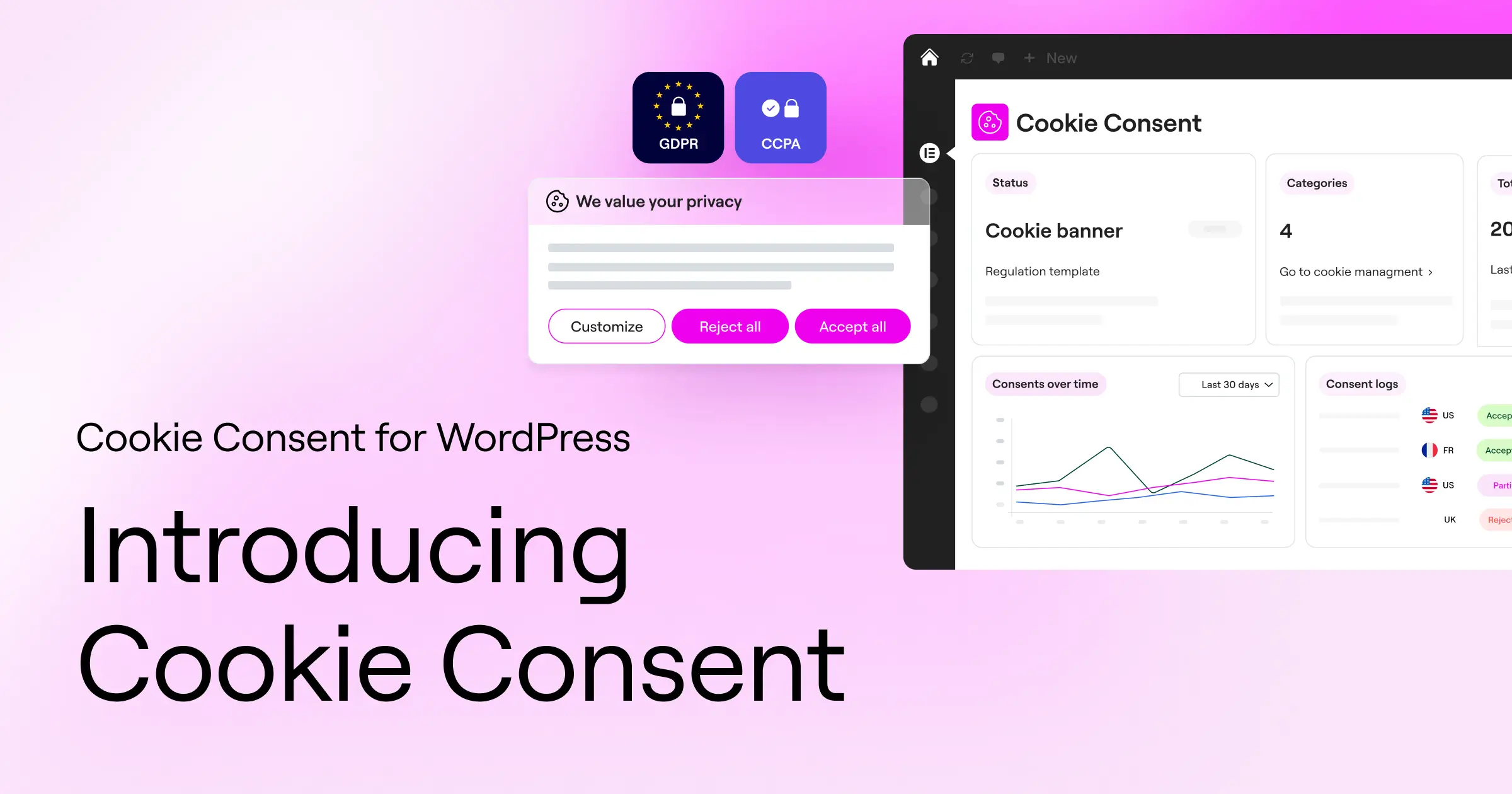
“A consent banner is just the front door of your compliance strategy. The real proof is in your consent logs. If you can’t export a clean, timestamped audit trail showing exactly when and how a user consented, you don’t have a legally defensible setup under modern privacy frameworks.”
– Itamar Haim, Web Compliance Specialist
Native Tools vs. External Platforms: Which is Best for You?
You’ll generally choose between native WordPress tools and external cloud platforms. Native tools keep your data in your own database, so there’s no fee just to store logs, and you manage everything from one screen.
External platforms host logs on their own servers. That’s handy if you run dozens of sites, but it adds monthly costs and a small performance hit from outside scripts. For most WordPress owners, staying native is the more practical route.
10 Best Ways to Set Up Consent Logging and Records
1. Cookie Consent by Elementor
If you’d rather manage privacy compliance without leaving your website editor, Elementor‘s built-in Cookie Consent capability handles it from your dashboard, no external accounts needed. It includes a policy generator, automatic script scanning, and full support for Google Consent Mode v2, with logs stored right in your WordPress database and setup taking under five minutes.
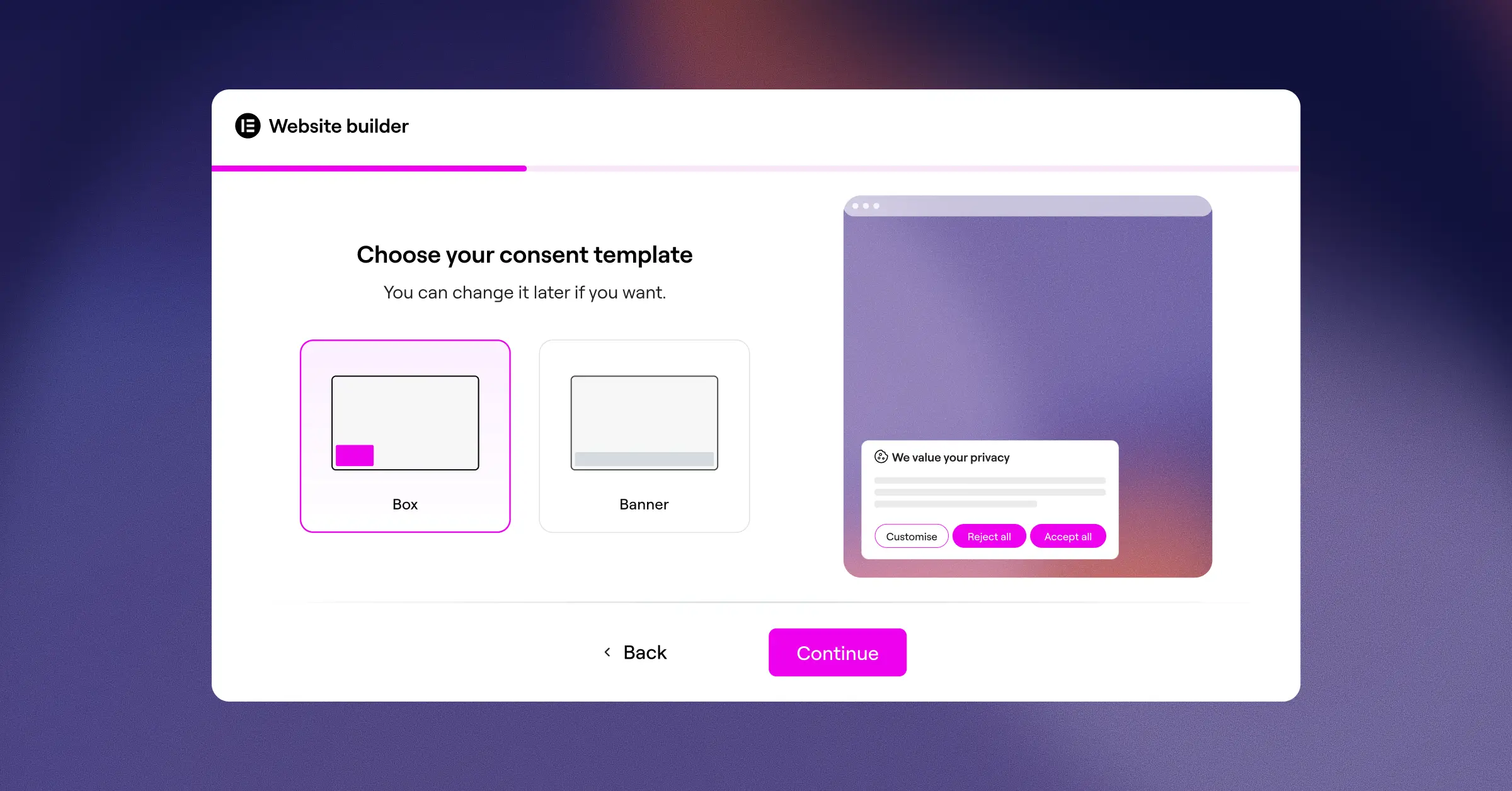
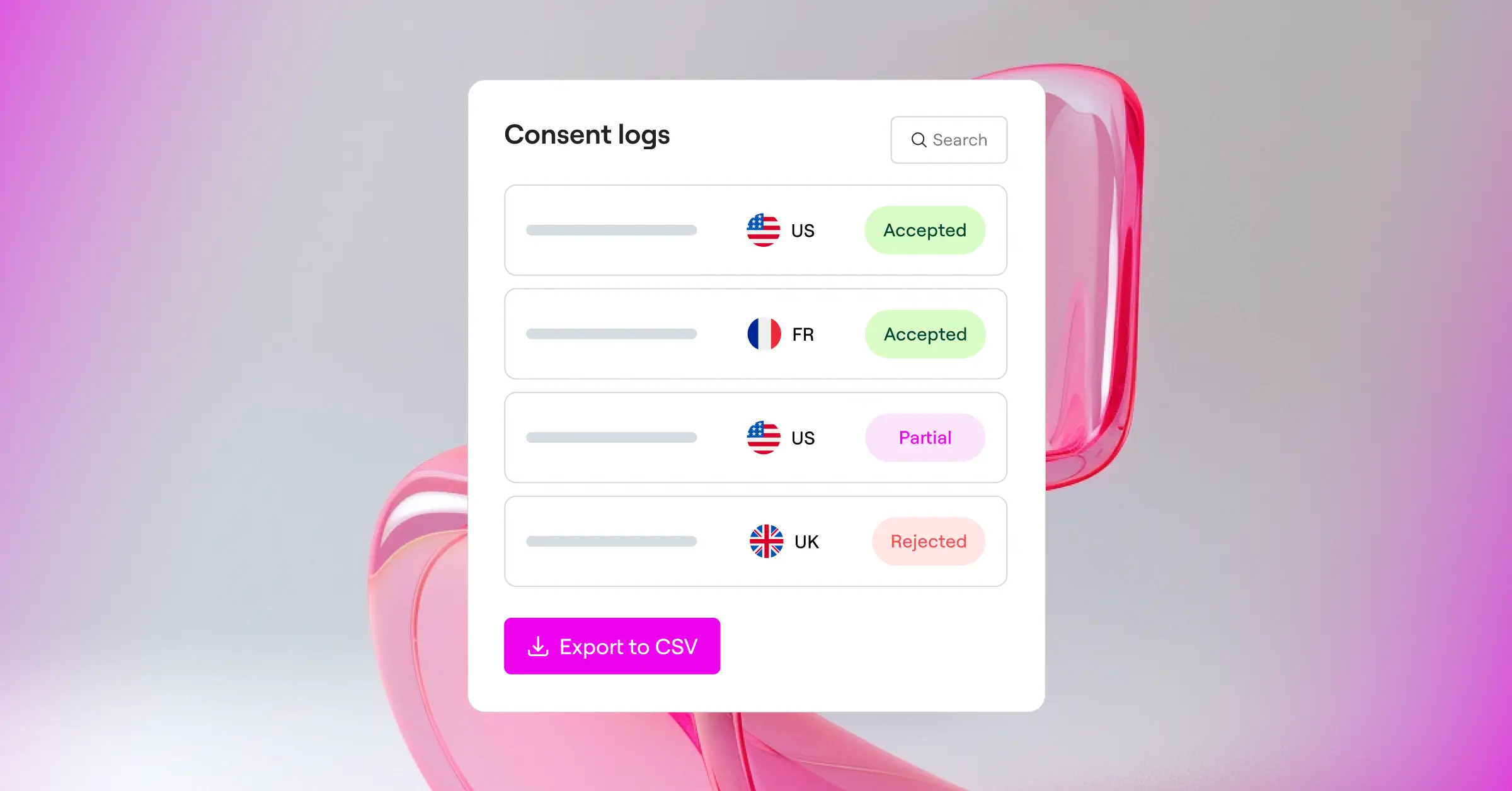
- Saves consent logs locally, secure and under your control.
- Builds customizable banners using your site’s existing design.
- Categorizes cookies and scripts automatically after a scan.
- Connects with Google Consent Mode v2 to protect marketing data.
- Supports Global Privacy Control (GPC) signals from browsers.
- Targets banners by location to stay regionally compliant.
Pros & Cons
- Pro, no external dashboards to manage.
- Pro, included natively, so you skip third-party fees.
- Pro, very low impact on page speed.
- Con, built for WordPress, not static HTML or Shopify sites.
Verdict: The top pick for WordPress owners who want speed, design control, and simplicity.
2. Cookiebot
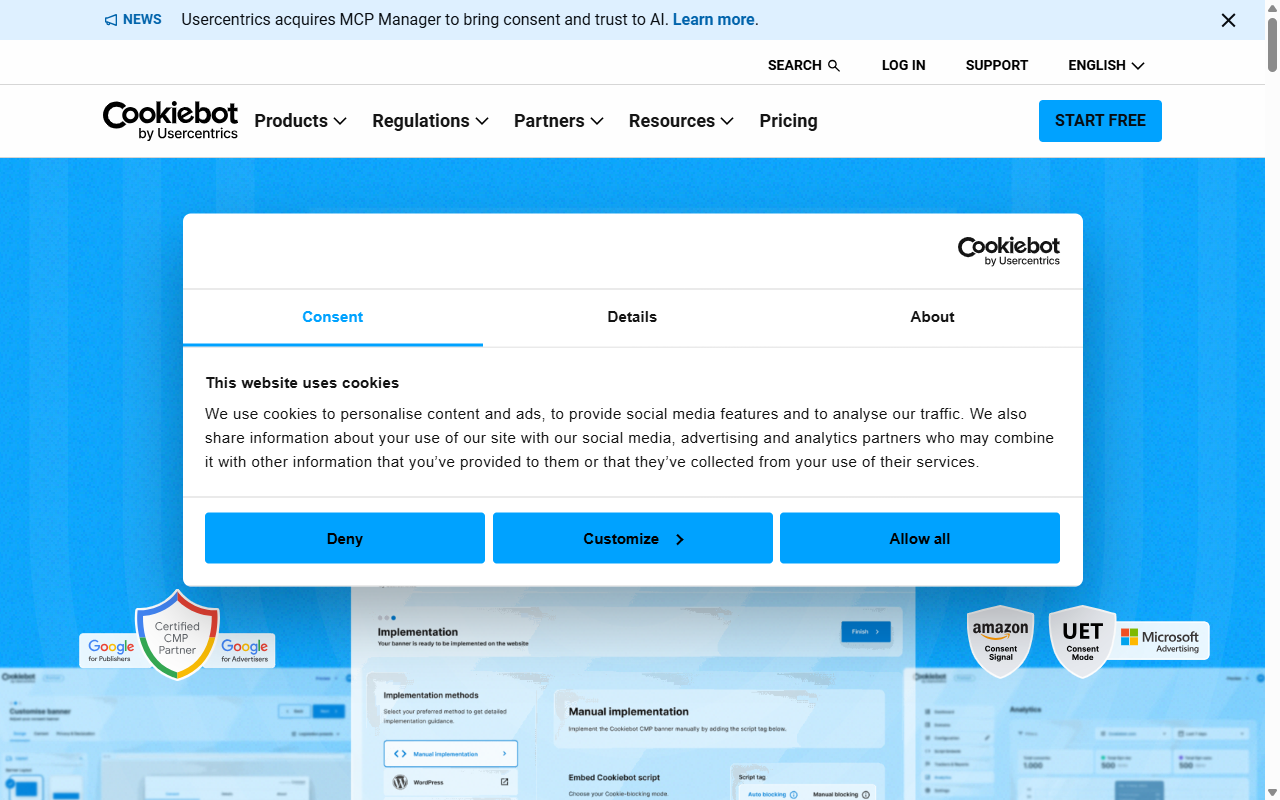
Cookiebot is a well-known enterprise compliance name. It runs as a cloud service, scanning your site on a schedule and updating logs in its own portal, though you’ll need that dashboard for audit records.
- Scans your site on a schedule for new scripts.
- Stores logs in a secure external cloud database.
- Blocks scripts until the visitor gives consent.
- Generates cookie declaration pages that self-update.
- Translates banners into dozens of languages.
- Adds a developer API for custom integrations.
Pros & Cons
- Pro, automated scanning keeps your cookie list current.
- Pro, cloud architecture trusted by global brands.
- Con, records mean logging into a separate dashboard.
Verdict: Solid for larger sites with bigger budgets wanting automated, cloud-hosted compliance.
3. CookieYes
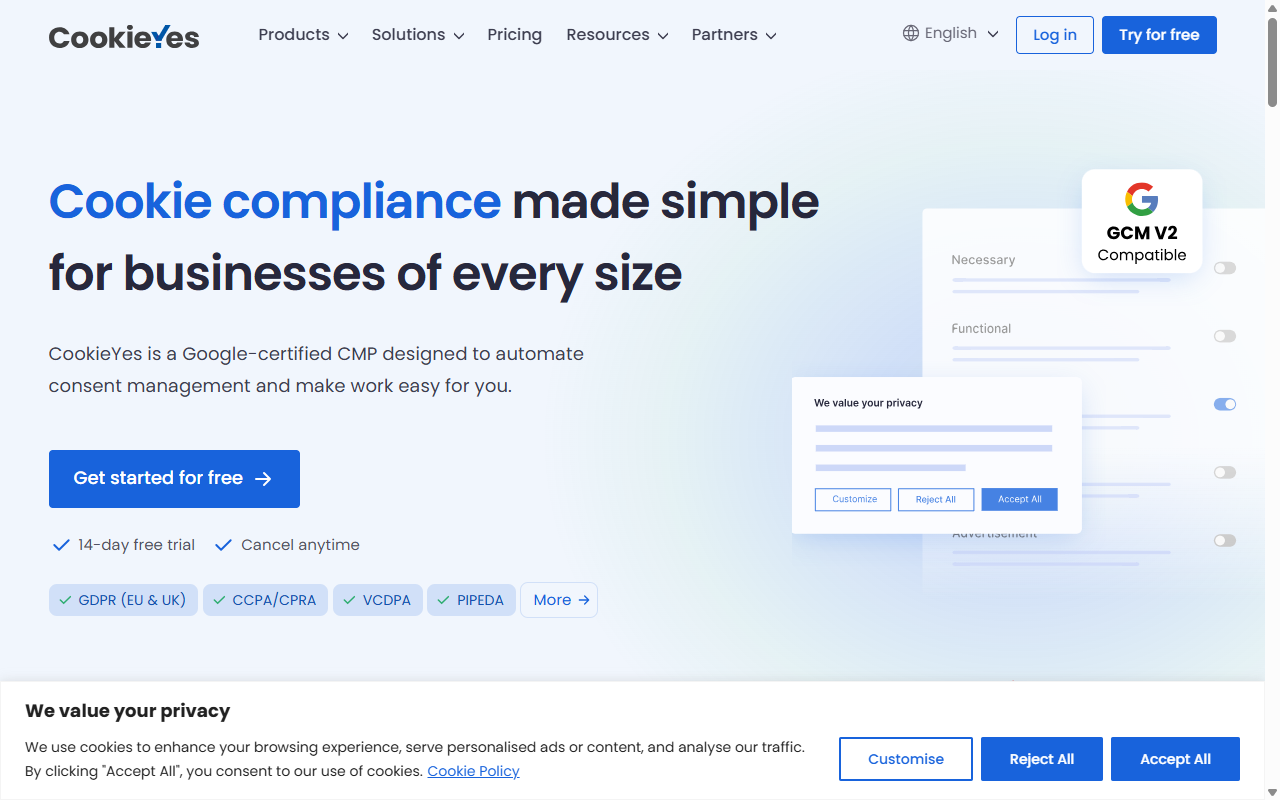
CookieYes offers a cloud app and a simple WordPress connector, with a clean interface that gets a banner running fast. The entry-level plan covers basic logging, but growing traffic means a premium tier for historical logs.
- Logs consent actions on external servers, keeping your database lean.
- Builds clean banners that don’t disrupt mobile layout.
- Identifies trackers using a pre-built cookie database.
- Handles opt-out requests for strict-privacy regions.
- Keeps historical records organized for quick exports.
- Integrates with major tag managers to control scripts.
Pros & Cons
- Pro, interface is intuitive and quick to configure.
- Pro, cloud storage keeps your database from growing too large.
- Con, the entry-level plan has monthly pageview limits.
- Con, external scripts can add a small load delay.
Verdict: Reliable if you don’t mind a subscription as your traffic grows.
4. Complianz
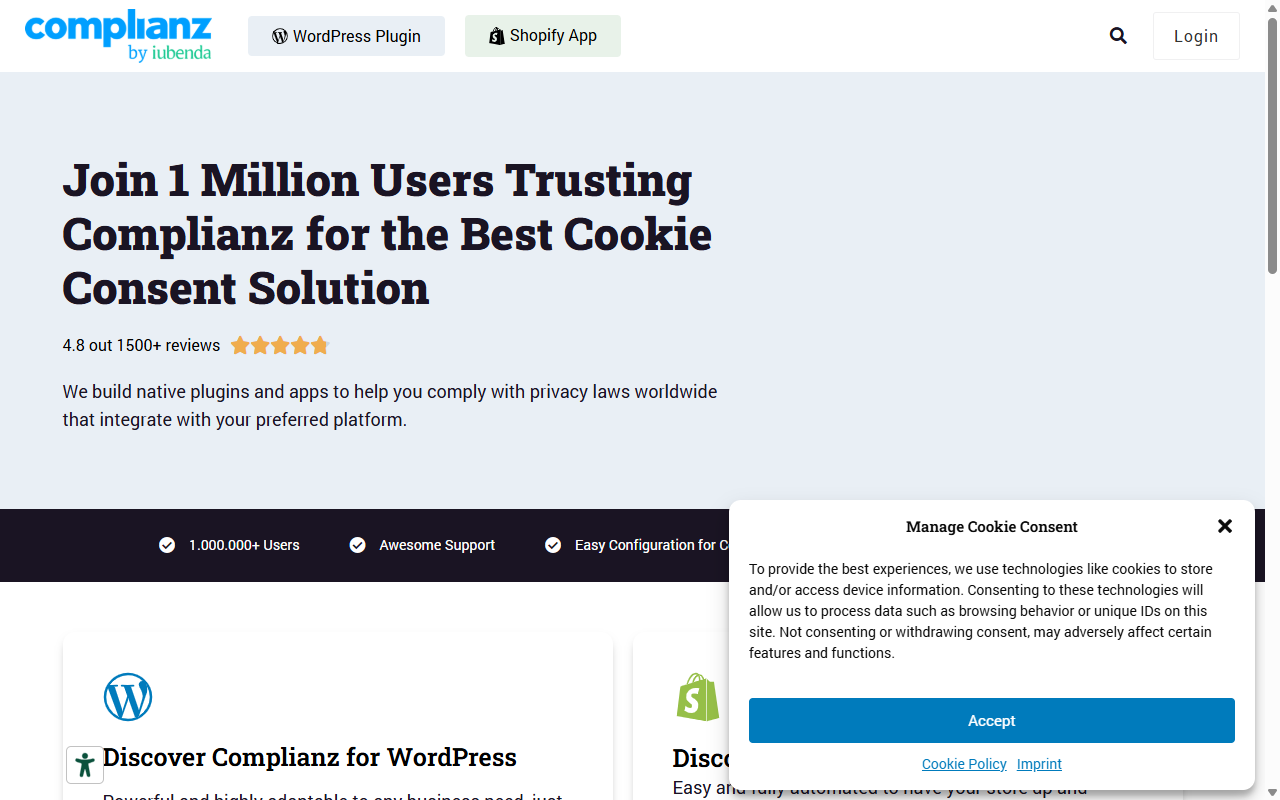
Complianz is built for WordPress, acting like a legal assistant that walks you through a wizard to find your exact privacy obligations. Your logs live in your own database, so you own your records permanently.
- Guides you through a setup wizard based on your region.
- Saves all consent records locally, no cloud subscription needed.
- Generates legal documents like cookie policies and terms.
- Detects whether you need GDPR, CCPA, or Canadian settings.
- Blocks social media embeds until consent is given.
- Works with caching tools to prevent display glitches.
Pros & Cons
- Pro, the setup wizard genuinely helps non-technical users.
- Pro, no external accounts, everything stays in one place.
- Con, the interface can feel busy with so many settings.
- Con, local logging can grow database tables on high traffic.
Verdict: Ideal for legal guidance plus self-hosted database control.
5. iubenda
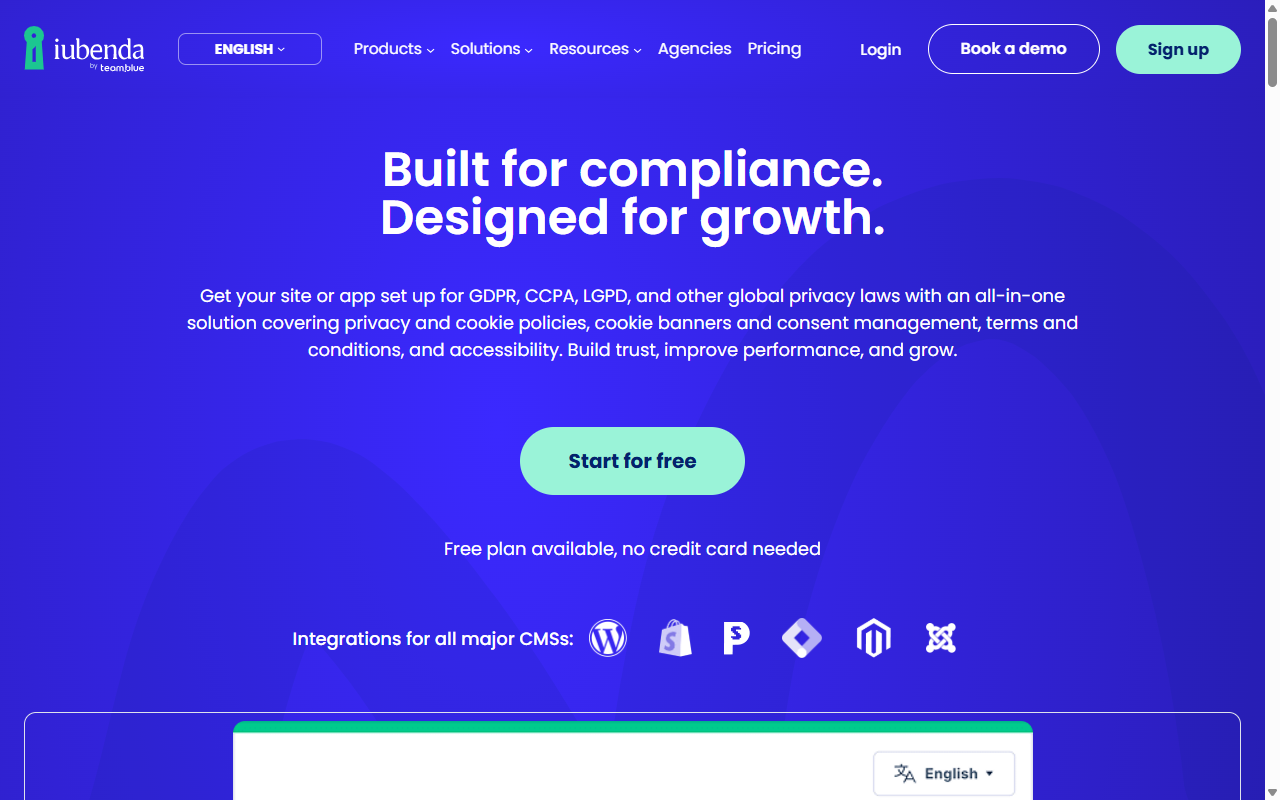
iubenda is built for businesses managing privacy policies, terms, and cookie consent across languages and regions. Records are stored on their cloud, built to meet strict evidentiary standards.
- Tracks detailed consent logs across multiple sites.
- Syncs banner settings with your privacy and terms policies.
- Saves timestamps and legal documents in a central cloud.
- Translates your whole compliance setup automatically.
- Updates banner wording when regional laws change.
- Supports complex tag configurations for marketing setups.
Pros & Cons
- Pro, legal backing means high compliance standards.
- Pro, great for managing multiple sites from one dashboard.
- Con, script blocking setup can be tricky for non-developers.
Verdict: Solid for growing businesses needing a legally backed cloud suite.
6. OneTrust
OneTrust is a major enterprise platform for large organizations managing compliance across web, mobile, and internal databases. It’s very capable at scale, but usually too costly for a typical WordPress site.
- Maintains enterprise-grade logs with full version tracking.
- Builds compliance workflows for different departments.
- Scans complex web networks to categorize cookies.
- Connects with internal databases to sync consent.
- Produces presentation-ready reports for stakeholders.
- Protects user data with cloud-based encryption.
Pros & Cons
- Pro, extensive features for enterprise-scale compliance.
- Pro, trusted by large global organizations.
- Con, complex interface needs professional training.
- Con, pricing reflects enterprise positioning.
Verdict: The go-to for large corporations needing deep compliance structure.
7. Osano
Osano is a cloud platform focused on simplicity and risk reduction, backed by a compliance pledge covering you if it falls short. The system adjusts based on visitor location.
- Stores logs in a secure, tamper-proof cloud vault.
- Adjusts banner visibility by geographic location.
- Categorizes scripts using an expert-verified database.
- Blocks unknown trackers to prevent data leaks.
- Monitors vendor relationships to flag privacy risks.
- Simplifies data subject access requests (DSAR).
Pros & Cons
- Pro, compliance pledge offers real peace of mind.
- Pro, geo-targeting keeps banners off in unregulated regions.
- Con, monthly costs run higher than native options.
- Con, limited styling makes matching your branding harder.
Verdict: Premium choice for strong legal protection and a managed cloud.
8. Termly
Termly bundles a privacy policy generator, terms builder, and cookie consent manager for small businesses. It’s affordable and simple, a fair starting point for bootstrapped startups.
- Saves logs securely in the cloud, no database bloat.
- Generates legal policies tied to your consent banners.
- Scans your site on schedule to keep declarations accurate.
- Ships pre-built banner styles that look clean on mobile.
- Blocks tracking scripts until visitors accept your terms.
- Translates compliance messages into European languages.
Pros & Cons
- Pro, solid all-in-one package for small budgets.
- Pro, easy to configure without technical knowledge.
- Con, entry-level plan has traffic limits and branding.
- Con, custom design stays limited on lower tiers.
Verdict: Cost-effective for startups wanting an all-in-one logging system.
9. WP DSGVO Tools (GDPR)
Built for strict German and European privacy rules, this tool focuses on local, self-hosted storage, so visitor data never heads to third-party clouds without permission. The interface is utilitarian, prioritizing compliance over polished design.
- Records consent locally to meet strict EU export rules.
- Integrates with local cookie blockers to stop tracking early.
- Anonymizes visitor IP addresses automatically within the logs.
- Handles integrations with local contact forms and newsletters.
- Generates easy-to-read exports for data protection authorities.
- Maintains a dedicated database table for consent logs.
Pros & Cons
- Pro, built for strict European data protection rules.
- Pro, keeps all data within your own hosting.
- Con, the interface looks dated with a steeper learning curve.
- Con, lacks advanced cloud reporting for multi-site managers.
Verdict: Specialized for European site owners wanting zero data leakage.
10. Custom Database Logging
If you want total control over your site’s footprint, building a custom database table for consent logs is a viable path. It takes real technical skill to build and maintain, and you’ll design your own way to anonymize data safely.
- Writes consent entries directly to a custom table.
- Eliminates third-party script loading for maximum performance.
- Customizes the exact data points your legal team needs.
- Allows complete design freedom, built from scratch.
- Saves money by avoiding subscriptions or pageview fees.
- Integrates with any server-side caching system you run.
Pros & Cons
- Pro, unmatched performance and complete data ownership.
- Pro, no recurring fees or third-party scripts.
- Con, requires development skill to build and maintain.
- Con, no automatic updates when privacy laws change.
Verdict: Best for high-traffic sites with in-house developers wanting full control.
Consent Logging Systems Comparison
To help you pick the right approach, here’s a quick look at how the top systems handle storage, setup, and their main benefit.
| Solution | Storage Location | Setup Complexity | Primary Benefit |
|---|---|---|---|
| Cookie Consent (Elementor) | WordPress-Native (Local) | Low (Under 5 mins) | Dashboard integration with no external fees |
| Cookiebot | External Cloud | Medium | Automated scanning and enterprise reliability |
| CookieYes | External Cloud | Low | Cloud logs that prevent local database bloat |
| Complianz | WordPress-Native (Local) | Medium | Detailed step-by-step legal wizard |
| iubenda | External Cloud | High | Legally backed multi-language compliance suite |
| OneTrust | Secure Cloud Portals | Very High | Enterprise compliance tracking for large organizations |
How to Set Up Your Consent Logs: A Simple Step-by-Step Guide
Setting up your logs doesn’t have to be stressful. Here’s how to build a compliant system using a native tool like Cookie Consent.
Step 1: Activate Your Consent Capability
Log into your WordPress dashboard and, if you’re using a native tool like Cookie Consent, activate the capability from your site settings.
Step 2: Run an Initial Cookie Scan
Your system needs to know which cookies your site is using. Run the automatic scanner, it checks every active script and groups them into categories like marketing, statistics, and necessary cookies.
Step 3: Choose Your Design and Consent Model
Design your banner so it matches your brand. Set your consent logic by audience, if you serve EU visitors, use an opt-in model where tracking stays blocked until someone clicks “Accept.”
Step 4: Enable the Consent Registry
Make sure your logging database is active under your consent settings. Once enabled, the system records anonymized transaction IDs, timestamps, and consent status for every visitor.
Step 5: Verify Your Setup
Open your site in a private window, interact with the banner, then check your dashboard to confirm a new, anonymized record was written. That quick test means you’re ready for any audit.
What Actually Goes Into a Compliant Consent Log?
Many site owners log too much personal information in their audit trails, which can accidentally violate the very privacy laws they’re trying to follow.
- The Cryptographic Consent Token, a unique, randomized string tied to the user’s browser session, verifying their choice without identifying who they are.
- The Precise Timestamp, the exact date and time of the decision, since consent isn’t permanent and needs tracking over time.
- The Consent State, a clear breakdown of what the user accepted. For example: “Marketing: Yes, Analytics: No, Functional: Yes.”
- The Banner Configuration Version, showing which version of your banner the visitor actually saw.
Keep your logs focused on these details, and you protect your business while keeping your database lean and fast.
Frequently Asked Questions
What is consent logging?
Consent logging records when a visitor agrees to let you track them using cookies or scripts. It’s legal proof they accepted your tracking before their data was processed, a key requirement under frameworks like GDPR.
Do I really need to keep records of cookie consent in 2026?
Yes. A banner alone no longer meets legal requirements. If an auditor or visitor challenges your compliance, you need a timestamped trail showing exactly how and when that user consented.
Where are my consent logs stored when using a native tool?
With a native tool like Cookie Consent, your records save directly in your WordPress database, keeping data under your control with nothing sent to outside platforms.
Does keeping consent logs slow down my website?
With a lightweight native capability, the impact is barely noticeable. Native tools write directly to your local database without heavy external calls, so pages stay fast.
Can I store visitor IP addresses in my compliance logs?
No, storing raw IP addresses actually violates privacy laws, since an IP address counts as personally identifiable information. Compliant systems anonymize or hash IP addresses to protect identity while still providing a valid audit trail.
How long do I need to keep my consent records?
Most legal experts recommend keeping records for at least three to five years, depending on the regulations covering your audience, lining up with how far back authorities can typically audit.
Does my logging setup need to support Google Consent Mode v2?
Yes, if you use Google Ads or Google Analytics to track performance, your tool needs to support Google Consent Mode v2, which passes visitor preferences straight to Google’s systems to keep tracking compliant.

