The creators of Elementor are introducing a new AI platform designed to extend what web creators can build. Sticklight is built on groundbreaking technology that enables creators to build apps, dashboards, and complex systems using natural language, while keeping full control over structure, logic, and output.
It started with a simple idea: give creators control.
For over a decade, Elementor has helped millions of web creators turn ideas into real, professional websites. Today, more than 22 million sites run on Elementor. That’s over 13% of the entire internet.
But the real story isn’t the number.
It’s what those numbers represent.
Designers launching their first client project. Freelancers building a business from scratch. Agencies scaling faster, without adding complexity. For the first time, they didn’t have to rely on developers to bring their ideas to life.
They could plan, build, and launch on their own terms.
Want to try Sticklight? Early adopters can start for free
What’s changing in web creation
Over the past year, something else has changed.
AI models have absorbed decades of development knowledge: patterns, logic, and implementation approaches that once took years of experience to master.
As a result, writing code is no longer the primary constraint it used to be.
You can generate it in minutes. Tweak it. Explore ideas without getting stuck on syntax or setup.
But that didn’t make building easier. It just moved the challenge elsewhere.
These days, the real work begins after the code is written. Web creators need to determine:
- How to structure the app so it actually holds up
- How to refine it so it’s not just functional, but usable
- How to turn quick output into something stable, scalable, and ready for production
The scope of creation is expanding
Because of this shift, the definition of what creators can build is expanding.
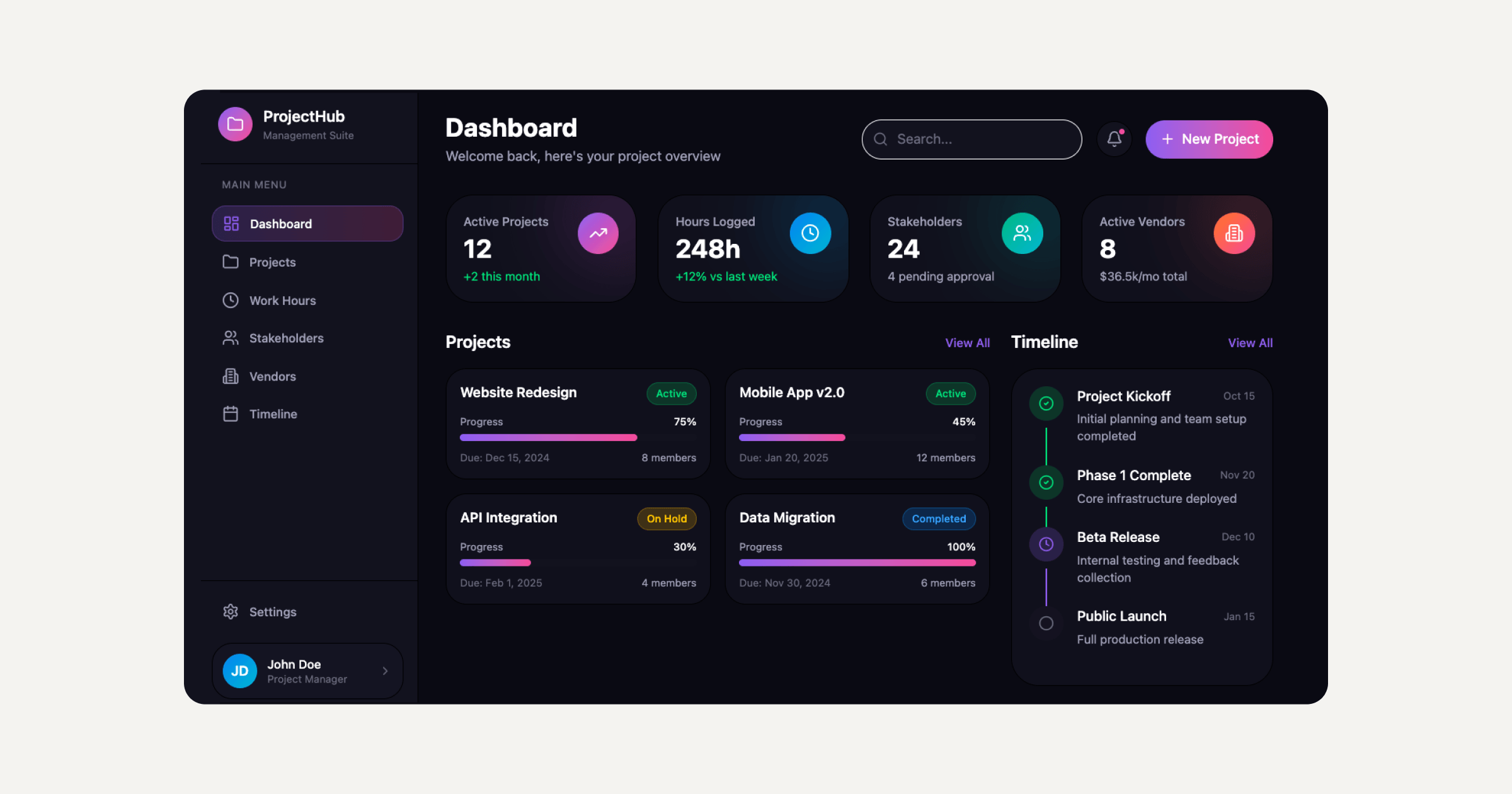
What used to require a full development team is now within reach: from client dashboards and internal tools to booking systems, data-driven experiences, and full digital products.
This expansion doesn’t replace websites. It builds on them.
With Sticklight, Elementor extends what creators can do, opening a new layer of creation that sits alongside the websites you already build.
What used to be out of scope is now part of your workflow.
Two complementary ways to build
Today, creators don’t have to choose a single way to build.
You can move between two complementary paths, each designed for a different kind of output, but working together as part of the same flow.
1. Elementor Editor
The Editor is a proven platform for building professional WordPress websites. Focused on design control, performance, and scalability.
With AI capabilities like Angie, creators can generate custom Elementor widgets and WordPress assets, layouts, and content, and code directly within their workflow – while maintaining full control over every detail.
2. Sticklight
Sticklight is a new AI platform that also works as a standalone tech stack, designed for building applications, systems, and logic-driven products.
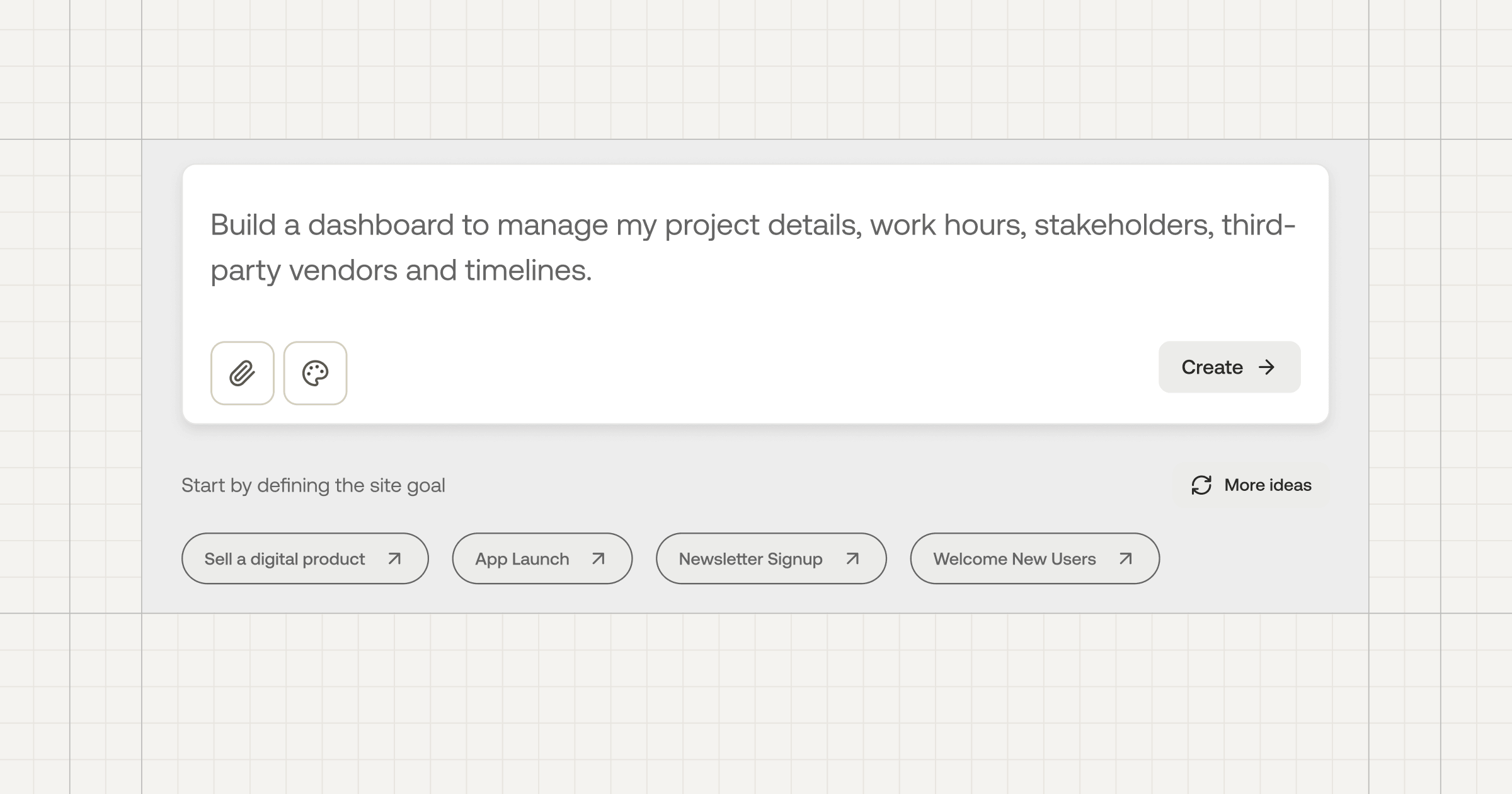
Using natural language, you can define what you want to build and generate a working foundation that you can refine, extend, and take to production.
Sticklight expands your creation stack
Sticklight is built for a different layer of creation: not just pages, but the systems behind them.
It goes beyond layouts into logic, allowing you to generate application structure from intent, define workflows and business logic, and connect data and integrations.
From there, you can refine both the UI and the underlying code, shaping the product exactly as needed and delivering it all the way to production.
You’re not locked into generated output. Every part of it stays accessible so you can step in, restructure the logic, refine the details, and shape it into something that actually holds up in production.
The role of the creator is evolving
As the scope of what you can build expands, so does your role.
You’re no longer just executing projects or assembling pages. You’re shaping how things work, defining structure, logic, and how they solve real problems.
You’re thinking beyond layouts.
- How does this flow?
- How does it scale?
- How does it handle real usage, real data, real complexity?
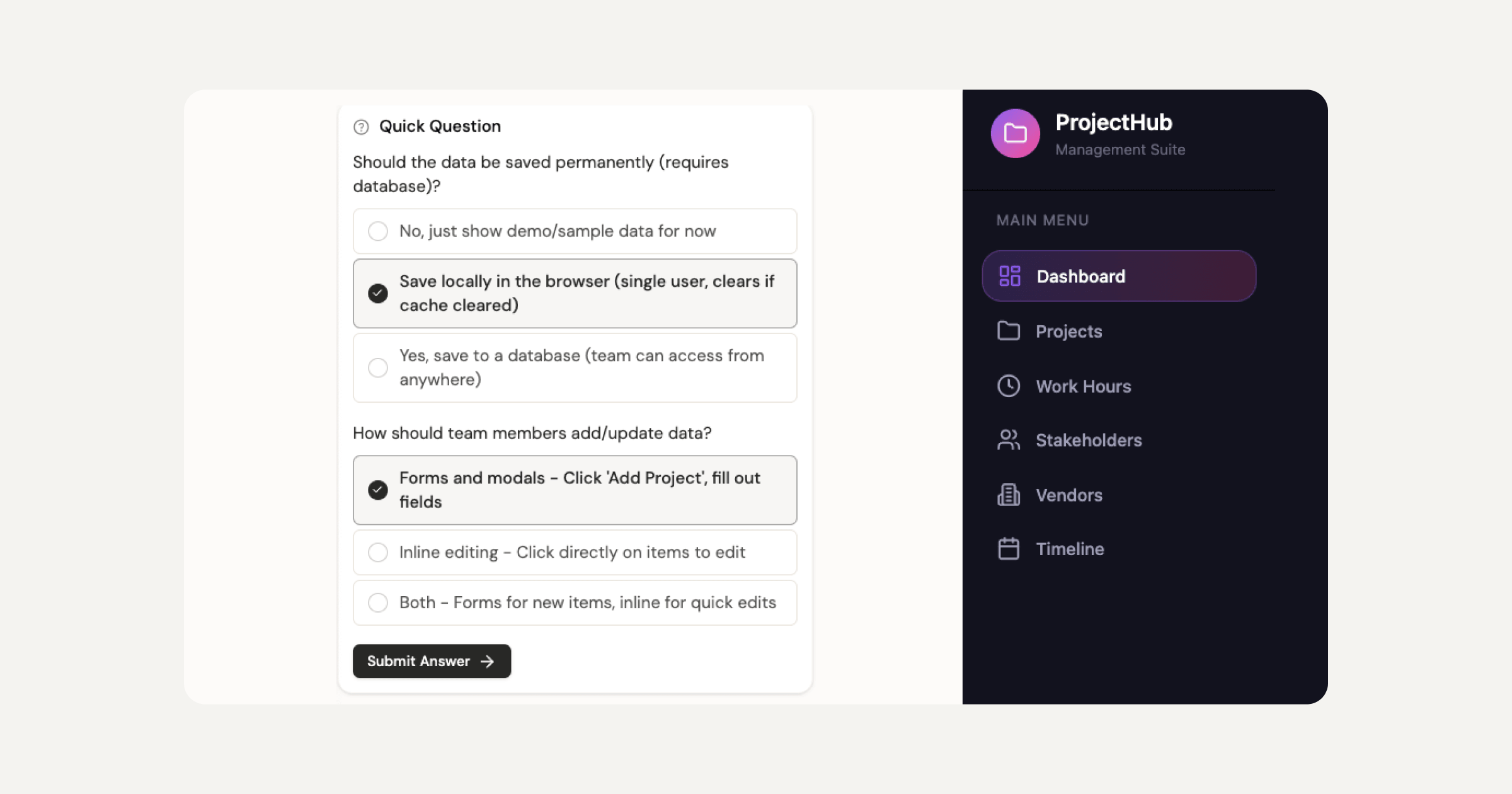
You can even use Plan Mode to ask questions, brainstorm ideas, and map things out ahead of time, so what you build later is faster and more precise.
That shift changes the nature of the work.
What you already do remains the foundation: design, structure, and user experience. But now, it extends into systems, into functionality, into solving problems that go beyond the page.
You’re not just building websites.
You’re building products.
Control remains the constant
Control has always been at the core of how creators build with Elementor.
That hasn’t changed.
Even as AI takes on more of the heavy lifting, you remain in control of every detail, from structure to logic to every pixel on the screen.
That’s the foundation Elementor established.
Sticklight builds on it, extending that same level of control into a new layer of creation where you’re not just designing interfaces, but shaping how products actually work.
You lead. The system follows.
Beyond websites: what comes next
Creators are already using Sticklight to build real products:
- Internal tools that simplify client work.
- Custom dashboards that bring data to life.
- Functional MVPs that move ideas forward faster.
- Full application layers that go beyond the website.
It’s already happening, and it’s just the beginning.
The gap between idea and execution is shrinking. Fast. What used to take teams, time, and heavy development cycles can now start with a single creator and a clear direction.
That shift puts creators at the center of what comes next.
Closer to the idea. Closer to the build. Closer to the outcome.
Final thoughts: your next step
Web creation has always been about momentum.
Taking an idea, shaping it, and getting it live. Then doing it again, faster, better, with more control each time.
Elementor helped creators take ownership of that process. It removed the barriers between design and delivery, and gave millions the ability to build and launch on their own terms.
Sticklight builds on that foundation.
It extends what you do, enabling you to move beyond pages into systems, products, and more complex digital experiences, without losing the control you rely on.
The way you build is evolving. What you can build is expanding. And where you take it next is up to you. If you’re ready to extend your toolkit and take on more complex projects, Sticklight is now available.
Want to try Sticklight? Early adopters can start for free
FAQs
1. What is Sticklight, and how is it different from Elementor?
Sticklight is a new AI platform from the team behind Elementor, designed to extend what web creators can build. While Elementor focuses on creating professional websites, Sticklight is built for applications, dashboards, and logic-driven systems.
Together, they give you two complementary ways to build — from websites to full digital products.
2. Do I need to know how to code to use Sticklight
No.
You can describe what you want to build using natural language, and Sticklight generates a working foundation. From there, you can refine, edit, and customize everything — with or without code.
You stay in control at every step.
3. Am I locked into what Sticklight generates?
Not at all.
Generated output is just the starting point. You can access and modify every part, including structure, logic, and UI, so you can refine it, restructure it, and take it all the way to production.
You can even edit the code itself and export it.
4. How does Sticklight fit into my existing Elementor workflow?
Sticklight doesn’t replace Elementor. It extends it.
Use Elementor to build and manage your websites. Use Sticklight to build the systems behind them, such as dashboards, internal tools, or application layers.
Both work together as part of a broader creation workflow.
5. What can I actually build with Sticklight?
Creators are already building:
- Internal tools for clients
- Custom dashboards
- Booking and workflow systems
- Functional MVPs
- Full application layers
If it involves structure, logic, and real functionality, it’s within reach.
6. Can I publish projects built with Sticklight?
Yes.
You can publish your project directly from Sticklight and get a live Sticklight URL instantly.
You can also connect your own domain so that real users can access your application or system just like any production product.