
Managing privacy compliance on your website can feel like a never-ending job, especially with laws that keep shifting. Every time you add a new analytics tool or embedded video, fresh tracking scripts turn up on your site.
If you run a WordPress site, you need a reliable way to scan for those trackers, so your visitors stay protected and your brand stays on the right side of regulators. The right tool scans automatically and sorts what it finds into clear categories. We’ve rounded up the best options for WordPress this year, from free tools to full enterprise platforms.
Key Takeaways
- Automatic scanning matters, since tracking scripts change often and keeping up by hand isn’t realistic.
- Native WordPress compliance saves time, since you skip a separate external account.
- Google Consent Mode v2 is a must if you run Google Ads or Analytics for European visitors.
- Lightweight tools that don’t slow your page down are worth prioritizing, since core web vitals affect rankings too.
- Accuracy counts, so pick a scanner that catches hidden trackers, not just the obvious ones.
Why Cookie Scanning Matters for WordPress Sites in 2026
Privacy regulators worldwide have stepped up enforcement in recent years. A simple “we use cookies” banner isn’t enough anymore. Laws like GDPR in Europe and CCPA in California require you to give users real, granular control over their data, so you need to know what cookies your site runs.
Every time you install a new analytics tool or embedded video player, new tracking scripts get added to your site, often setting third-party cookies without you realizing it. Regular scans help you find those hidden trackers, sort them into categories, and block them until visitors give clear consent.
Comparison of the Best Cookie Scanning Tools
Here’s how these tools stack up: dashboard type, scan frequency, and policy generator support.
| Tool Name | Dashboard Type | Scan Frequency | Policy Generator Included | Consent Mode v2 Support |
|---|---|---|---|---|
| Cookie Consent | WordPress Native | Automatic | Yes | Yes |
| Cookiebot | External Dashboard | Monthly (Auto) | No (Separate) | Yes |
| CookieYes | Hybrid | Monthly / On-Demand | Yes | Yes |
| Complianz | WordPress Native | Weekly / Monthly | Yes | Yes |
| iubenda | External Dashboard | On-Demand | Yes | Yes |
| OneTrust | External Enterprise | Scheduled / Manual | Yes | Yes |
| Termly | External Dashboard | Weekly (Auto) | Yes | Yes |
| Osano | External Dashboard | Monthly | Yes | Yes |
| GDPR Cookie Consent | WordPress Native | Manual / Scheduled | No | Yes |
| Securiti | External Enterprise | Scheduled | Yes | Yes |
1. Cookie Consent
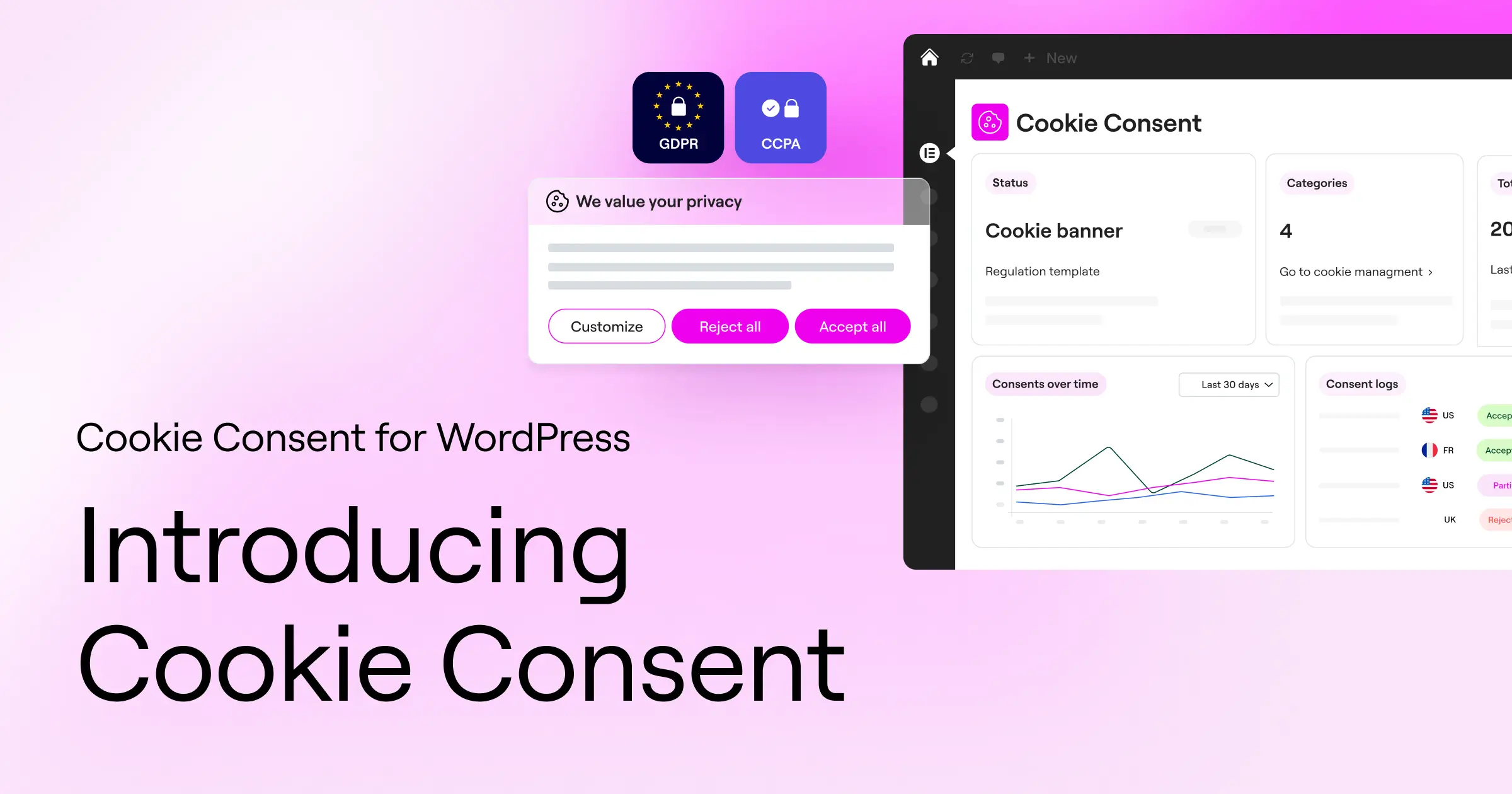
If you want a simple, built-in way to handle privacy compliance, Elementor‘s Cookie Consent capability is worth a look. It runs entirely inside your WordPress dashboard, so you skip separate logins and extra cloud storage. Setup takes under five minutes (it’s simpler than it sounds).
Cookie Consent is built for WordPress owners who care about speed and clean design. It scans your site, sorts cookies into clear groups, and lets you build brand-aligned banners without touching code. It also covers Google Consent Mode v2 and Global Privacy Control, keeping you compliant without slowing your site down.
Key Features
- Scans your site automatically for active cookies and tracking scripts.
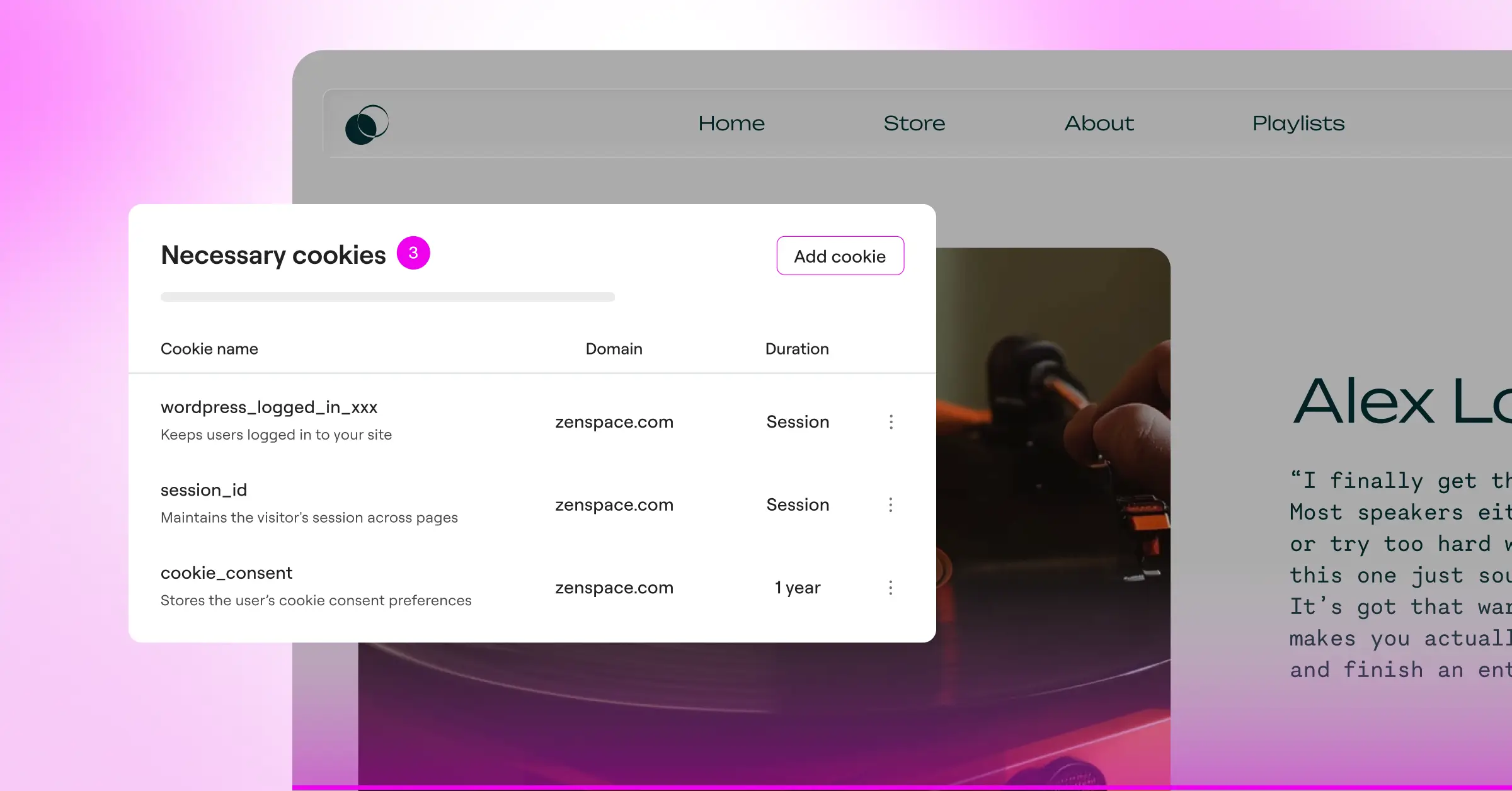
- Categorizes trackers into necessary, marketing, and analytical groups.
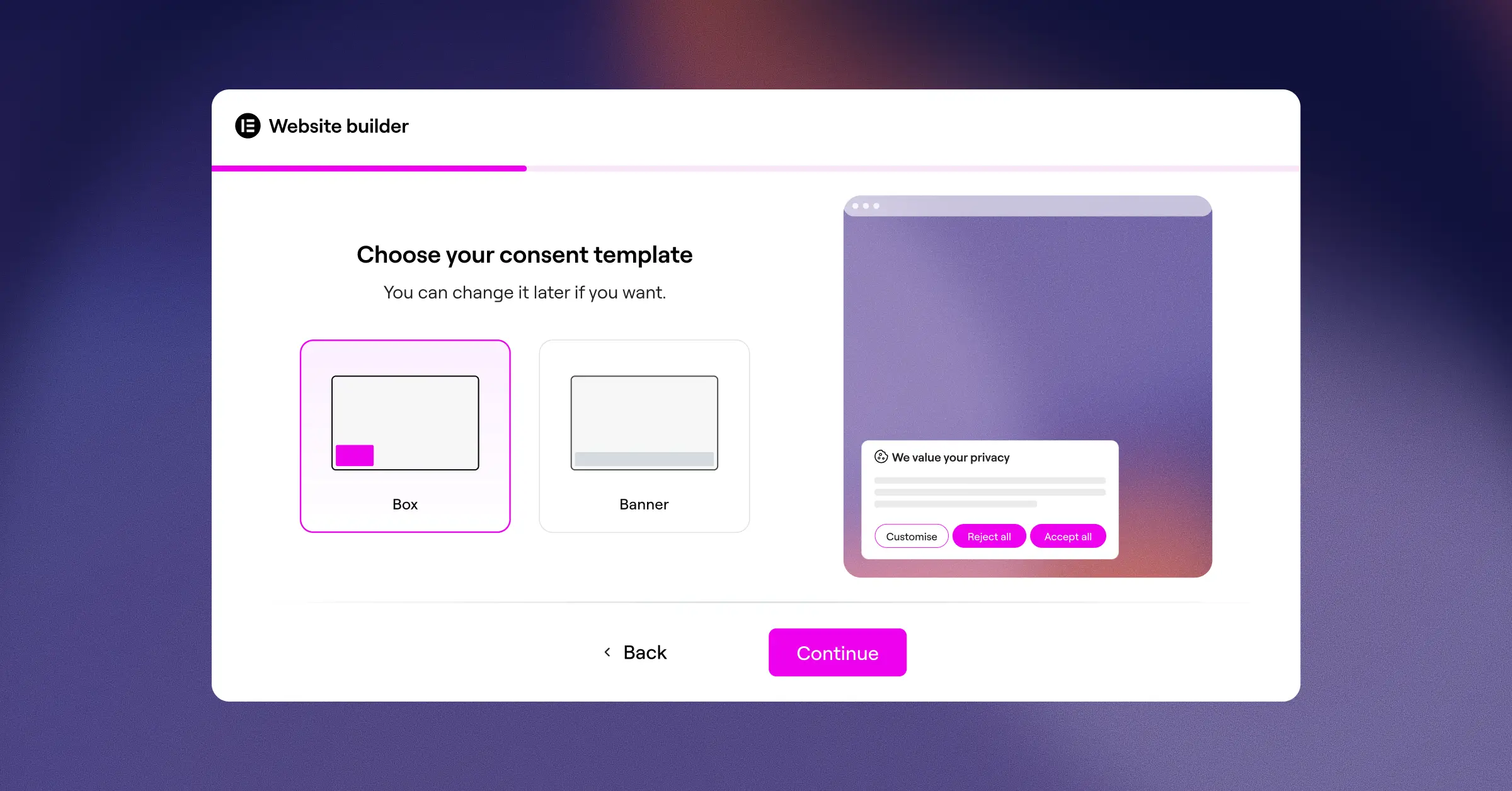
- Builds custom banners from templates that match your brand.
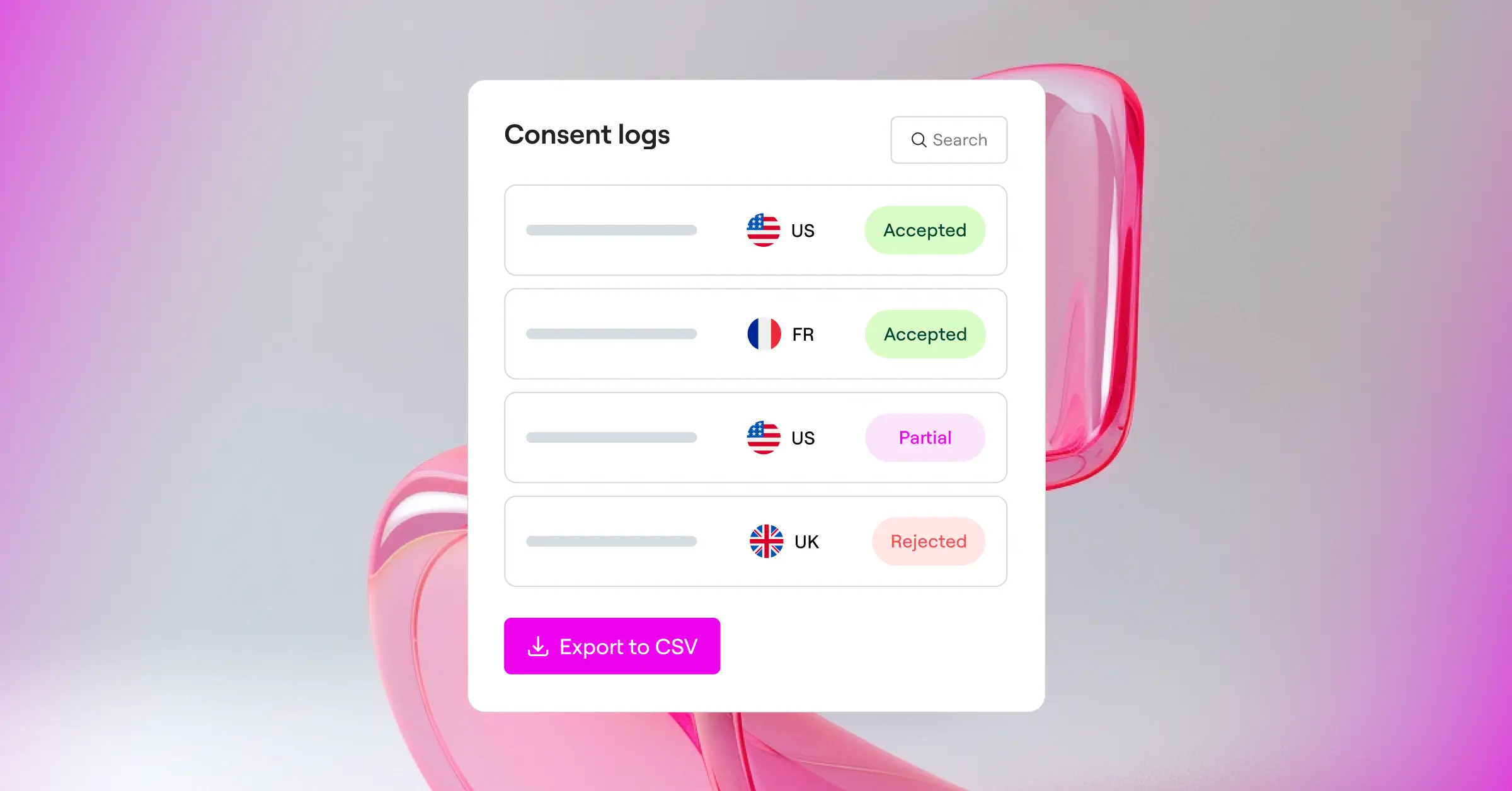
- Logs visitor consent actions for a secure audit trail.
- Targets banners to specific regions with built-in geo-location.
- Generates draft privacy policies to save you hours of writing.
Pros & Cons
Pros: No external dashboards, fast setup, fully integrated with the WordPress editor, and included in Elementor One packages.
Cons: Best suited to WordPress-centric sites rather than multi-platform setups.
Our Verdict
For WordPress users who want a simple, native experience without managing multiple accounts, Cookie Consent is the easiest choice here. It keeps your dashboard clean, your site fast, and your compliance audit-ready. You’ve got this.
2. Cookiebot
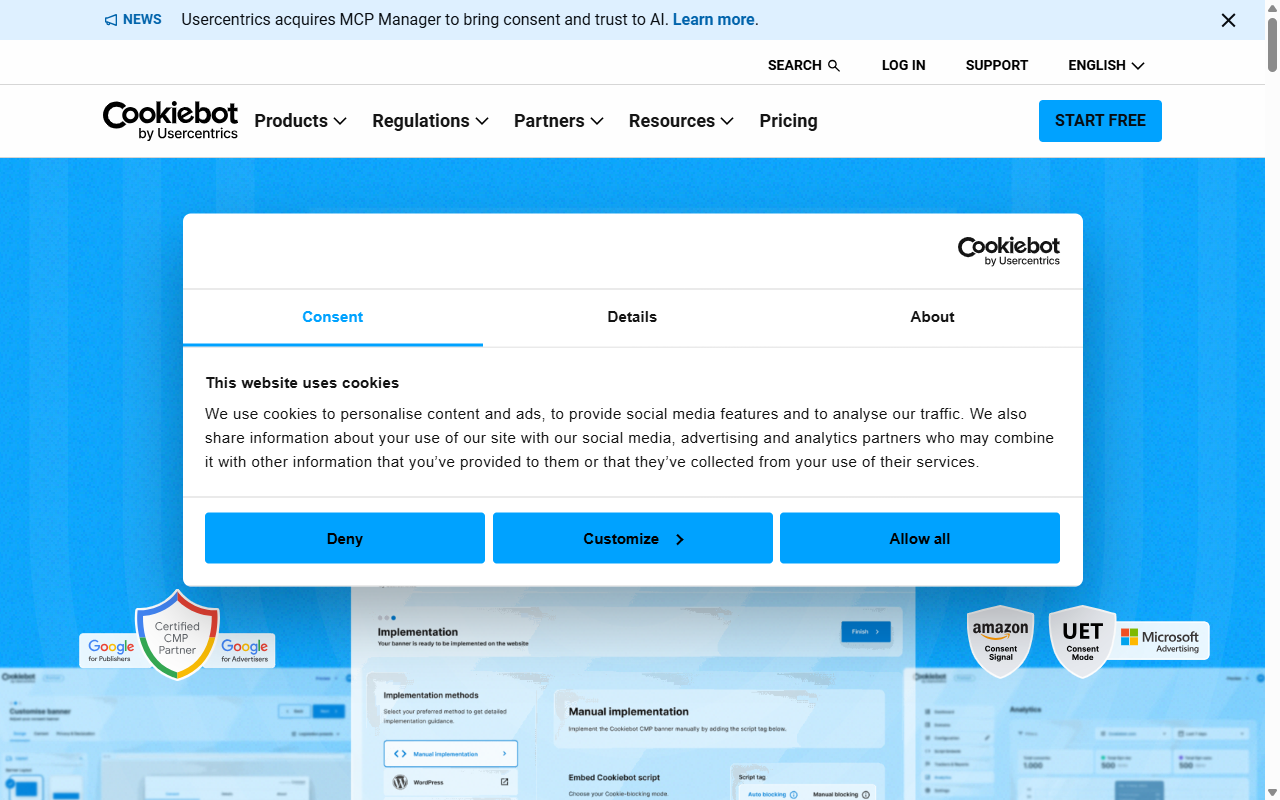
Cookiebot is a well-known cloud compliance name. A small script connects your site to an external scanner that crawls your pages, finds cookies and tracking tech, and blocks them until a visitor picks a consent level. Settings live in an external dashboard, but the detection engine is well respected among privacy professionals.
Key Features
- Detects hidden trackers and third-party scripts across your public pages.
- Blocks scripts dynamically until a visitor gives explicit consent.
- Delivers monthly automated reports on new cookies found.
- Supports multiple languages for global audiences.
Pros & Cons
Pros: Thorough scanning, solid automation, strong support for global privacy rules.
Cons: Requires an external account, and pricing scales with your page count or traffic.
Our Verdict
Cookiebot suits large sites with hundreds of pages that want deep, automated scanning reports on a regular schedule.
3. CookieYes
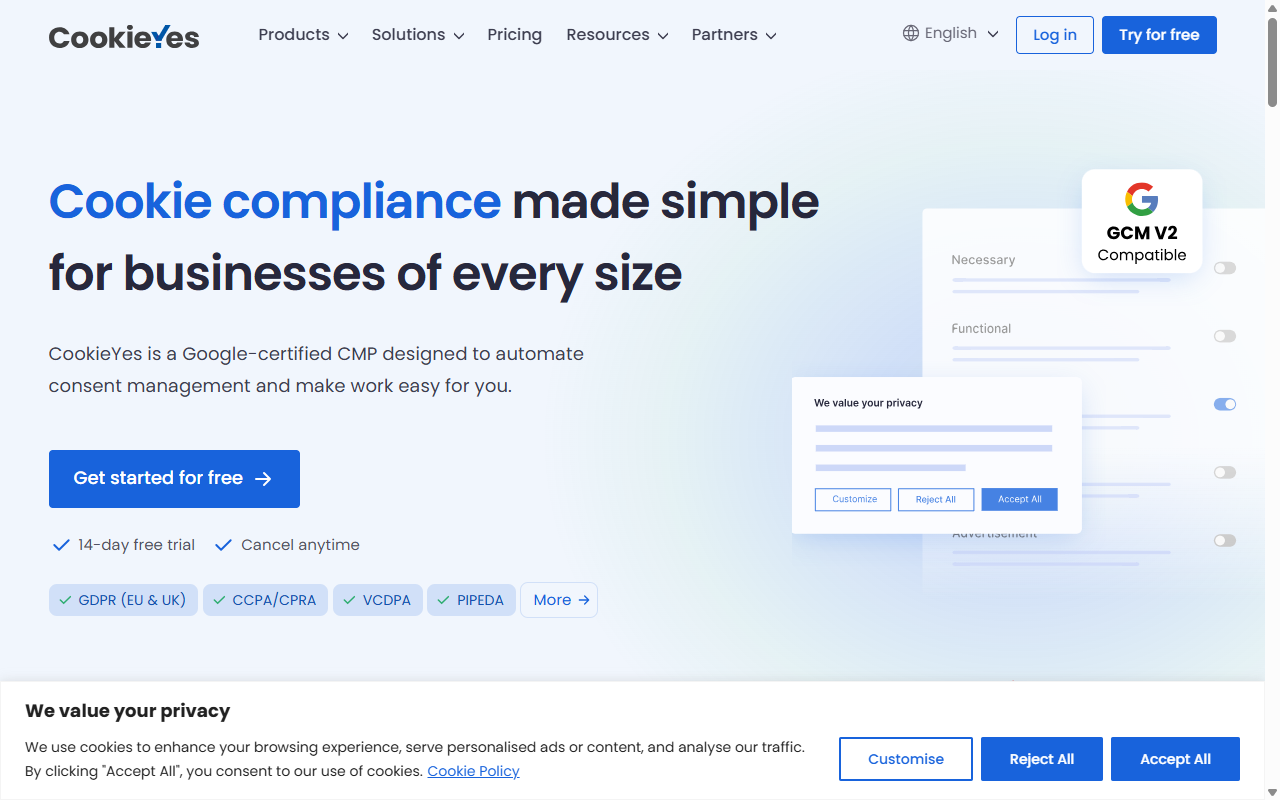
CookieYes takes a hybrid approach: a simple WordPress integration paired with a cloud dashboard, handy for agencies managing several client sites from one account. The scanner runs quickly, sorts cookies into necessary, functional, or analytical groups, and covers major privacy laws, including CCPA and GDPR.
Key Features
- Schedules automated scans to keep your cookie list current.
- Categorizes cookies using a large global database of known trackers.
- Pulls consent records into a downloadable format for audits.
- Displays customizable banners that adapt to different screen sizes.
Pros & Cons
Pros: User-friendly interface, a decent entry-level plan for smaller sites, and easy multi-site management.
Cons: Advanced features need a paid subscription, and lower-tier plans cap the pages scanned.
Our Verdict
CookieYes is a great fit for agencies managing compliance banners across several sites from one view.
4. Complianz
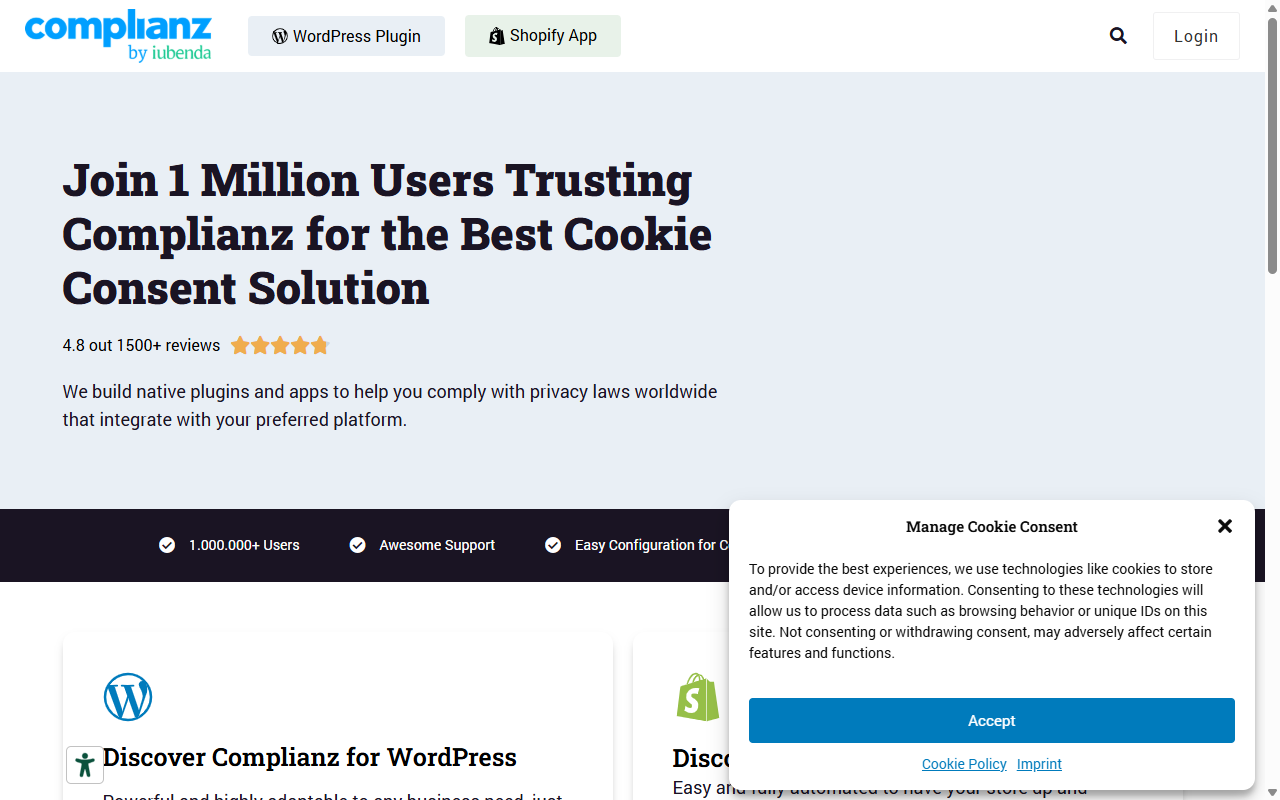
Complianz is a dedicated WordPress compliance suite. An interactive wizard walks you through setup, and instead of an external cloud service, it configures your site settings inside your own WordPress database, so your data stays on your server. It scans for active integrations, like video players and analytics platforms, and blocks the related scripts until a visitor grants consent.
Key Features
- Identifies active plugins and third-party integrations that set tracking scripts.
- Generates cookie policy pages tailored to your region.
- Blocks social embeds and maps until a user gives explicit permission.
- Connects easily with popular translation tools for localized legal text.
Pros & Cons
Pros: Deeply integrated with WordPress, a helpful legal wizard, and keeps your data on your own server.
Cons: The interface can feel like a lot, with quite a few settings to work through.
Our Verdict
If you enjoy detailed wizards and want compliance documents managed from inside WordPress, Complianz is worth your time.
5. iubenda
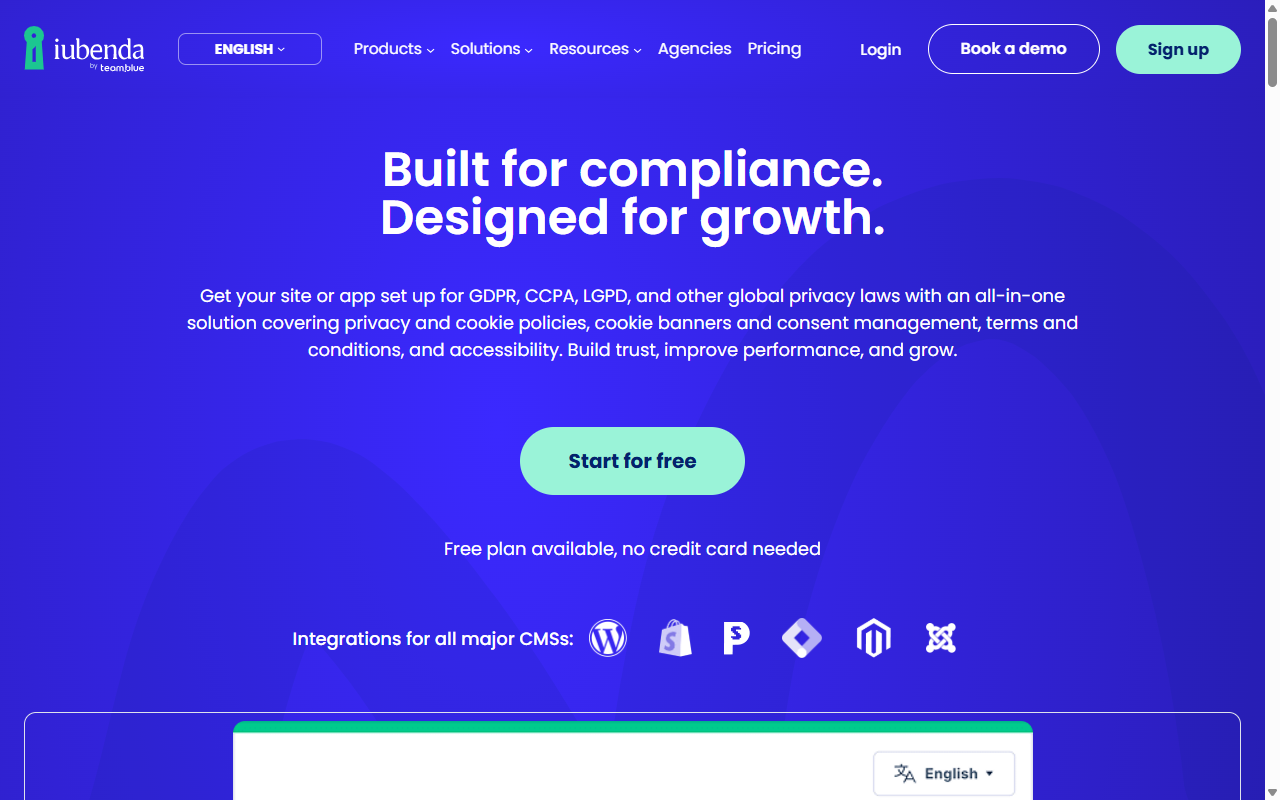
iubenda approaches compliance from a legal angle, offering a full suite of legal documents (privacy policies, terms and conditions, cookie banners) through one cloud dashboard. Its scanner examines your site’s external services, then helps you generate a customized privacy policy and cookie banner that reflects your data practices.
Key Features
- Scans your site to detect external services and active trackers.
- Builds auto-updating privacy policies that adjust as laws change.
- Integrates via simple copy-and-paste scripts or a dedicated helper tool.
- Tracks user preferences with consent records stored in the cloud.
Pros & Cons
Pros: Highly professional legal documents, auto-updates when laws shift, and a full document suite in one place.
Cons: Costs add up if you need multiple documents, and there’s a learning curve at first.
Our Verdict
iubenda fits businesses that need complex legal agreements alongside their cookie scanning and consent management.
6. OneTrust
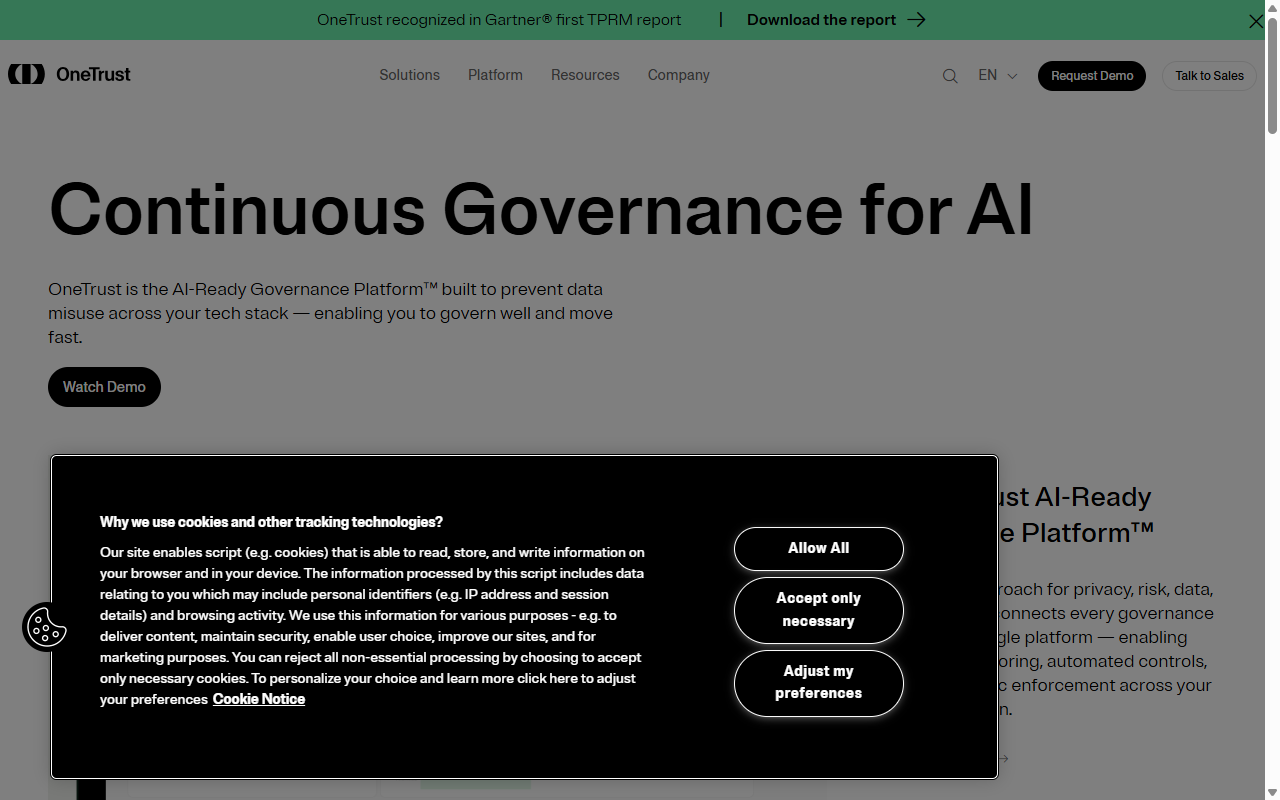
OneTrust is a full enterprise privacy platform for large companies handling sensitive user data across multiple countries. It’s genuinely powerful, but carries more complexity than most WordPress sites need. Its scanning engine identifies tracking tech, local storage files, and cross-site trackers, with deep customization and reporting built for legal teams.
Key Features
- Classifies cookies using an enterprise-grade database covering millions of trackers.
- Configures localized consent experiences across multiple jurisdictions.
- Logs every consent transaction with encrypted entries.
- Connects with internal data maps and enterprise privacy portals.
Pros & Cons
Pros: Industrial-strength compliance coverage, significant customization depth, and built for large organizational scale.
Cons: Far too complex for typical small business sites, and the pricing reflects its enterprise positioning.
Our Verdict
If you work at an enterprise or a highly regulated company running WordPress, OneTrust offers the governance features your legal department needs.
7. Termly
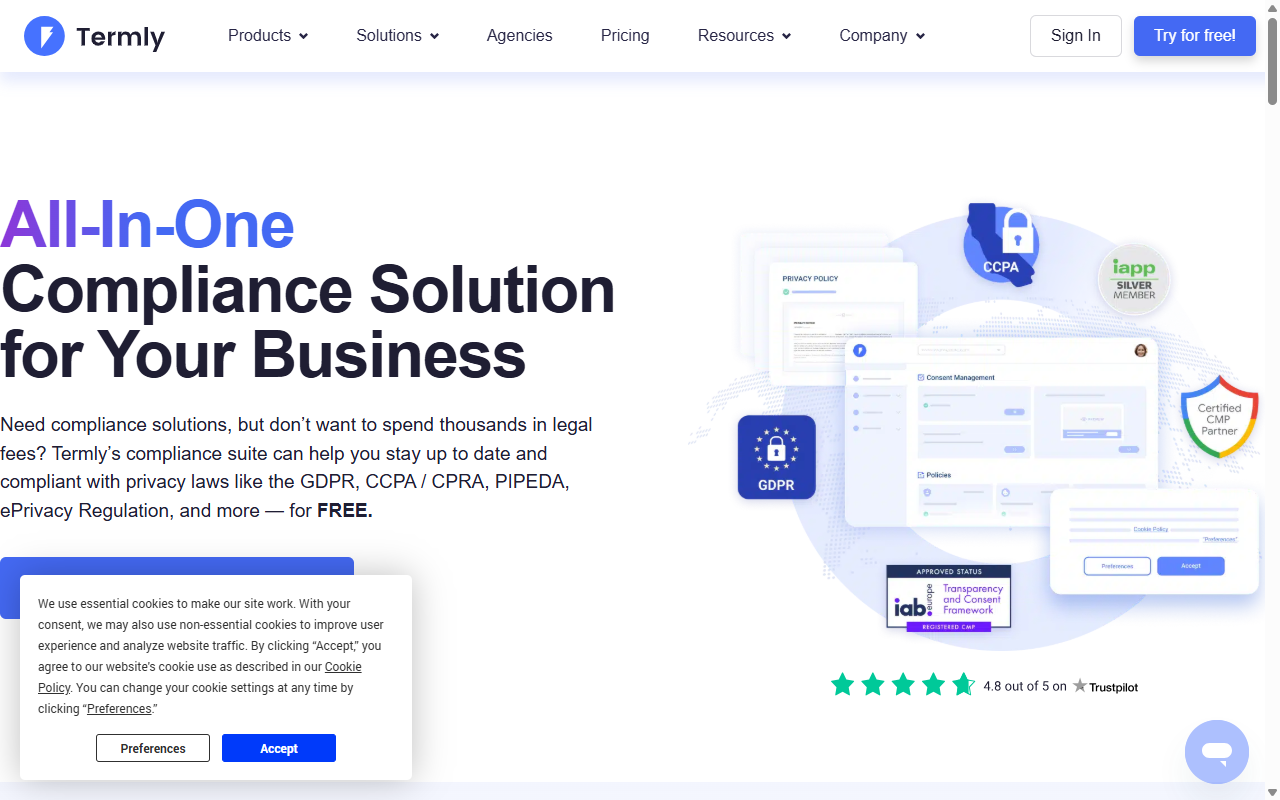
Termly is built for startups and small businesses that need a straightforward way to stay legally covered. Its suite includes a cookie scanner, banner generator, and basic policy builders, managed from an external dashboard via a short code snippet. On paid plans, the scanner runs weekly and updates your policy page automatically.
Key Features
- Scans your site weekly to catch new cookies automatically.
- Updates your active cookie policy page without manual edits.
- Builds straightforward, professional consent banners in minutes.
- Supports essential global compliance laws, including CCPA and GDPR.
Pros & Cons
Pros: Simple interface, beginner-friendly, and solid automated policy updates that save maintenance time.
Cons: The entry-level plan has strict scanning limits, and customization lags behind other tools here.
Our Verdict
Termly suits small business owners who want an all-in-one compliance package that doesn’t need much technical expertise.
8. Osano
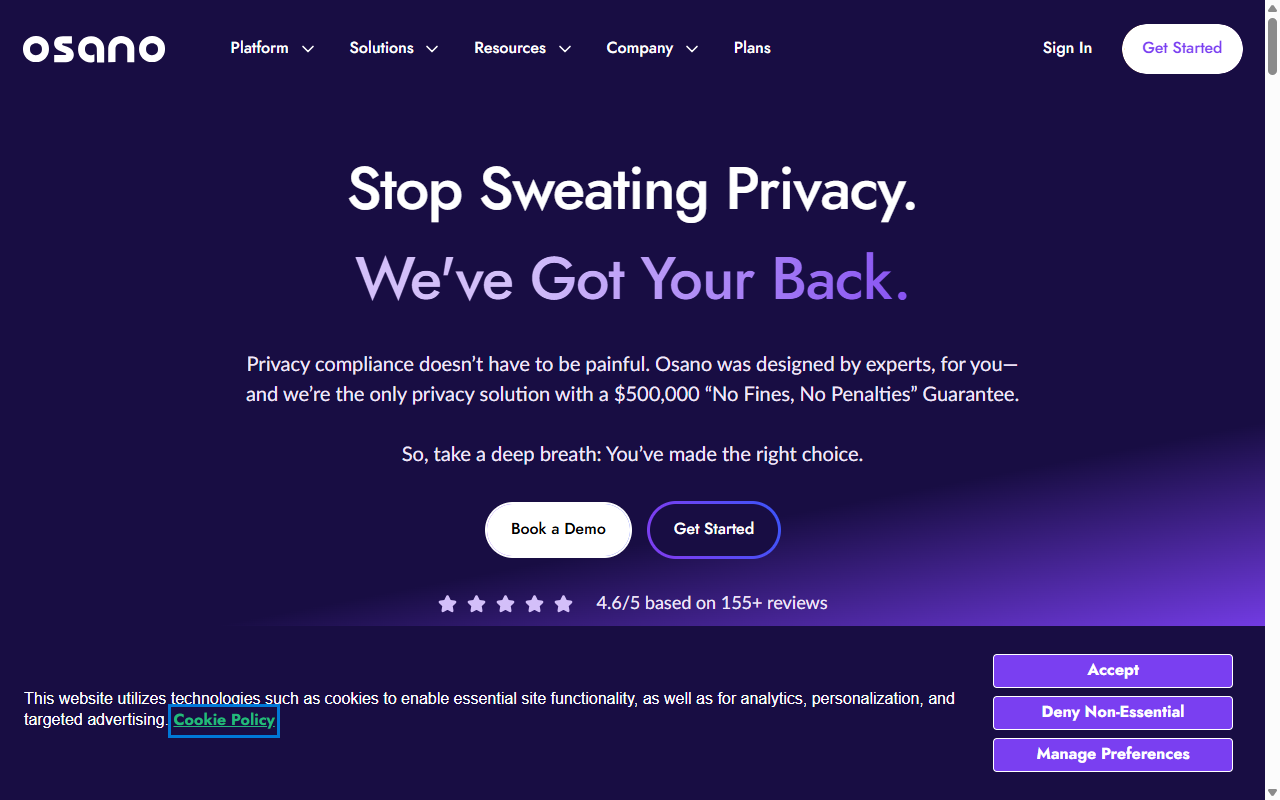
Osano is a privacy platform that puts simplicity and data safety first, backed by a legal guarantee against regulatory fines for enterprise clients. It runs through a cloud dashboard paired with a fast, lightweight script that identifies trackers, manages script loading based on visitor choices, and keeps a clean consent record ready for any audit.
Key Features
- Discovers and categorizes tracking technology automatically.
- Blocks unapproved scripts from running before consent is granted.
- Stores detailed compliance logs for regulatory inquiries.
- Adapts language and banner styles based on visitor location.
Pros & Cons
Pros: Clean interface, a reliable compliance guarantee, and solid geo-targeting out of the box.
Cons: Paid plans run pricier for casual blog owners or early-stage startups.
Our Verdict
Osano is a strong premium choice for a dependable compliance system with a well-designed admin interface.
9. GDPR Cookie Consent (by WebToffee)
This is a widely used WordPress-native option for owners who’d rather keep everything local and skip cloud subscriptions. Its no-nonsense interface runs directly inside WordPress, with no external account to maintain. The scanner identifies your cookies, though it needs more manual oversight than cloud-based enterprise tools, a sensible pick for standard business sites.
Key Features
- Categorizes your cookies directly from your WordPress control panel.
- Blocks target scripts automatically until the visitor accepts the settings.
- Generates a cookie audit table to display on your privacy page.
- Accepts customized banner designs to match your site’s colors.
Pros & Cons
Pros: Keeps everything localized to your WordPress install and is simple to run without much technical know-how.
Cons: Lacks some of the advanced automated categorization found in cloud-based enterprise tools.
Our Verdict
For WordPress users who want a budget-friendly tool that quietly does its job within their existing dashboard, this is a practical, reliable pick.
10. Securiti
Securiti is an AI-powered compliance platform for complex data environments, helping large companies find sensitive data, track consent, and handle privacy requests across intricate systems. It includes a cookie scanner for WordPress installs, using algorithms to detect deeply embedded trackers, web beacons, and hidden scripts, sorting them into compliant categories with minimal effort.
Key Features
- Uses advanced detection algorithms to find complex, hidden tracking scripts.
- Automates cookie classification using a large cloud-based intelligence database.
- Manages visitor preferences across different devices and platforms.
- Monitors compliance scores in real time through an analytics dashboard.
Pros & Cons
Pros: Highly advanced automation, a powerful scanning engine, and rich analytical data for compliance teams.
Cons: Overkill for simple blogs, and it assumes a solid understanding of data compliance frameworks.
Our Verdict
Securiti suits tech-forward startups and SaaS companies on WordPress that want AI-driven data intelligence alongside their cookie management.
“To protect your brand and respect your users, you need a tool that doesn’t just display a banner, but actually blocks scripts in real time until the user gives clear consent. Modern compliance requires accuracy and audit-ready records.”
– Itamar Haim, Web Compliance Specialist
How to Choose the Right Cookie Scanning Tool for Your Site
With so many options out there, it’s easy to feel overwhelmed. The good news is you can narrow things down fast by asking a few honest questions.
- Where do you want to manage your settings? If you like a simple admin life, look for a WordPress-native capability like Cookie Consent, which keeps your dashboard clean with no separate logins to track down.
- How many pages does your website have? Many cloud tools charge by page count. A native tool that processes everything on your own server can save steep monthly fees.
- Do you target visitors in Europe or California? An international audience needs built-in Google Consent Mode v2 support and automatic geo-targeting, so each region sees the right prompts.
Taking a few minutes to think through these questions keeps you from paying for features you don’t need, and helps you find a tool that feels natural to use.
Frequently Asked Questions
Do I really need a cookie scanning tool on my WordPress site?
Yes. WordPress sites rely on plugins and external services that often drop trackers on visitors’ browsers. A good scanner finds those cookies automatically, so you can block them until you have consent.
What is Google Consent Mode v2?
It’s a framework that lets your site tell Google services, like Analytics and Ads, how visitors responded to your cookie banner. European-facing sites using Google ads need a tool that supports this standard to keep tracking accurate.
How often should I scan my WordPress website for cookies?
At least once a month, or whenever you install a new plugin or update your site design. Tracking scripts change quietly during plugin updates, so regular scans keep your cookie page accurate.
Can a cookie consent tool slow down my website load speed?
Some tools add minor delays if they rely on heavy, unoptimized cloud scripts. Look for lightweight options that load code asynchronously or run natively within WordPress.
What is the difference between a native tool and a cloud-based service?
A native WordPress tool lets you manage settings, banners, and audit logs right from your dashboard. A cloud-based service hosts its dashboard externally, requiring a separate login.
Is there a free cookie consent tool for WordPress?
Yes, quite a few tools offer free or entry-level plans for smaller sites. Native capabilities like Cookie Consent often include free features, while Cookiebot and CookieYes offer restricted free tiers limited by page count.
What happens if my site doesn’t have a cookie consent banner?
Skipping proper consent can expose your business to legal warnings, regulatory audits, and financial penalties from privacy bodies. It can also lead Google to restrict your ad accounts in regions with strict consent rules.

