Table of Contents
How to Choose the Best Website Builder for Portfolio Creation
88% of hiring managers and potential clients check your online portfolio before they even look at your resume. A slow, uninspired website actively costs you work. You don’t just need a place to dump JPEGs; you need a professional platform that loads fast and looks spectacular on any device.
The right tool determines whether you launch this weekend or stay stuck in development hell until 2027. We’ve analyzed the best website builder for portfolio creation available in 2026, breaking down pricing, performance, and design flexibility so you can make an informed choice.
Key Takeaways
- Speed is critical – 47% of users expect pages to load in under 2 seconds, making lightweight code a priority for image-heavy portfolios.
- Mobile first is mandatory – With 62% of client traffic coming from mobile devices, responsive controls aren’t optional.
- WordPress still dominates – Open-source platforms power 43% of the web, offering the most control for complex portfolios.
- Visual builders save time – 64% of designers prefer drag-and-drop interfaces over traditional hard-coding for rapid iteration.
- Ecosystems matter – Unified platforms that handle creation, optimization, and management reduce plugin conflicts by 81%.
- Video demands bandwidth – Motion designers need platforms offering strong CDN support to handle heavy MP4 and WebM files.
- AI accelerates planning – Modern wireframing tools cut initial setup time from days to mere minutes.
Webflow
Webflow targets designers who understand how HTML and CSS work but prefer a visual interface. It isn’t a simple drag-and-drop toy. You’ll spend significant time learning the box model, flexbox, and CSS grid to make your portfolio function correctly.
This platform grants absolute pixel-perfect control. If you can design it in Figma, you can build it in Webflow. The CMS is particularly strong for case studies, allowing you to create custom fields for project roles, timelines, and deliverables.
To launch a successful portfolio here, you’ll follow a specific sequence:
- Structure your DOM elements using semantic HTML tags.
- Apply global CSS classes to ensure typographic consistency.
- Connect your CMS collections to dynamic template pages.
Key Features:
- Visual CSS Editor – Direct manipulation of CSS properties without writing code.
- Advanced Interactions – Complex scroll-based and mouse-move animations.
- Custom CMS – Relational databases for organizing vast bodies of work.
- Figma to Webflow Plugin – Direct import of component libraries.
- Global Swatches – One-click updates to your entire portfolio color scheme.
Pricing: Free basic plan. Basic site plan starts at $14/month. CMS plan (needed for case studies) is $23/month.
Pros:
- Unmatched animation capabilities for interactive portfolios.
- Incredibly clean code export for developers.
- Top-tier hosting infrastructure built on AWS.
- Detailed client billing management directly in the dashboard.
Cons:
- Steep learning curve; 73% of users spend 20+ hours learning the basics.
- CMS limits are strict on lower-tier plans.
- No native email hosting or domain registration included.
- E-commerce features remain clunky for selling digital prints.
Verdict: Webflow is the definitive choice for UI/UX designers who want their portfolio to serve as a technical demonstration of their front-end skills.
Elementor Editor Pro
Elementor operates differently than closed-source SaaS builders. It sits on top of WordPress, giving you the vast freedom of open-source software combined with an elite visual editor. The 2026 release of Editor V4 (Atomic) introduces a CSS-first foundation, completely changing how you manage classes and variables.
For modern web creators, Elementor One provides a unified website creation platform. It powers everything from planning and design to optimization and growth. You aren’t just getting an editor; you’re getting image optimization, caching, and accessibility tools built right in.
Your portfolio is your most important client. You need an infrastructure that doesn’t just look pretty, but technically excels in Core Web Vitals and structured data. That’s the only way organic discovery happens in 2026.
Itamar Haim, SEO Team Lead at Elementor. A digital strategist merging SEO, AEO/GEO, and web development.
When you use this platform, your workflow logically progresses through its ecosystem:
- Generate sitemaps and wireframes in under 20 minutes using the AI Site Planner.
- Design responsive layouts globally with Editor Pro.
- Host the final product on highly optimized managed cloud hosting boasting 99.9% uptime.
Key Features:
- 118+ Widgets – Extensive design modules covering portfolios, galleries, and forms.
- Theme Builder – Complete control over headers, footers, and single project templates.
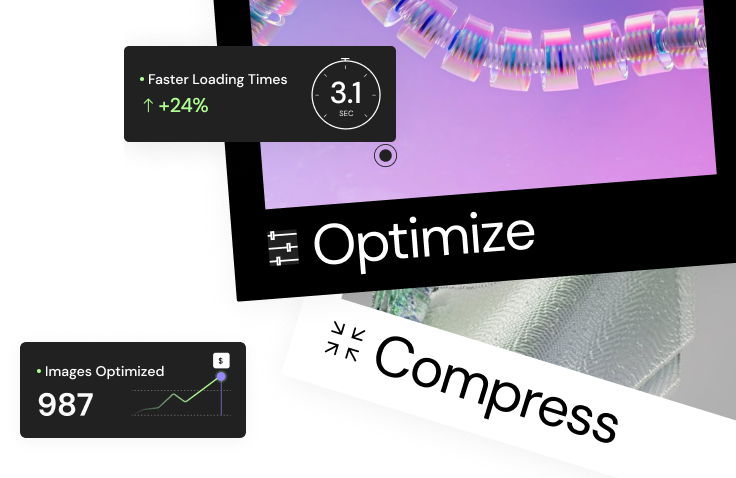
- Image Optimization – Automatic compression and WebP/AVIF conversion reducing file sizes up to 60%.
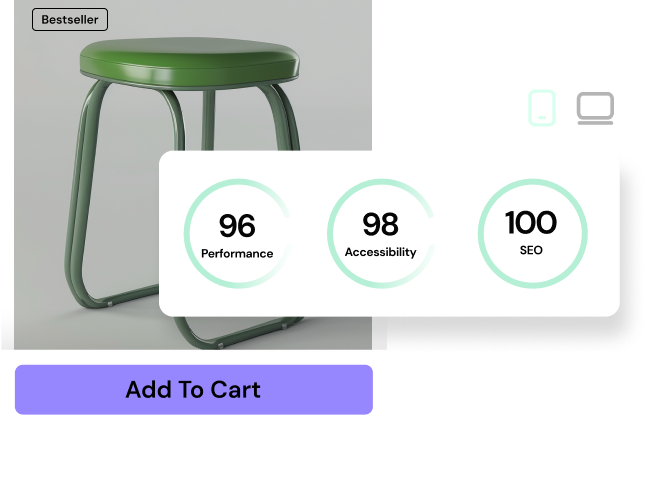
- Ally Integration – AI accessibility tool that scans for 180+ WCAG issues.
- Responsive Controls – Custom styling for every specific device breakpoint.
Pricing: Elementor One subscription is $168/year (includes Editor Pro, AI tools, optimization, and priority support). Essential plan is $60/year for one site.
Pros:
- True ownership of your content through WordPress.
- Unifies the full process from AI planning to performance optimization.
- Eliminates plugin overload by building critical features natively.
- Massive template library with the free, ultra-lightweight Hello Theme.
Cons:
- Requires managing a WordPress installation if you don’t use their managed hosting.
- The sheer number of options can overwhelm complete beginners.
- You’ll need a separate domain registrar.
- Advanced dynamic content requires understanding custom post types.
Verdict: Elementor Editor Pro is the most flexible option for freelancers and agencies who want complete technical ownership and the ability to scale their portfolio into a full business.
Squarespace
Squarespace practically invented the modern aesthetic portfolio. It relies heavily on its Fluid Engine grid system, allowing you to drag elements around a structured layout. You won’t break the design easily, which is exactly the point.
Photographers and illustrators flock here. The platform handles image rendering beautifully, automatically creating multiple scaled versions of your uploads. You don’t have to worry about serving a massive retina image to a mobile phone on a 3G network.
However, that safety net comes with strict boundaries. If you want a layout that drastically breaks the grid or uses highly custom javascript animations, you’ll fight the platform every step of the way.
Key Features:
- Fluid Engine – An intuitive, grid-based drag-and-drop editor.
- Award-winning Templates – Professionally designed starting points for creatives.
- Built-in E-commerce – Sell physical prints or digital downloads natively.
- Email Campaigns – Integrated newsletter tools for audience building.
- Analytics Dashboard – Native traffic and engagement tracking.
Pricing: Personal plan starts at $16/month. Business plan is $23/month. Basic Commerce is $27/month.
Pros:
- Incredibly fast setup time for standard portfolio layouts.
- Beautiful, minimalist templates that look expensive.
- Excellent customer support and detailed documentation.
- All-in-one platform handles hosting, domain, and SSL automatically.
Cons:
- Customization is rigidly locked into the provided grid system.
- Page speed scores often suffer due to heavy base code.
- Moving your data away from Squarespace later is notoriously difficult.
- Multilingual support remains frustratingly basic.
Verdict: Squarespace is perfect for visual artists who prioritize a clean, classic aesthetic and want to launch their portfolio by tomorrow afternoon.
Framer
Framer exploded in popularity among digital product designers in early 2026. It looks and feels exactly like a design tool. If you use Figma, you’ll feel completely at home here. The interface is nearly identical.
This builder specializes in high-fidelity motion design. You can create scroll-transforms, sticky interactions, and complex component states without writing a single line of React. For UX designers, showing your work in motion isn’t a luxury; it’s a requirement.
But be warned. Framer heavily targets designers, not bloggers or massive e-commerce shops. The CMS exists, but it lacks the depth required for a portfolio with hundreds of detailed case studies.
Key Features:
- Canvas Interface – Freeform design environment mimicking modern UI tools.
- Scroll Animations – Native support for complex, timeline-based motion.
- Components – Reusable design assets with built-in hover and pressed states.
- Figma Paste – Copy vectors directly from Figma into the Framer canvas.
- Localization – Native tools for translating your portfolio into multiple languages.
Pricing: Free basic plan. Mini plan is competitive ratesnth. Basic plan is $15/month. Pro plan is $30/month.
Pros:
- Unparalleled ease of use for anyone familiar with modern UI software.
- Outputs incredibly fast, React-based code for snappy load times.
- The best animation engine currently available in a visual builder.
- Strong community producing high-quality free templates.
Cons:
- The CMS is restrictive compared to WordPress or Webflow.
- Not suitable for portfolios that require selling physical merchandise.
- Accessibility controls require manual intervention and deep knowledge.
- Traffic limits apply; exceeding them results in immediate overage charges.
Verdict: Framer is the absolute best choice for UX/UI designers who want to treat their portfolio website like a native app prototype.
Semplice
Semplice holds a unique position. It’s technically a WordPress theme, but it functions entirely as a standalone visual builder. Designed specifically for creatives by Tobias van Schneider, it removes the typical WordPress bloat to focus entirely on typography and project display.
You pay once. There’s no monthly subscription fee. In a world of endless recurring charges, this structural difference makes Semplice incredibly attractive to independent freelancers.
You host it yourself. You own your data. You build bespoke case study layouts using a proprietary visual editor that emphasizes full-screen imagery and aggressive, bold typography.
Key Features:
- Self-Hosted – Complete ownership of your files and database.
- Custom Transitions – Page transitions that mimic single-page applications.
- Project Panel – A unique navigation system for browsing case studies smoothly.
- Blocks System – Pre-designed layout modules specific to design portfolios.
- Custom Font Uploads – Deep integration for independent type foundries.
Pricing: Single license is $119 (one-time fee). Studio license is $159. Business license is $699.
Pros:
- One-time payment model saves hundreds of dollars over a few years.
- Specific focus on high-end, editorial-style design portfolios.
- No coding required to achieve highly complex layout structures.
- Complete control over SEO and server-level optimizations.
Cons:
- You must purchase and manage your own WordPress hosting.
- Zero built-in e-commerce functionality without third-party plugins.
- The visual editor can feel rigid compared to freeform canvas tools.
- Updates are sometimes slow compared to SaaS competitors.
Verdict: Semplice remains a powerhouse for art directors and brand designers who demand editorial-level typography and hate monthly software subscriptions.
Format
Format focuses almost entirely on professional photography. If you shoot weddings, editorial fashion, or fine art, this platform understands exactly what you need. It prioritizes image protection and client delivery over complex layout manipulation.
The builder uses theme-based styling. You pick a starting point, adjust the colors and typography, and then let the software handle the grid math. This speed allows a working photographer to update their portfolio between shoots.
Most importantly, Format includes integrated client proofing. You can send private galleries to clients, let them favorite images, and handle the entire review process without paying for a separate service like Pixieset.
Key Features:
- Client Galleries – Secure, password-protected portals for image review.
- Image Protection – Right-click disabling and custom watermark overlays.
- High-Res Storage – Large storage capacities designed for raw and uncompressed files.
- Integrated Store – Sell prints directly with zero commission fees on higher plans.
- Lightroom Plugin – Publish directly from Adobe Lightroom to your portfolio.
Pricing: Basic plan is $12/month. Pro plan is $18/month. Pro Plus is $25/month.
Pros:
- Replaces both your website builder and your client delivery software.
- Extremely fast workflow for batch uploading hundreds of photos.
- Excellent print-on-demand integrations available natively.
- 24/7 customer support via live chat is exceptionally responsive.
Cons:
- Design layouts are restrictive; you can’t build custom structures easily.
- Blogging features feel like an afterthought compared to WordPress.
- Video hosting limits are strict unless you use YouTube/Vimeo embeds.
- Typography options lack advanced kerning and line-height controls.
Verdict: Format is the premier choice for working photographers who need to combine their public portfolio with private client workflow tools.
Wix Studio
Wix Studio isn’t the old, clunky Wix you remember from 2015. Launched specifically for agencies and high-end freelancers, this platform introduced native CSS grid and deep responsive behaviors that compete directly with advanced tools.
The interface uses a flexible canvas approach. You set rules for how elements behave when the screen shrinks, rather than just designing a static mobile view. It’s smart, mathematical, and highly efficient for building client sites or your own agency portfolio.
If you’re running a creative studio, Wix Studio provides a specific operational sequence:
- Draft custom layouts using the responsive AI features to establish baseline grids.
- Implement custom JavaScript via Velo for specific API integrations.
- Package the site into the client handover portal with customized dashboard branding.
Key Features:
- Responsive AI – Automatically applies basic responsive rules to new sections.
- Velo – Full-stack development environment for custom JavaScript.
- Custom Breakpoints – Create designs for specific ultra-wide monitors or foldables.
- Reusable Assets – Save specific sections to use across multiple projects.
- Client Handover – Tools specifically built for transferring ownership smoothly.
Pricing: Basic plan is $17/month. Core plan is $29/month. Advanced plan is $36/month.
Pros:
- Exceptional balance between visual ease and deep technical capability.
- Built-in marketing, CRM, and invoicing tools consolidate your tech stack.
- Strong collaboration tools for multiple designers working simultaneously.
- Massive app market for extending functionality without coding.
Cons:
- The interface is dense and requires a dedicated tutorial phase.
- Pricing scales aggressively if you need advanced marketing tools.
- Code base is closed; you can’t export your site and host it elsewhere.
- Load times, while improved, still lag behind statically generated sites.
Verdict: Wix Studio is ideal for growing creative agencies that need a powerful builder alongside strong business management tools.
Pixpa
Pixpa often flies under the radar, but it’s a formidable all-in-one platform for creatives. Based in India, it offers highly competitive pricing while delivering features that usually cost twice as much on rival platforms.
The builder specializes in creators who need multiple revenue streams. You can display your portfolio, write a blog, sell physical products, and manage digital downloads all from one unified dashboard. They deliberately focus on keeping the interface uncluttered.
You won’t find the granular animation controls of Framer here. Instead, you get practical, highly functional templates that get out of the way and let your work take center stage.
Key Features:
- Zero Commission Store – Keep 100% of your e-commerce sales.
- Client Galleries – Deliver work directly and allow clients to purchase prints.
- Mobile Gallery Apps – Create personalized mobile apps for individual clients.
- Announcement Bar – Native tools for promoting events or new print runs.
- Inventory Management – Track physical stock directly within the builder.
Pricing: Basic plan is $6/month. Creator plan is $12/month. Professional plan is $18/month.
Pros:
- Incredibly affordable compared to platforms with similar feature sets.
- E-commerce is genuinely excellent, especially the lack of sales commissions.
- Includes marketing pop-ups and announcement bars natively.
- Customer service consistently receives high marks for rapid resolution.
Cons:
- Template designs feel slightly dated compared to Squarespace or Semplice.
- Customization options are heavily restricted to protect the layout.
- Third-party integrations are limited.
- No native tools for complex custom animations or scroll effects.
Verdict: Pixpa is the most cost-effective solution for multidimensional creators who need a portfolio, a blog, and a storefront without spending a fortune.
Fabrik
Fabrik was born in London specifically for filmmakers, illustrators, and traditional artists. The platform understands that you might not have time to update your portfolio constantly, so it focuses on intelligent auto-population.
You upload a project, and Fabrik automatically generates thumbnails, resizes images, and formats video embeds based on the specific theme you’ve chosen. If you change your theme later, the platform dynamically restructures your content to fit the new layout without requiring manual adjustments.
It explicitly avoids the “blank canvas” problem. You won’t stare at a white screen wondering where to put a text box. You just input data, and Fabrik makes it look professional.
Key Features:
- Intelligent Theming – Change layouts instantly without losing content formatting.
- Media Integration – Deep support for Vimeo, YouTube, and Soundcloud embeds.
- Project Grouping – Advanced tagging systems to organize large bodies of work.
- Custom CSS – Add specific styling tweaks via code injection if needed.
- Privacy Controls – Password protect specific projects or your entire site.
Pricing: Personal plan is £9/month. Professional plan is £14/month. Unlimited plan is £21/month.
Pros:
- The fastest way to get a video-heavy portfolio online securely.
- Themes are specifically tailored for different creative disciplines.
- Excellent handling of high-resolution video thumbnails.
- Very low maintenance; the system practically runs itself after setup.
Cons:
- Very limited structural flexibility if you dislike the provided themes.
- No built-in e-commerce features whatsoever.
- Analytics are basic, requiring Google Analytics integration for real data.
- Small user base means fewer community resources and tutorials.
Verdict: Fabrik is the smartest choice for directors and cinematographers who need a polished video portfolio with absolute minimum setup time.
Carbonmade
Carbonmade doesn’t take itself too seriously. In an industry full of sterile, minimalist clones, this platform leans into personality, bright colors, and bold grid layouts. It boasts over 3.5 million portfolios built since its inception.
The builder uses a block-based system. You drop in a text block, an image block, or a gallery block. You can’t break the grid, and you can’t mess up the mobile view. It strictly enforces design rules so your work always looks presentable.
It strips away everything you don’t need. There’s no complex e-commerce, no database management, and no advanced CSS panels. You upload your work, write a bio, and publish.
Key Features:
- Block Layouts – Foolproof modular design system.
- Talent Pool – Native directory that helps clients find your portfolio.
- Before/After Sliders – Perfect for retouchers and web developers.
- Custom Pointers – Fun, personalized cursor options for your live site.
- Global Styling – One-click adjustments to fonts and primary colors.
Pricing: Beginner plan is $9/month. Pro plan is $12/month. Expert plan is $22/month.
Pros:
- Incredibly fun, intuitive user interface.
- Impossible to create a technically broken or non-responsive layout.
- The built-in talent directory actually drives real freelance leads.
- Excellent pricing for students and recent graduates.
Cons:
- Too simplistic for advanced users wanting custom typography.
- Lacks deep SEO tools beyond basic meta descriptions.
- Blog functionality is practically non-existent.
- Can’t handle complex case studies with multiple integrated media types.
Verdict: Carbonmade is the best option for students, illustrators, and animators who want a colorful, personality-driven portfolio in under an hour.
Comparing the Top Portfolio Builders
Choosing a platform depends entirely on your technical skill and your specific creative discipline. Use this breakdown to match your needs with the right tool.
| Platform | Best Suited For | Starting Price | Key Advantage |
|---|---|---|---|
| Webflow | UI/UX Developers | $14/month | Unmatched animation & clean code export |
| Elementor Editor Pro | Agencies & WordPress Users | $60/year | Total ownership & vast widget ecosystem |
| Squarespace | Visual Artists | $16/month | Beautiful templates & built-in commerce |
| Framer | Product Designers | competitive ratesnth | React-based prototypes & Figma parity |
| Semplice | Art Directors | $119 (One-time) | No monthly fees & bespoke typography |
| Format | Photographers | $12/month | Integrated client proofing galleries |
| Wix Studio | Creative Studios | $17/month | Deep responsive AI & client handover |
| Pixpa | Multidisciplinary Creators | $6/month | Zero commission sales & affordability |
| Fabrik | Filmmakers | £9/month | Intelligent theming & media handling |
| Carbonmade | Students & Illustrators | $9/month | Foolproof setup & talent directory |
Frequently Asked Questions
Should I code my portfolio from scratch?
Unless you’re applying for a strict front-end engineering role, no. 82% of hiring managers care about the final visual execution and case study content, not the raw HTML structure. Visual builders save you hundreds of hours.
Can I switch templates later?
It depends heavily on the platform. Tools like Fabrik let you swap themes instantly. Squarespace’s Fluid Engine locks you into specific structural models. With Elementor, you can redesign global headers and single post templates without losing content.
Do I need a custom domain name?
Yes. A portfolio hosted on a free subdomain (like yourname.builder.com) signals a lack of professional commitment. Domains cost roughly $12 a year. It’s the cheapest investment you’ll make in your career.
How many projects should I include?
Data shows that visitors view an average of 2.4 projects before leaving. Showcase your absolute best 4 to 6 projects. Remove filler work. Quality consistently converts better than sheer volume.
What format should my images be?
Never upload massive JPEGs. Always convert images to WebP or AVIF formats. If your builder has a native Image Optimization, use it. A portfolio page should ideally stay under 3MB total payload.
Is mobile responsiveness really that important?
Absolutely. Over 60% of first interactions with your portfolio happen on a phone, often when a recruiter clicks a LinkedIn link. If your text isn’t legible or buttons aren’t tappable, they’ll close the tab immediately.
Should I include my pricing on my portfolio?
If you offer productized services (like a $500 logo package), list the price to filter out low-budget leads. If you work on complex, bespoke agency contracts, use a “Starting at” figure or leave pricing for the discovery call.
Are PDF portfolios dead?
For general public discovery, yes. Search engines can’t index a PDF effectively. However, keeping a tailored, offline PDF available to email directly to specific enterprise clients remains a highly effective secondary strategy.
Looking for fresh content?
By entering your email, you agree to receive Elementor emails, including marketing emails,
and agree to our Terms & Conditions and Privacy Policy.