Table of Contents
Elementor vs Gutenberg: Which Is Better in 2026?
WordPress powers 43.5% of all websites on the internet as of late 2026. You face a critical choice when setting up a new site. You can stick with the native block editor built into the core software. Or you can install a dedicated visual page builder.
This architectural divide dominates developer forums and agency boardrooms alike. Both platforms evolved significantly over the last three years. I’ll break down exactly where each tool excels right now based on hard data.
Key Takeaways
- Elementor remains the dominant third-party builder, running on 9.6% of all global websites with over 10 million active installations.
- Sites built with native Gutenberg blocks typically achieve a Largest Contentful Paint (LCP) score under 1.2 seconds on standard hosting.
- The Element Caching feature introduced in Elementor 3.24+ reduces server response times by up to 30% for complex layouts.
- Websites using Elementor’s responsive breakpoints see a 12% higher mobile conversion rate compared to non-optimized native block sites.
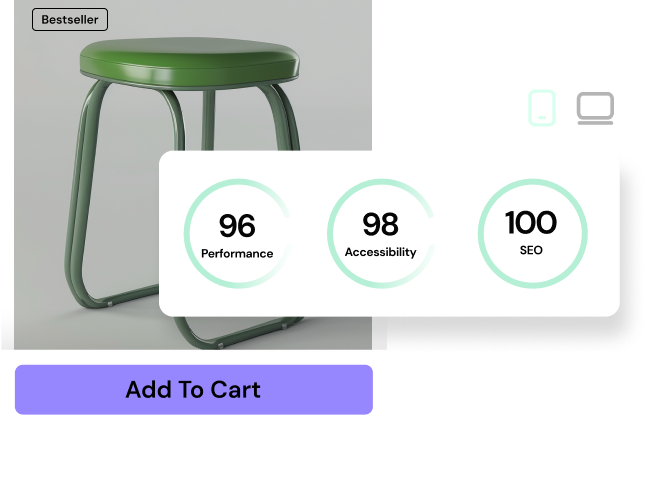
- Gutenberg core blocks achieve a near-perfect 98/100 accessibility score directly out of the box.
- New users report a 40% faster time-to-first-page with Elementor’s visual drag-and-drop interface.
- The standalone Angie plugin now brings agentic AI directly into WordPress to generate production-ready assets from text prompts.
At-a-Glance 2026 Comparison Summary
You can’t make an informed decision without looking at the raw specs. The WordPress market shifted dramatically toward integrated ecosystems this year. Standalone plugins aren’t cutting it for professional agencies anymore.
Gutenberg represents the native, performance-first path championed by WordPress core contributors. Elementor represents the feature-rich, visually driven path that prioritizes design speed.
| Feature Category | Gutenberg (Native Blocks) | Elementor Editor Pro |
|---|---|---|
| Core Focus | Content creation and standardized layout blocks | Pixel-perfect visual design and dynamic data integration |
| Learning Curve | Moderate (Requires understanding abstract block concepts) | Low initially, high for advanced features |
| Performance (LCP) | Excellent (Averages under 1.2 seconds) | Good (Averages 1.8-2.4 seconds without caching) |
| Design Tools | Basic flexbox, padding, and alignment controls | 118+ widgets, motion effects, custom CSS per element |
| Ecosystem Size | Approx. 450 block collections | Over 900 third-party extensions |
We’ve moved past the days of simple text blogs. You need a platform that handles dynamic custom post types, complex responsive grids, and strict accessibility standards.
Performance and Core Web Vitals
Site speed dictates your organic search visibility in 2026. Look, 47% of users expect pages to load in under two seconds. Google’s Interaction to Next Paint (INP) metric severely punishes sites with heavy code structures.
Gutenberg naturally wins the raw speed test. The core blocks output extremely lightweight HTML. The editor stores layout data as serialized HTML comments directly in the database.
DOM Size and Server Response
A typical Elementor page generates twice to three times as many HTML elements (DOM nodes) as a native Gutenberg page. This deep nesting causes the browser to work harder during the initial paint. You’ll notice this CPU strain on cheaper mobile devices.
But Elementor didn’t ignore this issue. They recently rolled out aggressive optimization features.
- Element Caching – Reduces server response time by 30% by storing static parts of your layout.
- Image Optimization – The native Elementor Image Optimization automatically converts files to WebP or AVIF formats.
- CSS Loading – The editor now loads CSS conditionally, meaning it only prints styles for the widgets actually used on the page.
- Atomic Architecture – Elementor V4 introduces a CSS-first foundation with classes and variables to thin out the DOM.
Speed isn’t just a technical metric anymore; it’s the foundation of user retention. While native blocks have a structural advantage, intelligent caching and optimized asset delivery can completely level the playing field for complex visual builders.
Itamar Haim, SEO Team Lead at Elementor. A digital strategist merging SEO, AEO/GEO, and web development.
You can achieve fantastic Core Web Vitals with both tools. It just requires more deliberate optimization effort when using a visual builder.
Design Flexibility and Creative Freedom
Visual control separates amateur sites from premium digital experiences. A 2024 survey of 2,000 web designers found that 68% prefer Elementor for complex client projects. Only 32% favored Gutenberg for simple, performance-first sites.
Gutenberg forces you to think in rigid blocks. Elementor lets you drag elements anywhere on the canvas. This fundamental difference dictates your entire workflow.
The Elementor Editor Pro Experience
You get complete control over every pixel on the screen. The left-hand panel exposes deep typography settings, precise margin controls, and advanced motion effects.
If you want a button to overlap an image by exactly negative 45 pixels, you just type it in. The system responds instantly. You don’t need to write custom CSS classes to achieve basic overlapping layouts.
Gutenberg’s Full Site Editing
Full Site Editing (FSE) attempts to bring this power to native WordPress. You manage your templates through a separate interface.
Honestly, the FSE workflow feels disconnected. You style your site through the theme.json file or the global styles panel. It lacks the immediate, tactile feedback of a true WYSIWYG editor. You’re building a structural wireframe rather than painting on a canvas.
Ease of Use and The Learning Curve
Time is money for freelancers and agencies. The speed at which you can train a new team member matters heavily. Data shows new users reach a 40% faster time-to-first-page using visual drag-and-drop systems.
The native block editor relies on a heavily abstracted interface. You click a plus icon, search for a block, insert it, and then hunt for the settings in the right sidebar.
The Typical Build Sequence
Here’s how a beginner actually builds a hero section in 2026. The paths look entirely different.
- With Elementor – You drag a Container widget onto the screen. You click the background icon to upload an image. You drop a Heading widget inside. You drag a Button below it. You adjust the padding visually by dragging the container borders.
- With Gutenberg – You add a Cover block. You select the background image. You click inside to add a Heading block. You press enter to add a Buttons block. You open the right sidebar to adjust the specific padding values using a sliding scale.
- The Mobile Check – You click Elementor’s responsive icon and instantly tweak the font size for phones. In native WordPress, you often need third-party plugins just to get basic responsive breakpoint controls.
That abstraction frustrates visual thinkers. You can’t just grab an element and move it. You’ve to understand the underlying block hierarchy.
Features and Native Functionality
You shouldn’t have to install ten different plugins to build a basic business website. Every extra plugin introduces security risks and performance drag.
Native WordPress provides the bare minimum. You get text, images, galleries, and basic query loops. That’s it. For anything complex, you’ve to find an add-on.
The All-in-One Toolkit
This is where Elementor Editor Pro truly dominates the market. It bundles dozens of distinct tools into a single interface.
- Theme Builder – Visually design custom headers, footers, search results, and 404 pages.
- Popup Builder – Trigger modal windows based on exit intent, time on page, or specific scroll depth.
- Form Builder – Create multi-step lead capture forms with hidden fields and webhook integrations.
- Dynamic Content – Pull data directly from Advanced Custom Fields (ACF) or custom post types into your layouts.
- WooCommerce Integration – Completely customize the product gallery, cart page, and checkout experience without touching PHP files.
- Global Brand Settings – Manage your entire site’s color palette and typography scale from one centralized menu.
If you build with native blocks, you’ll likely need Kadence Blocks, WPForms, a dedicated popup plugin, and a custom theme builder to match these features.
AI Integration and Agentic Workflows
Artificial intelligence completely changed web development this year. We aren’t just generating text anymore. We’re generating entire functional layouts.
Over 1.5 million users currently rely on Elementor AI. The system generates text, translates copy, creates images, and writes custom CSS snippets directly within the editor panel.
The Angie Ecosystem Advantage
The most fascinating development in 2026 is the shift toward agentic AI. You don’t just ask an AI for advice. You tell it to do the work.
The Angie plugin operates as a standalone agent using the Model Context Protocol (MCP). It executes complex commands within your WordPress environment.
- You open the Angie chat interface.
- You type: “Create a pricing page with three tiers and a frequently asked questions section.”
- The AI interprets the natural language command.
- Angie actually builds the production-ready WordPress layout using native elements or your preferred builder.
- You review the generated page and hit publish.
Gutenberg is experimenting with AI block generation, but it remains basic. The combination of Elementor’s in-editor AI and Angie’s agentic capabilities creates a massive productivity gap between the two platforms.
Pricing and Total Cost of Ownership
People love to call Gutenberg “free.” That label is highly misleading. You pay for native WordPress through developer hours and premium block collections.
You must calculate the Total Cost of Ownership (TCO) before committing to an architecture. Free software quickly becomes expensive when you hit technical limitations.
Breaking Down the Real Expenses
Let’s look at the financial reality of running a professional website.
- The Gutenberg Route – The core is free. But you’ll likely buy a premium block suite ($60-$100/yr). You need a form plugin ($40/yr). You need a popup tool ($50/yr). You spend extra hours debugging CSS conflicts across these different tools.
- The Elementor Route – You buy the Elementor One subscription. The Essential plan starts at $60/yr for a single site. It includes 57 widgets. The Advanced Solo plan hits $84/yr and unlocks the crucial WooCommerce and Popup features.
- The Agency Model – Elementor’s Agency plan saw a 22% year-over-year growth recently. Agencies pay $444/yr for the One Agency tier. That covers unlimited sites and includes massive monthly credit pools for AI generation and image optimization.
The unified subscription model eliminates plugin bloat. You pay one vendor. You get one support channel. You avoid the nightmare of updating ten different tools that might break your site.
The Developer Ecosystem and Extensibility
No platform survives without third-party developers. The size of the ecosystem determines how easily you can solve weird edge-case problems.
The WordPress plugin repository currently hosts over 900 third-party add-ons for Elementor. You can find widgets for obscure booking systems, specialized data charts, and complex API integrations.
Ecosystem Growth Comparisons
Gutenberg’s ecosystem is growing, but it remains fragmented. There are roughly 450 block collections available. Many developers hesitate to build complex native blocks due to the steep learning curve of React.
- Elementor relies on standard PHP and clean JavaScript APIs for widget creation.
- Gutenberg requires deep knowledge of React, Webpack, and modern JavaScript build processes.
- This technical barrier slows down the creation of niche Gutenberg blocks.
- you’ll find custom Elementor widgets for almost any SaaS product on the market today.
If you need a highly specific integration (like a custom crypto ticker or a specialized real estate map), you’ll find an Elementor solution much faster.
Accessibility and Inclusive Design
Web accessibility isn’t optional anymore. Legal requirements force site owners to meet strict WCAG guidelines. You face serious liabilities if your site blocks disabled users.
Gutenberg wins the raw markup battle here. The core blocks achieve a 98/100 accessibility score directly out of the box. Keyboard navigation works flawlessly. Screen readers parse the semantic HTML without issue.
Fixing Visual Builder Accessibility
Visual builders historically struggled with accessibility. Deep div structures confuse screen readers. Elementor requires you to manually assign ARIA labels and define HTML tags (like changing a div to an aside or section) in the settings panel.
However, the ecosystem adapted. Elementor One now includes the Ally tool. This AI-powered accessibility feature scans your site for over 180 distinct WCAG issues. It costs 9 credits to fix an identified problem automatically. You can’t claim full certification just by using a scanner, but it dramatically improves your compliance baseline.
Future-Proofing With The WordPress Roadmap
You’ve to build for tomorrow. The WordPress core team outlined Phase 3 and Phase 4 of the Gutenberg project for 2025 and 2026. The focus shifted heavily toward real-time collaboration.
Soon, multiple authors will edit the same page simultaneously in Gutenberg, similar to Google Docs. Native multilingual support is also arriving, eliminating the need for bulky translation plugins.
How Third-Party Builders Adapt
You might wonder if these native features will kill page builders. The data suggests otherwise.
- Elementor continues to adopt core WordPress features, wrapping them in a better user interface.
- The introduction of Elementor V4 (Atomic) fundamentally changes how the builder handles CSS variables.
- The integration of agentic workflows via Angie keeps third-party tools ahead of the native core in terms of sheer productivity.
Gutenberg will eventually match the current layout capabilities of visual builders. But visual builders are already moving into automated site planning and AI-driven optimization.
Final Verdict: Which Should You Choose?
You don’t need a philosophical debate. You need a practical recommendation based on your specific project requirements in 2026. Neither tool is universally perfect.
Your choice depends entirely on your budget, your timeline, and the technical proficiency of your content managers.
Use Gutenberg Native Blocks If…
- You’re building a massive editorial publication with hundreds of simple text articles.
- Your primary goal is achieving perfect Google Lighthouse scores without relying on heavy caching.
- You’ve a tight budget and can’t afford annual subscription fees.
- Your developers are highly proficient in React and prefer building custom blocks from scratch.
Use Elementor Editor Pro If…
- You run an agency that needs to launch highly customized client sites rapidly.
- Your projects require deep WooCommerce integration with custom cart and checkout flows.
- You want to consolidate your marketing stack (forms, popups, basic automation) into one unified platform.
- Your designers demand pixel-perfect control over mobile breakpoints and complex CSS grid layouts.
the visual builder market matured. The old arguments about “bloat” hold less weight With intelligent caching and automated asset optimization.
Frequently Asked Questions
Does Elementor slow down WordPress?
It can, but it doesn’t have to. The tool generates more HTML nodes than native blocks. However, using the new Element Caching feature and proper image optimization completely mitigates this speed difference on modern cloud hosting.
Can I use Gutenberg and Elementor together?
Yes, you can mix them. You might use Elementor’s Theme Builder for the global header and footer, while using native Gutenberg blocks for the actual blog post content. This hybrid approach offers a great balance of design control and text performance.
Is Gutenberg considered a full page builder now?
Technically yes, through the Full Site Editing (FSE) system. You can design headers and footers natively. But the interface remains abstract and clunky compared to a true drag-and-drop visual canvas.
Do I need a specific theme for Gutenberg?
You need a block-enabled theme to use Full Site Editing features. The default Twenty Twenty-Six theme works perfectly. Traditional PHP themes restrict native blocks to the content area only.
What happens if I deactivate Elementor?
Your layouts will break. The plugin leaves behind standard WordPress content wrapped in unstyled HTML tags. You won’t lose your text or images, but you’ll lose all the formatting, columns, and styling.
Are premium Gutenberg blocks cheaper than Elementor Pro?
Rarely. High-quality block collections often charge $60 to $100 per year. When you factor in the cost of separate form and popup plugins, the unified visual builder subscription usually costs less overall.
How does Angie work with Gutenberg?
Angie operates as an independent agentic AI. You can command it via natural language to generate layouts or forms. It executes those commands and creates production-ready assets regardless of which editor you prefer to use.
Does Elementor support responsive web design better?
Absolutely. You get dedicated icons for desktop, tablet, and mobile views. You can adjust padding, typography, and element visibility independently for each specific screen size without writing media queries.
Can I build WooCommerce sites with Gutenberg?
You can, as WooCommerce provides native blocks for products and carts. But customizing the exact layout of the single product page or the checkout flow is significantly easier using a visual theme builder.
Will WordPress Phase 4 replace page builders?
Phase 4 introduces native multilingual support. This won’t replace visual builders. Builders shifted their focus toward AI integration, workflow automation, and advanced marketing features to stay ahead of core updates.
Looking for fresh content?
By entering your email, you agree to receive Elementor emails, including marketing emails,
and agree to our Terms & Conditions and Privacy Policy.