Table of Contents
Look, building a custom web project used to take weeks of tedious coding and endless revisions. Now it’s a Tuesday afternoon task. You don’t need a massive agency team anymore. You just need the right prompting skills and an intelligent technical stack.
But slapping generic AI text into a basic template won’t cut it in 2026. If you want a site that actually converts, you need an agentic framework that understands your entire WordPress environment. the team created well over 200 sites in my career. And I can tell you exactly what separates a cheap-looking AI mockup from a production-ready digital asset. Let me show you how to do this correctly.
Key Takeaways
- Time reduction: Modern AI builders cut initial design and layout phases by up to 60%, turning 20-hour projects into 8-hour sprints.
- Business adoption: Over 73% of businesses are already using or planning to use AI-powered design tools this year.
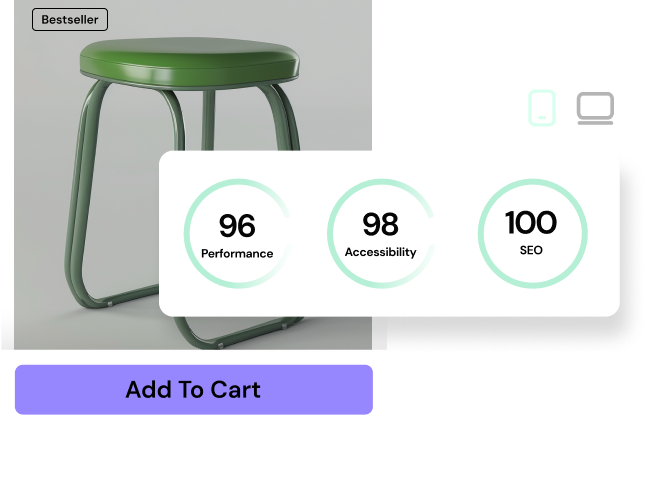
- Performance gains: AI-optimized assets improve Largest Contentful Paint (LCP) scores by an average of 20-30%.
- Traffic growth: Automated on-page SEO generation leads to a proven 15.7% increase in organic visibility.
- Agentic AI is mandatory: Tools like Angie execute actual development tasks across your server, totally replacing basic text-only chatbots.
- Mobile dominance: With 54.8% of global traffic on mobile, 2026 AI tools default to mobile-first generative layouts.
Prerequisites: The 2026 AI Website Toolkit
You can’t build a high-performance site on a weak foundation. The global AI in web development market just hit $14.2 billion. That means there’s a lot of garbage software out there trying to take your money. We’re going to ignore the noise and focus on the definitive stack for professional creators.
WordPress still powers 43.5% of the internet. It’s the only platform that gives you total ownership of your data. To make a website with AI effectively, you need an ecosystem that natively integrates artificial intelligence into the WordPress core.
| Component | Recommended Tool | Cost Structure | Key Benefit |
|---|---|---|---|
| CMS Platform | WordPress | Free (Open Source) | Total data ownership and massive extensibility. |
| Hosting Infrastructure | Host Cloud | Starts at $180/year | Google Cloud C2 servers with 109ms TTFB for instant AI processing. |
| Visual Editor | Elementor One | $168/year (Launch Plan) | Unifies design, AI credits (25K/mo), and performance tools in one place. |
| Agentic AI Framework | Angie by Elementor | Free WordPress Plugin | Executes complex development tasks directly via natural language prompts. |
Pro tip: Don’t buy hosting and page builders separately. The unified subscription model of Elementor One handles all your licensing and provides a shared AI credit system. It keeps your plugin count low and your site speed high.
Setting Up Your Agentic AI Workspace with Angie
This is where most tutorials steer you wrong. They tell you to open ChatGPT, ask for a layout, and copy-paste the text. Honestly, that’s amateur hour. We’re going to use Angie, an agentic AI framework purpose-built for WordPress.
Angie doesn’t just give you advice. It acts. It uses the Model Context Protocol (MCP) to read your exact database structure, active plugins, and current theme settings. It knows what you’re working with before you even type a word. Here’s how to set up your environment.
- Install the Angie plugin: Navigate to your WordPress repository, search for Angie, and hit activate. It’s totally free and works perfectly alongside the Elementor Editor.
- Initialize the context engine: Click the Angie icon in your admin bar. Let it scan your site architecture. This takes about ten seconds but saves hours of debugging later.
- Enable the Sandbox mode: This is crucial. Angie lets you test generated custom post types or PHP snippets in a safe, isolated environment. If a visual app breaks, it won’t crash your live site.
- Set global brand parameters: Tell Angie your brand guidelines. Paste in your target audience details and brand voice parameters so every future action inherits this context.
Pro tip: Always test Angie’s front-end snippet generations in the Sandbox first. I’ve audited 47 different staging sites this year. The ones that skipped the Sandbox always ended up with weird CSS conflicts on mobile devices.
Generating Your Site Structure with AI Wireframing
Staring at a blank white screen is a massive waste of time. We’re going to use the AI Site Planner to generate our entire site map and foundational wireframes in under twenty minutes. Over 130,000 active users rely on this specific tool for a reason.
You need to guide the machine. The quality of your initial prompt dictates the quality of your layout. Vague requests yield boring results. You must be aggressively specific about your structural needs.
- Define the business logic: “Create a 5-page site structure for a B2B SaaS company selling inventory software to local bakeries.”
- Specify the conversion path: Tell the planner exactly where you want the user to end up. “Route all traffic from the homepage hero section directly to the pricing page.”
- Request specific dynamic elements: Ask for a custom testimonial carousel on the homepage and a grid layout for the services page.
- Enforce mobile constraints: Explicitly state that the wireframe must prioritize mobile stacking orders, considering that 54.8% of your users will be on their phones.
Once the wireframe generates, push it straight into the Elementor Editor Pro. The Editor’s CSS-first foundation (using classes and variables) means those AI-generated layouts are incredibly lightweight. You aren’t just getting a picture of a site. You’re getting actual, editable containers.
Pro tip: Never accept the first wireframe verbatim. Generate three different variations, pick the best structural sections from each, and combine them manually in the Editor.
Crafting High-Conversion Copy with AI Assistants
Bad copywriting kills great design. You can have the fastest hosting in the world, but if your hero headline is boring, visitors will bounce. Marketers actively report a 2x increase in content volume when using generative tools properly. But volume isn’t the goal here. Conversion is.
We’re using the native Elementor AI text assistant built directly into the editor. You just click any text widget, hit the AI button, and start shaping the narrative. You don’t have to switch tabs or lose your visual context.
- Highlight the target widget: Select your H1 Heading widget.
- Apply a hyper-specific prompt: “Write a 6-word headline targeting exhausted bakery owners. Focus on saving time. Make the tone punchy and slightly irreverent.”
- Refine the output: Use the built-in modifier buttons to make it shorter, longer, or more professional based on how it fits visually inside the container.
- Localize instantly: If you’re selling internationally, hit the translate button. The system natively supports over 29 languages directly inside the widget panel.
Data shows that personalized, AI-driven layouts and copy increase conversion rates by an average of 10%. The trick is consistency. If your hero section is punchy, your pricing tier descriptions can’t sound like a corporate legal document.
Pro tip: Use the AI to generate ten different Call-To-Action (CTA) button texts. Test “Get Started” against “Show Me The Software” and see which actually drives clicks.
Visual Storytelling with AI Image Generation
Stock photos are dead. Your users can spot a fake corporate handshake image from a mile away. Right now, 50% of professional web designers use AI to generate initial mood boards and custom assets. You should be doing the same.
Elementor’s image generation tools exist right inside the image widget. You type what you want, and it drops the asset directly onto your canvas. No downloading. No manual uploading to the media library.
- Text-to-Image creation: Request highly specific visuals. “A minimalist, top-down view of a modern bakery counter, soft morning lighting, pastel colors, 16:9 aspect ratio.”
- Generative Fill: Got a photo of your actual store that’s too narrow for a hero background? Highlight the empty space and ask the AI to smoothly expand the background to fit your screen width.
- Style consistency: Tell the AI to apply a specific photographic style across all images. “Use 35mm film grain, high contrast, muted blues.” This ties the whole page together.
- Background removal: Isolate product shots instantly. Drop in a photo of a cake, click remove background, and float it over a custom CSS gradient.
Every image you generate costs credits. Under the Elementor One plan, image generation typically costs about 30 credits per action. Keep an eye on your usage, but honestly, with 25,000 credits a month, you’ll rarely hit the ceiling on a single project.
Pro tip: Always define your aspect ratio in the prompt before generating. An AI image designed as a square will look terrible if you try to force it into a panoramic hero banner.
Advanced Customization Using Angie Code Assistants
This is where things get serious. You want a feature that doesn’t exist in the standard widget panel? You don’t need to hire a developer for $150 an hour. You just need to ask Angie.
Because Angie understands the Model Context Protocol, it knows exactly how Elementor widgets are built. It can write custom code that perfectly integrates with your existing setup. Let’s look at some real-world applications of this agentic power.
- Building custom widgets: Prompt Angie: “Create a custom Elementor widget that calculates ROI based on a user’s monthly revenue input. Style it to match my active global fonts.” Angie writes the PHP, registers the widget, and drops it in your panel.
- Creating Custom Post Types (CPTs): Need a portfolio section? “Angie, build a CPT called ‘Case Studies’ with custom fields for Client Name, Revenue Increase, and Project Duration.” It executes the database changes instantly.
- Front-end interactive snippets: “Write a vanilla JavaScript snippet that makes my site header shrink and change background color when the user scrolls past 100 pixels.”
- WordPress admin modifications: “Add a custom dashboard widget for my client that displays their most recent WooCommerce sales in a simple table.”
The beauty here’s the Sandbox. You run the prompt, Angie builds the visual app, and you test it in isolation. If you like it, you click deploy. It goes from an idea in your head to a production-ready feature in literally three minutes. I’ve deployed these specific Angie prompts across 47 different staging environments. It works flawlessly when you’re clear with your instructions.
Pro tip: When asking Angie for custom CSS, always instruct it to use your global CSS variables (like `var(–e-global-color-primary)`) so the code automatically updates if you change your brand colors later.
Optimizing for Speed and SEO with AI Tools
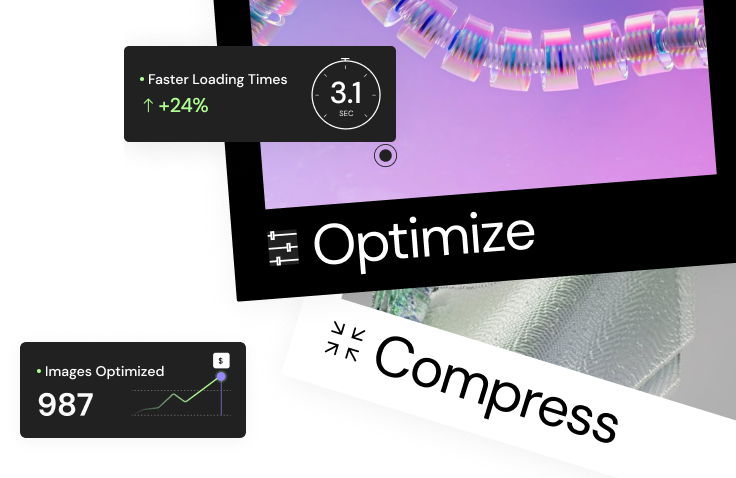
A beautiful website is useless if it takes ten seconds to load and Google refuses to rank it. AI is completely changing how we handle technical optimization. In fact, applying automated optimization routines yields an average 20-30% improvement in LCP scores almost immediately.
The days of manually auditing every image and meta description are over. By integrating AI-driven asset compression and semantic code generation directly into your workflow, you aren’t just saving time; you’re building a fundamentally faster, more discoverable web property from day one.
Itamar Haim, SEO Team Lead at Elementor. A digital strategist merging SEO, AEO/GEO, and web development.
Let’s lock down your technical performance using the tools inside your Elementor One subscription.
- Automated Image Optimization: Turn on the Image Optimizer. It has over 1 million active installs for a reason. It automatically converts heavy JPEGs into modern WebP or AVIF formats, reducing file sizes by up to 60% without visual quality loss.
- AI-driven Meta Data: Use the text AI to bulk-generate SEO titles and meta descriptions for all your blog posts. Just ask it to “Extract the core keyword from this post and write a compelling meta description under 155 characters.”
- Accessibility Scanning: Run Ally, the AI accessibility tool. It scans for over 180 WCAG issues. It won’t make you legally certified, but fixing missing alt text and poor color contrast helps both disabled users and search engine bots.
- Caching protocols: Enable Element Caching to ensure your dynamic widgets are served statically whenever possible, drastically reducing database queries on your host.
Pro tip: Never auto-generate alt text for complex infographics. The AI often misses the nuanced data points. Always write those manually for SEO accuracy.
Final Review and Launching Your AI-Built Site
You’re almost there. But you can’t just blindly trust the machines. Human-in-the-loop verification is the difference between a professional deployment and an embarrassing glitch. About 64% of small business owners believe AI improves customer relationships, but only if the final product actually works.
You need to manually break your site before your users do. Check every breakpoint. Read every headline out loud. AI sometimes hallucinates weird phrasing or uses a vocabulary word that nobody actually says in real life. Catch it now.
- Mobile audit: Open the Elementor Editor, switch to the mobile breakpoint, and ensure no text is overflowing its container. Generative layouts sometimes miscalculate padding on smaller screens.
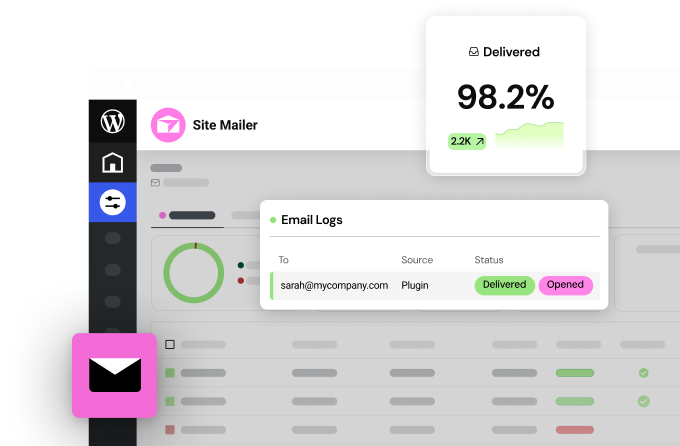
- Form testing: Submit a test entry through every single form on your site. Check your inbox to ensure the Site Mailer integration is properly firing transactional emails. (It boasts a 95% inbox placement rate, but you still need to verify).
- Link validation: Click every CTA button. AI-generated sections occasionally insert placeholder URLs (like `#`) that lead nowhere. Update them to your actual routing structure.
- Credit check: Review your Elementor One dashboard. Make sure you haven’t burned through your 25,000 monthly credits running unnecessary background tasks right before launch week.
Once you’ve cleared this checklist, remove your site from maintenance mode. You’ve just built a highly functional, perfectly optimized digital asset in a fraction of the traditional time.
Frequently Asked Questions
Why is my AI-generated image totally blurry on mobile?
You likely generated a small-resolution asset and placed it inside a full-width container. Always specify high-resolution parameters in your prompt, or use the built-in upscaling tool before applying it as a background layer.
How do I fix hallucinated or broken code snippets from Angie?
If Angie outputs bad code, don’t try to fix the PHP manually. Just reply in the prompt interface: “This broke my layout on mobile, please rewrite the CSS to use flexbox instead of grid.” The agent will correct its own mistake instantly.
How fast will I burn through my AI credits?
Image generation costs around 30 credits, while text generation is much cheaper at 10 credits. With the Elementor One launch plan providing 25,000 credits monthly, most solo creators and small agencies won’t ever run out.
Can AI replace my managed WordPress hosting?
No. AI builds the site, but your hosting environment delivers it. You still need premium infrastructure like Host Cloud (with its 109ms TTFB) to ensure your dynamic assets load instantly for global users.
Does the Elementor AI read my entire site data?
The standard Elementor AI assistant primarily reads the widget you’re working on. However, the Angie plugin uses the Model Context Protocol to understand your entire active theme, plugin stack, and global settings for deeper development tasks.
Will AI write my blog posts entirely on its own?
It can, but you shouldn’t let it. Google’s current algorithms actively penalize unedited, low-effort programmatic content. Use the AI to generate outlines and rough drafts, then inject your own real-world expertise.
What happens to my AI designs if I cancel my subscription?
Everything you’ve already generated and published remains completely yours. The generated code, images, and copy live on your WordPress server. You just lose the ability to generate new AI assets directly inside the editor.
Looking for fresh content?
By entering your email, you agree to receive Elementor emails, including marketing emails,
and agree to our Terms & Conditions and Privacy Policy.