Table of Contents
The Shift in Site Architecture Standards
The global AI in website building market is projected to hit $6.44 billion by 2030. That massive 17.4% annual growth rate points to a fundamental shift in how web professionals operate today. You aren’t just dragging and dropping boxes onto a blank canvas anymore. You’re prompting, curating, and deploying complete site architectures in a matter of minutes. Generating a digital storefront has never been faster.
Research shows 73% of small business owners plan to adopt artificial intelligence for web design this year. But the current software field is flooded with generic tools that generate unoptimized, heavy code. Finding an ai powered website builder that actually respects modern web standards requires looking past the aggressive marketing hype. You need platforms that natively understand responsive design breakpoints, semantic HTML structures, and core web vitals.
Key Takeaways
- Speed matters: Builders like Durable can generate a fully functional multi-page site in exactly 30 seconds.
- Conversion impact: Sites applying AI-driven layout personalization see a 19% average increase in conversion rates.
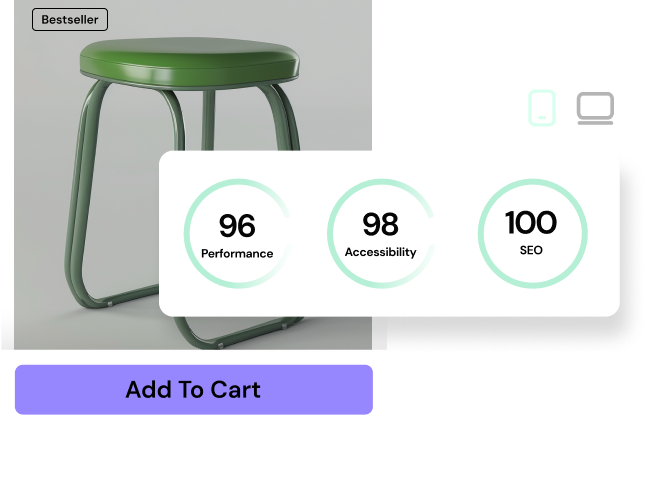
- Performance standards: Platforms like 10Web now guarantee Google PageSpeed scores of 90+ for their generated sites.
- E-commerce efficiency: Merchants using Shopify powerful report a 20% reduction in time-to-market for new product collections.
- Design combinations: Squarespace Blueprint offers over 1.4 billion potential design variations based on user intent mapping.
- User expectations: 64% of consumers now expect businesses to apply artificial intelligence for faster web experiences.
Evaluating the New Generation of Development Tools
We’ve officially moved past the novelty phase of text-to-image generation. In 2026, an intelligent generator isn’t just writing placeholder copy for your about page. It handles complex layout logic. It configures responsive CSS grids automatically and writes functional backend code. The best tools act as senior creative partners rather than simple task executors. They anticipate structural flaws before you hit publish.
But the market remains highly fragmented. Some platforms focus strictly on deployment speed for local service businesses. Others prioritize high-fidelity animations for heavily funded tech startups. You’ll need to align your specific project requirements with the right software framework. Choosing the wrong infrastructure early on leads to massive technical debt.
“Artificial intelligence has shifted how we approach site architecture completely. We’re no longer wireframing from scratch. We’re prompting structural logic that already understands search intent and accessibility standards out of the box.”
Itamar Haim, SEO Team Lead at Elementor.
Here’s exactly how the top platforms are evaluated this year.
- Code Quality and Output: The tool must generate clean, semantic HTML and CSS. heavy inline styles are an immediate disqualifier for serious production environments.
- Context Awareness: The system needs to understand your existing brand guidelines perfectly. It must respect strict color palettes and typography rules across every single page.
- Data Portability: You can’t be locked into a proprietary system forever. Exporting your site or maintaining ownership of your underlying code remains critical for long-term growth.
- Pricing Transparency: True costs must be completely clear. We evaluate the exact subscription tiers, hidden fees, and credit limits for premium generation features.
Angie by Elementor and the Agentic Future
Generic coding assistants like GitHub Copilot simply don’t understand WordPress architecture. They generate isolated code snippets that inevitably break your active theme. Angie solves this specific problem directly. It’s an agentic framework built exclusively for the WordPress ecosystem. It doesn’t just write code blindly and hope for the best. It executes multi-step development tasks natively within your environment.
Because Angie uses the Model Context Protocol, it automatically inherits your site’s highly specific context. It knows your active plugins immediately. It reads your current theme structure and your exact database schema. You can prompt it in natural language to build a custom real estate listing widget. It handles the complex PHP, CSS, and JS perfectly on the first try.
- Agentic Execution: Plans and executes complex multi-step tasks across the entire WordPress admin panel automatically.
- Safe Sandbox Environment: Tests all generated code in an isolated staging area before ever pushing to production servers.
- Custom Post Type Generation: Instantly builds CPTs and complex custom fields based purely on conversational prompts.
- Native Integration: Outputs actual WordPress assets rather than generic, unusable HTML blocks.
Angie operates as a completely FREE WordPress plugin available to all users. The flawless understanding of WordPress architecture makes it indispensable for modern developers. There’s zero risk of breaking your live site due to the built-in sandbox testing environment. It massively reduces development time for custom database functionality.
However, it requires an existing WordPress environment to function properly. Advanced custom application generation has a slight learning curve for phrasing precise prompts. It isn’t available for alternative CMS platforms like Shopify, Ghost, or Webflow. If you work in WordPress regularly, Angie is entirely mandatory. It successfully bridges the gap between basic visual builders and complex custom development.
Elementor Editor Pro Atomic Architecture
Elementor remains the dominant force in the global web design industry. It actively powers over 21 million websites globally. The platform has evolved far beyond a simple visual editor. With the new Elementor One subscription model, it unifies project planning, custom design, performance optimization, and marketing automation into one dashboard.
The introduction of the Atomic V4 architecture provides a strict CSS-first foundation. This ensures that when the Site Planner generates a structural wireframe, the underlying code remains exceptionally lightweight. It’s highly production-ready from day one. You aren’t just getting a pretty mockup. You’re getting a structurally sound, heavily accessible digital layout.
- Define the structure: The intelligent Site Planner turns rough business ideas into full sitemaps and wireframes in under 20 minutes.
- Generate the containers: Contextual layout tools generate responsive flexbox containers instantly based entirely on text prompts.
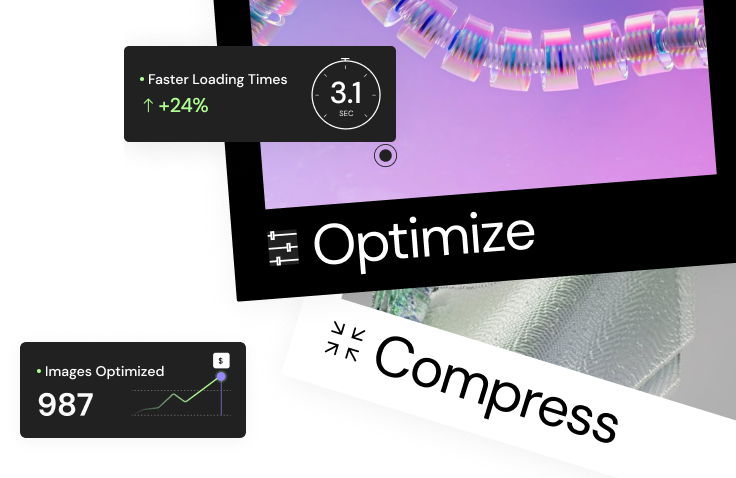
- Optimize the media: The built-in Image Optimizer automatically compresses heavy image files. It converts them to modern WebP or AVIF formats silently.
- Apply the brand: Global System Settings ensure all generated content adheres strictly to your specific design guidelines.
Elementor Editor Pro starts at $60/year for the basic Essential plan. The much more complete Elementor One plan costs $168/year. This premium tier includes heavy credit allowances for massive generation tasks. The unmatched granular control over every single CSS property sets it apart from competitors.
The huge developer ecosystem features 118 native widgets. The unified subscription completely eliminates the need for dozens of vulnerable third-party plugins. It offers exceptional site performance with native caching and background image optimization. You’ll need separate managed cloud hosting unless you purchase a bundled cloud package directly. The sheer number of technical features can overwhelm absolute beginners. High-volume generation requires carefully managing your monthly credit pool.
Wix Studio Responsive Calculations
Wix has aggressively repositioned itself to capture the lucrative agency market. Their standard visual builder was always highly popular for beginners. But Wix Studio operates as a different beast entirely. It’s built specifically for design professionals who need to manage multiple demanding client sites simultaneously.
The global adoption rate is frankly staggering. Wix reported that over 50% of new users applied these advanced features during their initial setup process last year. The absolute standout feature here’s the Responsive Toggle. You simply design a custom section on the desktop view. You click one button. The system automatically cascades proportional mathematical adjustments down to tablet and mobile breakpoints.
- Responsive Automation: Automatically calculates complex CSS grid changes across all user viewports.
- Section Creator: Generates highly styled, complex web sections from simple text descriptions.
- Advanced SEO Assistant: Automates critical meta tags, complex schema markup, and necessary redirect logic.
- Client Handover Tools: Custom branded dashboards created specifically for client billing and management.
Studio platform plans start at $19/month. They scale rapidly up to $159/month for advanced enterprise deployment needs. The responsive calculator saves hours of tedious manual breakpoint tweaking. The visual interface feels incredibly smooth and highly responsive. The centralized dashboard excels for agency billing and team management.
Strict platform lock-in remains a major drawback. You can’t export your finished site to another hosting provider later. Monthly recurring costs pile up quickly when managing dozens of heavy client sites. There’s less flexibility for deep backend custom server modifications. Wix Studio operates as a pure powerhouse for mid-sized creative agencies.
Framer Motion Design Focus
Framer is widely considered the ultimate Figma of website builders. It explicitly targets UI/UX designers. It appeals massively to tech startups who obsess over micro-interactions and complex scroll animations. It doesn’t look or feel anything like a traditional CMS. It feels exactly like a high-end vector design tool.
Their native Text-to-Site generator is wildly creative. You type a prompt describing a modern SaaS landing page. Framer generates a fully functional, heavily animated layout in mere seconds. If you don’t like the resulting color scheme, you click the Style Randomizer. It swaps typography and palettes instantly while maintaining perfect visual contrast ratios.
Key features include:
- Figma-to-HTML: Allows flawless copy-pasting directly from Figma files into a live Framer canvas.
- Style Randomizer: Offers instant mathematical iteration of global color and typography sets.
- Scroll Animations: Relies on complex built-in physics engines for spring-based scroll effects.
- Instant Publishing: Deploys finished assets to a global CDN with a single click.
Framer offers a limited free tier for hobbyists. The entry Mini plan costs $15/month. The professional Pro plan costs $30/month per single site. It delivers absolute best-in-class motion design and interactive elements. The output React code is surprisingly clean and extremely fast.
Pricing is strictly per-site. This gets wildly expensive rapidly if you build multiple projects. The actual content management system is very basic compared to WordPress. It isn’t ideal for large, complex database-driven publishing websites. Framer owns the design-first space completely.
10Web Performance Optimization
10Web attacks the market from a purely technical performance angle. While other platforms focus heavily on pretty visual templates, 10Web focuses directly on Google’s Core Web Vitals. They actively guarantee a Google PageSpeed score of 90+ for all their generated WordPress sites.
The most famous feature is their Website Replicator tool. You paste the URL of a specific site you like. The system thoroughly analyzes the DOM structure. It recreates a highly similar layout natively inside Elementor on a fresh WordPress install. It’s an incredible technical tool for migrating slow legacy sites onto modern, fast infrastructure.
- Provide the exact target URL to the replicator tool interface.
- Wait for the complex DOM analysis and media asset extraction to complete fully.
- Review the newly generated Elementor layout on your private staging environment.
- Apply automatic server caching and strict CSS minification via the PageSpeed Booster.
Entry-level deployment plans start at $10/month. They’re primarily billed on an annual basis. Performance optimization is completely hands-off for the user. The URL replicator frankly saves days of tedious manual cloning work. It retains all the historical benefits of the massive open-source WordPress ecosystem.
The automated generation can sometimes produce slightly generic initial layouts. Customer support response times fluctuate heavily during peak business hours. Replicated sites often require manual visual cleanup for perfect mobile responsiveness. 10Web serves as the ultimate developer utility tool.
Durable Lead Generation Speed
If sheer deployment speed is your only metric, Durable wins comfortably. They explicitly claim their system can generate a fully functional, multi-page website with relevant copy and stock images in exactly 30 seconds. The reality is they actually deliver on that incredible promise consistently.
Durable isn’t built for professional web developers at all. It’s built for the local plumber, the freelance accountant, or the mobile car detailer. These specific users don’t care about CSS variables or custom PHP hooks. They just need a functional digital storefront immediately to capture local traffic.
Durable smoothly combines the visual site builder with a lightweight internal CRM. This means customer form submissions go straight into an active sales pipeline. The 30-Second Generation tool provides the fastest setup wizard in the entire industry. The Integrated CRM actively manages incoming leads, replies to clients, and tracks conversions.
Automated invoicing generates and tracks billing based on specific client interactions. Integrated SEO Copywriting generates localized blog posts to capture highly specific local search traffic. Monthly plans range from $12 to $20/month. This highly affordable price includes hosting and all the basic CRM tools.
You get unbeatable deployment speed from zero to published. The all-in-one business management dashboard completely eliminates the need for external software subscriptions. It has an incredibly low barrier to entry for totally non-technical users. Design customization is extremely rigid and basic by necessity. It can’t handle complex e-commerce integrations or large digital product catalogs. You’ve absolutely no ability to export the site away from their proprietary servers.
Hostinger Cost Efficiency Framework
Hostinger has long dominated the global budget hosting market. Now, they’ve integrated a proprietary generator directly into their standard control panel. It’s explicitly designed to remove absolutely all technical friction for first-time webmasters operating on a very tight budget.
For just competitive ratesnth, you get managed hosting, a free custom domain, and the visual builder. You simply answer three highly specific questions about your project goals. The system then spits out a customized layout populated with surprisingly relevant niche content. It even includes a highly predictive heatmap tool. This shows exactly where users will click before you even launch the site.
- Predictive Heatmaps: Visual analytics to optimize button placement and layout based on heavily trained models.
- Logo Maker: Generates clean, basic vector logos based directly on your business name.
- Automated Content Writer: Fills out empty about pages and service descriptions instantly.
- Simplified Grid Editor: A highly restrictive grid system that physically prevents user errors during manual tweaks.
This is easily the most cost-effective solution on the market by a massive margin. It crucially includes a domain and professional email in the base subscription price. The visual interface is entirely foolproof for beginners. Predictive heatmaps are a rare, highly valuable technical feature at this low price point.
Very limited third-party application integrations exist. The visual designs can feel slightly generic when compared directly to Squarespace. E-commerce features are entirely too basic for serious retail operations. You simply can’t beat the sheer financial value. Hostinger operates as the undisputed champion for budget-conscious hobbyists.
Divi Contextual Content Generation
Elegant Themes has taken a totally different functional approach with Divi. Instead of building an entirely new standalone platform, they deeply integrated advanced functionality directly into their massively popular WordPress theme. It actively acts as a creative co-pilot directly inside the visual builder interface.
The absolute standout feature is unlimited usage. Many competing platforms strictly meter your text prompts with a confusing credit system. Divi charges a flat $18/month for totally unlimited text and image generation. It also highly excels at document context. If you ask it to write a new paragraph about your specific services, it analyzes the rest of the existing page content first. It ensures the brand tone and specific facts align perfectly.
Specific capabilities include:
- Image Refinement: Upscales, alters, and expands existing images directly on the web canvas without opening Photoshop.
- Unlimited Generation: Flat pricing model with zero hidden monthly credit limits or surprise overage fees.
- Contextual Copywriting: Reads all existing page content to maintain your unique brand voice consistently.
- Custom Code Writing: Generates highly specific CSS and JS for individual Divi modules on the fly.
There’s absolutely no anxiety about running out of expensive credits mid-project. The native image generation quality is remarkably high. The daily workflow feels highly intuitive for users who are already familiar with the classic Divi interface. It features excellent community technical support and massive documentation libraries.
The Divi builder software itself can be heavy on server resources. This directly impacts site load times if not optimized properly by a professional. It explicitly requires purchasing the expensive base theme first. The user interface can feel slightly cluttered compared to modern minimal block editors.
Squarespace Blueprint Aesthetics
Squarespace has always completely dominated the premium aesthetic market. Their visual templates are notoriously beautiful. With the recent release of Blueprint, they’ve successfully automated that high-end creative curation. Blueprint officially offers over 1.4 billion potential design combinations based directly on user intent mapping.
You don’t just type a generic text prompt blindly. You physically walk through a highly visual, guided design system. You carefully select the specific feeling you want to convey. You choose the exact functional features you need and the exact color palettes you deeply prefer. The system then mathematically constructs a unique site that still adheres strictly to Squarespace’s professional design rules.
- Define the core brand personality through the visual intent questionnaire.
- Select mandatory functional page blocks like contact forms or image galleries.
- Apply the global custom color palette generated by the intelligent system.
- Publish the responsive fluid engine layout directly to the live custom domain.
Monthly subscription plans range from $16 to $49/month depending heavily on specific e-commerce requirements. It consistently outputs the most visually stunning, magazine-quality sites available. The highly guided process feels exceptionally premium and deeply thoughtful. Excellent built-in tools exist for complex client scheduling and secure membership areas.
It offers considerably less structural flexibility than Elementor or Wix Studio. Visual template switching mid-project can be incredibly cumbersome. Unfortunate e-commerce transaction fees apply heavily on lower-tier subscription plans. Squarespace Blueprint remains the definitive choice for pure creatives.
Shopify powerful E-commerce Optimization
Shopify powerful applies advanced technology strictly to the harsh business of selling online. It’s the absolute gold standard for automated e-commerce deployment. It doesn’t focus heavily on flashy site layouts or scroll animations. Instead, it focuses entirely on raw conversion metrics and complex inventory management.
Hard data proves its incredible financial value. Merchants using it to generate mass product descriptions reported a massive 20% reduction in time-to-market for launching new collections. The unique Sidekick assistant acts exactly like a dedicated data analyst. You can simply ask it, “Why did my total sales drop last Tuesday?” It will analyze your store’s massive traffic data to provide a highly actionable answer.
- Product Descriptions: Generates heavily SEO-optimized sales copy tailored directly to your specific brand tone.
- Sidekick Assistant: Conversational technical interface for store analytics and complex backend settings management.
- Smart Replies: Drafts highly accurate automated responses to common customer inquiries in the Shopify Inbox app.
- Automatic Email Marketing: Generates highly targeted promotional campaigns based purely on historical purchase history.
The standard Basic plan starts at $39/month, plus necessary payment processing fees. You get completely unrivaled e-commerce server infrastructure and top-tier security. Sidekick provides genuine, data-driven business insights instantly. A massive third-party app store exists for extending core functionality.
High monthly recurring costs add up rapidly, especially when factoring in expensive premium apps. The default visual page builder is relatively basic without paying for third-party layout tools. There’s a steep technical learning curve for configuring complex international shipping and local tax rates.
Comparison Matrix for 2026 Platforms
Choosing the absolute right platform requires comparing hard technical data side by side. We’ve compiled the critical metrics for the top market contenders. This will help you make a incredibly fast, informed decision based directly on your exact technical constraints.
| Platform | Starting Price | Primary Strength | Ideal User Persona |
|---|---|---|---|
| Angie (Elementor) | Free Plugin | Agentic WordPress coding | WordPress Developers |
| Elementor Editor Pro | $60/year | Design precision & flexibility | Professional Web Creators |
| Wix Studio | $19/month | Responsive calculation | Mid-sized Agencies |
| Framer | $15/month | High-fidelity animations | UI/UX Designers |
| 10Web | $10/month | PageSpeed optimization | SEO-focused Businesses |
| Durable | $12/month | 30-second generation | Solo Service Providers |
| Hostinger | competitive ratesnth | Unbeatable low cost | Budget-conscious Hobbyists |
| Squarespace Blueprint | $16/month | Premium visual aesthetics | Creatives & Portfolios |
| Shopify powerful | $39/month | E-commerce scaling | Retail Merchants |
You’ve seen the raw data. You fully understand the highly specific constraints of each unique platform. Now you need to make a firm financial decision today. Your final choice entirely depends on your current technical background and your ultimate revenue goal.
For the professional developer, you simply use Elementor Editor Pro paired directly with Angie. You get absolute unmatched design control combined perfectly with Angie’s ability to safely generate custom PHP logic. For the modern agency owner, you adopt Wix Studio immediately. The responsive math toggle alone will save your entire team hundreds of billable hours per month.
For the high-end graphic designer, you build exclusively in Framer. If your demanding clients require complex scroll physics, absolutely nothing else comes close. For the ultimate budget setup, you simply buy Hostinger today. At under competitive rates, it completely removes the heavy financial risk of launching a new business idea.
Frequently Asked Questions
Will these generators negatively impact my SEO?
No, provided you actively use a platform that generates clean, semantic code natively. Search engines rank content based entirely on topical relevance, server performance, and actual user experience. Technical tools like 10Web and Elementor actually improve your technical SEO by automating strict Core Web Vitals optimizations silently.
Can I export my generated site to another host?
It depends entirely on the specific platform you select initially. Open-source architectural solutions like WordPress allow full data portability always. You own the code forever. Closed proprietary ecosystems like Wix, Squarespace, and Shopify lock you into their specific hosting infrastructure permanently.
Are generated images legally safe for commercial businesses?
Yes, major enterprise platforms have integrated incredibly strict commercial safeguards. The massive image models used by top enterprise builders are typically trained entirely on licensed or public domain databases. They explicitly provide full commercial usage rights for the unique images generated within their specific interfaces.
How much does a typical platform cost in 2026?
Prices vary drastically by your exact target audience and specific technical needs. Budget consumer options like Hostinger start at competitive ratesnth. Professional dedicated WordPress tools average $60 to $170/year. High-end agency-grade platforms or massive e-commerce solutions range from $20 to $150+ per month easily.
Does Angie require me to use Elementor Editor Pro?
No, it doesn’t at all. Angie operates as a standalone agentic framework. While it integrates perfectly into the broader visual ecosystem, it works flawlessly with standard native Gutenberg blocks. It’s explicitly built for the entire open-source WordPress environment.
Do I need to know how to code to use these tools?
Absolutely not. The entire fundamental premise of consumer platforms like Durable, Squarespace, and Wix is zero-code deployment. However, if you’re a senior developer, professional tools like Angie and Elementor Pro allow you to dive extremely deep into custom CSS when the visual editor isn’t quite enough.
What is the exact difference between a text generator and an agentic framework?
A standard text generator simply spits out static words or highly isolated code snippets based directly on your prompt. An agentic framework, like Angie, actually executes complex tasks directly. It reads your current database context, writes the exact code, tests it in a secure sandbox, and deploys it natively.
Looking for fresh content?
By entering your email, you agree to receive Elementor emails, including marketing emails,
and agree to our Terms & Conditions and Privacy Policy.