What is Guerrilla Marketing and Why Does it Work?
At its core, guerrilla marketing is about imagination, not expenditure. It’s the art of creating a memorable brand experience where people least expect it. Instead of interrupting people with ads, you engage them with something surprising, funny, or thought-provoking. This approach works because it taps into basic human psychology, creating a strong emotional connection that people are eager to share.
The Core Principles of Guerrilla Marketing
Guerrilla marketing operates on a few key principles that set it apart from traditional methods:
- Unconventional Thinking: It thrives on originality and rejects the standard advertising formula. The goal is to do something that has never been done before.
- Surprise and Imagination: The strategy hinges on placing your message in an unexpected context, catching people off guard and making them pay attention.
- High Impact, Low Cost: It focuses on maximizing impact through creativity and clever placement rather than a large media buy. The investment is in brainpower, not budget.
- Audience Engagement: The best guerrilla campaigns are interactive, inviting people to participate and become part of the experience.
Why It’s Effective in Today’s Landscape
With the rising costs and challenges of digital advertising, guerrilla marketing offers a powerful alternative. Customer acquisition is getting harder, and brands need new ways to reach shoppers. Relying solely on boosting ad spend is not always a feasible or effective strategy, especially for smaller brands.
Guerrilla marketing cuts through this digital clutter. It generates organic, word-of-mouth promotion because people are naturally inclined to talk about and share novel experiences. This creates authentic buzz that feels more trustworthy than a paid ad. Furthermore, these campaigns excel at building emotional connections, which are foundational for customer retention. When a brand makes you smile or think, you’re more likely to remember it and feel loyal to it.
4 Key Types of Guerrilla Marketing Tactics
Guerrilla marketing isn’t a single strategy but a collection of different approaches. Here are four main types, each with examples to get your creative juices flowing.
1. Outdoor/Ambient Marketing
This tactic involves altering the existing urban landscape to place your message in the public environment. It’s about making people do a double-take during their daily routine.
- Example 1: Clever Street Art: A local coffee shop pays a muralist to create a stunning piece of art on its exterior wall that subtly incorporates its logo, turning the building into an Instagrammable landmark.
- Example 2: Branded Street Furniture: A candy company designs a public bench to look like one of its chocolate bars, offering a fun and memorable photo opportunity.
- Example 3: Interactive Sidewalk Decals: A shoe brand places 3D-effect decals on the sidewalk that look like puddles or cliffs, with the tagline “Step up to the challenge.”
- Example 4: Reverse Graffiti: A sustainable cleaning products company creates its logo on a dirty city wall by cleaning the grime away, promoting both its brand and its eco-friendly message.
- Example 5: Intriguing Public Installations: A bookstore places a giant, open book in a public park with a comfortable reading chair, inviting people to sit down and take a break.
[suspicious link removed]
2. Ambush Marketing
Ambush marketing involves associating your brand with a major event (like a concert or sporting event) without paying for official sponsorship rights. It’s a clever way to ride the coattails of the event’s existing buzz.
- Example 6: Unofficial Merchandise: A local t-shirt company designs and sells clever, unofficial shirts just outside a major music festival, tapping into the excitement of the attendees.
- Example 7: Themed Ad Campaigns: A pizza delivery service runs a campaign with the tagline “The Perfect Halftime Show” during the week of the Super Bowl without ever mentioning the game by name.
- Example 8: Sponsoring a Local Hero: A small-town sporting goods store sponsors a local athlete who is competing in the marathon, gaining brand visibility among the community.
- Example 9: Viral Event Challenge: A beverage company creates a TikTok dance challenge related to a popular awards show, encouraging people to post videos with their product.
- Example 10: The Unofficial After-Party: A local bar promotes itself as the “unofficial after-party” for a major concert in town, attracting attendees looking for a place to go afterward.
3. Experiential/Engagement Marketing
This is all about creating an immersive, hands-on experience that allows your audience to interact directly with your brand. It’s about creating a memory, not just an impression.
- Example 11: Themed Pop-Up Shop: A new online-only home decor brand sets up a temporary pop-up shop designed to look like a perfectly curated living room, allowing customers to see and feel the products in a real-world setting.
- Example 12: Interactive Public Stunt: To promote a new alarm clock app, a company hires a group of actors to stage a “mass nap” in a busy public square, with one person “waking up” energetically to the app’s alarm sound.
- Example 13: Branded Scavenger Hunt: A tourism board organizes a city-wide scavenger hunt where participants follow clues to famous landmarks, with prizes at the end. Each clue is tied to a local story or piece of history.
- Example 14: Free Workshop: A hardware store hosts a free weekend workshop on how to build a simple bookshelf, providing all the materials and positioning itself as a helpful resource for DIY enthusiasts.
- Example 15: Public Contest: A camera company sets up a photo booth in a scenic spot and runs a contest for the “Best Photo of the Day,” with the winner receiving a new camera.
4. Stealth Marketing
Stealth marketing involves promoting a product or service to people without them realizing they’re being marketed to. This requires a subtle touch and a focus on generating natural-feeling buzz.
- Example 16: Local Influencer Seeding: A new restaurant gives a few local food bloggers a free meal without any obligation to post, hoping the great experience will lead to an authentic, positive review.
- Example 17: Product Placement in Public: A company launching a new, stylish backpack hires a few actors to use the backpack in trendy cafes and co-working spaces, letting the product’s design speak for itself.
- Example 18: Organic Online Conversations: A tech startup genuinely participates in relevant Reddit communities, offering helpful advice and only mentioning its product when it provides a direct solution to a user’s problem.
- Example 19: Unbranded Viral Content: An animation studio creates a short, heartwarming animated video that goes viral. The studio’s name is only shown briefly at the end, building brand affinity through quality content.
- Example 20: Staged Conversations: A mobile phone company hires actors to have a loud, enthusiastic conversation on the subway about the amazing battery life of their new phone, sparking curiosity in other passengers.
Planning Your Guerrilla Marketing Campaign: A Step-by-Step Guide
A successful guerrilla campaign is more than just a wacky idea. It requires careful planning and strategic execution to ensure it hits the mark and delivers results.
Step 1: Define Your Goal and Audience
First, what are you trying to achieve? Is your primary goal to increase brand awareness, generate leads for a new service, or drive traffic to a specific product launch? Your objective will shape the entire campaign.
Next, who are you trying to reach? A campaign designed to appeal to college students will look very different from one targeting business professionals. Get specific about your audience’s demographics, interests, and daily routines. Where do they hang out? What will surprise or delight them?
Step 2: Brainstorm Creative, Unconventional Ideas
This is the fun part. Gather your team and start brainstorming without limitations. Think about your local environment and culture. Are there any upcoming events, unique landmarks, or local quirks you can leverage?
Focus on sparking an emotional reaction. Will your idea make people laugh? Will it make them curious? Will it make them feel inspired? The more memorable the emotion, the more likely people are to share the experience.
Step 3: Assess Legality and Potential Risks
Before you launch, do your homework. Many guerrilla marketing tactics take place in public spaces, which are often subject to local regulations. Do you need a permit for your installation? Are you allowed to hand out flyers or products in a specific area? Ignoring these rules can get your campaign shut down and result in fines.
Also, consider how your campaign could be misinterpreted. A joke that seems funny to your team might be perceived as annoying or offensive by the public. Think through the potential downsides and have a plan to address any negative feedback.
Step 4: The Crucial Bridge: Connecting Offline Buzz to Online Growth
This is the step where many brilliant guerrilla campaigns fall flat. You can create the most amazing public stunt, but if you don’t have a way to capture the interest you’ve generated, it’s just a fleeting moment. The biggest challenge is converting that real-world excitement into a lasting digital connection.
How do you do it? You need a clear and simple “digital handshake.” This could be:
- A QR code on your installation that leads to a special landing page.
- A unique, easy-to-remember URL promoted during your event.
- An SMS keyword (e.g., “Text BUZZ to 55555”) that people can use to sign up for updates.
The goal is to give people an immediate, low-friction way to connect with your brand online. This is your bridge from offline buzz to measurable online growth.
The Digital Toolkit: Ensuring Your New Leads Actually Connect
Once you’ve built that bridge and people are scanning your QR codes or filling out your contest forms, you need a robust system to ensure that connection counts. This is where many campaigns fail—not in the idea, but in the delivery of the follow-up.
The Hidden Trap of Transactional Failure
Imagine your client’s street art campaign is a viral hit. Hundreds of people scan the code and sign up for the newsletter or claim a coupon code. But then… silence. The confirmation email never arrives. The coupon code lands in spam. The user assumes the system is broken, and the excitement evaporates.
This happens because default WordPress emails (using PHP mail) often lack proper authentication and are blocked by major providers like Gmail or Outlook. All that guerrilla effort is wasted if the “digital handshake” is left hanging.
A Reliable Solution for Critical Communication
To capitalize on the buzz from a guerrilla campaign, you need to guarantee that every form submission triggers a successful delivery. For web creators managing these critical interactions, Site Mailer provides the essential infrastructure to ensure your transactional emails hit the inbox, not the spam folder.
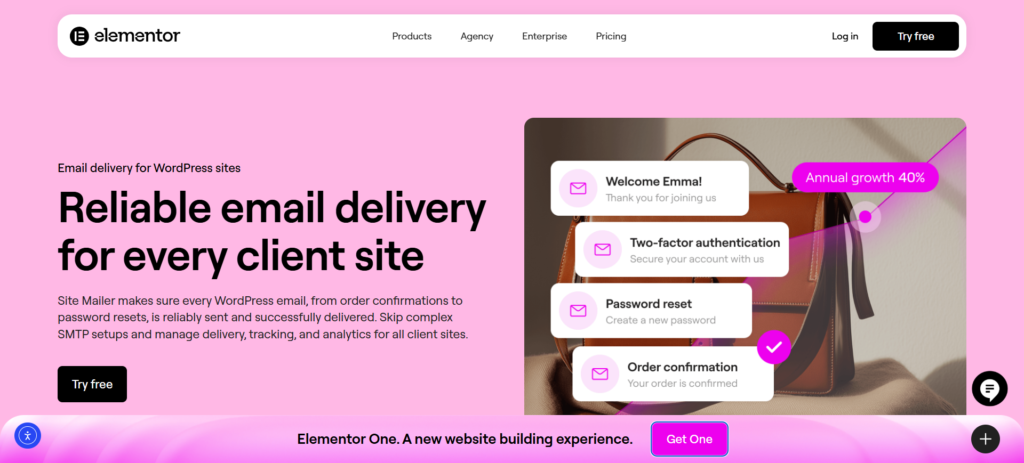
Here’s how it helps you secure the ROI of your guerrilla marketing efforts:
- Guaranteed Delivery: Whether it’s a “Thanks for entering” confirmation or a digital download link, Site Mailer bypasses the unreliable default mail function. It ensures your audience actually receives the content you promised them during the campaign.
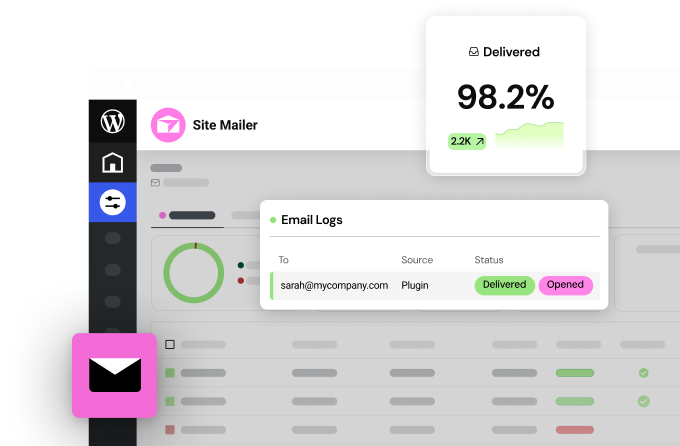
- Instant Troubleshooting: If a user claims they didn’t get their coupon, you don’t have to guess. You can view logs and delivery metrics in real-time right from the dashboard to see exactly what happened and resend the email instantly if needed.
- Professional Branding: When people engage with a physical campaign, they expect a professional digital follow-up. Site Mailer allows you to easily set up a custom domain, ensuring your emails come from your brand (e.g., [email protected]) rather than a generic or suspicious address.
- Zero Technical Headaches: You don’t need to be a server admin to set this up. It bypasses complex external SMTP servers, ports, and credentials, offering a setup wizard that gets you running in minutes—perfect for launching a pop-up campaign quickly.
Potential Pitfalls and How to Avoid Them
Guerrilla marketing is a high-risk, high-reward strategy. While it can generate incredible results, there are potential pitfalls to be aware of.
- Legal Issues: As mentioned earlier, failing to check local regulations can lead to fines and legal trouble. Always get permission before altering public or private property.
- Public Backlash: A campaign that is poorly executed can be seen as annoying, offensive, or even unsafe. Test your idea with a small, diverse group to gauge reactions before a full launch.
- Unclear Messaging: The stunt might be memorable, but do people know which brand was behind it? Make sure your branding is present, even if it’s subtle, and that your digital call to action is clear.
- Failure to Deliver: The most common technical pitfall is when the digital mechanism fails. If your sign-up form emails bounce or go to spam, the user journey ends abruptly. Ensuring reliable transactional delivery is just as important as the creative concept itself.
Wrapping Up: Your Next Move
Guerrilla marketing offers a powerful way to cut through the noise and create authentic connections with your audience. It proves that a great idea is more valuable than a huge budget. By focusing on creativity, surprise, and genuine engagement, you can build brand affinity that traditional advertising often struggles to achieve.
However, the magic of guerrilla marketing is only fully realized when you successfully bridge the gap between the offline and online worlds. The initial buzz is just the beginning. The real, long-term value comes from capturing that interest and using the right digital tools to maintain the connection.
For brands and web creators, the path forward is clear. Combine your boldest, most creative offline ideas with a reliable digital infrastructure. This combination of unforgettable experiences and trustworthy communication is what will drive measurable growth and set you apart in 2026.