This playbook cuts through the noise. We’ll explore the key trends shaping the future and provide actionable strategies to help you and your clients succeed. Let’s get started.
The Shifting Sands of Ecommerce in 2026
The ground beneath our feet is shifting. Major changes in data privacy, customer expectations, and online behavior mean that the marketing strategies that worked yesterday might not work tomorrow. To build a successful playbook for 2026, we first need to understand the new landscape. Three major trends are leading this transformation: the move toward first-party data, the necessity of an omnichannel presence, and the rise of the creator economy.
The End of Third-Party Cookies & The Rise of First-Party Data
For years, marketers relied on third-party cookies to track users across the web and deliver targeted ads. That era is coming to a close. With privacy changes from major players like Apple and Google, those old methods are becoming less effective and more expensive. In fact, rising acquisition costs are a major concern for brands of all sizes.
So, what does this mean for you? It means the focus has shifted dramatically toward first-party and zero-party data.
- First-Party Data is information you collect directly from your audience. This includes purchase history, browsing behavior on your website, and interactions with your emails.
- Zero-Party Data is information that customers willingly and proactively share with you. Think of quiz results, survey responses, or preference selections in their account profile.
This shift isn’t a setback; it’s an opportunity. Instead of “renting” data from other platforms, you now have a compelling reason to build direct, meaningful relationships with customers. The new rule is simple: provide value in exchange for information. By offering exceptional customer service, personalized recommendations, and loyalty rewards, you give customers a reason to engage with your brand and share their data. According to a Yotpo survey, 44% of brands already believe that first-party data is more valuable than data from cookies.
Omnichannel is the New Standard
Today’s customer journey isn’t a straight line. A shopper might discover a product on Instagram, browse reviews on their laptop, and then sign up for SMS alerts on their phone before making a purchase. They expect a seamless and consistent experience at every single touchpoint. Over half of consumers plan to use a mix of online and in-store channels, and this expectation for fluidity extends to purely digital experiences.
For ecommerce brands, “omnichannel” means bridging the gap between all your digital channels, your website, social media profiles, email newsletters, and SMS messages. The experience needs to feel connected. A promotion advertised on Facebook should be easy to find on your website. A customer’s loyalty status should be recognized whether they’re shopping on desktop or mobile. Creating this unified experience is fundamental to meeting modern consumer expectations.
The Creator Economy and Authentic Connections
Consumers are tired of polished corporate advertising. They crave authenticity and trust recommendations from real people. This has fueled the explosive growth of the creator economy. Influencers and content creators have become one of the most trusted sources for product discovery, with over 83% of consumers trusting “digital word of mouth” more than content produced directly by brands.
In 2026, leveraging creators will be a key strategy for growth. It’s about more than just paying for a shoutout. It’s about building genuine partnerships with creators whose audiences align with your brand. When an influencer genuinely loves a product, their recommendation feels less like an ad and more like a trusted tip from a friend. This authenticity builds credibility and drives sales in a way that traditional advertising often can’t.
Core Pillars of Your Ecommerce Marketing Strategy
Understanding the trends is the first step. Now, let’s translate that knowledge into a solid marketing foundation. A successful ecommerce strategy is built on three core pillars that work together to attract, engage, and retain customers. These aren’t just separate tasks; they are interconnected parts of a comprehensive plan.
Email & SMS Marketing: The Direct Line to Your Customers
Email and SMS marketing are your most powerful communication channels. Why? Because you own the connection. Unlike social media, where algorithms can change overnight, your email and SMS lists are direct lines to your customers.
Email remains a dominant force, with over 4.5 billion active users worldwide. A staggering 60% of consumers still prefer email for receiving promotions and product updates. It’s the perfect channel for telling your brand story, showcasing new products, and sending detailed, visually rich messages.
Meanwhile, SMS marketing offers unmatched immediacy. About 90% of text messages are read within just three minutes, making it ideal for time-sensitive announcements, flash sales, and shipping notifications. Together, email and SMS create a powerful duo for engaging customers throughout their entire journey, from initial welcome to post-purchase follow-up.
Search Engine Optimization (SEO): Attracting High-Intent Visitors
Did you know that 68% of all online experiences begin with a search engine? For an ecommerce business, SEO isn’t just about getting traffic; it’s about getting the right traffic. You want to attract visitors who are actively searching for the products you sell.
Effective ecommerce SEO involves several key areas:
- Product Page Optimization: Using descriptive titles, compelling descriptions, and high-quality images to rank for specific product searches.
- Collection Page Optimization: Targeting broader keywords with well-organized category pages.
- Site Structure: Ensuring your website is easy for both users and search engines to navigate.
- Keyword Research: Identifying the terms your target audience uses to find products like yours.
Improving your search rankings can have a massive impact. The top organic result gets ten times more clicks than the tenth result, so even small gains in visibility can lead to significant increases in sales.
Social Media Marketing: Building Community and Driving Sales
Social media has evolved far beyond a place to share photos. It’s now a vital channel for building brand relationships, fostering community, and driving direct sales. Global ad spend on social platforms is projected to reach nearly $346 billion by 2029, a clear sign of its importance.
A successful social media strategy isn’t about being on every platform. It’s about being on the platforms where your target audience is most active. For example, if you’re targeting younger consumers, Instagram might be a great fit, as nearly 31% of its users are between 18 and 24 years old. The goal is to create engaging content that resonates with your audience, encourages interaction, and makes it easy for them to discover and purchase your products.
The 2026 Playbook in Action: Key Strategies to Implement
With a solid foundation in place, it’s time to put your strategy into action. This section dives deep into the practical tactics that will drive results in 2026. We’ll focus on mastering direct communication infrastructure, building long-term loyalty, and leveraging the undeniable power of social proof.
The Foundation of Trust: Reliable Transactional Emails
Before you can worry about marketing flows and flash sales, you must ensure your communication backbone is solid. Nothing erodes trust faster than a missing order confirmation, a lost password reset link, or a contact form submission that disappears into the void.
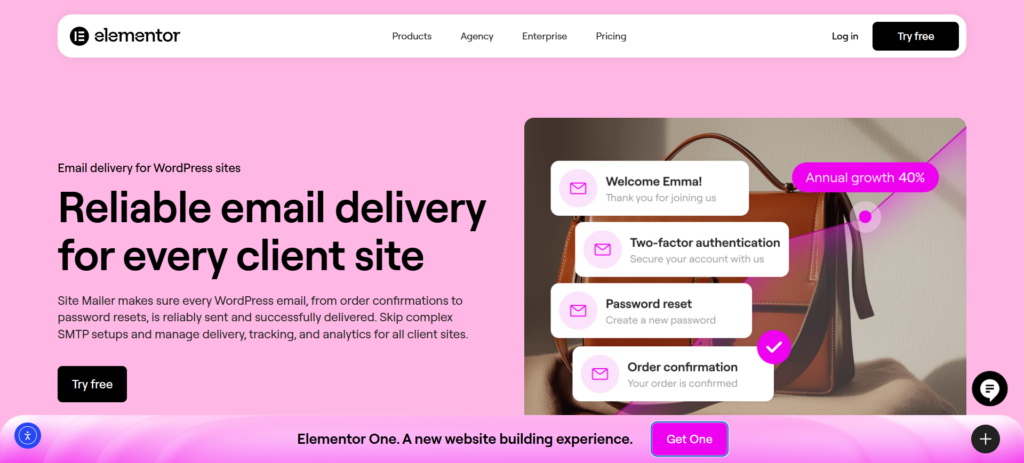
For web creators and agencies building sites on WordPress and WooCommerce, reliable email delivery is often a major pain point. Default WordPress PHP mail is notoriously unreliable, frequently landing in spam folders or being blocked entirely by hosting providers. This is where Email Deliverability becomes an essential part of your toolkit.
Why a Dedicated Delivery Plugin Matters
Many creators struggle with complex SMTP setups, API keys, and third-party configurations just to get basic emails to send. This fragmentation creates friction, wastes billable hours troubleshooting, and leaves you blind to whether emails are actually reaching your customers.
Email Deliverability solves these problems by providing a robust, purpose-built solution for transactional email delivery. It replaces unreliable default sending methods with a secure infrastructure designed for high deliverability.
- No SMTP Complexity: Bypass external SMTP servers, ports, and credentials. Email Deliverability works out of the box with a simple setup wizard, saving you from technical headaches.
- Authentication Standards: It automatically handles SPF, DKIM, and DMARC protocols. This technical heavy lifting is crucial for ensuring your emails pass spam filters and maintain a high sender reputation.
- Full Visibility: Unlike the default WordPress experience, Email Deliverability gives you a dashboard with real-time logs. You can see exactly what was sent, track open rates, and identify failure reasons instantly.
- Troubleshooting Made Easy: If an email fails, you can investigate the cause and resend it directly from the dashboard, ensuring no customer is left in the dark.
By securing your transactional emails, order receipts, account creations, and form notifications, you build the reliability that allows your broader marketing strategies to succeed. With a 95%+ average inbox placement rate, Email Deliverability ensures the most critical touchpoints in the customer journey are always delivered.
Essential Transactional Flows You Need to Monitor
With a tool like Email Deliverability ensuring delivery, you can be confident that your critical automated responses are reaching the inbox. Here are three essential transactional workflows every ecommerce store must prioritize:
- Order Confirmation & Receipts: This is the immediate reassurance a customer needs after parting with their money. It confirms validity and sets expectations for shipping.
- Account Management & Password Resets: If a user cannot access their account, they cannot buy. Ensuring these emails arrive instantly is vital for user retention and sales continuity.
- Form Submissions & Notifications: Whether it’s a support query or a pre-sales question, these communications are time-sensitive. ensuring they land in the inbox, and that you have logs to prove it, prevents service disputes.
The Power of Segmentation
While transactional reliability is the bedrock, your broader marketing strategy needs finesse. Sending the same message to every single person on your list is a recipe for low engagement.
Segmentation is the practice of dividing your contacts into smaller, more targeted groups based on specific criteria. A powerful communication strategy allows you to create segments based on:
- Purchase History: Target customers who bought a specific product or those who haven’t purchased in a while.
- Browsing Behavior: Send messages to people who viewed a particular category but didn’t buy.
- Demographics: Tailor your content based on location or other known customer attributes.
- Engagement Level: Reward your most loyal subscribers or run a re-engagement campaign for those who have become inactive.
By segmenting your audience, you can send highly personalized and relevant messages that speak directly to each customer’s interests. This leads to higher open rates, more clicks, and ultimately, more sales.
Building Customer Loyalty and Lifetime Value
In a world of rising acquisition costs, focusing on customer retention is not just smart, it’s essential. It costs far less to keep an existing customer than to acquire a new one. The key to retention is building genuine, emotional loyalty.
This goes beyond simple transactional rewards. Emotional loyalty is about making customers feel seen, understood, and valued. It’s about aligning your brand with their values, providing outstanding customer service, and creating a sense of community.
Loyalty programs are an excellent tool for fostering this connection. Platforms like Yotpo Loyalty & Referrals empower brands to create tailored programs that reward customers for a wide range of actions, not just purchases. You can award points for social media follows, referring friends, or writing reviews. This turns the customer relationship into a two-way street and makes shoppers feel like they are part of the brand’s journey.
Leveraging Social Proof with Product Reviews
What’s one of the first things you do before buying a product online? You look for reviews. Your customers are no different. Social proof, in the form of authentic customer reviews, is a cornerstone of trust in ecommerce. In fact, 93% of U.S. consumers say that reviews influence their purchasing decisions.
Collecting reviews should be a core part of your post-purchase strategy. By using an automated email flow, you can ask every customer for feedback a week or two after they receive their order. Tools like Yotpo Product Reviews are designed to help brands collect high-quality feedback at scale.
Displaying these reviews prominently on your product pages does more than just build trust. It also provides valuable user-generated content (UGC) that improves your SEO and gives you authentic material to share on social media. AI-powered features can even summarize key themes from reviews, making it easier for shoppers to quickly see what others love about a product.
Expanding Your Reach Beyond Your Website
While your own website is your most important asset, true growth in 2026 means meeting customers wherever they are. Expanding your presence to social commerce platforms, third-party marketplaces, and creator partnerships allows you to tap into new audiences and create additional revenue streams.
Navigating Social Commerce
Social commerce is the practice of selling products directly within social media platforms. Instead of clicking a link to your website, customers can complete their entire purchase without ever leaving the app. This frictionless experience can dramatically increase conversion rates.
Platforms like Facebook and Instagram offer robust “Shops” features that allow you to create a storefront directly on your profile. The Facebook & Instagram app by Meta integrates with Shopify, letting you sync your product catalog and manage inventory from a single dashboard. By making your products shoppable on these platforms, you turn passive scrolling into an active shopping opportunity.
Exploring Third-Party Marketplaces
For many shoppers, the customer journey begins not on a brand’s website, but on a large third-party marketplace. Platforms like Google Shopping and Walmart Marketplace attract millions of visitors every day. Listing your products on these sites gives you instant access to a massive audience that you couldn’t reach on your own.
Selling on these platforms helps you:
- Increase Brand Exposure: Get your products in front of shoppers who have never heard of your brand before.
- Build Trust: An association with a well-known name like Google or Walmart can lend credibility to smaller or newer brands.
- Acquire New Customers: Leverage the built-in traffic of these platforms to drive sales and grow your customer base.
Success in these crowded marketplaces often comes down to social proof. Syndicating your product reviews to your listings is crucial for standing out from the competition and giving new customers the confidence to buy.
Partnering with Creators and Affiliates
As we discussed, the creator economy is a powerful force. Affiliate marketing is a structured way to tap into it. An affiliate program allows you to partner with creators, influencers, and publishers who promote your products to their audiences in exchange for a commission on sales.
This is a win-win scenario. Creators get to monetize their content by recommending products they genuinely use and love, while you get authentic promotion and access to a highly engaged audience. Tools like Shopify Collabs help you manage these partnerships by making it easy to recruit affiliates, track sales with unique links, and handle payments. A well-run affiliate program can become a scalable and cost-effective channel for customer acquisition.
Choosing Your Tech Stack: The Case for Integration
Your marketing technology stack, the collection of tools you use to execute your strategy, is the engine that powers your growth. However, a complex and fragmented tech stack can quickly become a liability. In 2026, the trend is moving toward leaner, more powerful, and deeply integrated solutions.
The Problem with a Fragmented Toolkit
As you add more marketing capabilities, it’s easy to fall into the trap of using a separate point solution for every task. You might have one tool for email, another for SMS, a third for reviews, and a fourth for loyalty. While each of these tools might be great at what it does, managing them all separately creates significant challenges:
- Disconnected Data: Your customer data is siloed across multiple platforms, making it impossible to get a single, holistic view of each shopper.
- Wasted Time: Marketers lose countless hours each week just managing different technologies and trying to connect reports from various tools.
- Increased Costs: You’re not just paying for multiple subscriptions. Nearly 60% of marketing teams spend up to 10% of their budget simply integrating and maintaining their different tools.
- Inconsistent Customer Experience: When your systems don’t talk to each other, you risk sending uncoordinated or even contradictory messages to your customers.
The Advantage of a Reliable Delivery Hub
The solution to fragmentation is using tools that integrate seamlessly into your workflow. For businesses built on WordPress, having a native, reliable communication platform offers a powerful advantage. Instead of wrestling with external SMTP configurations and separate dashboards, you get a unified system that handles your core delivery functions.
Email Deliverability exemplifies this approach. It brings essential email delivery, logs, and authentication into a single toolkit built specifically for WordPress. This delivers several key advantages:
- A Single Source of Truth: All your delivery data lives in one place, giving you a comprehensive understanding of every email sent from your site.
- Streamlined Operations: You manage everything from a familiar WordPress dashboard, saving time and simplifying your workflow.
- Enhanced Reliability: With integrated suppression management and domain authentication, you protect your sender reputation automatically.
- Demonstrable ROI: Real-time analytics clearly show delivery performance, making it easy to prove the stability of the sites you build for clients.
This integrated approach empowers web creators to move beyond just building websites and become long-term partners for their clients, ensuring the technical foundation of their business, communication, is always rock solid.
What to Look for in a Marketing Solution for WordPress
When evaluating marketing and delivery tools for your WordPress or WooCommerce projects, here is a checklist of key features to consider. The right solution should check all of these boxes:
| Feature | Why It Matters |
| Truly WordPress-Native | Operates entirely within the WordPress dashboard for a seamless, familiar experience without the need for external APIs or complex integrations. |
| No SMTP Required | Bypasses the need for fragile external server connections, ensuring emails send reliably regardless of hosting restrictions. |
| Authentication Included | Automatically handles SPF, DKIM, and DMARC to ensure high inbox placement and prevent spam filtering. |
| Real-Time Logs | Provides immediate visibility into email status (delivered, failed, opened) directly within the dashboard for quick troubleshooting. |
| Failure Troubleshooting | Allows you to identify why an email failed and resend it instantly, preventing lost orders or communications. |
| Custom Domain Support | Enables sending from a professional, verified domain to build trust and brand consistency. |
| Fair, Scalable Pricing | Offers a transparent pricing model that can grow with your or your client’s business, often with a generous free trial to get started. |
Wrapping Up: Your Path Forward in 2026
The world of ecommerce marketing is dynamic, but the path to success in 2026 is clear. It’s about forging direct relationships with customers through the power of first-party data. It’s about creating seamless, consistent experiences across all your digital channels. And it’s about choosing the right tools that simplify your workflow and ensure your communications actually arrive.
For web creators, this evolving landscape presents a tremendous opportunity. By mastering these strategies and utilizing robust tools like Email Deliverability, you can expand your services, deliver greater value to your clients, and build stronger, more profitable long-term partnerships. The key is to build your marketing efforts on an integrated foundation that works with your existing WordPress ecosystem, not against it. By adopting a unified and reliable approach, you can spend less time managing technology and more time creating amazing experiences that drive real growth.

