Table of Contents
The question of which website builder agencies use doesn’t have a single answer, but successful agencies invariably choose a solution that evolves beyond a simple page builder into a comprehensive platform. They need a system that offers both total creative freedom for designers and robust stability for developers.
The best solution must support the entire web creation lifecycle—from planning and building to hosting, optimizing, and growing the site. In the modern, high-stakes environment, this means leveraging a tool like Elementor, which provides an unparalleled combination of open-source flexibility and managed platform integration.
Key Takeaways
- Agencies Demand Platforms, Not Just Builders: Modern agencies require an integrated ecosystem that handles design, development, hosting, performance, and maintenance in a single environment.
- Efficiency is King: The primary driver for agency choice is the ability to accelerate workflows using reusable assets, global design systems, and AI-powered planning tools to maximize profitability.
- Elementor is the Comprehensive Choice: Elementor has successfully evolved from a WordPress page builder to a Website Builder Platform that addresses every major pain point for agency work, including specialized tools for hosting, accessibility, performance optimization, and marketing automation.
- Creative Freedom Meets Scalability: The combination of Elementor’s visual editor and its Theme Builder provides designers with complete control over every site part, while its reliable hosting infrastructure ensures client sites can scale with zero performance bottlenecks.
- The AI Advantage: Integrated tools like the AI Site Planner and Elementor AI significantly cut down the time spent on planning, wireframing, content creation, and custom code generation, turning concept into production faster than ever before.
The Core Needs of a Digital Agency in Web Creation
Agency success hinges on delivering quality at scale. A freelancer building one site a month has different requirements than an agency launching ten sites concurrently. The key factor is systemization. Agencies build systems, and their website builder must be the foundation of that system.
Speed and Workflow Efficiency
Time is money in agency life. Every hour spent on manual, repetitive tasks is an hour that cuts into the project margin. Agencies cannot afford to rebuild fundamental components or waste time on clunky, disconnected tools.
Reusability and Templating
High-volume agencies need to build once and deploy many times. This means the chosen platform must support global asset management. Imagine designing the perfect header or a high-converting pricing table. You should be able to save that entire section or even a complete website structure and redeploy it instantly on a new client project.
Elementor excels here with its Template Library. Agencies use this feature to:
- Create Site Kits: Save an entire site structure, including headers, footers, post templates, and global styles, as a single reusable kit.
- Deploy Wireframes: Start a new project with a structural wireframe kit generated by the AI Site Planner, eliminating the blank canvas problem.
- Maintain Consistency: Ensure all client sites, or even internal agency projects, adhere to a strict brand standard by pulling from a centralized, pre-approved set of templates.
This reusability drastically reduces development time. Instead of spending 20 hours setting up the structure of a site, an agency can import a proven Kit in seconds, focusing immediately on client-specific content and design refinement.
Client Collaboration and Feedback
The client review cycle is often the biggest project killer. Endlessly emailing screenshots and tracking feedback in spreadsheets wastes valuable time. A professional website builder needs to centralize communication.
Elementor Pro includes a Notes feature that addresses this head-on. Team members and clients can pin comments directly onto the live visual preview of the website. This contextual feedback loop ensures crystal-clear communication, eliminating back-and-forth confusion over where a specific element is located or what style change is needed. This small feature dramatically improves client satisfaction and accelerates the final sign-off phase.
Scalability and Site Management
Agencies need to know the platform they choose can handle growth—both their own and their clients’. A successful client site might suddenly experience a traffic spike or require new, complex features like an eCommerce store. The platform must be stable and secure.
Hosting and Performance at Scale
A fragmented WordPress setup forces agencies to manage hosting, security, and the builder separately, often leading to performance bottlenecks. The builder itself must generate clean, optimized code, and the hosting environment needs to be engineered specifically to run it efficiently.
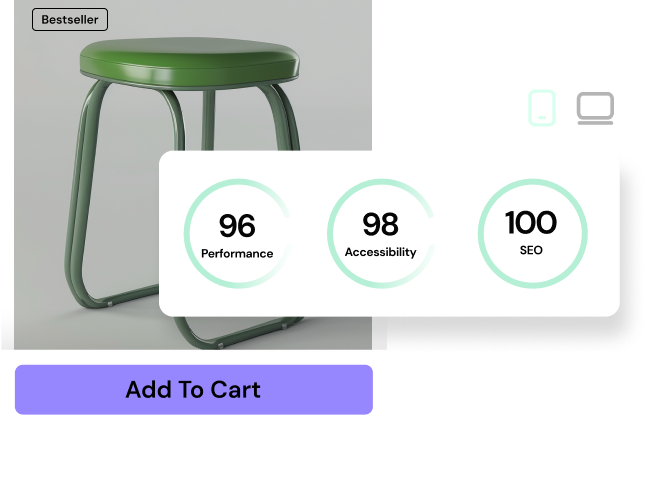
Elementor solved this fragmentation issue by offering Elementor Hosting. This is not generic hosting; it is built from the ground up to support the Elementor workflow. This optimization ensures client sites are fast, which is critical for Core Web Vitals and SEO rankings.
Elementor Hosting provides key agency-level features:
- Google Cloud Infrastructure: Enterprise-grade reliability and speed.
- Cloudflare Enterprise CDN: Global content delivery for lightning-fast speeds worldwide.
- Staging Environments: Agencies can safely test updates, run complex migrations, or show clients final previews without impacting the live site.
This unified approach guarantees a high-performance foundation that agencies can confidently offer to high-traffic clients.
Unified Maintenance and Updates
Managing security patches, core updates, plugin conflicts, and hosting bills for dozens of sites is a logistical nightmare. Agencies need one dashboard and one support team.
By choosing Elementor Hosting alongside the Elementor Platform, agencies gain a single point of contact for technical support. This eliminates the notorious “blame game,” where a hosting provider blames the theme or a plugin vendor blames the host. Elementor’s team built both the hosting and the builder, meaning they provide unified, expert support for the entire stack. This simplifies maintenance and minimizes client downtime, safeguarding the agency’s reputation for reliability.
Creative Control and Customization
Agencies sell bespoke solutions. While efficiency is key, it cannot come at the expense of design freedom. The builder must allow designers to realize any client vision, no matter how complex or unique.
Pixel-Perfect Design without Code
The Elementor editor is renowned for its pixel-perfect control. Designers can adjust every dimension, typography setting, and motion effect visually, eliminating the need to write custom CSS for every minor tweak. This level of granular control is crucial for meeting brand guidelines and producing truly custom aesthetics.
Advanced features that professionals use daily include:
- Custom Breakpoints: Beyond the standard desktop, tablet, and mobile views, Elementor allows agencies to define custom breakpoints to ensure designs look flawless on specific device sizes.
- Flexbox Containers: Enabling complex, modern layouts with precise control over spacing and alignment, making responsive design simpler and more reliable.
- Motion Effects: Adding sophisticated scrolling effects, 3D tilts, and parallax to elements, creating dynamic and engaging user experiences without adding performance drag.
Extensibility and Dynamic Content
A builder for agencies must handle diverse client needs, from simple brochure sites to complex membership portals and real estate listings. This requires support for Dynamic Content and deep integration with WordPress capabilities.
The Elementor Pro version provides Dynamic Content features that let you pull data from custom fields (like Advanced Custom Fields or Toolset) directly into your design templates. For example, an agency can design one beautiful product page template and have it dynamically populate with the correct title, image gallery, and price for hundreds of different products automatically. This is essential for building data-driven, scalable websites for clients in industries like real estate, job boards, or large catalogs.
Analyzing the Top Website Builder Platforms for Agencies
When an agency evaluates a website builder, they are performing a risk assessment. They need the highest possible floor of stability combined with the highest possible ceiling of creative and technical capability. Let’s look at how the primary options stack up.
Elementor: The Comprehensive WordPress Platform
Elementor occupies a unique and powerful position in the market. It successfully bridges the gap between the closed, all-in-one SaaS model and the fragmented, highly flexible open-source WordPress environment. Agencies prefer this model because it offers the simplicity and reliability of an integrated platform while retaining the creative and technical freedom of WordPress.
The Elementor Website Builder: Creative Power
The core Elementor Website Builder is the engine that drives creative freedom. It’s a live, front-end visual editor, meaning designers see exactly what the user sees in real time. This WYSIWYG (what-you-see-is-what-you-get) approach is significantly faster than traditional back-end builders or constantly switching between a code editor and a browser.
Theme Builder and Dynamic Content
For agencies, the Elementor Theme Builder is a non-negotiable feature. It allows you to design every single piece of a WordPress website using the visual editor, including:
- Custom Headers and Footers: Setting global navigation bars, sticky headers, and mobile menus once for the entire site.
- Post and Archive Templates: Creating a unified design for all blog posts, category pages, or custom post types.
- 404 Pages and Search Results: Ensuring these utility pages maintain the client’s brand aesthetic.
This functionality turns Elementor into a complete site builder rather than just a page builder, giving agencies total control over the entire user experience.
Advanced Design Tools (Motion, Custom CSS)
Elementor Pro includes a suite of advanced features that allow agencies to deliver high-end, custom designs that stand out in competitive markets.
- Custom Code: While Elementor is no-code, agencies occasionally require specific custom functionality. Elementor Pro provides dedicated areas to inject Custom CSS, HTML, and JavaScript without having to edit theme files directly. This enables developers to work alongside designers seamlessly.
- Entrance Animations and Interactions: Agencies can apply subtle but impactful animations to elements as they scroll into view, enhancing the user journey and drawing attention to key calls to action.
The Elementor Ecosystem: Tools for Agency Scale
The true advantage of Elementor for agencies is its fully integrated suite of products, which tackles common agency pain points that usually require a patchwork of unreliable third-party plugins.
Integrated Elementor Hosting for Performance
Elementor is trusted by over 18 million websites worldwide, but simply installing the plugin on unoptimized hosting leaves money on the table. Elementor Hosting is designed to maximize the performance of an Elementor-built site. By providing high-tier, managed WordPress hosting powered by Google Cloud Platform and Cloudflare CDN, Elementor ensures that the agency’s sites load quickly, boosting SEO and user retention.
AI Site Planner and Workflow Acceleration
Starting a project from scratch is inefficient. Agencies need a structured, strategic starting point. The Elementor AI Site Planner is a revolutionary tool that helps agencies define a client’s project structure immediately.
It works like this: an agency inputs a simple description of the client’s business (e.g., “A modern law firm specializing in corporate litigation”). The AI then generates:
- A professional Sitemap.
- A detailed Website Brief.
- An interactive, stylized Wireframe.
This process, which used to take hours of manual strategizing and design, is condensed into minutes, allowing the agency to move straight to visual design and development. This allows agencies to deliver work faster, accelerating the client approval process and improving margins.
Ally and Accessibility Compliance
Web accessibility compliance (WCAG 2.1 AA) is a legal and ethical necessity, and agencies are increasingly responsible for ensuring client sites meet these standards. Using a third-party audit tool is time-consuming and often confusing.
Ally by Elementor provides a native solution. It scans the website for over 180 common accessibility violations and provides actionable, step-by-step guidance directly within the WordPress dashboard to fix them. This integrated approach ensures that agencies can confidently deliver compliant websites to clients, particularly those in regulated industries, mitigating legal risk and building a more inclusive web. You can even see the tools in action here:
Send and Site Mailer for Marketing Reliability
A website is only as good as its communication channels. WordPress is notorious for unreliable email delivery, which can be disastrous for client eCommerce stores or lead generation funnels.
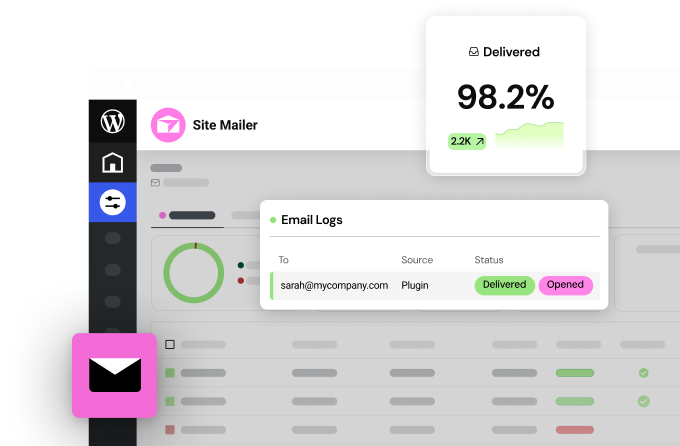
- Site Mailer by Elementor: This plugin solves the transactional email problem. It guarantees reliable delivery of critical emails—form submissions, password resets, and order confirmations—without the technical hurdle of configuring complex SMTP plugins. This is essential for maintaining client trust and service reliability.
- Send by Elementor: This integrated platform offers email marketing and automation built specifically for Elementor workflows. Agencies can use it to set up lead nurture campaigns and abandoned cart flows for clients directly within the ecosystem, providing a valuable recurring service opportunity.
Other Prominent Solutions
The agency market is competitive, and several other platforms offer powerful features. Agencies must compare them based on core feature-set, not marketing hype.
Closed SaaS Platforms (e.g., Wix Studio, Squarespace)
These platforms offer a highly curated, all-in-one experience where hosting, security, and the builder are fully managed.
- Wix Studio: A platform designed to support team collaboration and centralized site management. It offers built-in tools for design, business solutions, and development, providing a streamlined experience.
- Squarespace: Known for its highly aesthetic, professionally designed templates and low-maintenance costs post-launch. It simplifies project management by bundling all services like hosting and updates.
The primary limitation for agencies using these platforms is extensibility and ownership. Agencies are locked into a proprietary system, limiting the ability to add custom functionality via the vast WordPress plugin ecosystem and restricting data ownership and migration options.
Alternative WordPress Builders (e.g., Divi, Beaver Builder, Oxygen)
These builders are all strong contenders within the WordPress space, each offering a drag-and-drop interface and dedicated communities.
- Divi Builder: A robust visual editor with an extensive design system and a vast library of pre-made templates.
- Beaver Builder: Known for stability, clean code, and a reliable drag-and-drop interface, making it a favorite among developers who prioritize predictability.
- Oxygen Builder: Takes a developer-first approach, often replacing the WordPress theme entirely to give users complete control over the code output and design hierarchy.
While these tools offer great design capabilities, they often fall short on the integrated ecosystem that Elementor provides. Agencies typically have to purchase hosting separately, acquire third-party plugins for features like image optimization and accessibility, and manage technical support across multiple vendors, which increases complexity and cost.
Headless Design Tools (e.g., Webflow)
Webflow is a strong option for designers who want granular control over CSS and semantic HTML output. It’s highly valued for generating clean, developer-grade code.
The challenge for agencies is the learning curve and WordPress integration. It often requires more technical knowledge to manage dynamic content or integrate with the standard WordPress back-end, creating a steeper barrier for designers accustomed to visual builders and requiring additional steps for clients who prefer the traditional WordPress experience.
Phase 1: Accelerating the Agency Workflow with Elementor’s AI Suite
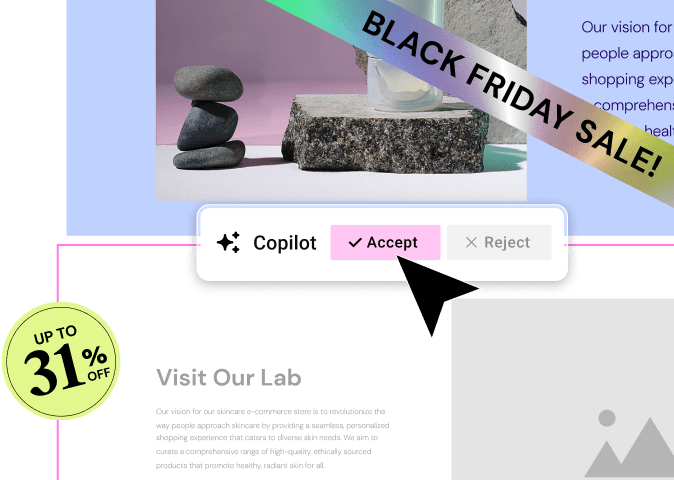
The most significant recent advancements in agency efficiency come from Agentic AI. Elementor has embedded AI at critical points in the workflow to automate the most time-consuming steps of a project: planning and content creation.
From Client Brief to Blueprint with AI Site Planner
The Elementor AI Site Planner is a free strategic tool that eliminates the manual labor of project discovery. Agencies can leverage this to create a formal project blueprint almost instantly.
The planner works by asking a series of intelligent questions about the client’s business, goals, and target audience. It translates those conceptual answers into concrete deliverables.
Step-by-Step Guidance
Instead of handing the client a blank document, the agency can use the AI Site Planner to collaborate on the initial vision.
- Define the Business: Input the client name, industry, and main service.
- Set Goals: Specify outcomes, such as lead generation, eCommerce sales, or brand awareness.
- Refine Structure: The AI generates a standard sitemap based on industry best practices (e.g., an architectural firm needs a Portfolio section, a law firm needs a Practice Areas section).
- Instant Wireframe: The resulting output is not just text; it is an interactive, visual wireframe built with Elementor’s Flexbox Containers, ready for immediate import into the editor.
This process ensures that the agency and client are aligned from Day One, preventing scope creep and costly structural changes later in the project.
Generating Sitemaps and Wireframes
The ability to generate a complete website structure and a visual wireframe in minutes means agencies spend less time on setup and more time on high-value, bespoke design. The AI automatically pre-populates the wireframe with relevant, industry-specific placeholder content, ensuring the design doesn’t feel empty.
You can start generating your first plan here: Elementor AI Site Planner.
Content and Image Generation in the Editor
Once the site structure is in place, the next bottleneck is content. Agencies often wait weeks for client-provided copy and imagery, stalling the project. Elementor AI is natively integrated into the editor to solve this problem.
Using Elementor AI for Instant Copy and Visuals
Unlike third-party AI tools that require context switching, Elementor AI works directly within any text widget, image widget, or code block.
- Content Generation: If a client gives the agency a bullet point summary for a service page, the agency can simply paste the points into the text box and ask Elementor AI to “expand this into a professional, authoritative paragraph, using an active voice.”
- Image Generation: Agencies no longer need to rely exclusively on expensive stock photo libraries. With the Image Generator feature, a designer can enter a prompt like “A stylized, minimalist illustration of a digital marketing strategy meeting” and generate unique, high-quality visuals instantly, maintaining the design momentum.
The ability to generate placeholder content that is surprisingly close to final quality allows the agency to design and build the entire site without waiting for external assets. The client can then simply review and refine the AI-generated text and images.
Code Generation for Custom Styling
For those moments when a project requires a unique visual flourish—a specific hover effect or a complex layout adjustment—the Elementor AI code assistant allows agencies to “code like a pro, without being one.”
Instead of hunting through Stack Overflow for custom CSS snippets, an agency designer can type a request like “Write the CSS for a subtle drop shadow that appears when the user hovers over this image box.” The AI generates the code, and the designer simply injects it into the custom CSS field, all within the Elementor interface. This democratizes advanced customization, making high-end design accessible and efficient.
Phase 2: Building Pixel-Perfect and Performant Client Sites
The heart of an agency’s deliverable is the final website. This phase requires the most sophisticated tools for design consistency, conversion focus, and integration.
Mastering the Theme Builder for Consistency
Consistency is the hallmark of professional agency work. Without a robust Theme Builder, maintaining uniformity across hundreds of pages is impossible, especially when a client asks to change the primary brand font.
Designing Custom Headers, Footers, and Archives
The Elementor Theme Builder ensures every site part is designed visually, with Display Conditions allowing the agency to control exactly where each template is applied.
For example, an agency can create:
- Header A: Applies globally to the entire site.
- Header B: Applies only to the main blog page and category archives.
- Post Template A: Applies only to posts in the “News” category.
This granular control prevents design conflicts and ensures the site scales cleanly. The agency only needs to design the structure once.
Leveraging Global Styles and Design Systems
The most powerful feature for efficiency is Elementor’s Global Settings. This functionality allows the agency to define a site-wide design system:
- Global Colors: Set the client’s primary, secondary, and accent colors. Change one global color, and it updates across every page, widget, and template on the entire website instantly.
- Global Typography: Define all H1, H2, H3, and Paragraph styles. A single adjustment to the H1 font size or weight updates the setting across every instance sitewide.
This is indispensable for rebranding or minor client revisions, turning what used to be a day of tedious page-by-page editing into a single-click update. This is the definition of scaling professionalism.
Creating Advanced eCommerce Sites
A significant portion of agency work involves building high-converting online stores. The typical WordPress and WooCommerce setup often requires custom PHP coding to modify checkout and product pages, which is slow and complex.
Customizing the Checkout Flow with WooCommerce Builder
Elementor Pro’s dedicated WooCommerce Builder is a game-changer for eCommerce agencies. It allows designers to customize the core WooCommerce pages visually:
- Product Page: Design a unique layout for the product image, description, and related products without touching any code.
- Cart and Checkout: This is where conversions are won or lost. Agencies can completely restructure the cart and checkout process—removing distractions, adding urgency elements, or inserting trust badges—to maximize completion rates.
This freedom allows agencies to create truly unique, high-conversion online stores, rather than relying on generic WooCommerce themes. These performant stores can be hosted on Elementor’s dedicated eCommerce Hosting plans, built for high-traffic WooCommerce sites.
Optimizing Product Pages for Conversion
Beyond the layout, agencies need specific conversion elements that are easy to deploy.
| Conversion Element | Elementor Pro Feature | Agency Benefit |
| Urgency | Countdown Widget | Easily add sales timers to product pages, driving immediate purchase behavior. |
| Social Proof | Testimonial & Rating Widgets | Integrate customer reviews and star ratings prominently to build trust. |
| Lead Capture | Popup Builder & Form Builder | Deploy smart popups for immediate discounts or email capture triggered by cart abandonment or scroll depth. |
Integrating Dynamic Content and Custom Fields
For large, data-heavy client sites, such as a university course catalog or a vehicle dealership website, content needs to be managed centrally and displayed flexibly.
Elementor Pro seamlessly integrates with WordPress custom fields (such as those managed by ACF or Toolset). This allows an agency to:
- Define Data Structure: Use a plugin like ACF to define fields (e.g., car_make, car_model, car_price).
- Design a Single Template: Create one visually stunning vehicle listing template in Elementor.
- Map Data: Tell the Elementor template to pull the car_make field into the H1 heading, the car_price into the price box, and so on.
The client can then enter new vehicle details into the simple WordPress back-end, and the data automatically populates the complex, beautifully designed template. This is how agencies achieve scalability—separating design from data entry.
Phase 3: The Foundation for Scale: Hosting and Site Management
A beautiful design that loads slowly or breaks frequently is useless. Agencies need to prioritize the underlying infrastructure and ongoing management tools to protect their client’s investment and their own time.
Why Unified Hosting Matters for Agencies
Fragmented tech stacks create vulnerability. When an agency outsources hosting to one provider and uses plugins from a dozen others, a simple performance issue can lead to hours of detective work, costing thousands in unbillable time.
Performance: Google Cloud and Cloudflare CDN
Elementor Hosting provides a stack optimized for Elementor performance.
- Enterprise-Grade Infrastructure: By utilizing the premium tier of Google Cloud Platform, the hosting ensures maximum uptime and performance under load, crucial for peak traffic events like holiday sales.
- Global Reach: The integrated Cloudflare Enterprise Content Delivery Network (CDN) caches the client’s site assets globally, ensuring fast load times regardless of where the visitor is located. This directly improves the client’s international SEO and user experience.
Unified Support: Eliminating the “Blame Game”
As a senior professional, I can tell you that the most frustrating experience for an agency is the support loop. The host blames the builder, the builder blames the theme, and the client blames the agency.
By consolidating hosting and the builder under the Elementor umbrella, agencies get one team to call for any technical issue. This single point of accountability is a significant operational advantage, drastically reducing the time spent on troubleshooting and allowing the agency to focus on creative work.
Optimizing Performance: Beyond the Builder
Performance isn’t just about fast hosting; it’s about optimizing site assets.
Image Compression with Image Optimizer by Elementor
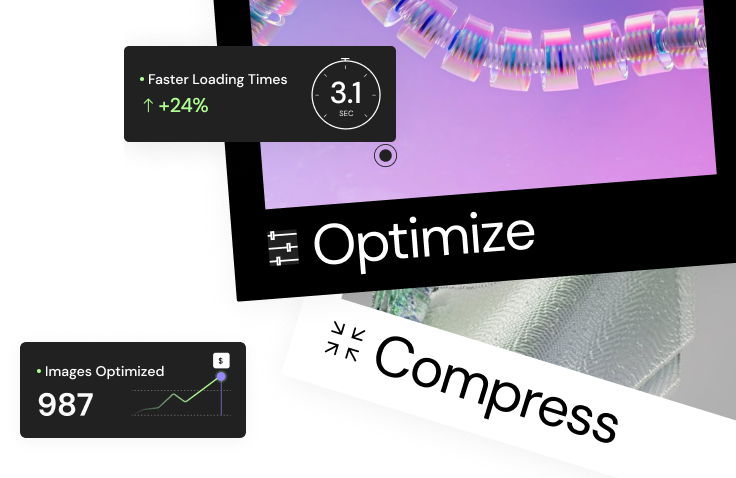
Large, unoptimized images are the number one killer of website speed. Agencies manage vast media libraries across many client sites. The Elementor Image Optimizer plugin is an essential utility.
- Automatic Optimization: The plugin automatically compresses new images upon upload.
- Next-Gen Formats: It converts images to modern, efficient formats like WebP or AVIF, which significantly reduce file size without sacrificing visual quality.
- Bulk Management: Agencies can run bulk optimization on existing client media libraries, instantly boosting the speed of older websites.
This is a simple, set-and-forget solution that contributes directly to higher Google PageSpeed Insights scores, which clients increasingly demand.
Accessibility Compliance with Ally by Elementor
Accessibility is moving from a niche consideration to a core requirement, especially in regions with strong regulatory bodies. An agency can’t afford to be delivering sites that face legal challenges.
Ally by Elementor simplifies compliance with WCAG 2.1 AA standards. It’s a proactive tool that:
- Scans and Identifies Issues: It looks for common violations such as low color contrast, missing alt text, or incorrect header structure.
- Provides Remediation: The Ally Assistant offers clear, actionable instructions on how to fix the issue using the Elementor editor, making the process visual and code-free.
- Enhances Usability: It offers a front-end usability widget that allows visitors to customize the viewing experience (e.g., adjust font size, line height, contrast), benefiting users with various cognitive or visual needs.
This integrated tool ensures agencies can deliver inclusive and legally sound websites without hiring expensive, specialized consultants for every project.
Client Handover and Maintenance
The final step for any project is the client handover. Agencies want clients to feel confident and empowered to manage their own content, reducing requests for simple updates.
The Importance of Intuitive Client Editing
Elementor’s visual editor is intuitive enough that most clients can quickly learn to update text and images. This client enablement is crucial. By restricting clients’ access to only the areas they need to edit, the agency protects the integrity of the design while giving the client autonomy over the content.
Using Collaborative Tools like Elementor Notes
The Elementor Notes feature isn’t just for agency teams; it’s also excellent for client training. Agencies can leave contextual notes on the live site explaining complex layouts or specific update procedures.
For example, a note pinned to the Hero section could read: “Client instruction: Do not change the aspect ratio of the main image, as it breaks the mobile view.” This provides embedded, just-in-time training that reduces support tickets later on.
Strategic Pillars for Agency Success: Building a Reference-Worthy Process
Agencies succeed by building a scalable process that can be applied to any client, regardless of industry or complexity. This process is built around standardization and asset reuse.
Building Reusable Assets (Kits and Templates)
Standardization drives profitability. Instead of starting from scratch every time, agencies build a library of proven, high-performing assets.
Creating a Private Agency Library
The Elementor Template Library allows agencies to save their best work—headers, footers, specific forms, and even full-site layouts—to a cloud-based library. This private repository of assets becomes a crucial agency tool.
By saving entire Full Website Kits, an agency can dramatically accelerate the launch of new sites, providing a massive advantage over competitors still building page-by-page. A custom agency kit can include:
- Branded Global Styles
- Five core page templates (Home, About, Services, Contact)
- WooCommerce components
- A custom 404 page
The Hello Theme as a Minimalist Foundation
Agencies that demand ultimate control and performance often prefer a lightweight foundation. The Elementor Hello Theme is the perfect blank canvas. It is a minimalist, performance-optimized theme framework explicitly designed to be paired with Elementor Pro. It offers zero bloat, allowing the agency to build every single part of the design using the Theme Builder, ensuring clean code and lightning-fast loading speeds.
Marketing and Lead Generation Tools
An agency’s success is tied to its client’s growth. Providing reliable marketing tools is part of the modern deliverable.
Reliable Forms and Email Delivery with Site Mailer
Websites are often the core of a client’s lead generation strategy. Forms must work, and notification emails must be delivered. The reliability of Site Mailer ensures that when a potential customer fills out a lead form on an Elementor Pro-built page, the client actually receives the notification in their inbox, safeguarding the client’s business pipeline.
Integrated Email Marketing with Send by Elementor
For clients who need simple, integrated email marketing without a complex third-party setup, Send by Elementor is a native, easy-to-use solution. Agencies can set up automated emails for:
- Welcome sequences for new leads.
- Transactional confirmations.
- Simple newsletters.
This functionality keeps the entire marketing stack within the Elementor ecosystem, simplifying management for both the agency and the client.
Expert Insight: The Elementor Advantage for Long-Term Client Value
Choosing a builder is a long-term strategic decision. It determines the agency’s ability to maintain, grow, and profit from client relationships for years. The best platforms offer features that translate directly into recurring revenue opportunities for the agency.
For example, an agency can use the integrated nature of the Elementor platform to sell monthly maintenance plans that include:
- Managed Elementor Hosting and performance assurance.
- Accessibility auditing and remediation using Ally.
- Email marketing management using Send.
As a web creation expert, Itamar Haim notes, “The most profitable agency model today isn’t selling a one-off build; it’s selling long-term managed services. Elementor’s integrated ecosystem, spanning from hosting to accessibility, gives agencies a genuine, value-packed service to offer clients every single month, securing predictable recurring revenue.” This is the true strategic advantage.
Conclusion: Elementor as the Agency Standard
When agencies look for a website builder, they are looking for a platform that maximizes profit through efficiency, minimizes risk through stability, and delivers uncompromised quality through creative control. The answer to “what website builder is used by agencies” is consistently the one that best supports this triangle of business needs.
Elementor has evolved from a popular page builder to a full Website Builder Platform by integrating the critical tools agencies need for scale—from AI-powered planning and pixel-perfect design to unified hosting, performance optimization, and marketing reliability. By combining the unmatched flexibility of open-source WordPress with the managed simplicity of a single ecosystem, Elementor allows agencies to streamline their workflows, deliver superior client results, and confidently scale their business for the long haul. You can start exploring the platform today: https://elementor.com.
Frequently Asked Questions about Agency Website Builders
What is the primary reason agencies choose Elementor over closed platforms like Wix?
Agencies choose Elementor because it offers the best of both worlds—the seamless visual experience of a modern builder combined with the unlimited flexibility and ownership of the open-source WordPress ecosystem. Closed platforms restrict data ownership and prevent agencies from utilizing the vast library of third-party WordPress plugins and custom code needed for complex client requirements. Elementor gives them creative and technical freedom without the lock-in.
How does Elementor’s Theme Builder speed up agency workflow?
The Theme Builder allows agencies to design all non-content parts of a website—like headers, footers, post templates, and archives—using the visual editor. Agencies save these as templates and use Global Settings to define site-wide colors and fonts. If a client wants to change their logo or brand color, the agency can update the entire site instantly, saving dozens of hours of manual work across every client project.
Is Elementor Hosting mandatory for agencies using Elementor Pro?
No, Elementor Hosting is not mandatory, as the Elementor plugin works on any standard WordPress host. However, Elementor Hosting is highly recommended for agencies because it is engineered and optimized specifically for Elementor websites. It eliminates compatibility issues, boosts performance through Google Cloud and Cloudflare CDN, and provides unified support, meaning one call resolves issues related to the builder, the theme, or the hosting itself.
How do Elementor’s AI tools specifically help agency profitability?
Elementor’s AI tools, such as the AI Site Planner and Elementor AI, accelerate the non-design, administrative parts of the workflow. The AI Site Planner instantly creates sitemaps and wireframes, condensing hours of planning into minutes. Elementor AI generates content and custom CSS directly in the editor, eliminating delays from waiting for client copy or needing a developer for minor tweaks. This dramatically reduces non-billable time and speeds up project delivery.
How does an agency handle web accessibility compliance with Elementor?
Agencies utilize Ally by Elementor, the integrated accessibility plugin. Ally automatically scans client sites for over 180 common WCAG 2.1 AA violations. Crucially, it provides the Ally Assistant, which offers step-by-step guidance on how to fix those issues using the Elementor visual editor. This simplifies compliance and mitigates legal risk without requiring the agency to hire a dedicated accessibility specialist.
Can Elementor handle complex eCommerce sites for large clients?
Yes, Elementor Pro includes the dedicated WooCommerce Builder. This set of features allows agencies to design every part of the online store visually, including the critical, conversion-focused pages like the custom cart, checkout, and product archives. This level of customization is essential for building unique, high-performing eCommerce experiences that maximize the client’s sales.
What is the Hello Theme, and why do agencies use it?
The Hello Theme is a free, minimalist, and lightweight theme framework designed by Elementor. Agencies prefer it because it provides a blank, performance-optimized canvas with zero styling or bloat. This ensures that every element of the final design is built and controlled entirely by the Elementor Theme Builder and Global Styles, resulting in the fastest load times and total creative freedom.
How does Elementor help agencies manage client feedback efficiently?
Elementor Pro includes a Notes feature. This allows agency team members and clients to leave contextual comments pinned directly to specific elements on the live visual preview of the website. This eliminates the inefficient process of exchanging screenshots and email chains, centralizing communication and accelerating the client approval cycle.
What are the main challenges an agency might face when adopting Elementor?
The primary challenge for an agency is often the initial shift from fragmented tools to a unified platform. It requires training the team to fully utilize the integrated features—like the AI Site Planner and Elementor Hosting—rather than defaulting to older, separate processes (e.g., using a third-party wireframing tool). Overcoming this initial integration curve is key to unlocking Elementor’s full efficiency at scale.
How can Elementor help agencies build recurring revenue streams?
Elementor’s ecosystem creates opportunities for agencies to sell managed services. By offering Elementor Hosting as a reliable foundation, Ally for monthly accessibility checks, Site Mailer for reliable transactional email delivery, and Send for email marketing management, agencies can package these essential tools into high-value, predictable monthly maintenance plans for their clients.
Looking for fresh content?
By entering your email, you agree to receive Elementor emails, including marketing emails,
and agree to our Terms & Conditions and Privacy Policy.